
Nina Ricci
L'Air du Temps
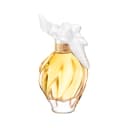
Launched in 1948, L’Air du Temps is the fragrance that made the house of Nina Ricci. Francis Fabron ties carnation and clove to a bouquet of gardenia, jasmine and rose, over a powdery base of iris, sandalwood and oakmoss. Robert Ricci wanted a bottle that carried peace: Marc Lalique gave it, in 1951, its two crystal doves. Rewritten across the decades, it remains one of the most widely recognized spicy florals in the world.
- Brand
- Nina Ricci
- Launch year
- 1948
- Perfumer
- Gender
- Women
- Olfactory family
- Floral
- Secondary family
- Spicy
- Concentration
- Eau de Toilette
Iconic perfume
Where to buy
A fragrance born from the need to breathe
In 1948, France emerged from six years of war and perfumery changed register. The heady, intoxicating compositions of the prewar years gave way to clearer, airier fragrances. L’Air du Temps arrived at exactly that moment, and its name captures it better than any advertisement could.
Two years earlier, Robert Ricci had opened a perfume department within the house founded by his mother. The first fragrance, Cœur-Joie, was released in 1946, composed by Germaine Cellier, in a heart-shaped bottle designed by Marc Lalique.
Cœur-Joie never found its audience. L’Air du Temps, on the other hand, made the house one of the great names in French perfumery, for decades to come. The name resists translation: it names less a scent than a collective state of mind.
Francis Fabron, the author no one hears from
The formula is credited to Francis Fabron. Wikipedia, the Fragrance Foundation, the house itself and specialized databases agree on this point, which is far from a given for a fragrance of this era, when authorship was most often left anonymous.
A quote circulates under his name: he is said to have imagined what he would want to smell on the shoulders of the woman he loves. It appears on the Nina Ricci website. Yet the Fragrance Foundation writes that Fabron never spoke publicly.
The contradiction deserves to be stated rather than resolved. It is a reminder that part of what is believed about old fragrances comes from the houses’ communication departments, not from archives.
The bottle, and the three names claiming it
The bottle everyone knows dates from 1951: two doves entwined on the cap, set above a swirl of crystal. It is by Marc Lalique, son of the founder of the crystal house, who had already designed the one for Cœur-Joie.
The original case, the 1948 one, is less firmly established. The Fragrance Foundation attributes it to the sculptor Joan Rebull, other sources to the decorator Christian Bérard, the English-language encyclopedia to René Lalique. Three names for a single object: the doubt is real.
The motif itself does not vary: a dove, a symbol of peace, three years after the end of the conflict. Each piece of crystal requires around fifteen hand-finishing operations, which explains its status as a collector’s object.
The house has entrusted limited editions to artists, from Andy Warhol to David Hamilton, more recently to Olivia Putman. The bottle has survived every one of these reinterpretations without losing any of its silhouette.
What the century made of it
In 1991, The Silence of the Lambs gave it an unexpected second life: Hannibal Lecter recognizes the fragrance on Clarice Starling through the glass of his cell, and names it. The scene marked a generation of viewers.
The juice sold today is no longer that of 1948. Regulations on allergenic materials have led to the formula being rewritten, as with all classics of this generation. Longtime wearers note it, though no official date has ever been published.
Olfactory pyramid
What the community says
Season
Occasion
The community finds it similar to…
- L'Air du Ciel — Nina Ricci1 vote
Create an account to keep your votes and find your notebook.