
What is an olfactory family?
Perfumes, whether fragrances for women, for men or for children, are composed of multiple ingredients of vegetal, animal or synthetic origin. Today, the choice of materials used in the composition of a perfume is very broad. Indeed, perfumery has at its disposal a range of raw materials comprising around 1500 ingredients. Also, while each perfume has a scent of its own, it is possible to classify them into categories known as olfactory families. This classification is an excellent indicator and makes it easier to choose a perfume. What is more, it helps describe them and get a quicker sense of their composition. A perfume is revealing of personality and says a great deal about character. However, it is not always easy to find one's way among the multitude of scents present on the market. To help, it should be known that perfumery is divided into seven fundamental odor groups: citrus, floral, fougère, chypre, woody, oriental (or amber) and aromatic. So here is a quick overview of the different olfactory families that make up the vast field of perfumery.
What is a secondary family?
The olfactory classification just described was created by the Société Française des Parfumeurs in 1984. However, it involves a few subtleties… Indeed, olfactory families determine the overall character and personality of a fragrance. Yet, like a human being, a perfume has several character traits. These multiple variations of scent contained within a single composition are sub-families known as olfactory facets. Thus, a perfume may belong to the floral olfactory family while also having, in parallel, a fruity and woody facet. This whole classification makes it possible to better grasp and precisely describe the scent of a perfume. It groups fragrances into multiple olfactory families based on the perfumed accords they share. Categorizing perfumes into families allows professionals to better understand one another when discussing a scent. Moreover, it allows the consumer to more easily choose the perfume best suited to their desires or personality.


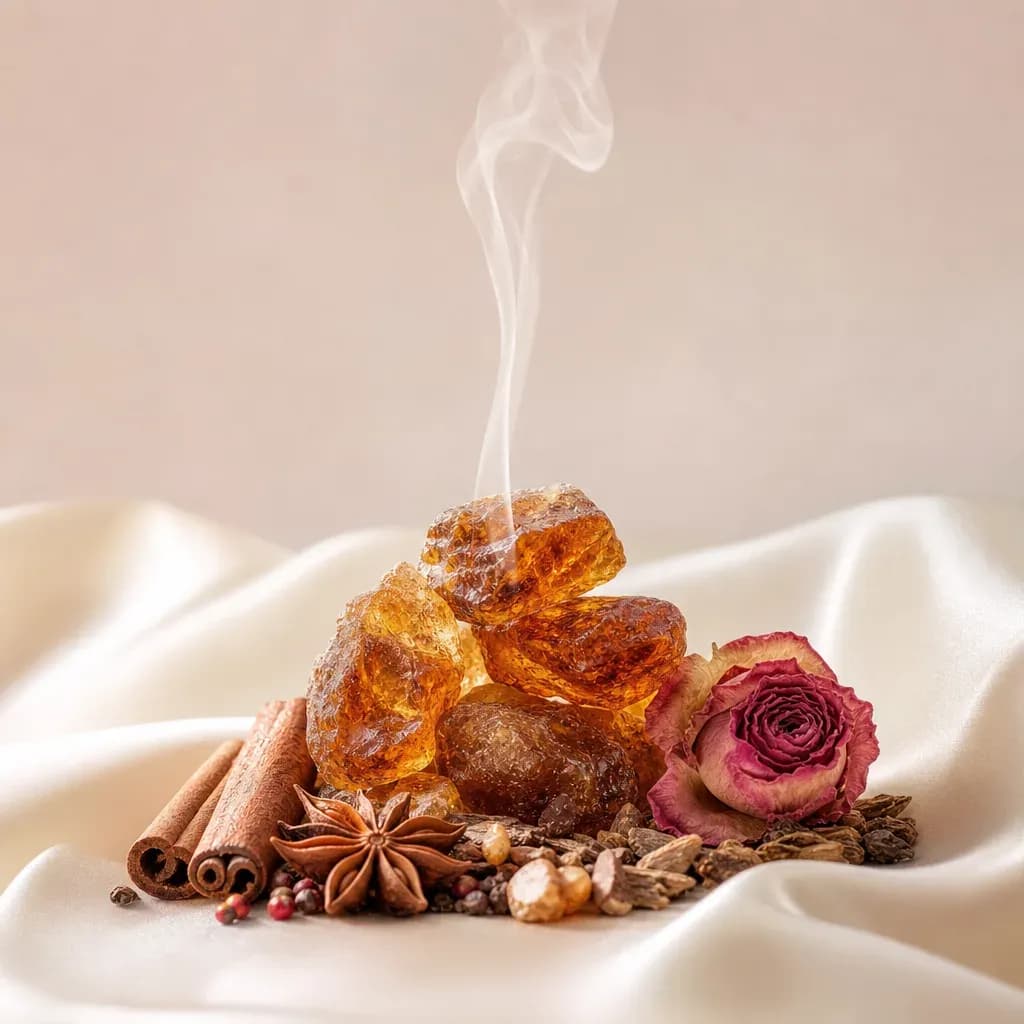
Families, notes and olfactory facets in perfumery
The Aromatic family
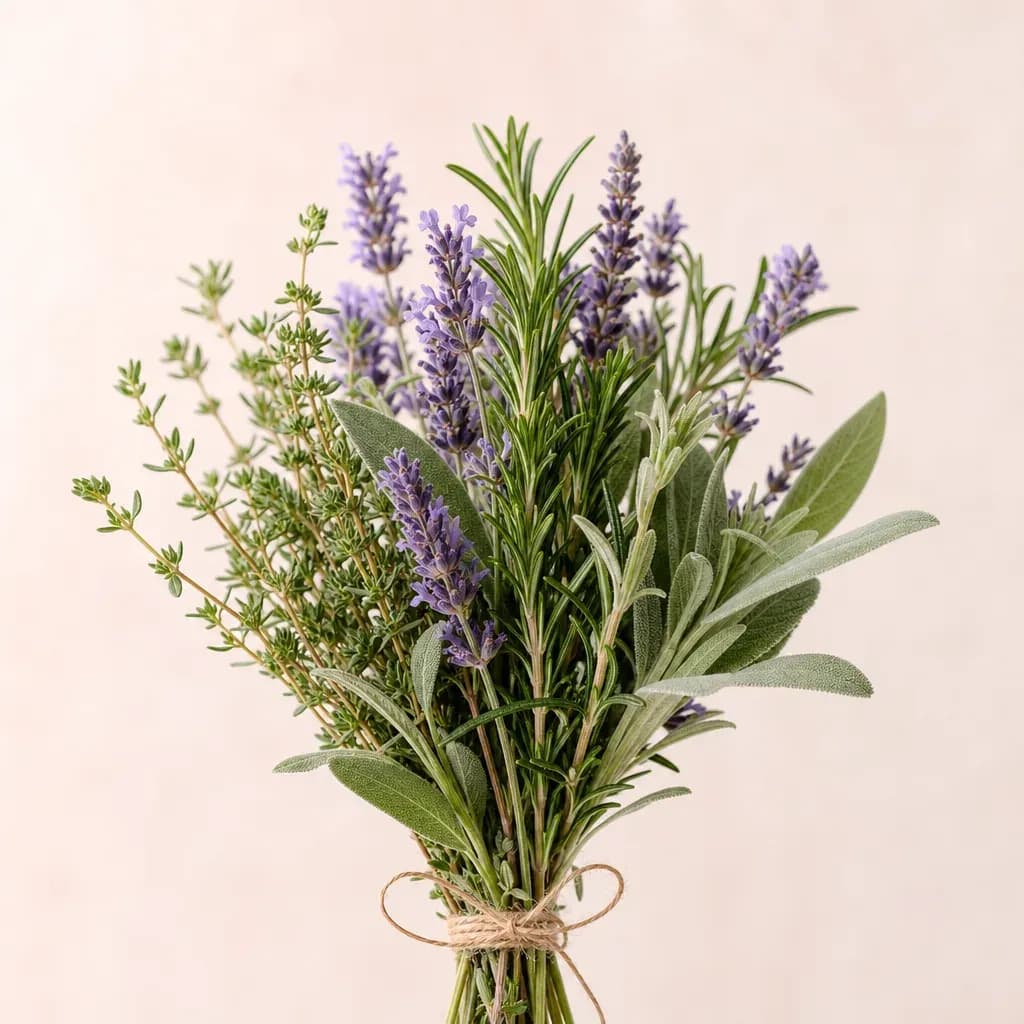
As its name suggests, the aromatic family is composed of ingredients such as sage, thyme, rosemary or lavender… In other words, aromatic herbs. Generally, this is a family typical of men's perfumes. Indeed, it gives off a very virile character. This category is also called agrestic. Nevertheless, it is often not alone and is generally accompanied by citrus accords, that is to say very fresh and invigorating, or spicy ones, more fiery and impertinent.
The Woody family
The woody family is warmer and more opulent. It often appears in the base notes of perfumes, following fresh, citrus or lavender notes. The main ingredients of this category are sandalwood, patchouli, cedar and vetiver. These are typical of men's perfumery. Nevertheless, some women's perfumes, such as Mademoiselle Ricci, belong to this family. It contains warm, dry and elegant accords. Nevertheless, the woody family can take on multiple facets, sometimes more aromatic, sometimes leathery, marine, fruity or musky. What is more, it should be noted that woody notes are excellent fixatives and give body and substance to the perfumes that contain them.
The Chypre family
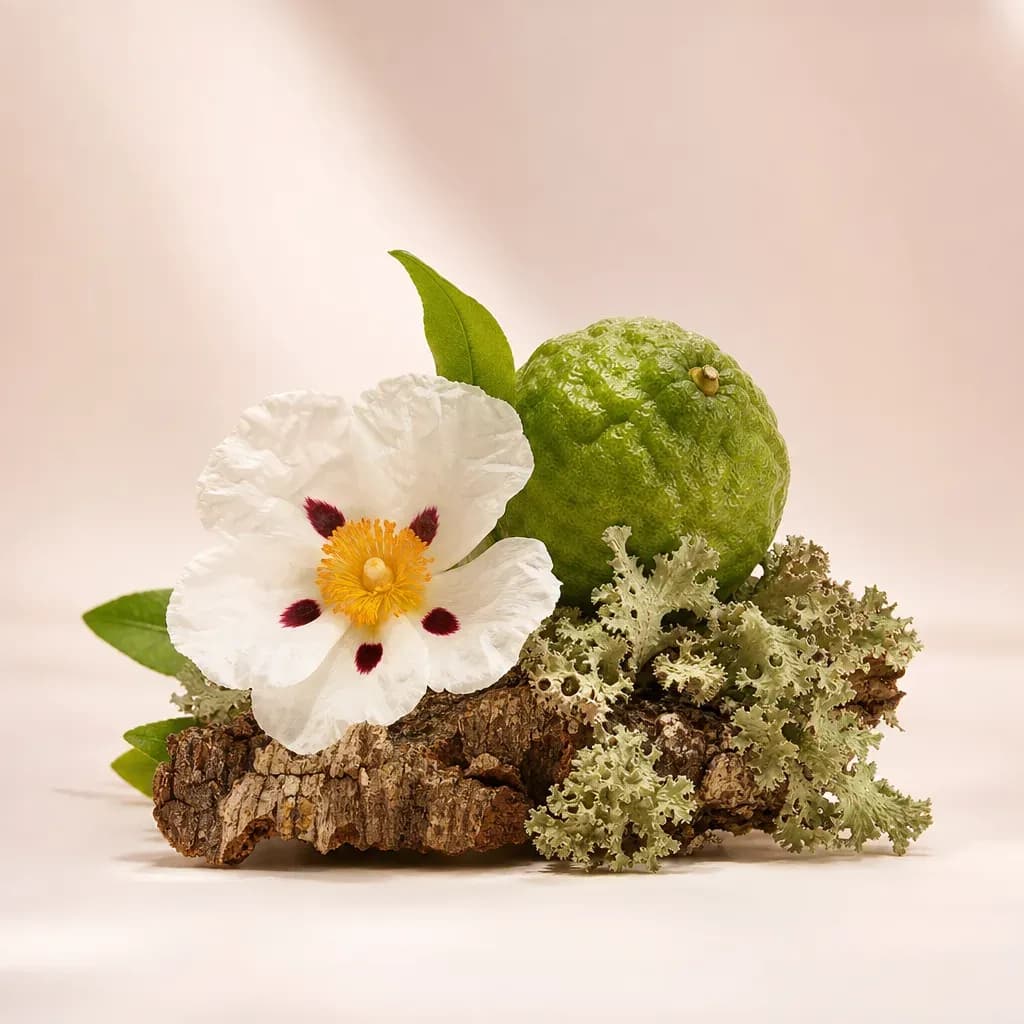
The chypre family is mainly based on accords of oakmoss, labdanum cistus, patchouli or bergamot. This rather enigmatic name comes from a perfume by François Coty, named Chypre, released in 1917. Indeed, its success made it the leader of a large family based on its olfactory accord. Chypre perfumes are particularly identifiable. In fact, these are perfumes of character and thus easily recognizable. Nevertheless, they are often softened by other accords that complete their composition, such as a fruity or floral touch.
The Floral family
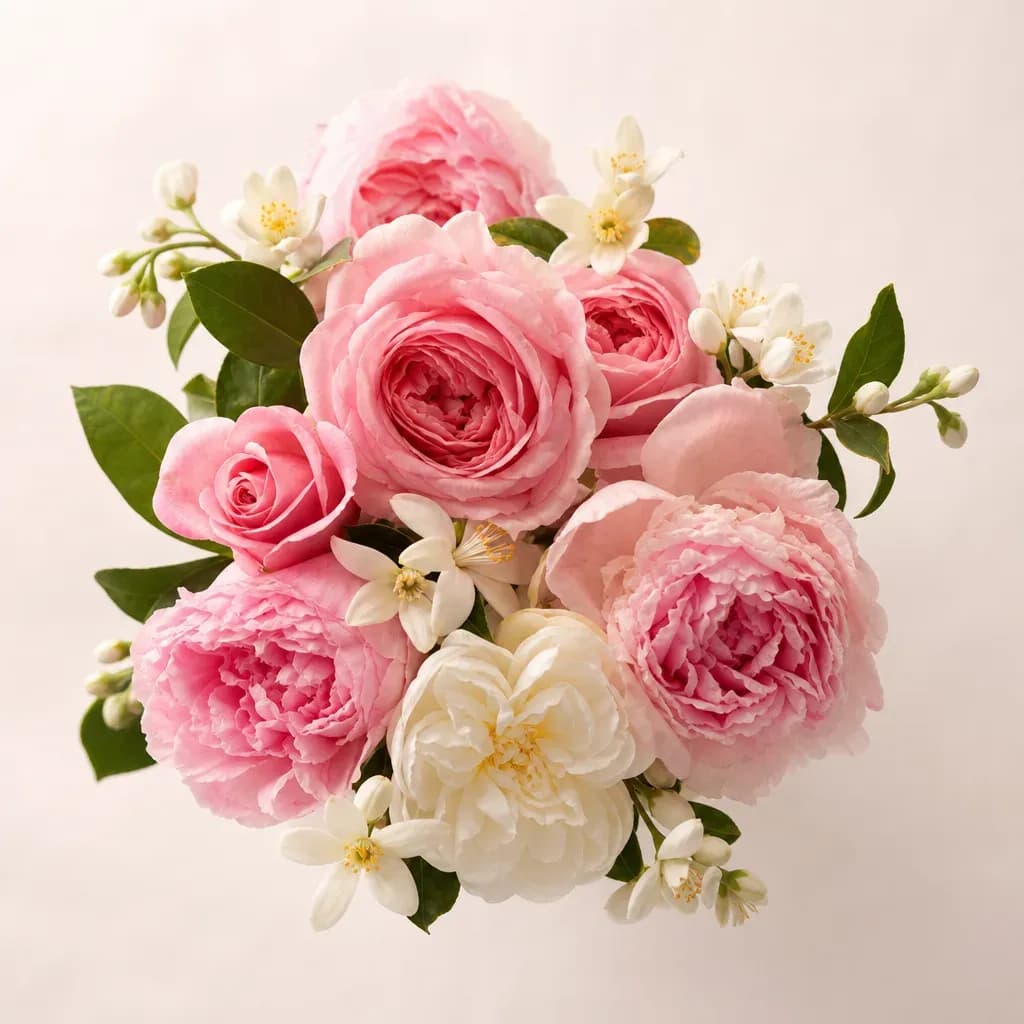
Among all the olfactory families, the floral category is undoubtedly the most important. Indeed, it brings together all perfumes whose main theme is a flower or a floral bouquet. As one might guess, the floral family is an integral part of women's perfumery and highlights ingredients such as jasmine, rose, violet, narcissus, tuberose, lily of the valley, lilac… It may involve a soliflore or a blend of several plants. These are often accompanied by greener, aldehydic, fruity or spicy tonalities. This olfactory family is characterized by a very natural and fresh harmony particularly appreciated by women.
The Fougère family
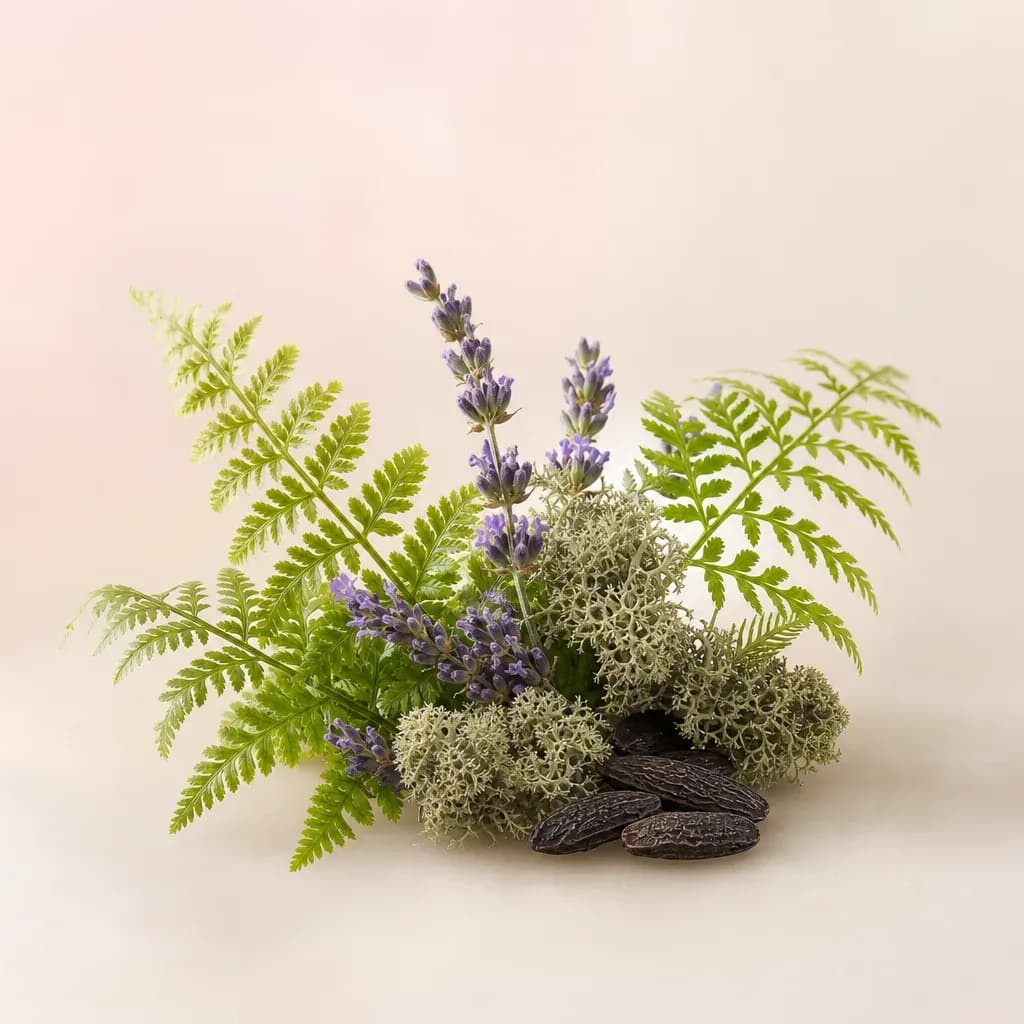
One should not assume that the fougère family releases a scent similar to that of the plant of the same name. This designation in fact brings together a whole set of lavender and woody notes associated with oakmoss, bergamot, geranium… Its name comes from a French men's perfume launched in 1882 called Fougère Royale. This opened the way for numerous fragrances that borrowed its name. The fougère category is typically masculine and can be worked in different ways, sometimes amber, spicy, aromatic or fruity.
The Citrus family
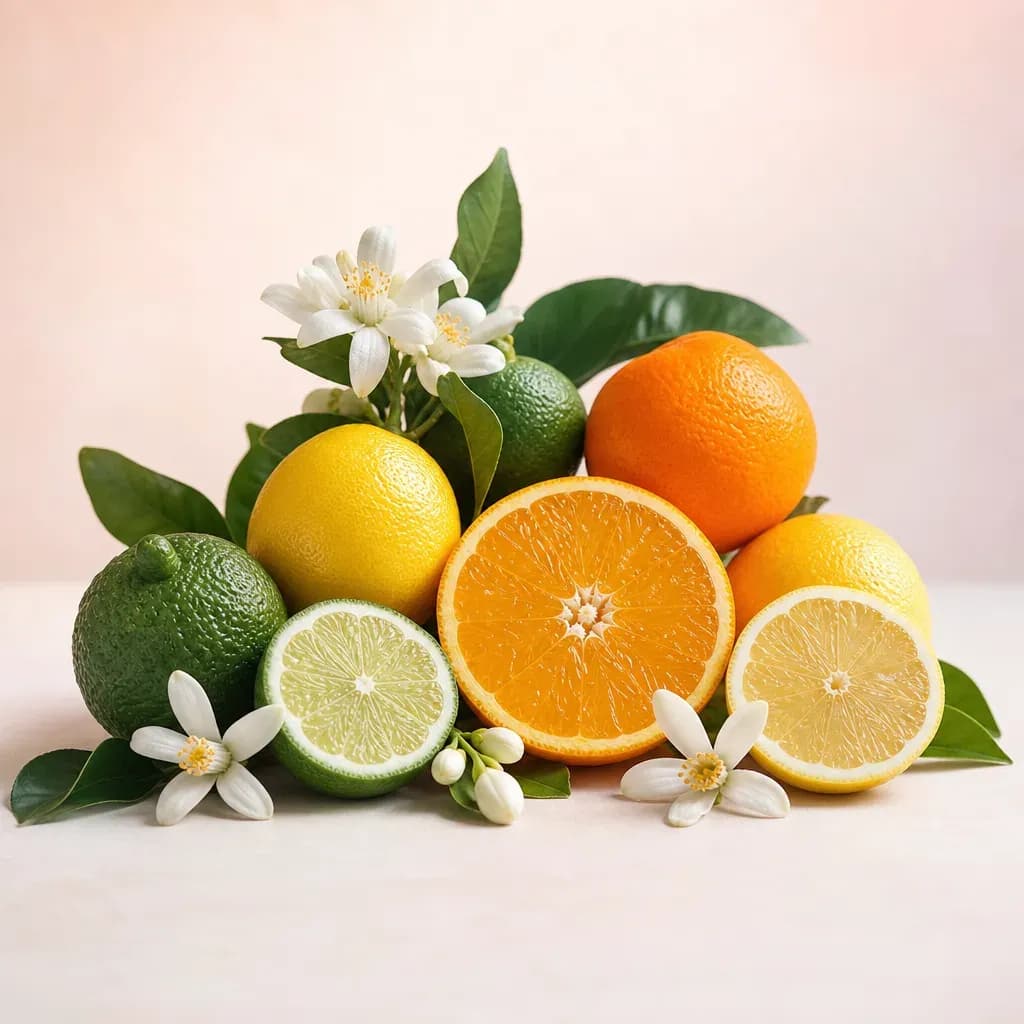
Citrus notes bring together a whole set of essential oils obtained by extraction from the zest of citrus fruits such as bergamot, grapefruit, lemon, orange or mandarin. Thus, the first citrus fragrances were none other than eaux de cologne. This category is very often found in the top notes of perfumes. It releases a fresh and light scent, particularly invigorating and highly pleasant for everyday wear. Nevertheless, for greater longevity and body, citrus effluvia are often accompanied by floral, chypre or woody accords. Today, almost all perfumes begin with this scent typical of citrus notes before being taken over by other facets.
The Oriental family
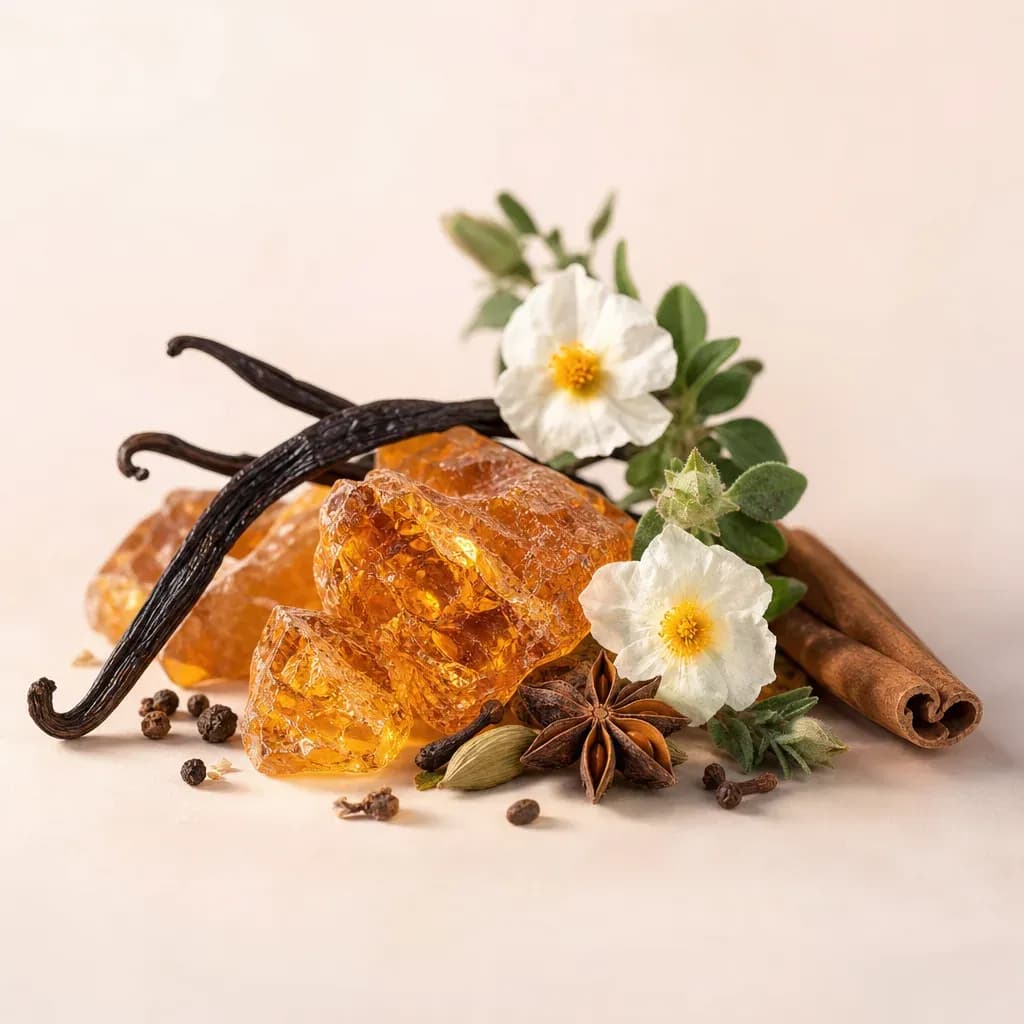
Orientals, otherwise called ambers, are soft, powdery and vanilla-laden perfumes. They also have a very pronounced animalic and sensual touch. They often contain musks, vanilla, amber, resin, tobacco, exotic spices and precious woods. While orientals are often accompanied by spicy or floral accords in women's fragrances, they are more often relayed by fresh aromatic notes in men's perfumes. In general, oriental or amber perfumes are synonymous with warmth and sensuality. They clearly play the game of seduction.
The Aldehydic facet
Aldehydes are synthetic molecules that also exist naturally in citrus zest. They are reproduced in the laboratory and come in different forms. Aldehydes are clearly recognizable and release a metallic, fatty, warm, more or less orange-tinted and soapy odor. The aldehydic facet of a perfume gives it power and a fresh lift. Most often, this facet is associated with a more floral part. The result thus becomes particularly airy, energizing and very elegant. It is mainly a facet found in the top notes of a perfume.
The Amber facet
Amber is a natural resin from a tree, first found in liquid form and which crystallizes in air through oxidation. Nevertheless, that substance is not used in perfumery. In reality, what is called the amber facet concerns rather an accord bringing together balsamic notes. An amber composition notably contains vanilla, benzoin, musk and labdanum. It should also be noted that the most famous amber accord in the history of perfumery is none other than that of Shalimar, the legendary perfume by Guerlain. The amber accord is known for creating a true second-skin effect. It is highly sensual and particularly addictive.
The Leathery facet
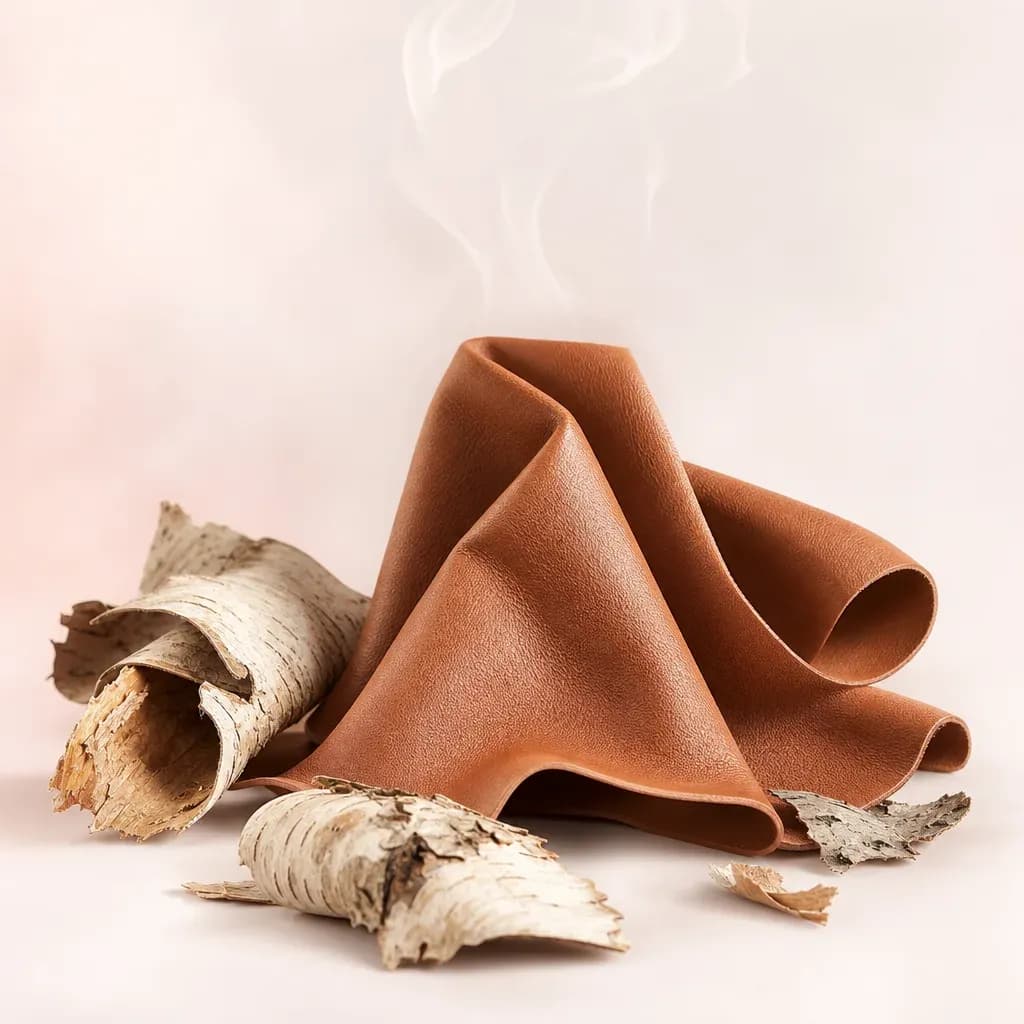
The leathery facet is known for its animalic and particularly sensual character. It gives off a soft, warm and feline odor. Fragrances that contain it are particularly opulent and heighten the sensuality of the person who wears them. They resemble a precious fur and often come to enhance the elegance of oriental compositions. The first leathery notes were created by master perfumer-glovers from Grasse through the infusion of leather scraps. This category stands out in particular for its powerful character and satisfies the tastes of connoisseurs of perfumery and lovers of long-lasting perfumes.
The Spicy facet
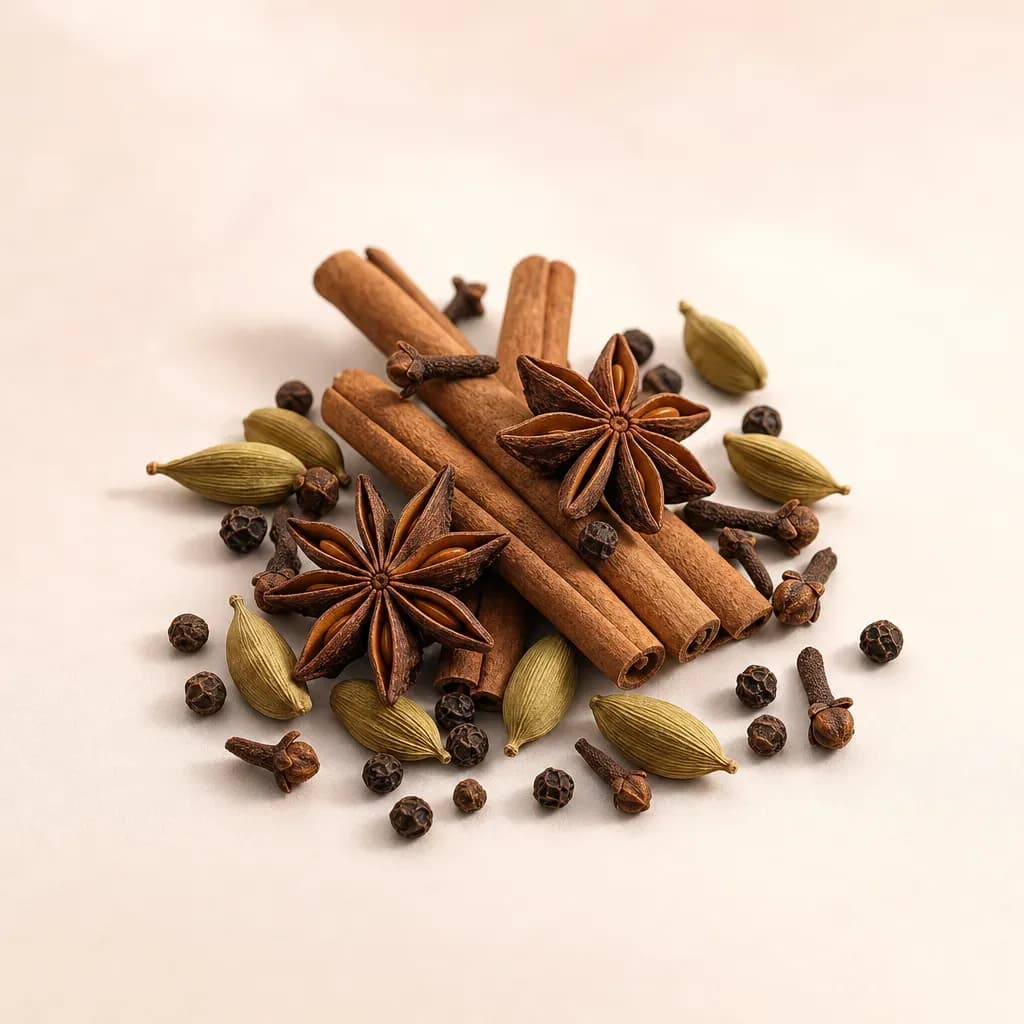
Spicy facets are typical of oriental perfumes. They are characterized by a refined, intense and vibrant style. Spicy notes give a warmer character to the fragrances that contain them. They lend the whole composition exotic, impertinent and captivating accents. Spicy notes are often the signature of a fine composition and combine ingredients such as cinnamon, cardamom, pepper, pink pepper or ginger. The spicy facet is often paired with woodier tonalities for a particularly enveloping result. Among all perfumers, Serge Lutens is a devotee of this facet. Likewise, Opium by Yves Saint Laurent is one of its best-sellers.
The Fruity facet
Fruity facets are highly appreciated, especially by women. They bring originality to the perfumes that contain them and reinforce their modernity. Nevertheless, it should be known that most fruity scents are reproduced synthetically in the laboratory. Among the most commonly used are red fruits, melon, peach and apple. The fruity facet makes it possible to create particularly gourmand perfumes, at once innocent yet irresistibly appealing. Thus, fruits are increasingly replacing traditional floral bouquets at the heart of feminine perfumed compositions.
The Gourmand facet
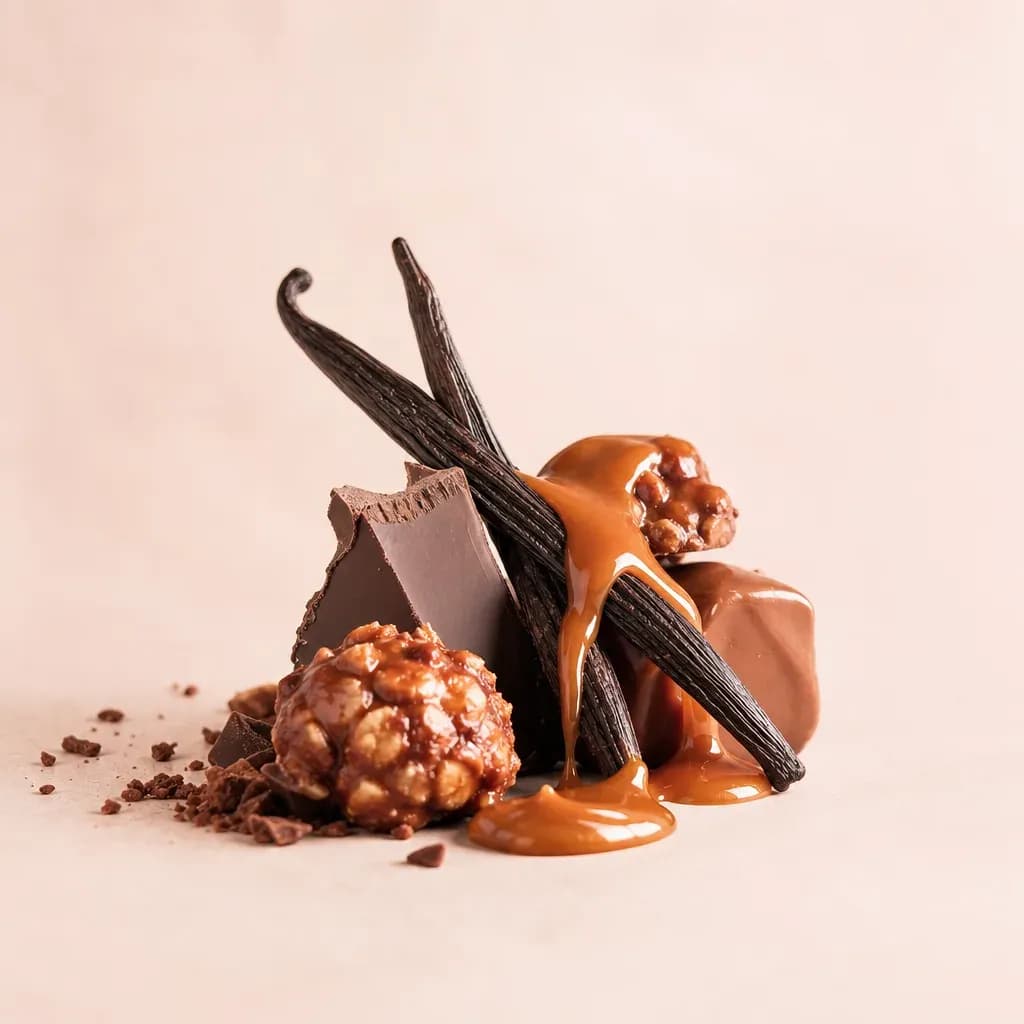
The gourmand facet was introduced by the famous perfume Angel by Thierry Mugler. It was the very first to seek to create a scent recalling the smell of something edible. This idea seemed far-fetched at first but opened the way for numerous other perfumes. Today, women are particularly fond of gourmand fragrances. These combine sweet, vanilla, praline, fruity and always food-like notes. The gourmand facet leaves behind a skin that is enticing, edible, ideal for women who love leaving behind an absolutely unforgettable scent. It should also be noted that caramel-based bases are increasingly present, a true treat for a pure moment of happiness!
The Marine facet
The marine facet is particularly appreciated by the male population. As its name suggests, it leaves behind an aquatic scent, particularly fresh and invigorating. It is always reproduced using synthetic molecules. Most often, marine perfumes contain calone, an artificial ingredient with an aqueous odor, almost evocative of watermelon, melon or the seaside. One could almost sense the iodized air typical of sea spray. The marine facet has the good scent of the open sea and inspires a longing for freedom. It encourages one to turn toward wide open spaces as if to better center oneself.
The Musky facet
The musky facet is undoubtedly one of the most suave scents there is. Musk is originally an animal product. Nevertheless, it is today reproduced synthetically and helps create natural, very sensual and delightfully addictive perfumes. Musk can then be dosed to a greater or lesser degree. However, it must always be the work of a perfumer with exceptional skill, as it can quickly become heady. When skillfully orchestrated, musk is a true delight for the senses. While it is often present in the base notes of perfumes, it is sometimes placed at the heart of compositions. The musky facet is a concentration of sensuality, perfect for delighting the most delicate senses and leaving in its sillage an almost erotic breath.
The Fresh facet
Highly appreciated by men, the fresh facet was initially used exclusively in men's perfumery. However, it has today become democratized and is now absolutely universal. This facet combines citrus fruits with a fresh-smelling molecule called dihydromyrcenol. Perfumes containing this odorous category leave behind a fresh, slightly fruity sensation over a long period. The fresh facet is particularly appreciated for its dynamism and its concentrate of vitality. It is generally found particularly in the top notes of perfumes to give them a very airy lift.
The Powdery facet
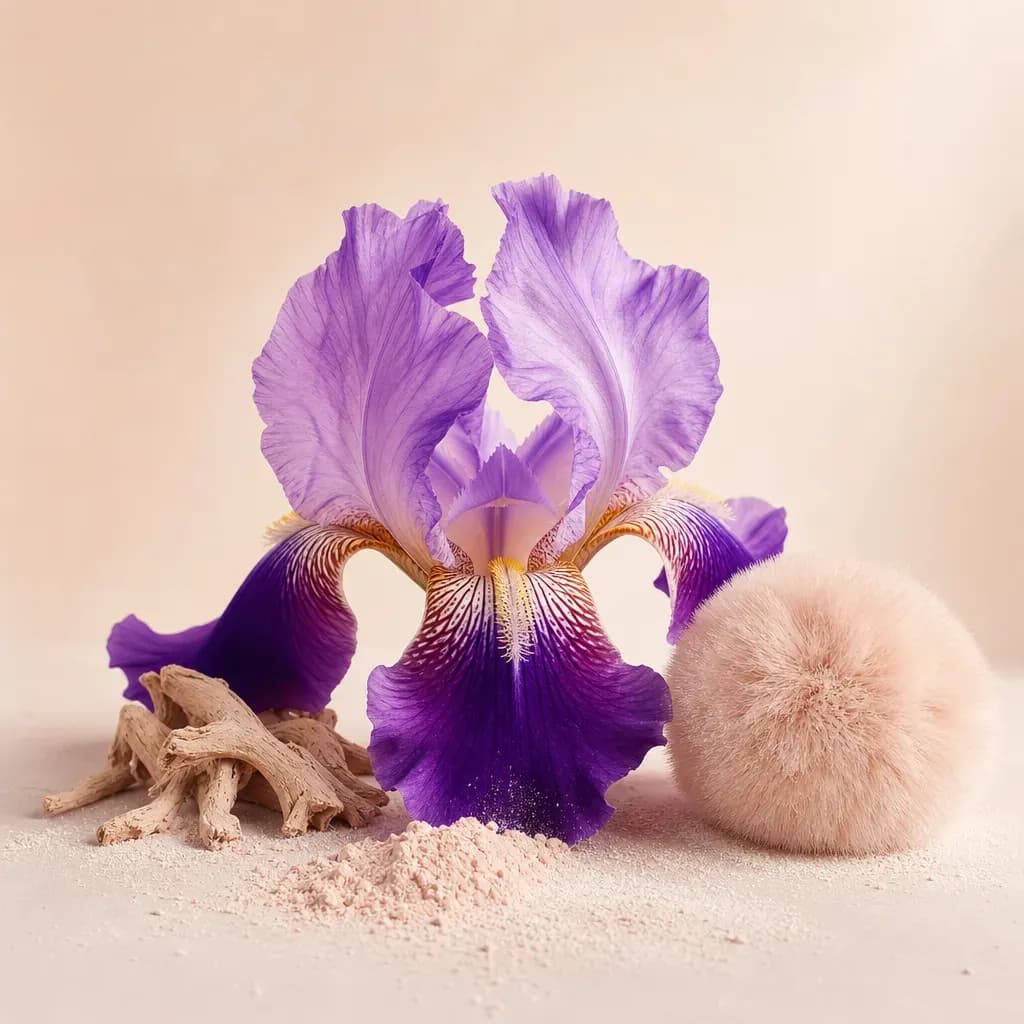
When speaking of the powdery facet in perfumery, one instantly thinks of iris. Indeed, this ingredient is one of the noblest in the entire palette of the perfumer and is considered the benchmark of this olfactory category. This plant gives off an absolutely unrivaled nobility. Likewise, violet contributes greatly to this effect. These ingredients leave behind a soft, cottony and tender sensation. What is more, their cosmetic aspect cannot help but evoke the scent of rice powders of days gone by.
The Green facet
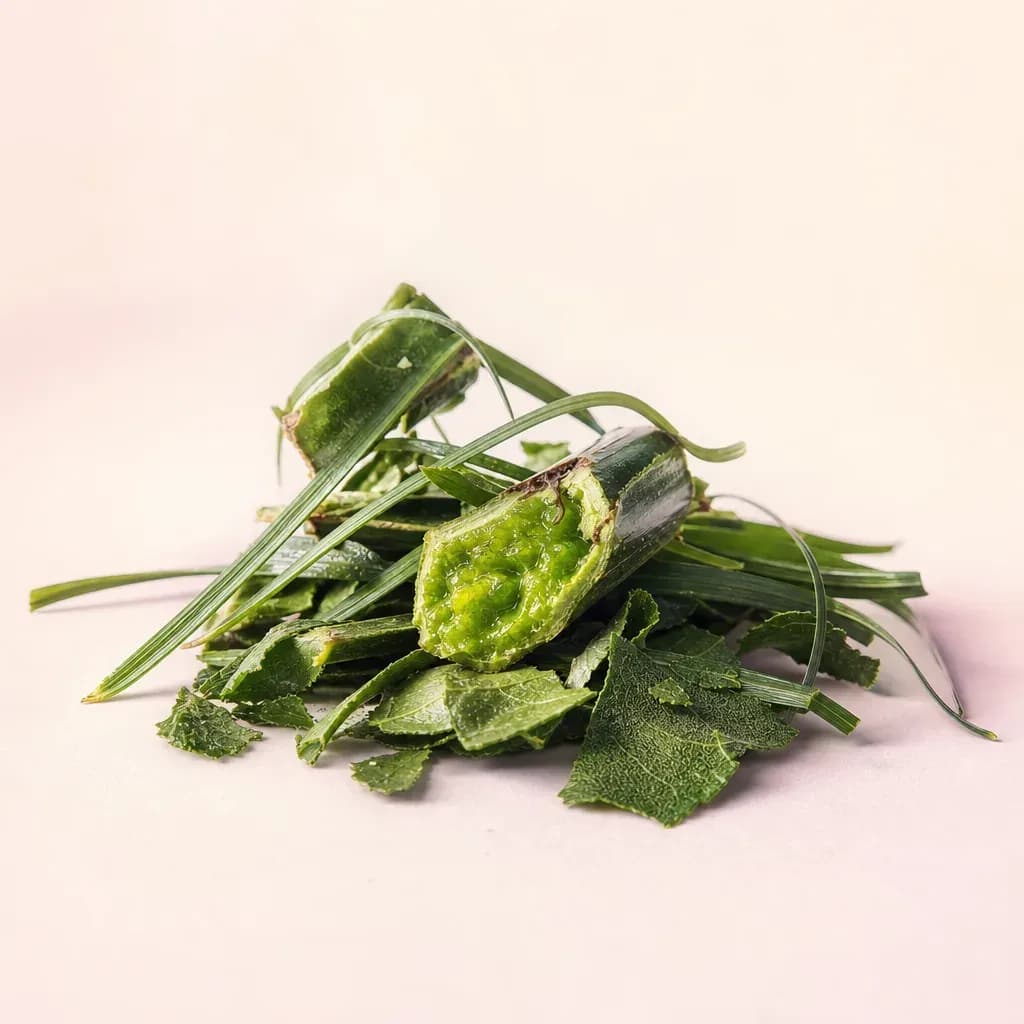
The green facet has several meanings. It can refer to vegetal perfumes with a very natural scent. Nevertheless, it can also refer to green fruits, not yet fully ripe and delivering a more acidic flavor. One of the emblematic ingredients of this facet is galbanum. It leaves behind a vegetal, earthy, resinous sensation that is nonetheless somewhat sharp. In general, perfumes made up of green facets are paired with more floral or chypre tonalities.