
Acqua di Gio Eau de Parfum Intense
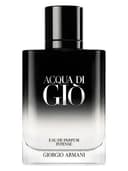
Where to buy
Nobody asked, nobody waited, and here we are, the one hundred and second version of Acqua di Giò. This disillusioned comment on Fragrantica, posted a few hours after the announcement in early 2026 of Acqua di Gio Eau de Parfum Intense, sums up the mindset of a good portion of the fragrance community faced with this release. Hundred-second is obviously a sarcastic hyperbole – there are fifteen to twenty official flankers depending on the counting method – but the underlying sentiment is quite real: since L'Oréal Luxe took over the license in 2000, Giorgio Armani has turned what was one of the most revolutionary and influential masculine perfumes in modern history (launched in 1996) into a franchise with regular variations, with a new flanker every twelve to eighteen months. This pace, widely discussed by reviewers, now raises a central question: what remains of the original identity in this proliferation?
To gauge the scale of this proliferation, let us take a complete inventory of the Acqua di Gio family as of January 2026: Main EDT/EDP/Parfum line: Acqua di Gio Pour Homme EDT (original 1996), Acqua di Gio Absolu (2003), Acqua di Gio Essenza EDP (2012, discontinued), Acqua di Gio Absolu Instinct (2017, discontinued), Acqua di Gio EDP (2022), Acqua di Gio Parfum (2023), Acqua di Gio Elixir (2024), and now Acqua di Gio EDP Intense (2026). Profumo/Profondo line: Acqua di Gio Profumo (2015, discontinued 2023 but considered by many the best flanker ever created), Acqua di Gio Profondo EDT (2020), Acqua di Gio Profondo Lights (2023), Acqua di Gio Profondo EDP (2024 – simply a rebottling of the EDT according to several reviewers), Acqua di Gio Profondo Parfum (2024). Not counting regional limited editions, exclusive sets, and refillable versions presented as novelties when they mainly differ by a magnetic cap. In total, we have at least fifteen different iterations of Acqua di Gio marketed between 1996 and 2026, nine of which were released between 2020 and 2026 (six years). That is 1.5 flankers per year over the last six years — a pace with no real equivalent in designer perfumery.
Pantelleria 1996: mythological genesis of an aquatic revolution and the accidental birth of the blockbuster that would change the industry
The original story deserves to be told one last time before it drowns completely under the flood of soulless flankers. In 1995, Giorgio Armani, then sixty-one years old and at the peak of his fame as a couturier (he had been dressing Hollywood since the 1980s: Richard Gere in American Gigolo 1980, Michelle Pfeiffer in Scarface 1983, the entire international jet set), was staying, as he did every summer, on the island of Pantelleria, a small Italian volcanic jewel lost in the Strait of Sicily, closer to Tunisia (70km) than to Sicily itself (100km). Pantelleria is not a mass-tourism destination like Capri or the Amalfi Coast – it is a discreet refuge for artists, intellectuals, and celebrities seeking isolation: Madonna owns a property there, Sting recorded albums there, Gabriel García Márquez wrote there. The island has a harsh, almost austere beauty: black volcanic rocks plunging into an intensely cobalt-blue sea, Zibibbo vines (Muscat of Alexandria) growing in hollows carved into the lava for protection from the ever-present wind, traditional dammusi houses with thick dry-stone walls and domed roofs built to withstand storms.
It is this Mediterranean that Armani wanted to capture olfactorily: not the glamorous, artificial French Riviera of yachts and casinos, not the postcard Greece of white sand beaches and blue-and-white whitewashed villages, but this primal, elemental Mediterranean where man directly confronts the wind, the salt, the sun, the scorching rock. The fragrance for men is a scent of freedom, full of wind and water, the official Armani communication would state. In 1995-1996, the masculine market was still dominated by classic aromatic fougères (Drakkar Noir 1982, Cool Water 1988, Davidoff Cool Water 1988) or heavy orientals (Obsession for Men 1986, Kouros 1981). The idea of a masculine perfume built around marine-aquatic notes was still experimental: Escape for Men Calvin Klein 1993 had attempted it with moderate success, but nothing had truly exploded commercially in that direction yet.
Armani entrusted the project to a triumvirate: Alberto Morillas (then at Firmenich, already famous for CK One 1994), Annick Menardo (Firmenich, a specialist in powerful orientals), and Christian Dussoulier (also Firmenich). Morillas, born in Spain in 1950, was the lead nose on the project. His olfactory strategy was brilliantly simple: build a pyramid dominated by Calone (a synthetic marine-watermelon molecule discovered by Pfizer in 1966, used extensively in 1990s aquatics) paired with luminous Mediterranean citrus (Calabrian bergamot, lemon, lime, mandarin, neroli) and light white flowers (jasmine, freesia, cyclamen) over a discreet base of woods-musks (cedar, oakmoss, patchouli, white musks). The result is a saline-aquatic freshness never seen before in masculine perfumery: the olfactory impression of a sea breeze laden with salt spray mixed with the scent of sun-warmed skin with a hint of crushed lemon zest. It is immediately identifiable, memorable, addictive. The frosted turquoise-blue glass bottle evoking crystalline water completes the perfect visual identity.
The 1996 launch was an immediate commercial tidal wave: Acqua di Gio instantly became the world's best-selling masculine fragrance, a position it would hold almost without interruption for twenty-five years (1996-2021, until the emergence of Sauvage Dior as the new champion). The figures are staggering: four bottles are sold every hour in the world claims a 2018 source – that is 35,000 bottles a year, probably an underestimate. At its peak in the 2000s, Acqua di Gio generated approximately 150-200 million dollars in annual sales in the United States alone. It is the signature scent of an entire generation of men born between 1970 and 1990: the first real perfume received as an eighteenth birthday gift, the perfume worn on a first serious romantic date, the perfume discovered in the father's bathroom and secretly borrowed. The story of Acqua di Gio Eau de Parfum Intense belongs to this prestigious lineage, but thirty years later, in a radically different context: the market is saturated, consumers are more wary, and every new release is met with exasperated sighs rather than enthusiasm.
2000-2015: three flankers in fifteen years, each with a distinct identity
During the first fifteen years after the launch (2000-2015), Armani/L'Oréal managed the Acqua di Gio line with relative restraint – at least compared to what would come after. Only three major flankers were created during this period: Acqua di Gio Absolu (2003), Acqua di Gio Essenza EDP (2012), and Acqua di Gio Profumo (2015). Each has a distinct olfactory identity and a legitimate creative purpose. Absolu 2003 replaces the fresh marine notes with warmer woody-amber-musky notes, creating a nocturnal-sensual version of the original DNA – it is the shift from the daytime Mediterranean beach to the nighttime Mediterranean terrace. Technically solid, commercially successful, creatively justified. Essenza 2012 (since discontinued, now a sought-after collector's item) intensifies the marine freshness with cascalone (a modern aquatic molecule more sophisticated than 1990s calone), adds green-herbaceous notes (basil, sage) and a woody-spicy base (vetiver, pepper, cedar) – it is a high-concentration EDP version of the original EDT, for those who found the latter too light and evanescent. Here again, the justification is clear: offer more performance without betraying the fresh identity.
And then came Profumo 2015, which would retrospectively become the absolute creative peak of the entire Acqua di Gio lineage – the flanker that nearly all connoisseurs today consider superior to the original, which very rarely happens. Alberto Morillas (still him, faithful to his post twenty years on) achieves a tour de force: retaining the recognizable aquatic-fresh DNA of Acqua di Gio while injecting a completely new aromatic-resinous-smoky dimension through incense. The bergamot plus marine notes top trio remains intact (fidelity to the origin), but the heart now features bourbon geranium plus rosemary plus clary sage (a sophisticated Mediterranean aromatic trilogy), and above all, at the base, a wildly elegant marriage of incense and patchouli: the incense brings a spiritual-contemplative smokiness that transforms the carefree summer freshness of the original into something more mature, deeper, more masculine in the noble sense of the term. It is the shift from the twenty-five-year-old jet-skiing in Capri to the forty-year-old man contemplating the sunset from a Sicilian terrace while sipping a negroni. Profumo was instantly hailed as a masterpiece by critics and consumers alike: An absolute masterpiece, This is the CEO brother of the Acqua di Giò siblings, All time favourite fragrance, read the Fragrantica reviews. The performance is finally adequate (7-8 hours, moderate but present projection), the opaque navy-blue bottle is luxurious, the premium price justified.
Had Armani stopped there – original EDT 1996, Absolu 2003, Essenza 2012, Profumo 2015 – the Acqua di Gio line would today be regarded as a model of intelligent management of an iconic franchise: four fragrances over twenty years, each with a clear identity and creative justification, covering the four major concentrations/occasions (fresh daily EDT, evening/night Absolu, enhanced-performance Essenza, mature sophistication Profumo). But the designer industry operates on logics of perpetual growth imposed by shareholders: L'Oréal Luxe must show ever-rising sales figures quarter after quarter, and the easiest way to achieve this is not to invent entirely new lines (risky, costly, uncertain) but to multiply minor variations of what already works (safe, profitable, predictable). The result: after 2015, the pace of releases accelerated, and Acqua di Gio entered its most proliferative phase — the one that now divides its community.
2017-2026: the acceleration, a release pace that changes scale
Between 2017 and 2026, Armani/L'Oréal released at least nine new Acqua di Gio flankers in nine years – some sources count up to twelve if rebottlings presented as novelties are included. That is one flanker per year on average, a pace hardly sustainable creatively. Absolu Instinct 2017 (quickly discontinued, immediately forgotten). Profondo EDT 2020 creates a deep sub-line supposedly evoking oceanic depths rather than the marine surface – a vague marketing concept translating olfactorily into a minor variation on the Acqua di Gio DNA with more patchouli-amber. Profondo Lights 2023 – a lighter version of Profondo, thus a lighter version of a variation of the original; we have reached the flanker of a flanker, the mise en abyme becoming dizzying. EDP 2022 adds green mandarin, clary sage, patchouli, incense – a list many reviewers directly link to Profumo, in a reading judged less accomplished. Parfum 2023 adds a smoky woods accord – once again, it is just Profumo slightly retouched. Profondo EDP 2024 and Profondo Parfum 2024 – two releases in the same year for the same sub-line, one of which is apparently just a rebottling with a magnetic cap, sparking anger among some buyers: Guys, I believe this is not a new release. I guess Fragrantica took the Rebottling as a new release. I smell the new bottle version and old bottle and they smell exactly same.
And now, in January 2026, comes Acqua di Gio Eau de Parfum Intense presented as a new intense interpretation while its pyramid largely reuses notes already known from the line: Calabrian bergamot (present in the original since 1996), green apple (a note unanimously loathed by the fragrance community, see below), marine notes (of course), clary sage (already in EDP 2022 and Parfum 2023), generic woody notes, generic amber. For a large share of reviewers, the whole thing amounts to an assemblage of pre-existing notes, without any clearly identifiable new proposition. Fragrantica comments show devastating cynicism: I'm waiting for the Acqua Di Gio Absolu Intense Elixir de Extrait cologne de Toilette, not this years one, the one they release a year after that has the same name but with the words on the bottle in different places so it confuses everyone. Anyway….which CDNIM is the best? 😂 (CDNIM = Club de Nuit Intense Man, a Creed Aventus clone sold for $30, the ultimate insult for a designer perfume priced at $120). Or again: Flankers having flankers is getting wild. Or: ill stick to the original aqua di gio edt. by releasing many flankers only cheapens the line. i thought elixir was the last flanker im glad i didnt buy it retail, now i see it everywhere above 50% off retail.
This last comment points to a crucial commercial problem widely documented by market observers: the excessive proliferation of flankers destroys the perceived value of ALL products in the line. When a consumer knows there are fifteen different versions of Acqua di Gio and that a new one will arrive in six months, why would they buy at full price? They wait for the Sephora 50% off sales that systematically arrive three to six months after launch because stores must clear stock to make room for the next flanker. Full-price retail purchase then loses its self-evidence for anyone aware of this cycle. Savvy buyers wait, and revenues collapse precisely because of this short-term strategy. It is the olfactory equivalent of fast fashion: produce too much, too fast, devalue the brand, create a mountain of products nobody really wants. Another reviewer bluntly sums it up: I'm boycotting any new Acqua di Gio or Codes. Armani is not going to get another cent out of me until they come up with a new & different fragrance line. Nothing but a total cash crab and trying to trick & deceive consumers.
Successive reformulations: the 1996 original across batches
Beyond the proliferation of flankers, the other major scandal of Armani/L'Oréal's management of Acqua di Gio concerns the constant reformulations of the original EDT itself. Between 1996 and 2026, Acqua di Gio Pour Homme EDT has been reformulated at least four or five times (some collectors count seven), mainly for two reasons: (1) IFRA regulations progressively banning certain molecules (notably natural oakmoss, which gave depth to the base), (2) cost optimization by replacing costly natural ingredients with cheap synthetics. The result is that the 2026 Acqua di Gio no longer smells at all like the 1996-2005 Acqua di Gio. A reviewer owning a 1999 bottle and a 2024 bottle compares them: The difference is insane. Whilst the 1999 one projects and lasts a decent amount (4hrs), the 2024 one lasts one hour, or less than an hour in hot summer days. The smell is somewhat simplified too. The older one has much more complexity and depth, while the new one is only a generic citrus-aquatic fragrance.
This progressive degradation of the original has created an obsessive subculture of batch hunting, where collectors desperately try to identify the good batches (pre-reformulation X) versus the bad ones (post-reformulation Y) by decoding the microscopic production codes printed on the bottom of bottles or under boxes. Endless discussions on Reddit r/fragrance and Basenotes debate: does batch FIL C420 smell different from C418? are bottles with the name Giorgio Armani written at the top versus the bottom different formulations? should one stock up on Profumo before it is discontinued? It has become a game of olfactory Russian roulette where buying a bottle of Acqua di Gio amounts to hoping for a good recent batch versus a bad, diluted-weakened one. A reviewer remarks ironically: May have been living under a rock, but I didn't realize they had reformulated the fragrance that drastically from the 23 to the 24 batches. Between the multiplying flankers and the reformulations degrading the original, the average consumer literally no longer knows what to buy. Confusion is total — and while it may serve the brand in the short term, it feeds buyer distrust over time.
A telling fact: in 2024, Armani released a 2024 reformulation version of the original EDT, supposedly meant to fix the catastrophic performance problems of the previous version by returning closer to the classic formula. Reviewers confirm: Wow Mr Morillas probably heard all the complaint about ADG and came and fixed the weak problem and brought back the original stronger in 2024 batch, Wow now i can certainly say i have the 1996 one again. And: The 2024 version has much improved longevity, especially for a freshie, It's at least a 6 hours fragrance now. So Armani implicitly admits that the 2018-2023 versions were objectively poor (1-2 hour longevity instead of 4-6 hours) and attempts a belated correction... but without official communication on the matter: buyers of the 2018-2023 vintages were neither informed nor compensated. This silence, set against the sustained pace of new releases, feeds among reviewers the sense that the stability of the original formula is not the line's priority.
Molecular breakdown of EDP Intense: historic bergamot, divisive green apple, omnipresent marine notes
Let us now analyze the specific olfactory composition of Acqua di Gio Eau de Parfum Intense 2026, keeping in mind that no perfumer has been officially credited (Alberto Morillas is presumed but unconfirmed). The official pyramid comes down to six notes: Top = Calabrian bergamot plus Green apple; Heart = Marine notes plus Clary sage; Base = Woody notes plus Amber. Six notes for a new intense interpretation: a singularly tightened pyramid given the history of the line. Compare this with the original 1996 EDT, which featured twenty-four different notes (lime, lemon, bergamot, jasmine, orange, mandarin, neroli in the top; marine notes, jasmine, calone, rosemary, peach, freesia, hyacinth, cyclamen, violet, coriander, rose, nutmeg, mignonette in the heart; white musks, cedar, oakmoss, patchouli, amber in the base). The original was a complex symphony where each note played a precise role; EDP Intense embraces a far more economical composition, which reviewers will receive either as a refined choice or as an impoverishment.
Calabrian bergamot: heroic survivor since 1996, last tangible link to Pantelleria and symbol of Mediterranean continuity
Calabrian bergamot (Citrus bergamia) is the only note present absolutely continuously in ALL versions of Acqua di Gio for thirty years – it is the ultimate olfactory DNA of the line, the thread running through the decades and reformulations. Calabria (southern Italy, the tip of the boot) produces 95% of the world's bergamot thanks to perfect climatic conditions: well-drained volcanic soils, a Mediterranean microclimate tempered by the Ionian Sea, centuries-old agricultural expertise. Calabrian bergamot has a unique olfactory profile, recognizable among a thousand: bright citrus but not acidic-aggressive like lemon, slightly floral-herbaceous with facets almost reminiscent of Earl Grey green tea (Earl Grey tea is scented with bergamot oil), a sparkling-elegant freshness rather than a shrill one. Chemically, bergamot essential oil contains limonene (40-50%, fresh citrus note), linalool (10-20%, floral-lavender note), linalyl acetate (30-40%, fruity-pear note), bergapten (a photo-sensitizing furanocoumarin often eliminated from modern cosmetic formulas for dermatological reasons).
In Acqua di Gio, bergamot fulfills three simultaneous crucial functions: (1) Mediterranean signature – it immediately evokes southern Italy, terraced lemon trees, citrus sold at street markets, summer dolce vita; it is the geographic-cultural marker signaling this perfume comes from Italy and embodies Italian elegance. (2) Olfactory light – bergamot is the perfumery equivalent of a spotlight illuminating a scene: it creates brightness, clarity, luminosity that showcases the notes that follow. Without it, the perfume would be flat, dark, dull. (3) Smooth transition – between the initial alcohol of the spray and the marine heart that arrives 5-10 minutes later, bergamot ensures an elegant transition, avoiding too brutal a wall of marine notes effect. In Acqua di Gio EDP Intense, bergamot is probably present at around 8-12% of the formula (standard concentration for a citrus top note), perhaps as a natural essential oil (if Armani has not cut too many corners on costs) or as a reconstituted synthetic form with limonene plus linalool plus linalyl acetate (cheaper, more stable over time, IFRA-compliant without photo-sensitizing bergapten). The olfactory result will be very similar either way – modern synthetic bergamot is nearly indistinguishable from the natural to a non-expert nose.
Green apple: the most divisive note in recent masculine perfumery
And then there is green apple, a 2026 addition that instantly sparked outrage in the fragrance community. Who the hell decided at Armani to use green apple as a note for this fragrance? Can we please phase it out of perfumery already? There's tons of unused notes and blends on top of blends we could create for a new and unique DNA FFS, exclaims an indignant reviewer on Fragrantica, expressing the collective sentiment. In masculine perfumery, green apple became during the 2010s-2020s the cliché note par excellence, the marker of lazy, commercially-driven formulation devoid of any creative ambition. Why is it so hated? Because it never smells like real, crunchy-juicy green apple bitten into in a Norman orchard in autumn, but always and only that acidic-synthetic apple scent of green Haribo Dragibus candy, sugar-free Hollywood chewing gum, green apple freshness dish soap, green apple blast car air fresheners. It is a cheap, artificial, childish smell that immediately lowers the perceived quality of a perfume.
Chemically, the green apple accord in perfumery is typically built with ethyl 2-methylbutyrate (fruity apple-strawberry-pineapple note), hexyl acetate (green apple-pear, slightly herbaceous note), allyl caproate (pineapple-apple-tropical), cis-3-hexenol (cut green leaf note), sometimes damascenone (concentrated rose-apple-plum). None of these molecules come from real apples – they are all petrochemical syntheses crudely imitating certain fruity facets. The result smells like apple in the same way a five-year-old's drawing represents a horse: one vaguely recognizes the idea, but it is so simplified-caricatural that it bears no relation to reality anymore. And above all, green apple has become a marketing cliché precisely because it tests well in focus groups: show three scented strips to untrained consumers (A without apple, B with green apple, C very sweet), and a majority will pick B as fresh, modern, dynamic, pleasant. It is the note that appeals immediately on first contact without reflection, exactly as a pop hit appeals immediately compared to a Mahler symphony requiring concentration and maturation. Brands therefore use it systematically to maximize immediate appeal in store during the ten-second strip test – regardless of whether it smells cheap, what matters is that the customer buys on the spot.
Green apple invaded designer masculine perfumery from 2010 to 2020: Hugo Boss Bottled Tonic 2016, Versace Pour Homme Dylan Blue 2016, YSL Y EDP 2018, Paco Rabanne Invictus Victory 2021, Dolce & Gabbana Light Blue Forever 2021, Armani Code Elixir 2024, and now Acqua di Gio EDP Intense 2026. It is everywhere, it is systematic, it is predictable. A reviewer immediately draws the connection: An aquatic YSL Y EDP... Sounds like a perfect daily driver – in other words, for this reviewer, EDP Intense sounds like the meeting of Acqua di Gio and the apple note of Y EDP, two existing blockbusters. The presence of green apple in EDP Intense 2026 fits this market logic: it is a note that tests well with the general public, and its addition visibly responds more to an identified commercial expectation than to a compositional necessity.
Marine notes and clary sage: a heart in continuity with the 2022-2023 versions
The heart of EDP Intense combines marine notes with clary sage (Salvia sclarea). Marine notes first: in 2026, thirty years after Acqua di Gio 1996 invented the modern aquatic, marine notes in masculine perfumery have become the most worn-out cliché imaginable – the olfactory equivalent of the blues-rock guitar riff played in every bar for fifty years, or the film scene where the actor runs in slow motion while an explosion goes off behind him. Everyone does marine now: Davidoff Cool Water, Nautica Voyage, Givenchy Gentlemen Only Absolute, Paco Rabanne Invictus Aqua, Montblanc Legend Spirit, Issey Miyake L'Eau d'Issey Pour Homme, Carolina Herrera 212 Men Aqua, Lacoste L'Homme Lacoste, Bvlgari Aqva Pour Homme, and a hundred others. Marine no longer has any power of differentiation – it is just one of many in an ocean (literally) of indistinguishable perfumes all vaguely smelling of sea water plus citrus plus white musks. Acqua di Gio 1996 was revolutionary; Acqua di Gio EDP Intense 2026 is generic.
Technically, modern marine notes are built with specialized arochems: Calone (again, the 1990s dinosaur, Pfizer 1966, watermelon-marine-metallic note), Aquozone (an ultra-modern IFF molecule from the 2010s evoking salty, iodine-rich oxygenated water more realistically), Floralozone (Givaudan, transparent marine-floral), Evernyl (Givaudan, synthetic oakmoss slightly saline since the ban on natural oakmoss), Ambrox/Ambroxan (mineral maritime amber). In Acqua di Gio EDP Intense, one can presume the presence of Aquozone (explicitly mentioned in Profondo marketing as a state of the art aquatic molecule) combined with residual Calone and a base of Ambroxan. Olfactory result: standard marine-mineral-metallic freshness indistinguishable from fifty other aquatic perfumes. No originality, no surprise, just this smells like a generic aquatic men's perfume. The continuity with the house DNA is total — a safe choice fully assumed rather than a creative risk.
Clary sage (Salvia sclarea, a close cousin of culinary sage but with a different olfactory profile) is a Mediterranean herbaceous-aromatic plant cultivated notably in Provence, Crimea, and the Balkans for its essential oil used in fine perfumery. It has a complex scent that is simultaneously herbaceous-green (aromatic thyme-lavender facets), slightly fruity-musky (lactones giving peach-apricot nuances), and tobacco-dry hay (coumarin-amber notes). In masculine perfumery, clary sage brings aromatic sophistication that avoids the trap of one-dimensional marine freshness: it adds depth, character, a slightly rough, natural texture that humanizes the synthetic coldness of marine molecules. In the Acqua di Gio lineage, clary sage first appears massively in EDP 2022 and Parfum 2023 (as a premium-quality clary sage heart essential oil), so its presence in EDP Intense 2026 is absolutely not new but simply a recycling of the 2022-2023 formulas. We are going in circles. Sage could have been interesting if used in a novel, concentrated, dominant way – but here it is merely present as generic aromatic note number three, drowned in the whole. A waste of a beautiful ingredient in the service of a lazy formula.
Woody-amber base: notes left undetailed by the brand
The base of EDP Intense simply mentions woody notes plus amber, with no further precision. Not Virginia cedar, not Haitian vetiver, not Australian sandalwood – just woody notes. Not ambergris, not labdanum, not benzoin – just amber. This is the implicit admission that these notes are generic reconstituted synthetic accords, industrially assembled according to a standard formula without any noble natural ingredient or aromatic precision. Woody notes probably means: Iso E Super (an ultra-common IFF molecule with a cedar-amber-velvety woody note found in 90% of modern masculine perfumes, controversial since some people cannot smell it at all, so-called Iso E anosmia), Cedramber (IFF, a round-soft cedar-amber accord), Georgywood (IFF, crystalline-dry modern wood replacing now-regulated Kephalis), Javanol (Givaudan, creamy-milky synthetic sandalwood), perhaps Patchouli Coeur (a purified patchouli fraction eliminating earthy-camphoraceous facets to keep only the woody-amber-chocolatey aspect). In other words: a standard blend of interchangeable synthetic woods found in hundreds of designer perfumes.
Amber probably means: Ambroxan (already mentioned for the marine heart, an ultra-versatile molecule used simultaneously as marine AND as amber depending on dosage and context), Ambrofix (Givaudan, soft mineral-maritime amber), Amber Xtreme (IFF, vanilla-warm amber), Ambrettolide (Firmenich, soft high-diffusion musky-amber), perhaps Benzoin resinoid (Siam or Sumatra, balsamic vanilla-caramel resin, the only potential natural ingredient in this base). The olfactory result will be a generic amber-woody warmth, round-soft-enveloping, pleasant but totally anonymous – the standard base found in Bleu de Chanel, Dior Homme Intense, Paco Rabanne 1 Million, YSL La Nuit de L'Homme, and literally a hundred other perfumes. Zero originality, zero distinct identity. Armani/L'Oréal no longer even bothers to specify the exact notes, so much has this become standardized industrial assembly. We are far, very far, from 1996, when Alberto Morillas personally selected Yugoslav oakmoss, Indonesian patchouli, top-grade Virginia cedar. Today, the industry standard is standardized woody-amber bases supplied by major fragrance houses, diluted and bottled at scale — a production model that explains the olfactory kinship among many designer bases.
2026 reception: documented fatigue, from collectors to influencers
The reception of Acqua di Gio EDP Intense in early 2026 illustrates a documented shift in the relationship between designer perfumery and its public: skepticism is expressed simultaneously across three usually dissonant groups — passionate collectors (the frag-heads of Reddit r/fragrance, Fragrantica or Basenotes), occasional consumers, and specialized influencers whose business model nonetheless relies on novelty. One comment sums up the dominant tone: thank you armani for ADG profondo EDP. Now we need ADG profondo ligths absolu elixir intense noir EDT... Thank you. This community had long supported the line — the EDT defended in the 2000s, Profumo celebrated in 2015 as a peak — before changing tone between 2020 and 2026: the density of releases, the cycle of rapid markdowns following each launch, and the 2024 Profondo rebottling episode recur as the main grievances, up to the vocabulary of boycott in some comments.
On the general public side, the difficulty is first practical: with about ten references simultaneously on shelves (EDT, EDP, Parfum, EDP Intense, Profondo EDT, Profondo EDP, Profondo Parfum, Profondo Lights, Elixir, Absolu), buying back the Acqua di Gio of before means navigating a range that has become dense, at the risk of ending up with a different version than the one remembered. The stakes are also emotional: the success of 1996-2010 was largely built on generational transmission, from father to son, and this olfactory continuity is weakened by the multiplication of versions and reformulations. A testimonial published on Fragrantica offers a striking illustration: My dad just got it as a Novy God gift. Smells like a hospital.
Perhaps the most telling signal comes from perfume influencers, whose activity relies on enthusiasm around releases: when Jeremy Fragrance (1.8 million YouTube subscribers) titles a video Acqua di Gio EDP Intense... REALLY? 🤦♂️, irony replaces promotion. Meanwhile, the market for 20-40 dollar inspired fragrances thrives precisely on the Acqua di Gio DNA, with specialized houses now openly embracing this positioning. A reviewer testifies: I always get complements for wearing AdG's any variation of its many flankers, only I'm not wearing Armanis.. Just the better well suited perfectly executed 7x cheaper clones of them out there 💀.
Who is EDP Intense for in 2026? Three profiles emerge. Historic loyalists first, who renew their usual Armani without necessarily distinguishing between versions. The safe-bet gift second — birthday, Father's Day, Christmas — a territory where the name's renown continues to carry weight. Opportunistic buyers last, who wait for the significant markdowns observed in the months following each launch in the line. In use, this is a daytime, mild-to-warm-season fragrance — spring, summer, early autumn, office, terrace, seaside — most comfortable between 18 and 28°C. On performance, the eau de parfum concentration raises hopes of 6-8 hours, but feedback on the line's latest releases places longevity more around 4-6 hours, with moderate projection in the first hour followed by a sillage close to the skin: a midday reapplication remains likely.
To place EDP Intense within its segment: Profumo 2015, if still findable, remains the line's benchmark for enthusiasts with its incense base; Dior Homme Cologne plays a discreet, elegant musky aquatic; Prada L'Homme offers a sophisticated fresh register built around iris and neroli; Hermès's Eau de Citron Noir sits at the top of the citrus-aquatic segment. Against these benchmarks, EDP Intense defends the continuity of a thirty-year-old DNA more than an original proposition. An in-store test is essential before any purchase: the very prominent green apple in the opening and a longevity reported as reduced by early feedback make the skin trial decisive — samples and decants allow one to form an opinion before considering a full bottle.
Olfactory pyramid
- Top notesThe first minutes
- Heart notesThe heart of the perfume
- Base notesWhat lingers
Share your impressions
Create an account to keep your votes and find your notebook.