
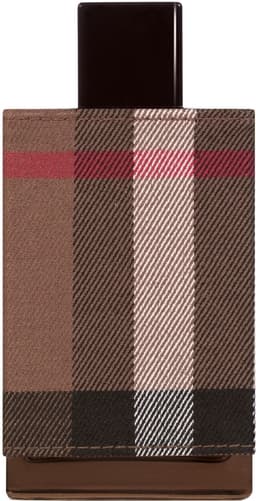
London pour Homme was released in September 2006, a few months after the women's version, under license from Inter Parfums. Antoine Maisondieu composed it at Givaudan around a leather accord that he likens to English clubs. Bergamot and black pepper open, lavender and cinnamon leaves warm the entrance, tobacco, guaiac wood and opoponax hold the base. The house gives it as woody amber; enthusiasts, for their part, smell December in it.
Twenty years on, readers of London pour Homme find common ground on a season rather than on a smell: December, the hearth, mulled wine. Opinions divide over the smell itself, and over what a winter bottle can be used for between March and October.
Olfastory’s review
Few fragrances hold as stable a reputation. Judgments written at launch and those published twenty years later describe the same scene, in similar words, which almost never happens with a widely distributed masculine.
The December accord, written from the outset
The first serious review dates from October 2006. It speaks of mulled wine drunk by a log fire, candied red fruits, a plum tart, and concludes on a smell made for the cold season.
Today's readers write nothing different. The nickname Christmas fragrance comes up everywhere, with the same uses: Christmas Eve, the family meal, the weeks between November and January.
A fruit absent from every list
The most widespread description among enthusiasts speaks of cherry tobacco or boozy tobacco. Cherry does not appear on any note list, and the comparison comes up too often to be an isolated fancy.
The explanation lies in the port wine that the original press release places in the heart. The most widely copied inventories having lost it along the way, most readers smell the fruit without ever reading the word that names it.
The tobacco itself meets with unanimous approval. No one finds cigarette or ashtray in it: detailed readings speak of aromatic pipe tobacco, a Victorian smoking room, a room where smoking has gone on for a long time, and hold London to be the best masculine signed by Maisondieu at Burberry.
What divides opinion
A minority of French readers hear mostly a floral in it. Sweet spices, lavender and mimosa form for them a delicately floral masculine, a reading that almost never meets the one centered on dominant tobacco.
Lavender also draws criticism. It gives the juice a barbershop quality and a gravity that younger buyers find dated, while others see in it exactly what sets London apart from the sweet masculines of its era.
The sillage strikes part of the wearers as short, prompting them to spray more without this posing a problem for anyone. The complaint comes up often enough to be noted, never enough to weigh on the overall verdict.
The low price of recent years muddles opinions. A discounted bottle is judged with leniency, and part of the current enthusiasm comes from the ratio between what the juice costs and what it delivers.
What remains open
No one dates the formula changes. Longtime wearers describe a gap between the 2006 bottles and the recent ones, no batch survey covers this reference, and the house says nothing about it.
The 2008 special edition and later flankers add to the confusion. A review rarely specifies which bottle it concerns, and two readers responding to each other are not always talking about the same juice.