
Infusion de Santal Chai
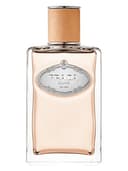
Infusion de Santal Chai: The Infusions by Prada look toward India. Launched in January 2026, this creation draws on Indian chai masala and pairs creamy sandalwood with a milky, spicy accord. A warm milk note enhanced with musk opens the composition, sandalwood occupies its heart, and musks extend the base.
Where to buy
Cardamom-citrus / masala chai-milk / sandalwood-musk: where exactly is the chai?
Infusion Santal Chai official Prada composition: cardamom, citrus / masala chai accord, spices, milk / sandalwood, musk. Marketing communication insists on a chai latte accord as the star-central element of the composition, creating a spicy-comforting gourmand character reminiscent of Indian masala. Prada's description on its official site: “spicy chai latte accord, cardamom adding an addictive and unexpected vibration to the composition,” “warm, comfortable woody notes merge with the spicy chai latte accord,” “chai latte accord, sandalwood, citrus, musks as key notes.”
The reality of testers' perception of chai? A total lack of unanimity, and a frustrating one. A Parfumo tester bluntly sums it up: sandalwood, not chai, NO CHAI, a nice enough sandalwood scent, nothing more. A Fragrantica tester details: solid, not something to love, honestly was hoping for a larger dose of chai, more creaminess; the creamy, lactonic aspect is very minimal if present at all, found it more soapy-powdery; the spirit of the original Prada Infusion Iris is still very much present here, drifting into slightly different territory; found the sandalwood to be a more prominent note than the chai spices. Another tester confirms: definitely a sandalwood scent rather than a chai scent, a decent, good powdery woody fragrance.
Authentic Indian chai masala contains cardamom, cinnamon, ginger, clove, black pepper, star anise — multiple, complex spices creating a warm, spicy, comforting, gourmand profile. Testers describe Santal Chai as follows: a blast of cardamom starts things off, then soft creamy sandalwood enters and sticks around, supported by white musks; mainly woody with hints of cardamom balanced and softened by a slight creaminess, a milk note in the background, not sweet, not gourmand; opens spicy but the drydown is very pleasant, creamy, lactonic sandalwood. Cardamom is the only spice clearly detectable versus the full masala promised. Cinnamon, ginger and clove are absent or imperceptible in the composition.
The lactonic milk promised by marketing is also disappointing, minimal. A tester specifies: the creamy, lactonic aspect here is very minimal if present at all, found it more soapy-powdery. A relevant tester comparison: strongly reminded of vintage Atelier Cologne Santal Carmin, only less creamy and lacking the saffron note — even the budget-friendly Atelier Cologne sandalwood-cardamom is creamier and more lactonic than Prada's luxury $190 offering. Fundamental problem: Prada has created a powdery sandalwood-Iris DNA typical of the Infusions line, rebranding it “chai” for marketing purposes without sufficiently adjusting the composition's spice, milk and gourmand character to justify the name and storytelling.
Catastrophic 2.27/5 longevity, $190 luxury price unjustifiable
Infusion Santal Chai performance on Fragrantica, January 2026: 2.27/5 longevity (average of 15+ votes), 1.50/4 sillage. This is catastrophic and unacceptable for an EDP concentration priced at $190 (€165–170), a luxury-prestige Prada release. For context on these disastrous performances, a comparison with other Prada Infusions in the line: the original Infusion Iris scores 3.08/5 longevity, correct-to-average performance; Infusion Fleur d'Oranger 3.16/5; Infusion Mandarine 2.95/5; Infusion Gingembre 3.05/5. Santal Chai's 2.27/5 longevity is the worst performance in the entire Infusions line.
Testers confirm disappointing performance with concrete details. One tester describes: longevity about average — but “average” for the Infusions line is already mediocre at 3.0/5, meaning Santal Chai's below-average catastrophic 2.27/5 translates in reality to 2-3 hours of longevity at most. Another tester mentions: longevity could be better, a polite euphemism for a performance disaster. Sillage of 1.50/4 means near-nonexistent projection, an intimate, discreet skin scent — acceptable for a subtle office fragrance at €50–70 but unacceptable for a luxury-prestige $190 EDP concentration where minimal projection and presence are expected.
The $190 USD price (€165–170 for 100 ml) positions it in the luxury-prestige segment. For comparison in the unisex sandalwood-woody-spicy EDP segment at €150–190: Tom Ford Santal Blush EDP at €180–220 delivers excellent 8–10 hour beast-mode performance; Hermès Santal Massoïa at €180–200 offers timeless sophistication and elegance with correct 7–9 hour performance; Chanel Sycomore EDP at €150–180 offers refined vetiver-sandalwood with solid 6–8 hour performance; Diptyque Tam Dao EDP at €120–150 offers sophisticated sandalwood-cedar with honest 5–7 hour performance. Santal Chai at $190 (€165–170) with 2.27/5 longevity and a real 2–3 hours of wear represents a catastrophic value-for-money ratio in this segment.
A tester sums up the price-performance problem perfectly: a decent, good powdery woody fragrance, assuming it's going to be available for $60–70/100 ml like others in this collection currently at discounters. Santal Chai is worth a maximum of €60–70 based on its objective quality and performance, yet Prada charges $190 (€165–170) retail — a premium of €100–110 that is unjustified and unjustifiable. A recurring pattern in contemporary luxury perfumery: multiplying prices by 2.5-3.0 times relative to actual value and performance, capitalizing on brand prestige, luxury packaging and exotic storytelling to mask objective mediocrity in composition and performance.
Cultural controversy over Indian chai: Prada appropriation after the 2025 Kolhapuri chappals controversy
The January 2026 launch of Santal Chai comes amid a sensitive context of tense Prada-India relations. Background on the 2025 controversy: Prada launched high-priced sandals resembling traditional Indian Kolhapuri chappals — accusations of cultural appropriation led to a PIL (Public Interest Litigation) filed with the Bombay High Court. The main criticism: Prada copying traditional Indian craftsmanship and selling a “luxury” version at exorbitant prices without acknowledging or compensating the original artisans.
Following the controversy, a Prada team visited India to study the craftsmanship in December 2025, signing an MoU (Memorandum of Understanding) with LIDCOM Maharashtra and LIDKAR Karnataka. The project, “Prada Made in India – Inspired by Kolhapuri Chappals,” combines traditional techniques with modern Prada design, bringing a contemporary twist to the iconic footwear. Reconciliation and collaboration replacing the original appropriation and exploitation.
The Santal Chai launch in January 2026, coming right after the resolution of the Kolhapuri controversy, raises similar questions about appropriation and respect for Indian culture. Chai masala is India's national and identity-defining beverage, carrying deep cultural and emotional significance for millions of Indians in daily life. Prada creating a “chai-inspired” fragrance priced at $190 (₹17,083) risks accusations of elitism, of commercializing a popular, accessible culture and turning it into an inaccessible luxury product for the very population it originates from.
Reactions from Indian media to Santal Chai are mixed and tinged with irony. India TV headlines: Prada launches chai-scented perfume with spicy notes, the cost could buy you a smartphone, highlighting the exorbitant price versus the accessibility of everyday chai. Social media comments are divided: some enthusiastic, omg want to try, love chai, Indian chai is interesting, others critical, every Indian product — kolhapuri chappal, paithani, food products, chai — is very great and perfectly useful all over the world, Made in India, suggesting cultural pride versus skepticism toward Western commercialization. Gulf News mentions: Prada continues its playful experimentation, this time turning one of India's most iconic flavours into a luxury fragrance — “playful experimentation” being a euphemism for potential cultural appropriation.
Infusion Iris powdery-soapy DNA versus the promised spicy-gourmand chai
The fundamental problem with Santal Chai's composition: Prada keeps the signature DNA of the Infusions line (Iris's powdery, soapy, clean, minimalist Italian character), rebranding it “chai” for marketing purposes without sufficiently transforming the composition to justify the exotic Indian name and storytelling. A tester immediately identifies the DNA: the spirit of the original Prada Infusion Iris is still very much present here, drifting into slightly different territory.
The original 2007 Infusion Iris by Daniela Andrier is an iconic, minimalist composition, signature of the Infusions line: iris, mandarin, neroli, cedar, benzoin, incense, vetiver, creating a powdery, soapy, clean, sophisticated profile that defines Prada's fragrance identity. Iris's performance, 3.08/5 longevity, is correct-to-average, reflecting Italian minimalism and elegance. Testers either love the timeless sophistication and refinement or dislike the soapy, cold, distant character, depending on sensibility and expectations.
Santal Chai in 2026 takes the exact same powdery, soapy, clean Iris DNA, adding cardamom at the top and sandalwood at the base, rebranding it “masala chai” for marketing purposes. But authentic Indian chai masala consists of multiple, warm spices (cardamom, cinnamon, ginger, clove, black pepper) plus milk, sugar and black tea, creating a gourmand, comforting, warm profile entirely opposed to the cold, powdery minimalism of Prada's Infusions. A tester sums up the contradiction: found it more soapy-powdery, versus the warm, spicy, lactonic, gourmand chai that was expected.
A relevant tester comparison: strongly reminded of vintage Atelier Cologne Santal Carmin, only less creamy and lacking the saffron note. Atelier Cologne Santal Carmin's composition of sandalwood, cardamom and saffron creates a spicy, woody warmth, whereas Prada Santal Chai's sandalwood, cardamom and powdery notes create a cold, soapy minimalism. Even the budget-accessible Atelier Cologne surpasses Prada's $190 luxury offering in creativity, gourmand character and warmth. Prada's strategic problem: wanting to capitalize on the chai-masala-Indian trend without abandoning the signature minimalist, powdery, Italian DNA of Infusion Iris results in a hybrid, unbalanced composition satisfying neither fans of the classic Infusions nor those seeking an authentic spicy, gourmand chai.
The Prada Infusions collection 2007-2026: twenty years, a line showing fatigue from proliferation
The Infusions line launched in 2007 with Infusion Iris, a critical and commercial success reflecting Italian sophistication and minimalism by Daniela Andrier. History of the Infusions proliferation from 2007 to 2026: Iris in 2007, Fleur d'Oranger in 2009, Vétiver in 2010, Tubéreuse in 2011, Homme in 2015 (masculine), Mandarine in 2015, Oeillet in 2016, Mimosa in 2017, Ylang in 2018, Gingembre in 2024, Vanille in 2024, Rhubarbe in 2025, Figue in 2024, Santal Chai in 2026.
A total of fourteen to fifteen main versions over nineteen years — a moderate proliferation at a steady pace of roughly one new Infusion per year. Prada's Infusions strategy is intelligent compared to the catastrophic proliferation seen in other lines: each Infusion targets a specific botanical note (iris, tuberose, vetiver, ginger, vanilla, sandalwood), creating a diversified collection rather than redundant flankers with merely cosmetic variation. But there is an accumulation problem: the Infusions line now counts fifteen references simultaneously in distribution — consumers and retailers left overwhelmed by excessive diversity and choice paralysis.
Santal Chai in 2026, the fifteenth reference in a nineteen-year-old line, raises the question of its relevance as an addition. Sandalwood as a botanical note has already been partly covered by previous Infusions (Vétiver contains sandalwood, Iris has a woody-sandalwood base). The “chai” angle is an exotic Indian marketing hook meant to distinguish the composition, but testers confirm the final result stays too close to the classic Iris DNA to justify its real existence and distinctiveness. A tester raises a relevant question: not sure it's full bottle worthy if you don't already own a fragrance with this scent profile — exactly the problem with a line saturated by fifteen references.
Better sandalwood-spicy-woody unisex alternatives for value-to-price performance at €70-170
Looking for a sophisticated sandalwood-spicy-woody unisex fragrance with correct performance on a budget of €70-170? There are infinitely better alternatives than the catastrophically performing Santal Chai (2.27/5) at its exorbitant $190 price.
Diptyque Tam Dao EDP (€120-150 for 75 ml): the absolute reference in the sophisticated, minimalist woody-sandalwood segment. A composition of sandalwood, cedar, cypress and myroxylon with timeless French elegance. Correct EDP performance of 5-7 hours longevity versus Santal Chai's catastrophic 2-3 hours. The price of €120-150 for 75 ml (€160-200 for 100 ml) is similar to Prada's $190, but Diptyque's sophistication and performance are markedly superior. For those seeking a truly sophisticated, minimalist sandalwood of real prestige and quality, Tam Dao is the obvious choice over Santal Chai's performance disaster.
Hermès Santal Massoïa (€180-200 for 100 ml): lactonic, creamy sandalwood with the absolute luxury sophistication of Hermès. Sandalwood, massoia, cardamom and milk create a creamy, warm, sophisticated profile. Excellent performance, 7-9 hours longevity, of superior Hermès quality. The price of €180-200 is similar to Prada's $190, but Hermès truly delivers the lactonic chai creativity that Prada promises but fails to deliver. For those wanting a sophisticated, luxurious sandalwood-milk-spice fragrance in the €180-200 budget, Hermès Santal Massoïa is infinitely superior to Prada's Santal Chai performance failure.
Tom Ford Santal Blush EDP (€180-220 for 100 ml): spicy, floral sandalwood with the absolute luxury sophistication and prestige of Tom Ford. A rich, complex, luxurious composition of sandalwood, fenugreek, cumin, jasmine, ylang, roses and cinnamon. Beast-mode performance, 8-10+ hours longevity with excellent projection. The price of €180-220 is higher than Prada's $190, but Tom Ford's quality, performance and sophistication largely justify the premium versus Prada's catastrophic 2.27/5. For a luxury budget of €180-220 seeking a truly exceptional spicy sandalwood, Tom Ford is the ultimate reference.
Atelier Cologne Santal Carmin (€70-90 for 100 ml Cologne Absolue): an accessible-budget, sophisticated, gourmand sandalwood, cardamom, saffron and iris with musks. A Santal Chai tester explicitly mentions being strongly reminded of vintage Santal Carmin, only less creamy and lacking the saffron note — Atelier Cologne at €70-90 surpasses Prada's $190 in creativity and warmth. Correct Cologne Absolue performance of 4-6 hours. The price of €70-90 saves €100-110 versus Prada's $190 while obtaining a creamier, spicier, warmer composition. A rationally obvious choice for the budget-conscious segment.
Chanel Sycomore EDP (€150-180 for 100 ml): vetiver, sandalwood, patchouli and aldehydes with timeless French sophistication and elegance. Solid EDP performance of 6-8 hours longevity of Chanel prestige quality. The price of €150-180 is slightly lower than Prada's $190, but Chanel's sophistication, performance and prestige are infinitely superior to Prada's Santal Chai failure. For absolute French elegance and prestige at €150-180, Sycomore is an established reference versus Santal Chai's flawed newcomer.
Original 2007 Prada Infusion Iris EDP (€100-130 for 100 ml): for those who truly want the sophisticated, powdery, soapy, minimalist DNA of Prada Infusions, buying the original 2007 Iris by Daniela Andrier is preferable to Santal Chai's cosmetic variation with catastrophic performance. Iris's performance, 3.08/5 longevity, is correct versus Santal Chai's disastrous 2.27/5. The price of €100-130 saves €40-70 versus Santal Chai's $190. A tester confirms that Santal Chai has the spirit of the original Prada Infusion Iris still very much present — one might as well buy the authentic, established, sophisticated original.
The brutal verdict (misleading chai marketing, catastrophic performance, unjustifiable price, avoid absolutely)
Infusion de Santal Chai 2026 represents a masterful failure of contemporary luxury perfumery: marketing promises a spicy, warm, cozy chai latte accord inspired by Indian masala, but delivers a powdery, soapy sandalwood, the classic Infusion Iris DNA rebranded “chai” through exotic storytelling without the olfactory substance to justify the name and its claims. Testers' consensus is brutally unanimous: sandalwood, not chai, NO CHAI; definitely a sandalwood scent rather than a chai scent; found the sandalwood to be a more prominent note than the chai spices; the creamy, lactonic aspect is very minimal if present at all, found it more soapy-powdery.
Catastrophic, unacceptable performance for an EDP concentration at a luxury price: 2.27/5 longevity, the worst score in the entire Infusions line, 1.50/4 sillage with near-nonexistent projection, testers describing a real longevity of 2-3 hours versus the 6-8 hours expected of a $190 prestige EDP. A comparison with other Infusions in the line shows Santal Chai as a relative disaster: Iris at 3.08/5, Fleur d'Oranger at 3.16/5, Gingembre at 3.05/5, all correct-to-average performance versus Santal Chai's catastrophic 2.27/5.
The $190 USD price (€165-170 for 100 ml) is unjustifiable and scandalous relative to objective quality and performance. A tester sums it up perfectly: a decent, good powdery woody fragrance, assuming it's going to be available for $60-70/100 ml — Santal Chai is objectively worth a maximum of €60-70, yet Prada charges $190, a premium of €100-120 capitalizing on brand prestige, luxury packaging and Indian chai storytelling to mask mediocre composition and disastrous performance. The €150-190 sandalwood-woody-spicy segment offers infinitely superior alternatives: Diptyque Tam Dao's minimalist sophistication with correct performance, Hermès Santal Massoïa's lactonic, creamy absolute luxury, Tom Ford Santal Blush's maximal beast-mode sophistication, Atelier Cologne Santal Carmin at €70-90 surpassing Prada's $190 in creativity and warmth.
The cultural controversy over appropriation of Indian chai, following the 2025 Kolhapuri chappals controversy, adds a problematic ethical dimension. Prada transforms an accessible, everyday, nationally identity-defining Indian beverage into a $190 luxury product, elitist and inaccessible to the very population it originates from, risking accusations of commercializing and exploiting popular culture. The “chai masala inspired” marketing is misleading relative to the actual composition, ignoring the authenticity of the spices and the complexity of Indian masala, reducing it to generic, soapy cardamom-sandalwood-powder.
The proliferation of the Infusions line, fifteen references over nineteen years, raises the question of the relevance of adding Santal Chai, whose DNA is too close to the original Iris to justify its own existence and distinctiveness. A tester's question, not sure it's full bottle worthy if you don't already own a fragrance with this scent profile, sums up the problem of a saturated line with redundant references. Prada would have done better to truly develop a distinctive, authentic spicy, gourmand chai masala rather than a cosmetic variation of powdery Iris rebranded “chai” through cynical marketing.
Categorical recommendation: AVOID Infusion Santal Chai by Prada absolutely. Catastrophic 2.27/5 longevity performance at a $190 (€165-170) price represents the worst value-for-money ratio in the entire luxury sandalwood-woody segment. The misleading, deceptive Indian chai masala marketing promises a spicy, warm, comforting fragrance but delivers a cold, powdery, soapy sandalwood, the classic Iris DNA. All alternatives across the €70-190 budget are superior: Atelier Cologne Santal Carmin (€70-90, creativity and warmth surpassing Prada), Diptyque Tam Dao (€120-150, minimalist sophistication reference), Chanel Sycomore (€150-180, French elegance and prestige), Hermès Santal Massoïa (€180-200, lactonic, creamy absolute luxury), Tom Ford Santal Blush (€180-220, maximal beast-mode sophistication). Even the original Prada Infusion Iris (€100-130) is superior to Santal Chai in performance and sophistication while saving €40-70. Do not fall for the exotic chai marketing, Indian storytelling and luxury brown-bottle packaging — testing in store is essential, as one will immediately realize it is a mundane, powdery, soapy sandalwood with mediocre 2-3 hour performance, best avoided quickly. Prada's masterful Santal Chai failure, with its cynical cultural appropriation, mundane composition, catastrophic performance and scandalous price, is a perfect example of the excesses of contemporary luxury perfumery, where misleading marketing overtakes real substance and quality. Invest €70-190 elsewhere in the sandalwood-woody segment, where true sophistication, performance and deserved prestige can actually be found.
Olfactory pyramid
- Top notesThe first minutes
- Heart notesThe heart of the perfume
- Base notesWhat lingers
Share your impressions
Create an account to keep your votes and find your notebook.