
 Floral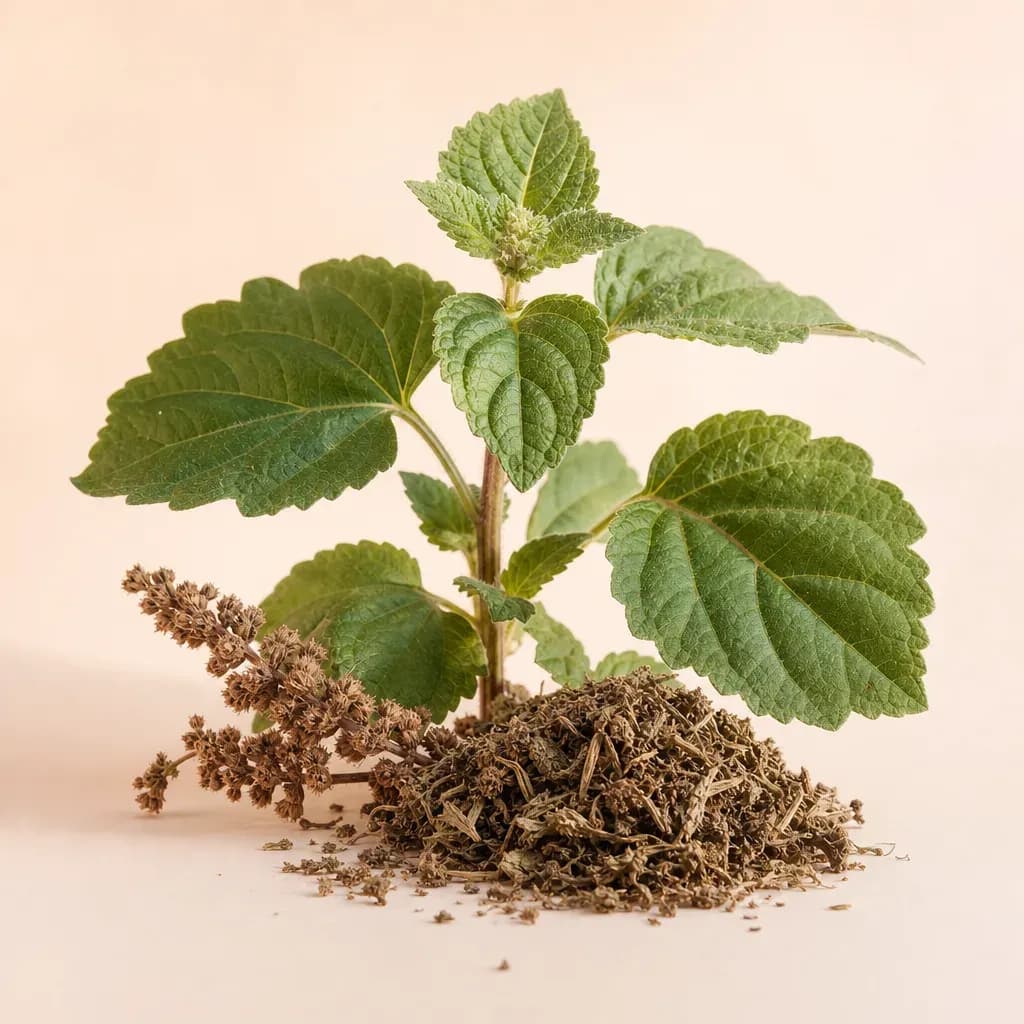
Patchouli
The hallmark of the hippie years but above all the indispensable element of chypres, patchouli owes its fine reputation to its very particular scent — earthy, airy, powerful and vibrant — that bewitches the senses. Brought to prominence starting in 1917 thanks to the brand-new chypre family created by Coty, patchouli would appear in numerous compositions until it became the indispensable accessory of the 1970s. Then this passionate story was for a time toned down, almost to the point of being forgotten in light base notes. Until its surprise reappearance in the 90s thanks to Angel by Thierry Mugler! Now back in fashion, patchouli appears in numerous modern and highly popular fragrances, making it an indispensable ingredient in many perfumes.
The birth of patchouli: from Indonesia to Coty's chypre perfumes!
Patchouli is a tropical plant grown in Indonesia, the Philippines and Malaysia. The plant has long stems that can rise to a meter in height. Yet one should not look for scent there, for it is the drying and then processing of its leaves that creates the fabulous patchouli fragrance. After distillation, the resulting patchouli essence releases the earthy, damp scent of its Asian roots as well as an airy camphor freshness. To some, patchouli gives off the delightful smell of a wine cork; to others… that of an overripe apple!
While patchouli was long used as a raw material in perfumery for its remarkable stability and its binding properties, it was brought to prominence thanks to the fashion for chypre perfumes, revived by Coty in 1917 with its famous Chypre.
Indeed, the range of contemporary chypre perfumes (the chypres of the 20th century) is composed essentially of bergamot, jasmine, oakmoss, rose, labdanum and, of course, patchouli!
Even when molecular distillation was not yet mastered, and despite its overtones of moldy mushroom, patchouli was never dispensed with, explains Jean-Michel Duriez, exclusive perfumer for the house of Patou.
From hippie-era patchouli to modern perfumes
Patchouli is, of course, for many of us, the symbol of the 70s peace and love era. It was a fragrance adopted in its pure form for its vegetal and Asian roots by many hippies craving exoticism! So much so that its massive use eventually wearied even the lovers of this otherwise delicate scent…
It was from this love story between peace advocates and patchouli that a now-cult 1970 perfume from the house of Réminiscence was born, simply named Patchouli.
A few years later, patchouli was found in new accords far less heady than the essences used previously. It was discovered that patchouli paired wonderfully well with many different accords. Patchouli is particularly well suited to oriental, woody or leathery notes.
The first perfume to bring patchouli back into the spotlight was, of course, the celebrated Angel by Thierry Mugler in 1993. On its own, the innovative and absolutely cult fragrance from the house of Mugler contains 30% pure patchouli essence! No one could ignore it. It would subsequently appear in numerous major perfumes for women, of course, but also for men…
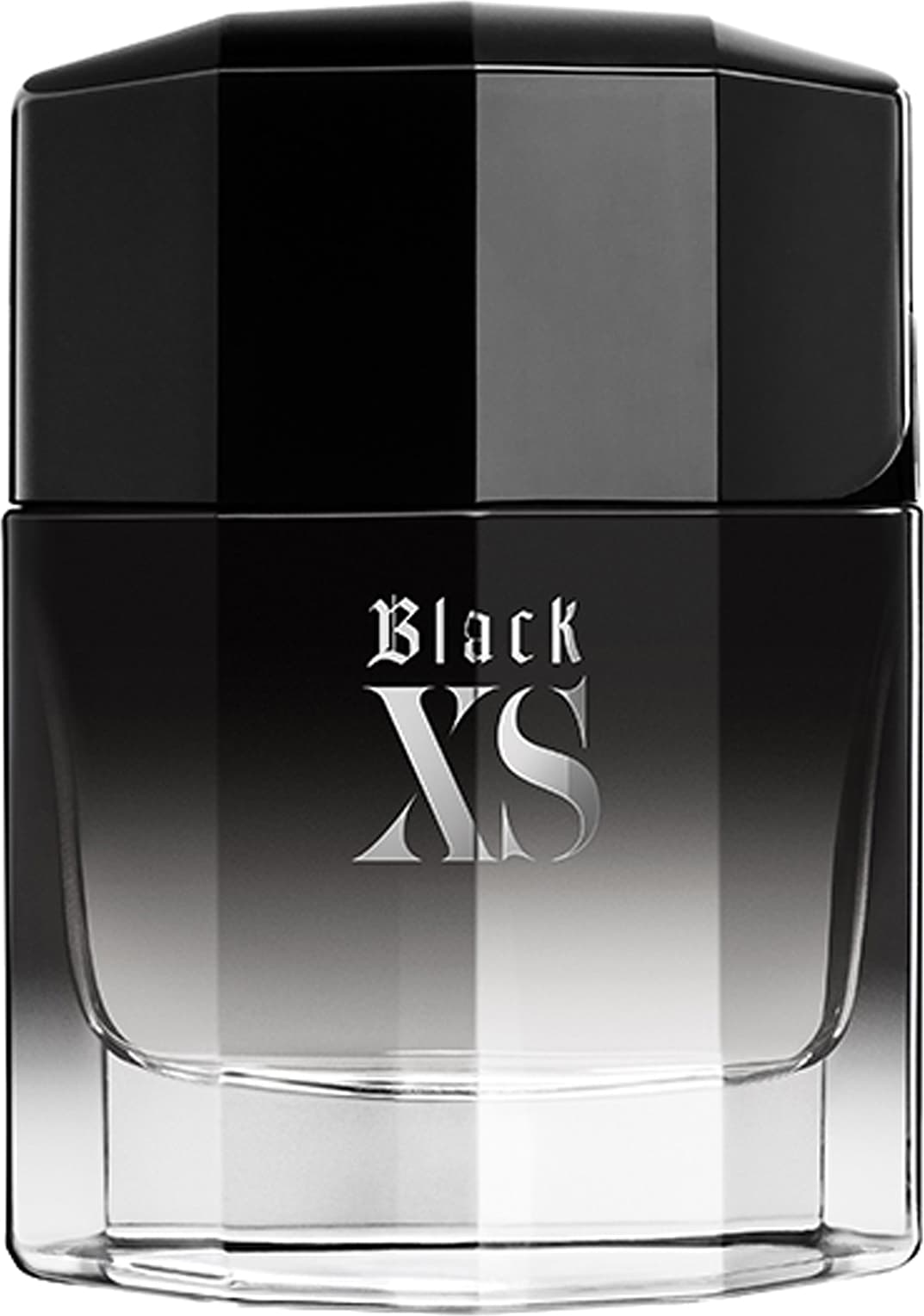
One might think that patchouli is exclusively reserved for women's perfumes. Yet its undeniable strength lies in the fact that its power and scent radiate as beautifully on a woman's skin as on a man's. Thus many masculine perfumes feature patchouli notes, such as Black XS by Paco Rabanne, where patchouli governs the spicy facets, in Polo Black by Ralph Lauren, or again in Midnight by Daniel Hechter, where patchouli as the main note dominates over citron and sandalwood.
Identity card
- Latin name : Pogostemon cablin
- Origin : Arbrisseau
- Country : ID
- Part used : Feuilles
- Type : Naturel
Perfumes with the Patchouli note
Floral Chypre
 Woody
Woody Floral
 Floral
 Floral
 Woody
Woody Woody
Woody Floral
 Oriental
 Floral
 Floral