
 Floral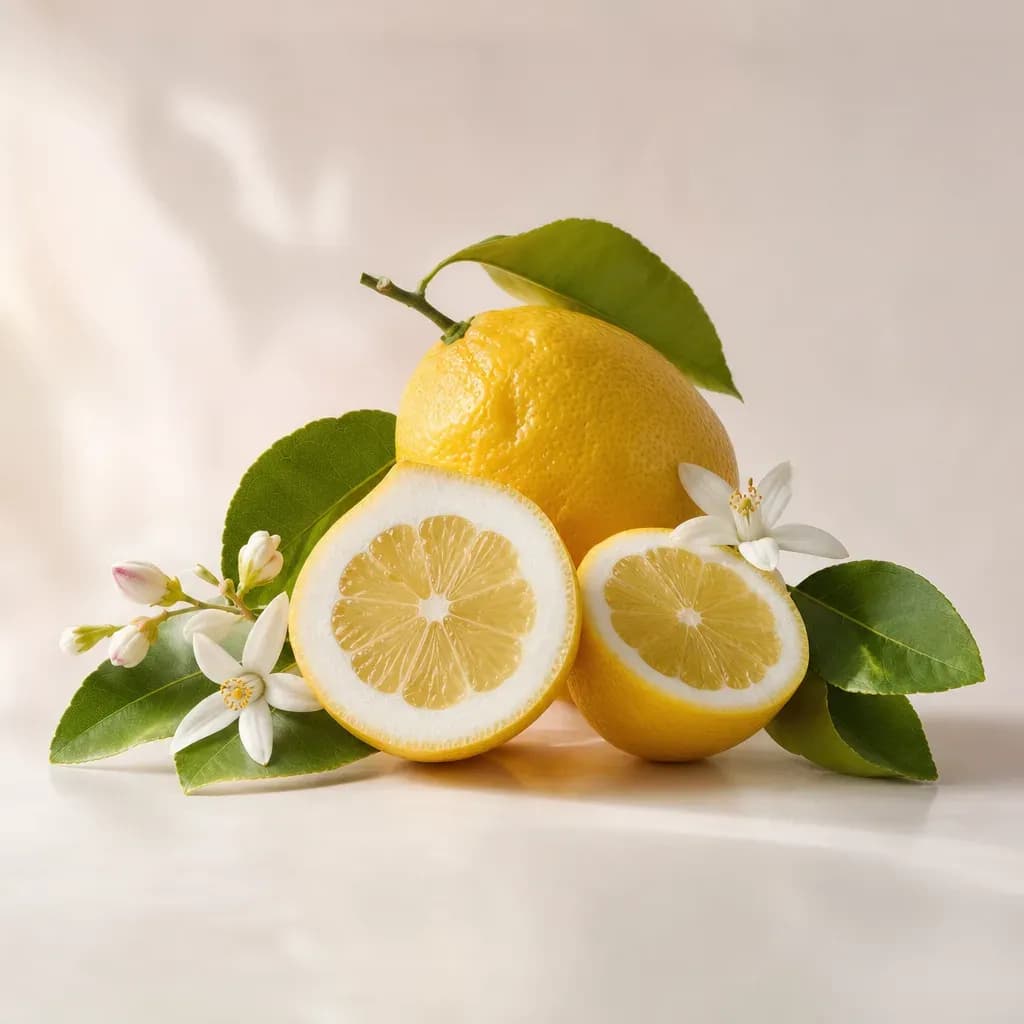
Citron
Fragrance creations are particularly numerous on our shelves, and houses must therefore be especially inventive to create fragrances that manage to stand out from the competition and win over consumers. As a result, many rare ingredients have made their appearance in perfumes. Moreover, replacing the traditional lemon, Mediterranean citron is increasingly making its way into fragrances.
Citron, a citrus fruit
Citron comes from the citron tree, a tree producing citrus fruits and belonging to the rutaceae family. It takes its name from the cedar because of its thick, rough bark. In reality, citron is an ancestor of the lemon. It is a large, oval and misshapen fruit, sometimes viscous, and can measure up to 25 cm long. Likewise, this giant lemon can weigh up to 4 kg. Like its cousin, citron has an acidic pulp, sometimes green or yellow. However, unlike the lemon, it is not very juicy. This species related to the lemon tree originates from South Asia, and more specifically India. Furthermore, citron was the first citrus fruit to spread throughout the Asian regions and to be introduced to Europe, as early as the third century BC. Today, citron is found mainly in France in the Corsica department or in Languedoc-Roussillon. However, other countries are far larger global producers. This is notably the case for Morocco, Algeria, Tunisia, Italy, China and South America. Indeed, the hot, dry climate of these regions proves particularly favorable to this small fruit, which is usually harvested between September and November. Finally, it should be noted that citron is a slow-growing fruit. Its tree only grows from saplings aged two to four years and does not bear fruit before the age of three.
Citron in our perfumes
The first perfume with a citron scent was created by Carlos Huber, a perfumer of Mexican origin who launched his own house named Arquiste, with a collection of six perfumes including one based on citron. Moreover, citron is highly appreciated in perfumery for its zesty scent and pronounced acidity. Its citrus accents make it a favored material for top notes in fragrances. Thus, citron brings freshness and vitality with a single breath. Its essential oil is obtained by cold expression of its zest, a method very commonly used to extract the scent of citrus fruits. Overall, citron is mainly reserved for fine perfumery. Its scent also evokes eaux de Cologne. Indeed, citron appeared in 1920 in the essential Eau de Cologne Eau de Fleurs de Cédrat by Guerlain.
Beyond this ancestral fragrance, citron also appears in masculine perfumes such as Armani Code, Chrome Sport by Azzaro or Dior Homme Sport, as well as in feminine scents such as Downtown by Calvin Klein, Chance Eau Fraiche by Chanel or Byzance by Rochas.
Identity card
- Latin name : Citrus medica
- Origin : Arbre
- Country : IT
- Part used : Zeste
- Type : Naturel
Perfumes with the Citron note
Floral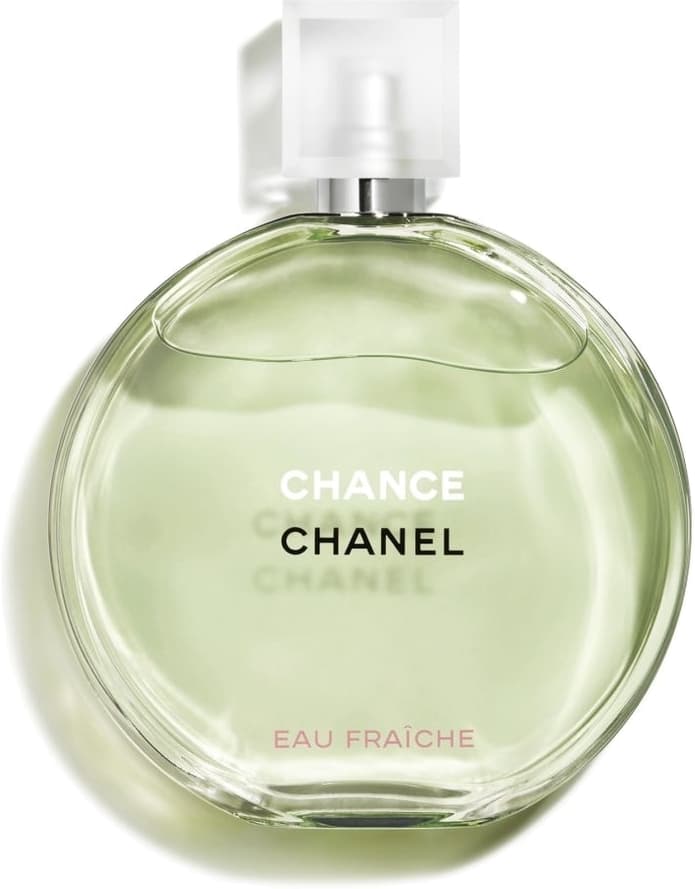 Floral
 Citrus
 Floral
 Citrus
 Floral
 Floral
 Floral
 Chypre
 Citrus
 Woody
Woody