
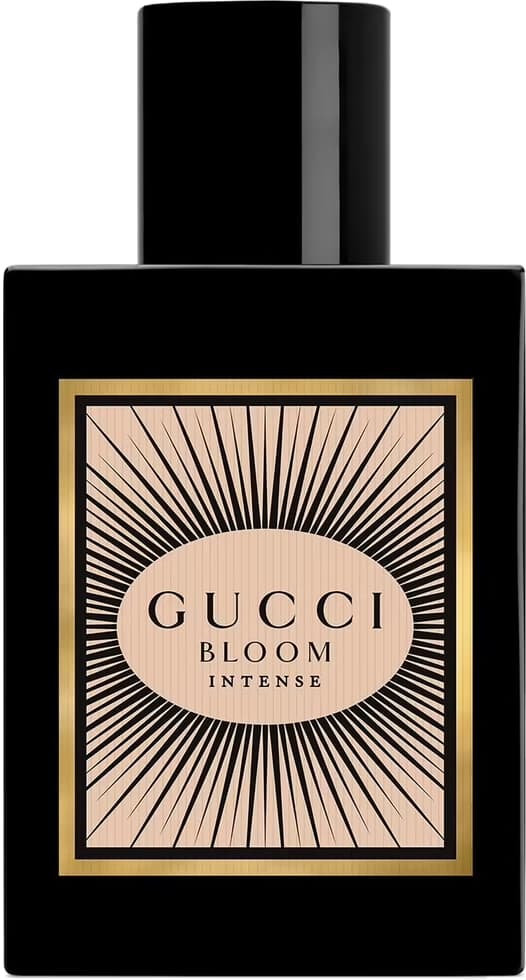
 Oriental
Gucci
While France is the cradle of perfumery and the Provence region is recognized as the world capital of this industry, Italy is by no means left behind in this field. Indeed, this country radiates its elegance across the entire world through a handful of particularly famous brands. Moreover, Gucci stands as a paragon of excellence and is a house recognized worldwide for its refinement and the quality of each of its products.
Gucci perfumes
Oriental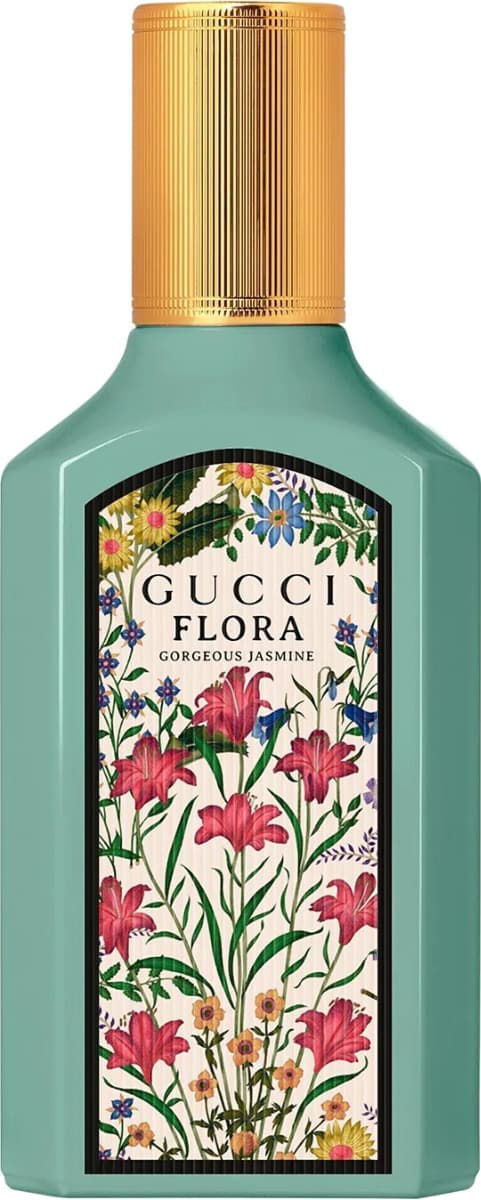 Floral
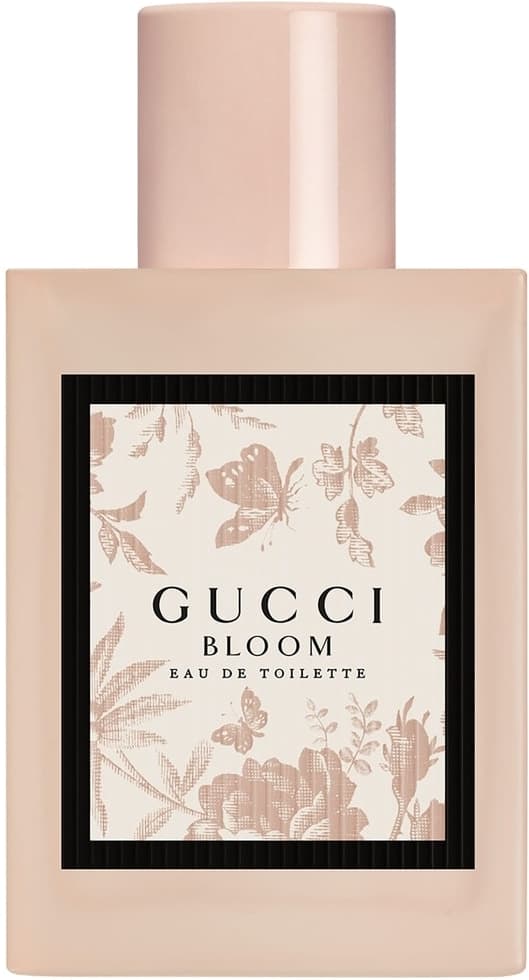 Floral
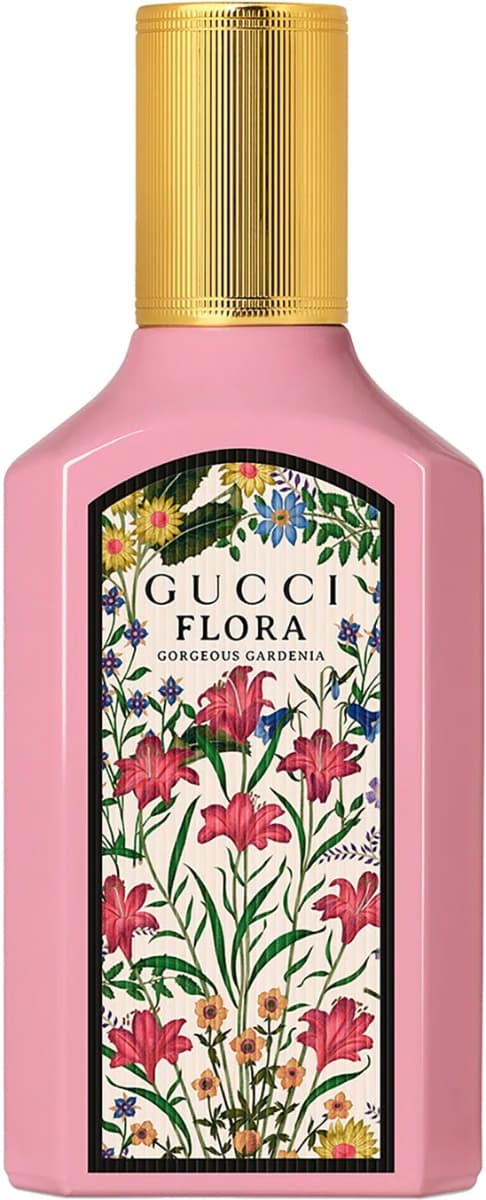 Floral
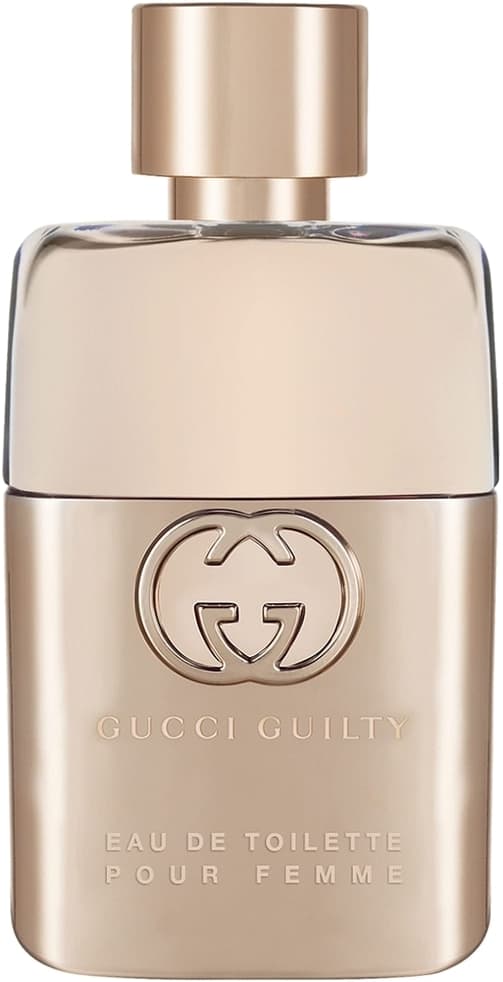 Oriental
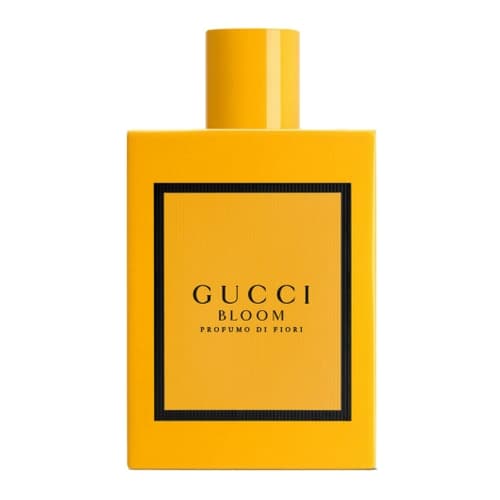 Oriental
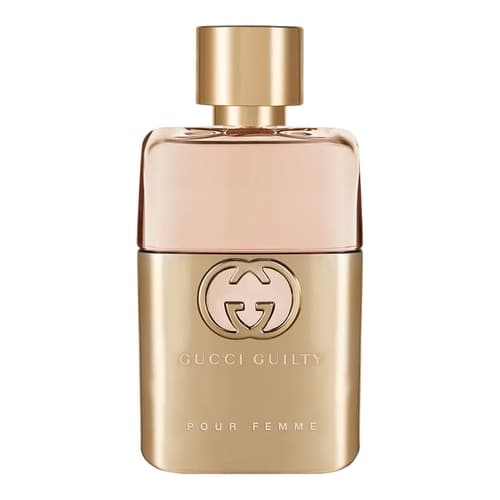 Oriental
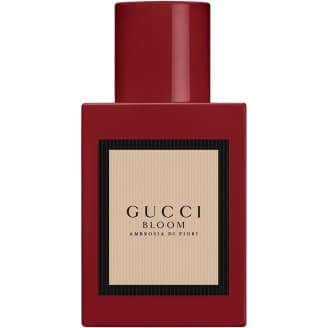 Oriental
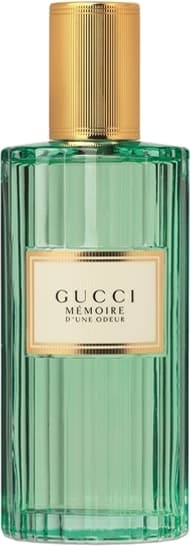 Woody
Woody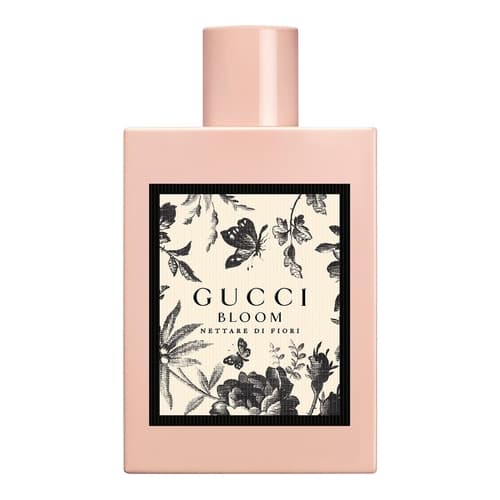 Chypre
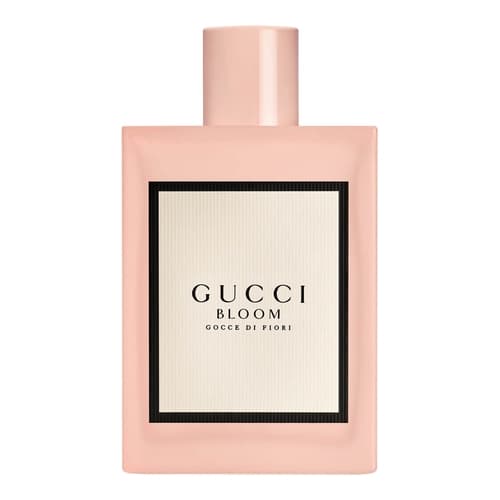 Floral
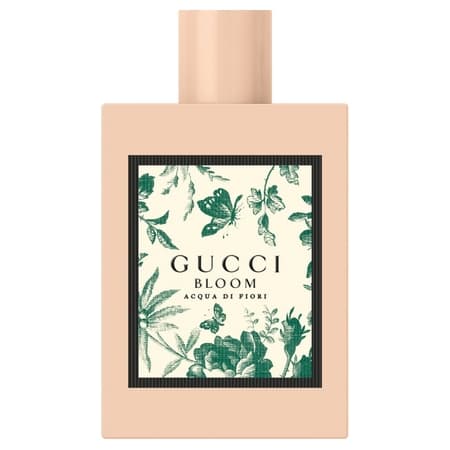 Floral
The history of the house of Gucci
It was in 1921 that Guccio Gucci decided to open a small leather goods shop. The success of his boutique was immediate, and it quickly grew around the equestrian world. Nevertheless, it did not take long before this house launched its diversification. As early as 1930, the brand turned to the creation of shoes, gloves and underwear. Indeed, the fascist dictatorship was marked by a leather shortage, which forced the house to show imagination. However, Guccio Gucci died shortly after the end of the war, in 1953. The brand thus passed under the direction of his four sons. As ambitious as their father, they began the internationalization of their company across the United States and then Asia. It was also at this moment that the GG logo we know today was launched, as a tribute to the brand's founder. However, this prosperity was short-lived, and the 1980s marked a sharp decline in sales for the Gucci brand. Fortunately, the house managed to bounce back starting in 1990, with the arrival of Tom Ford. This designer introduced a flashier style, a touch bling bling, reconnecting more closely with Italian tradition.
Gucci perfumery
In terms of perfumes, the adventure only began for Gucci in 1982. That year saw the creation of l'Eau de Gucci, a fragrance that met with mixed success. Undeterred, the company did not lose heart, and this perfume was followed by Nobile in 1988 and l'Arte di Gucci in 1991. Nevertheless, it was only in 1993 that Gucci perfume sales began to gain momentum with the release of the second version of l'Eau de Gucci, far more popular than its predecessor. Following this success, Gucci extended its expertise to men's perfumery. Envy pour Homme was created in 1998, a year after its feminine counterpart. It was followed by Rush pour Homme in 2000. Furthermore, those years favored floral, woody, chypre and oriental fragrances, a trend that fit perfectly within the world of Gucci. The moment was thus favorable to the house's renown, and the success of these fragrances has, it seems, never faltered since.