
 Floral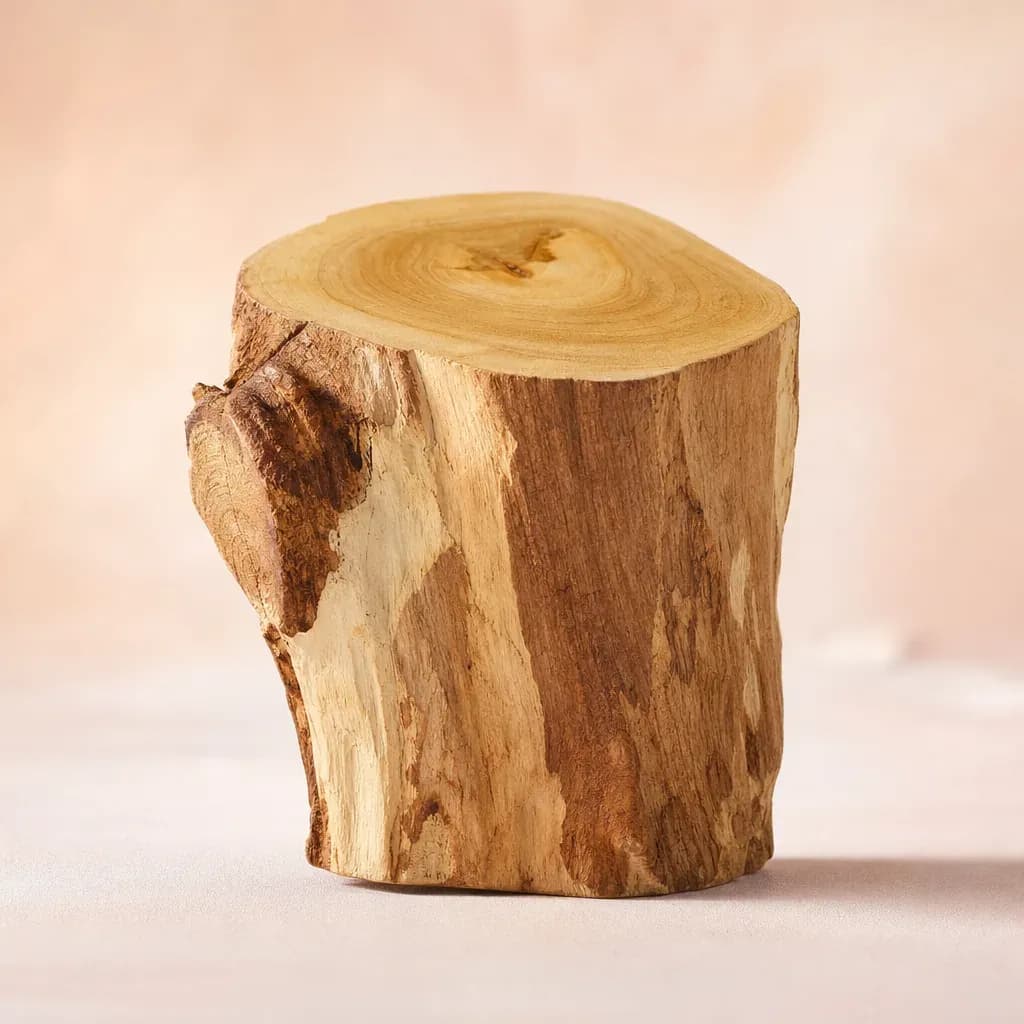
Sandalwood
Sandalwood refers to woods from trees of the Santalaceae family. Sandalwood is an evergreen tree native to Asia. The oil is extracted from the yellow bark of the tree. Sandalwood has been known for 4,000 years. It was used in ancient Egypt for embalming mummies. It was also used by Indian Muslims during funeral ceremonies. They would place sandalwood to burn so that the soul of the deceased could rise. Today, sandalwood comes mainly from India, but certain varieties come from Australia, Hawaii or Sri Lanka. Sandalwood is becoming increasingly rare, and therefore increasingly expensive.
Majestically sandalwood
Sandalwood gives off a woody, velvety, warm, sensual, even slightly animalic scent. Its scent is simply spellbinding. Sandalwood has little olfactory strength, but it has a particularly strong longevity. Sandalwood has the particularity of enriching a fragrance's olfactory power. For perfumers, sandalwood is an inexhaustible source of inspiration. Sandalwood is mainly used in men's fragrances. However, recently, it has begun gently making its way into women's fragrances. One of the greatest successes is the fragrance created by Jean-Paul Guerlain, Samsara. It was the first time that so much sandalwood had been incorporated into a fragrance, very bold for the time. The result was a genuine success. Ylang-ylang, jasmine and iris bring to the sandalwood an imaginary idea of distant lands, perhaps the meeting point between East and West. Samsara is and will remain a model of absolute feminine harmony.
Sandalwood in fragrances, infinite accords
Sandalwood gives off a woody scent, but an extremely soft one. This is why it pairs wonderfully with many fragrances. The sensual yet gourmand side of sandalwood pairs very well with rose, ylang-ylang, jasmine, lily of the valley, cinnamon, vanilla, musk, vetiver, tonka bean, or citrus. Among the most beautiful pairings is Mon Parfum by Paloma Picasso. Sandalwood in the base notes is skillfully paired with ylang-ylang, jasmine, patchouli and hyacinth in the heart notes. The floral notes are majestic, just like the sandalwood. This fragrance is a revolutionary beauty, or how to feel even more feminine. It is not the only creation where the magic of flowers meets the softness of sandalwood. Another very beautiful pairing with sandalwood in the base note is 1000 by Jean Patou. In the heart notes, one discovers violet and jasmine. In the base notes, one discovers bergamot, coriander, osmanthus and eucalyptus. This fragrance is intense, due to all these notes, but it is striking for its richness and its multitude of precious essences.
Sandalwood is considered a precious wood, rich and beautiful. Associated with antiquity and life, it carries many symbols. Often used as a base note, sandalwood was initially a men's fragrance. Since the 1990s, creators have tried using it for women's fragrances, with great success. It pairs very nicely with coppery, woody, powdery notes, or even floral top notes. For creators, sandalwood is an inexhaustible source of inspiration.
Identity card
- Latin name : Santalum album ou spicatum
- Origin : Arbre
- Country : AU
- Part used : Bois
- Type : Naturel
Perfumes with the Sandalwood note
Floral Floral
 Oriental
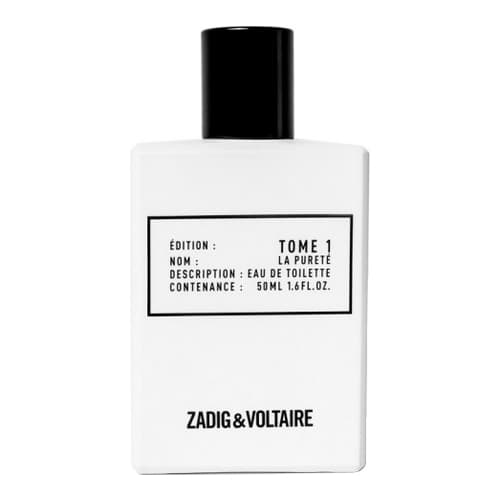 Oriental
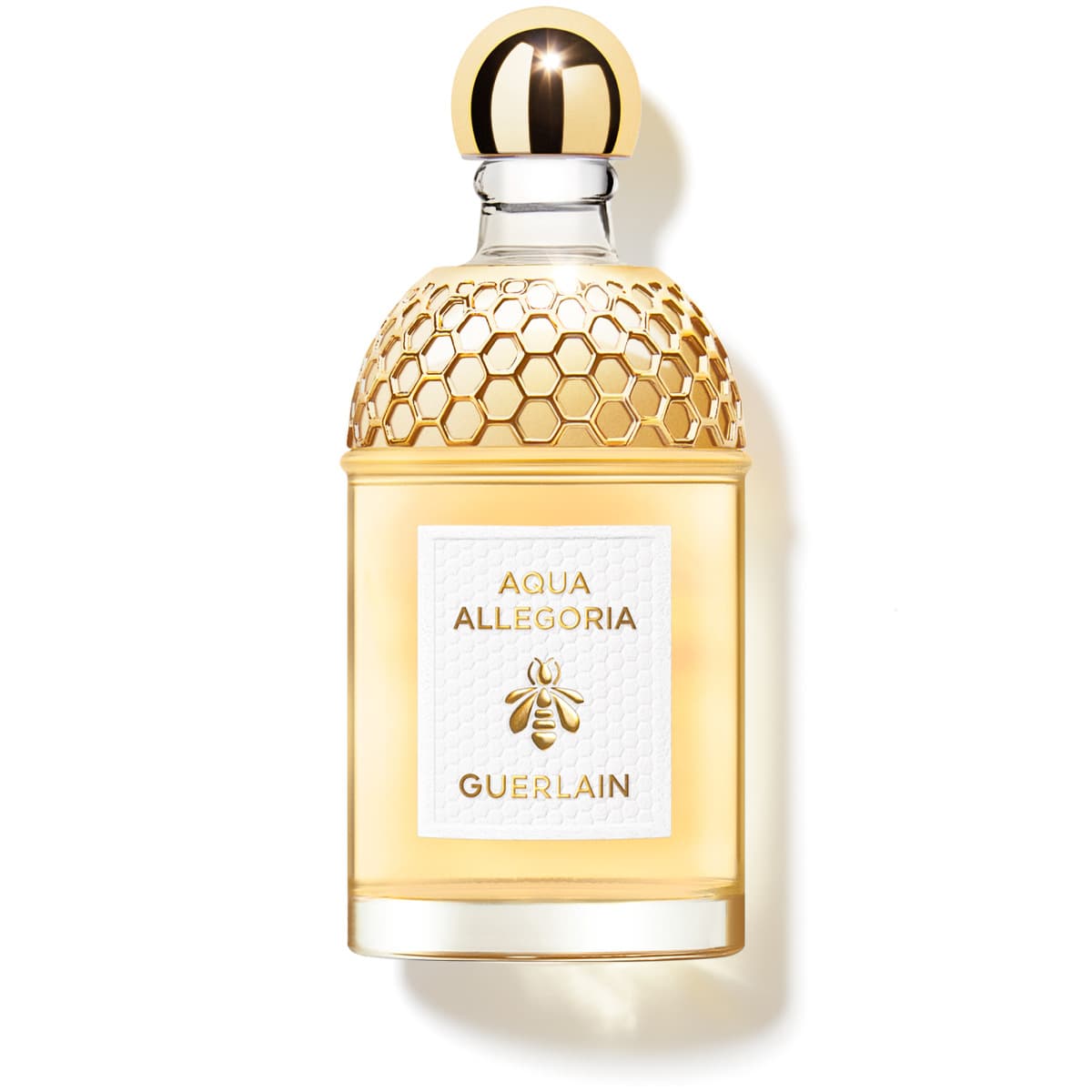 Citrus
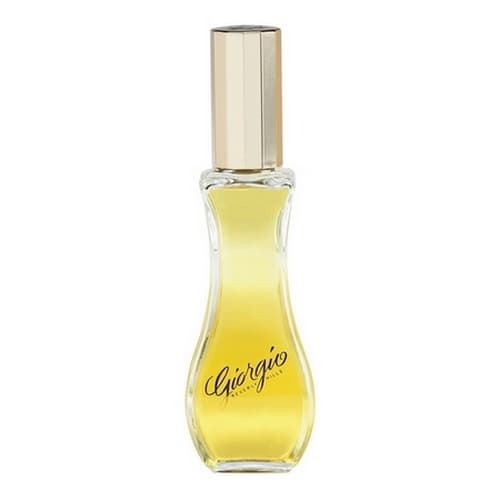 Floral
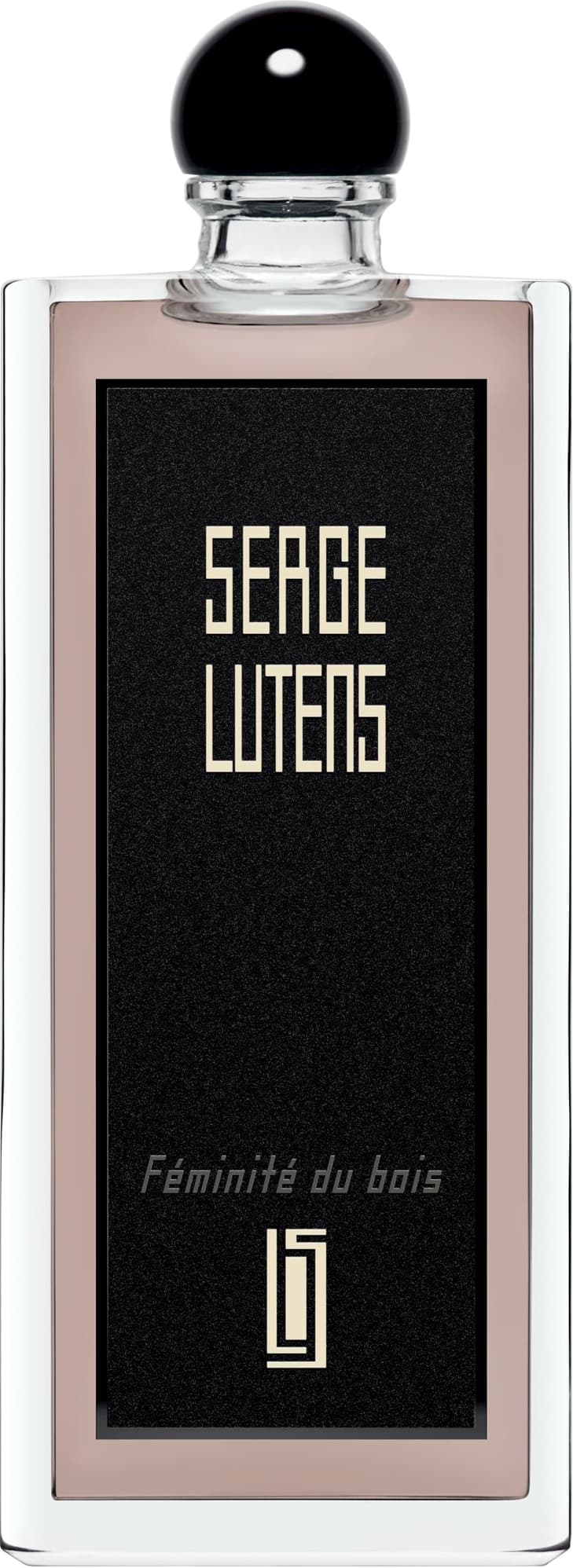 Woody
Woody Floral
 Floral
 Floral
 Floral
 Chypre