 Oriental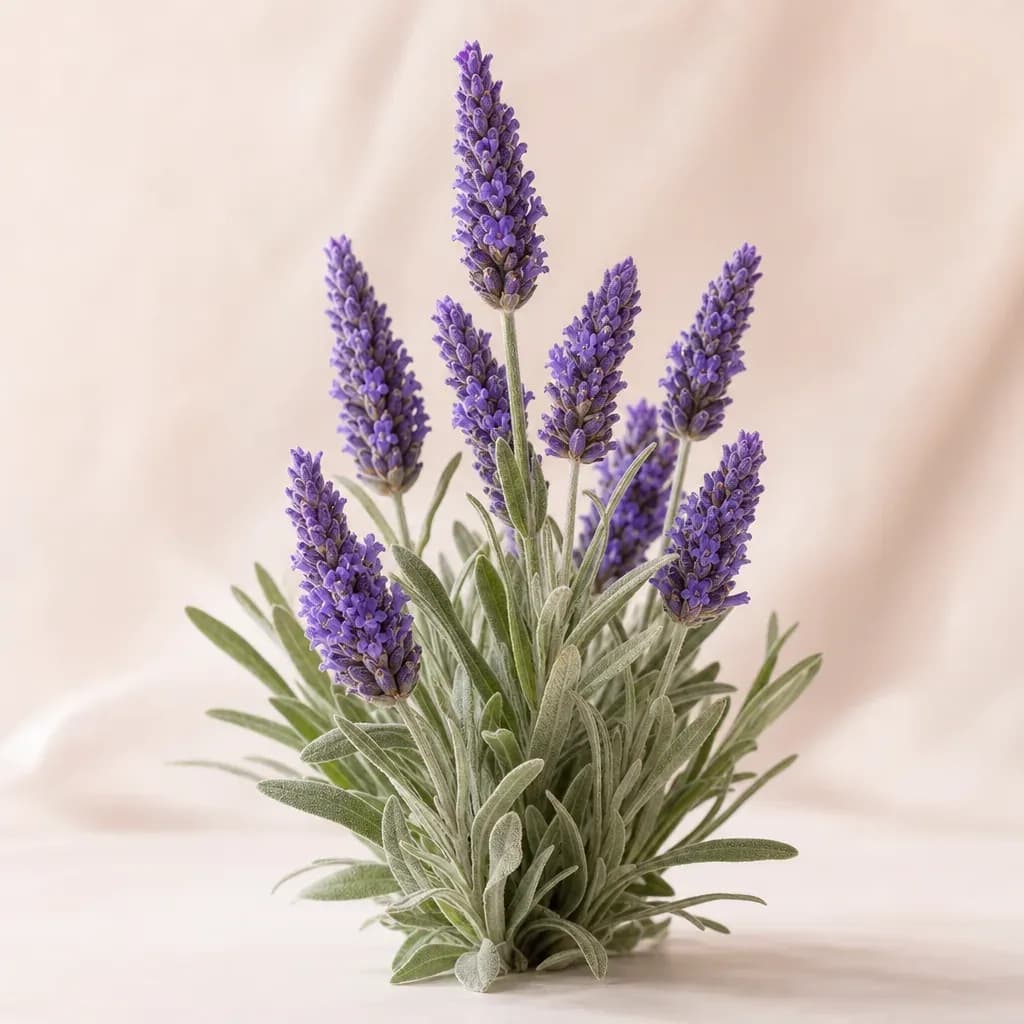
Lavandin
Lavandin: A bit of Provence in our bottles. Derived from the famous lavender that enchants Provence, lavandin is a pretty little mauve flower, smaller than its predecessor but, just like it, highly fragrant. Aromatic and delicate, lavandin scents everyday products as well as cosmetics and perfumes.
And although economic giants such as China have taken up its cultivation, lavandin from Provence, made in France, continues to successfully distill its wonderful fragrances into our lives!
Lavandin and its cultivation in the South of France
Lavandin is the hybrid of the lavender Lavandula augustifolia and the lavender known as aspic, Lavandula latifolia. It represents above all the response scientists gave to the growing need for lavender after the Second World War.
Lavender distillation was used as early as the 18th century in order to harvest the sweet lavender of the Provençal fields to make an essential oil. This lavender essential oil enjoyed great prosperity from its beginnings, notably thanks to the success of the perfumes of Grasse, which used the pretty lavendula augustifolia to create their fragrant compositions. But at the beginning of the 20th century, the need for lavender became very significant (60 tons per year) and, despite the massive mechanization of the harvest and a phenomenal increase in cultivation, Provence could no longer meet all the demand.
Faced with this need, scientists developed a hybrid of two lavender varieties, giving rise to lavandin in 1925. This new flower has properties similar to lavender but bears fragrant spikes much larger than lavender, allowing for better yields. Lavandin, although a hybrid, is natural and produces lavender fragrances that are less powerful, which can be an asset for certain perfumes.
Aromatic, fougère or woody perfumes in search of the lavandin note
The lavandin note is a relatively recent raw material compared to many others. It only appeared in perfumery relatively late but is exhaled in aromatic, woody or oriental masculine or unisex fragrances in search of freshness and floral power.
The favorite olfactory family of lavandin seems to be the fougère-aromatic family. Sometimes placed among the top notes, sometimes among the heart notes, lavandin propels its aromatic fragrances into perfumers' creations. Lavender Palm by Tom Ford pairs lavandin with lavender, bergamot, sage and lemon to offer fresh and tangy notes from the start. At Hermès, in the lovely perfume Noir Premier - Terres Aromatiques, the lavandin note sits alongside thyme and freesia in the heart. For Eau de Lavande by DIPTYQUE, lavandin, along with lavender, is of course the centerpiece of the composition which, diffused as a heart note, blends elegantly with spicy top notes and woody base notes.
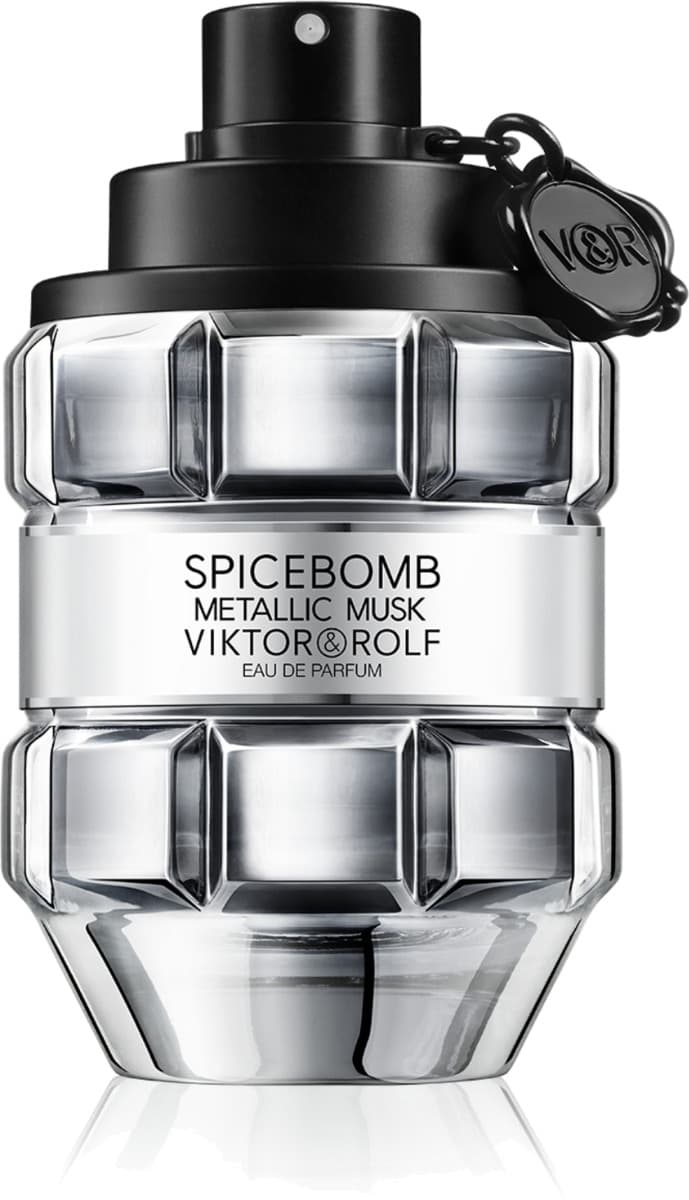
Woody orientals are of course fragrances that passionately exhale pure and fresh lavandin notes in an exotic, sometimes spicy but often surprising sillage. Antidote by Viktor & Rolf thus offers a cocktail of facets where lavandin appears in the heart, pairing with flowers, spices and a few bitter touches of geranium and orange tree.
Besides these two favored families, the lavandin note also appears in fragrances that are more difficult to classify, such as the woody floral L'Eau by S.T. Dupont or the lovely aromatic citrus L'eau Intense by Carven. However, with the exception of a few rarities, lavandin is mainly intended for masculine or unisex fragrances. For now...
Identity card
- Latin name : Lavandula hybrida
- Origin : Plante
- Country : FR
- Part used : Fleurs et Tiges
- Type : Naturel
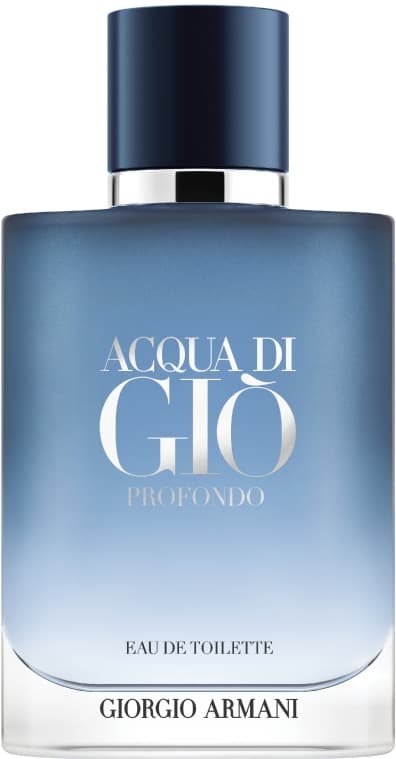
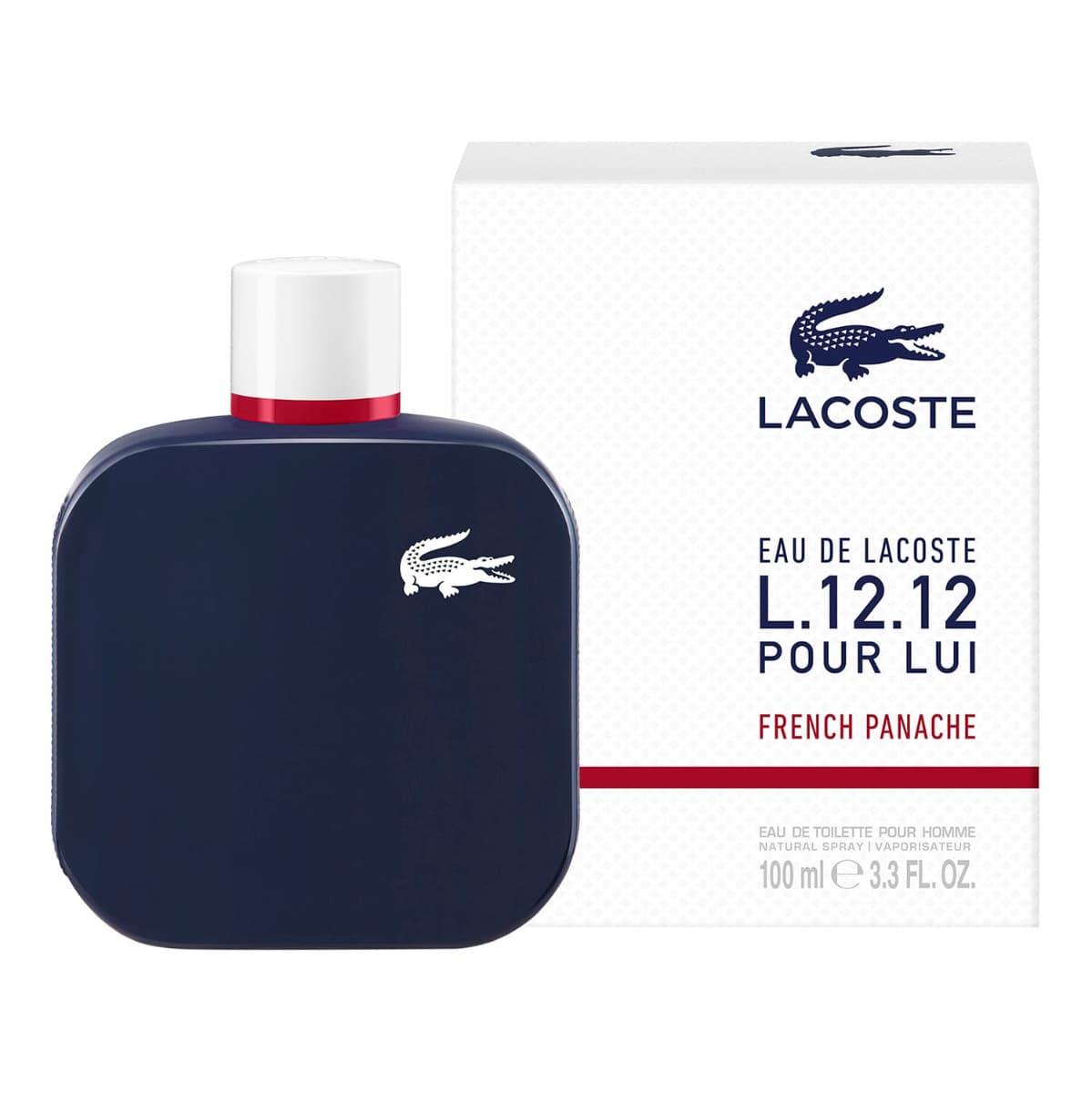
Perfumes with the Lavandin note
Oriental Aromatic
 Woody
Woody Woody
Woody Woody
Woody Woody
Woody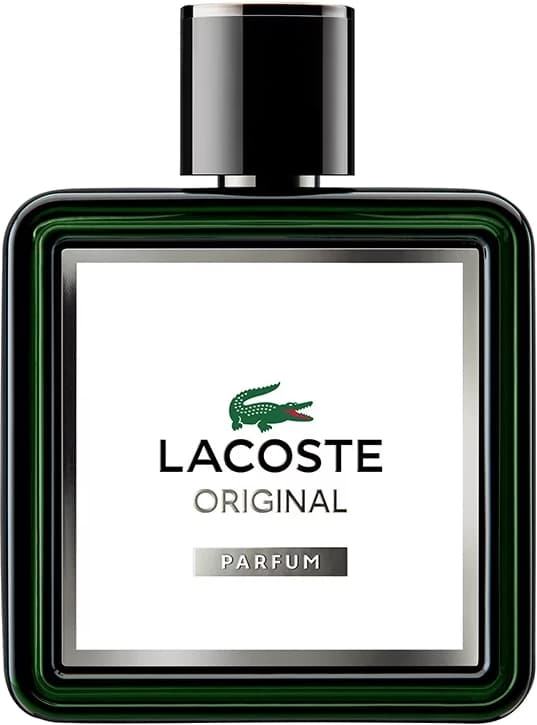 Fougère
 Aromatic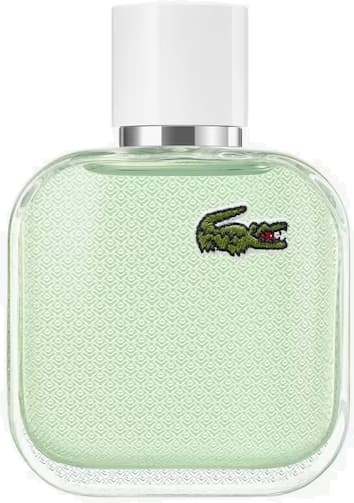
 Oriental
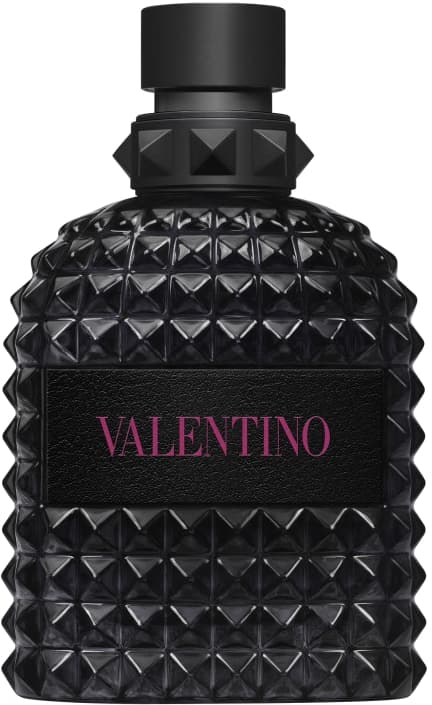 Woody
Woody