
 Citrus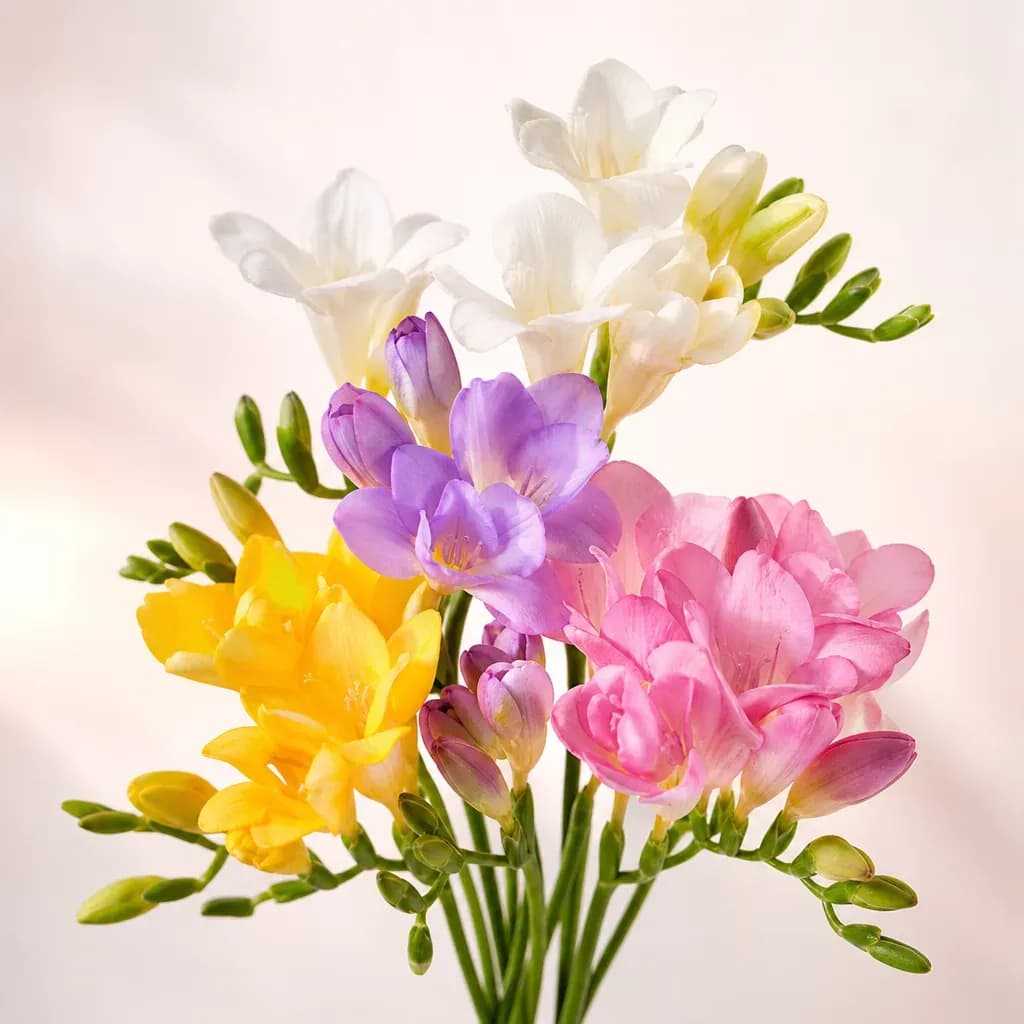
Freesia
While perfumery draws on a whole range of ingredients, flowers are undeniably the stars of the field. What is more, their often highly decorative appearance can also stir the imagination of perfumers. In this respect, freesia proves to be a plant that is as sublime as it is fragrant.
The exoticism of freesia
Freesia is a bulbous plant that comes directly from South Africa, and more specifically from the Cape province. It is cultivated for its highly fragrant flowers but also for its appearance, marked by varied and vivid colors. It belongs to the iridaceae family and its name comes from the botanist Ecklon, who decided to name it as such in 1866, in honor of a German doctor named Fresse. This herbaceous plant grows starting in early winter and forms a clump of narrow leaves 10 to 30 cm long. The flowers of freesia, meanwhile, begin to bloom in early spring and develop in clusters. The whole unfolds in the form of a spike with six petals. These petals can be white, yellow or purple and release a very heady scent, somewhat similar to that of jasmine. Generally speaking, freesia is a flower that adapts very well to drought and particularly favors a Mediterranean climate. It is an ornamental plant that gardeners enjoy transforming through hybridization, always yielding further possibilities of bright and luminous colors.
Freesia, a widely used note in perfumery
Beyond its eccentric look, freesia is also a plant highly prized by perfumers. It is in fact one of the most widely used flowers in perfumery. Its scent is both floral and luminous. It is close to that of jasmine or orange blossom while also carrying sweet, almost fruity accents. However, its scent cannot be extracted and must therefore be reproduced in the laboratory from other raw materials or through the use of the head space technique, a method developed in the 1970s aimed at reconstituting the natural scents of a flower as they exist in nature, without damaging it.
Freesia thus features just as much in men's fragrances as in women's. On the men's side, it appears in the iconic Acqua Di Gio by Armani, in Allure pour Homme by Chanel and in Arabian Wood by Tom Ford. Among women's fragrances, on the other hand, it proudly features in Alaïa Paris by Azzedine Alaïa, in Alien Acqua Chic by Thierry Mugler and in Ame Coquine by Chantal Thomass.
Identity card
- Latin name : Freesia
- Origin : Artificielle
- Type : Reproduction
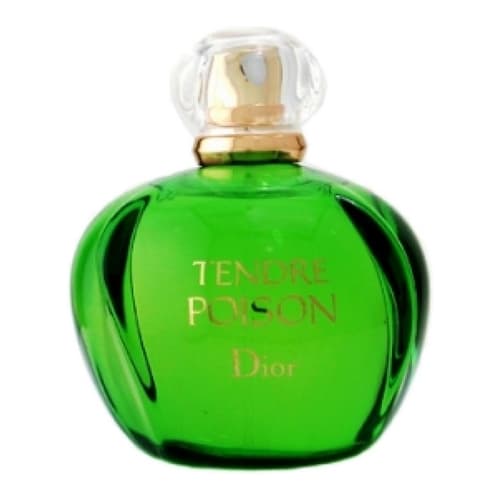
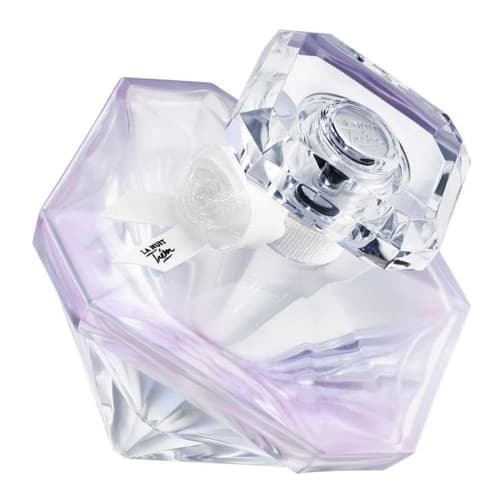
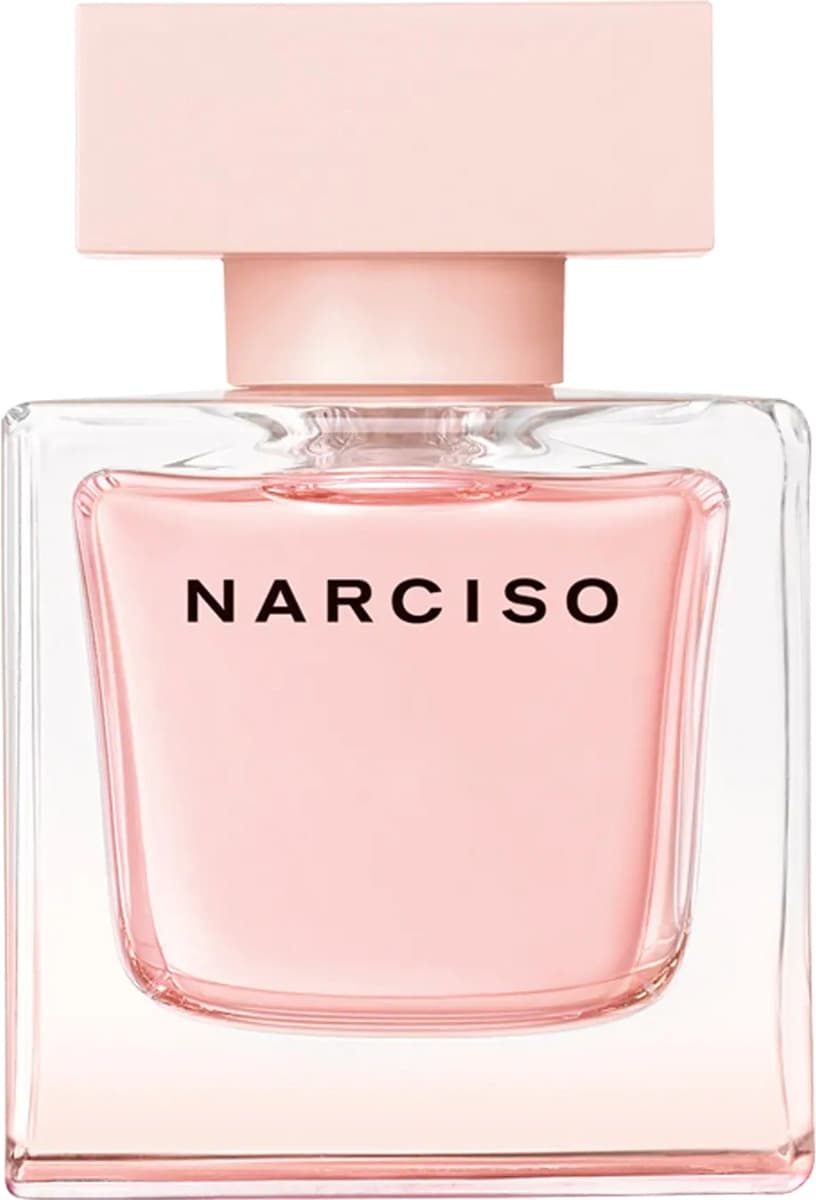
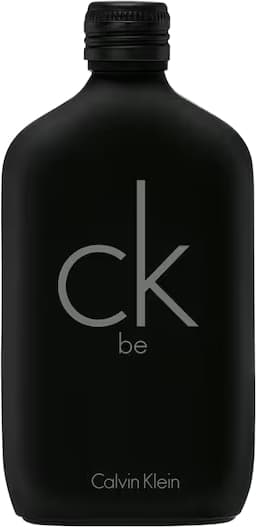
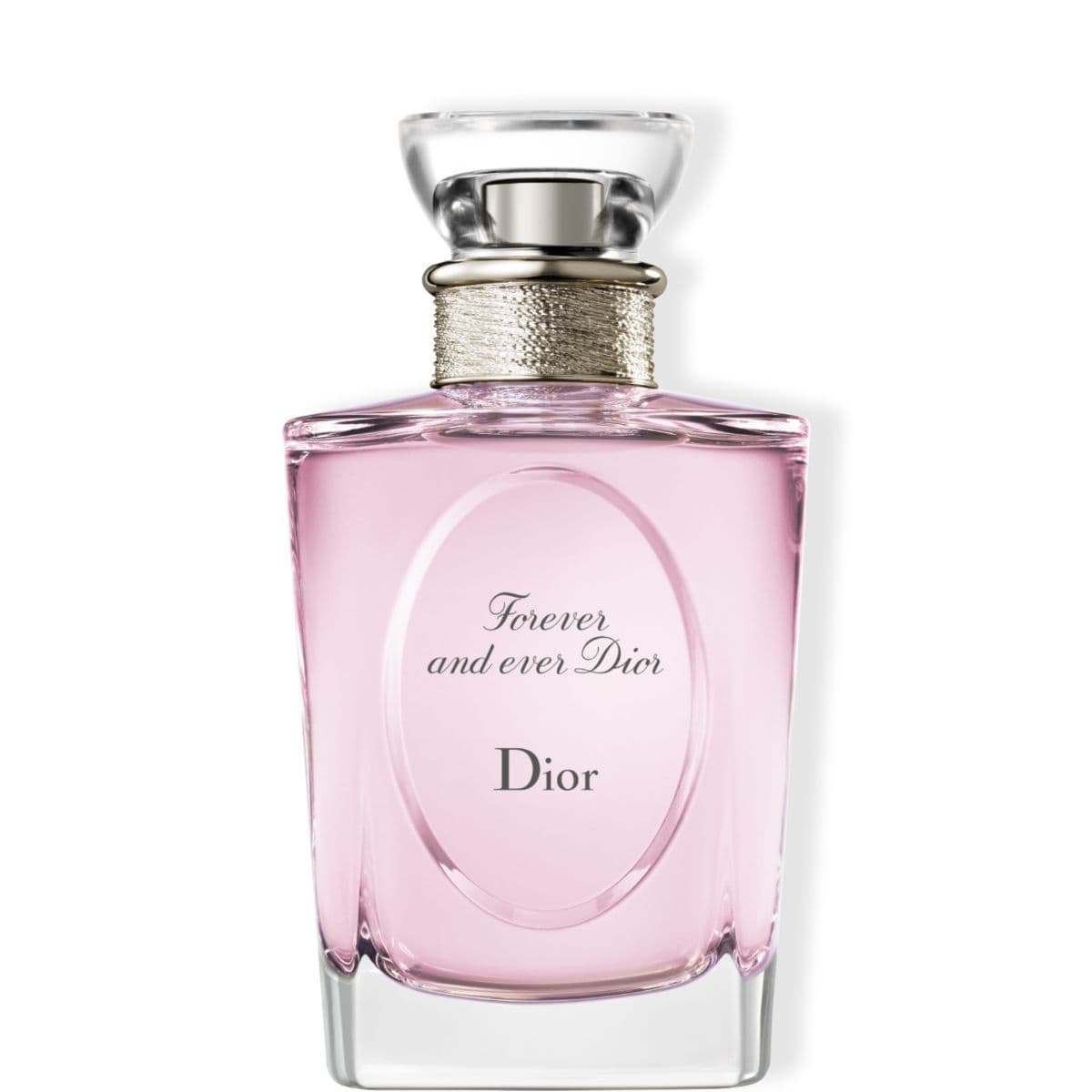
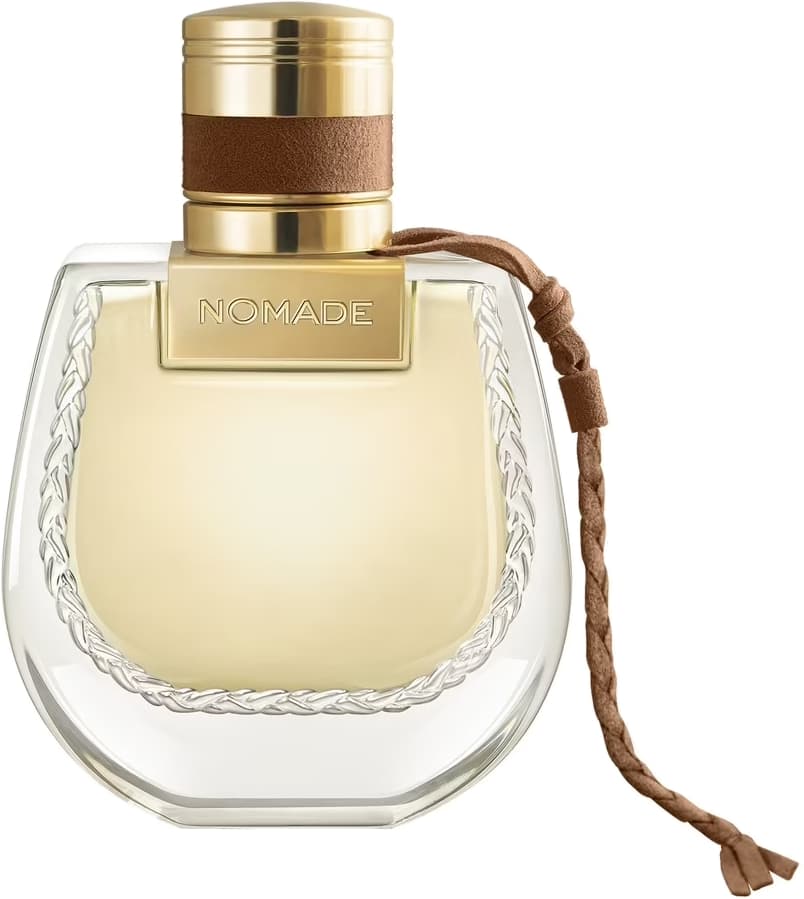
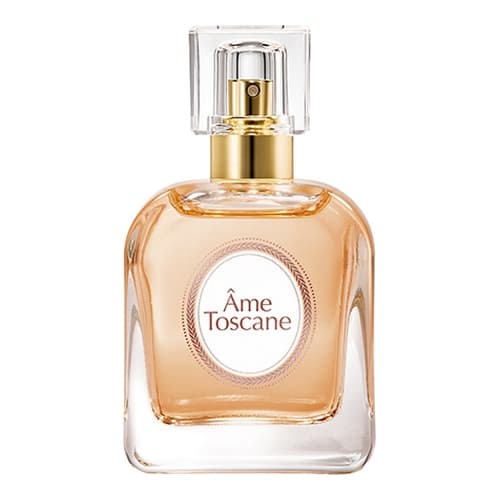
Perfumes with the Freesia note
Citrus Floral
 Chypre
 Floral
 Oriental
 Floral
 Floral
 Floral
 Floral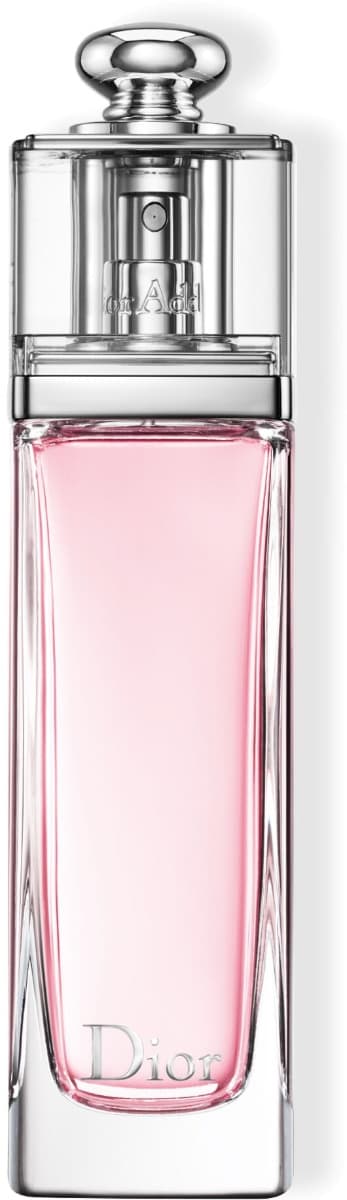
 Oriental
 Fougère