
 Gourmand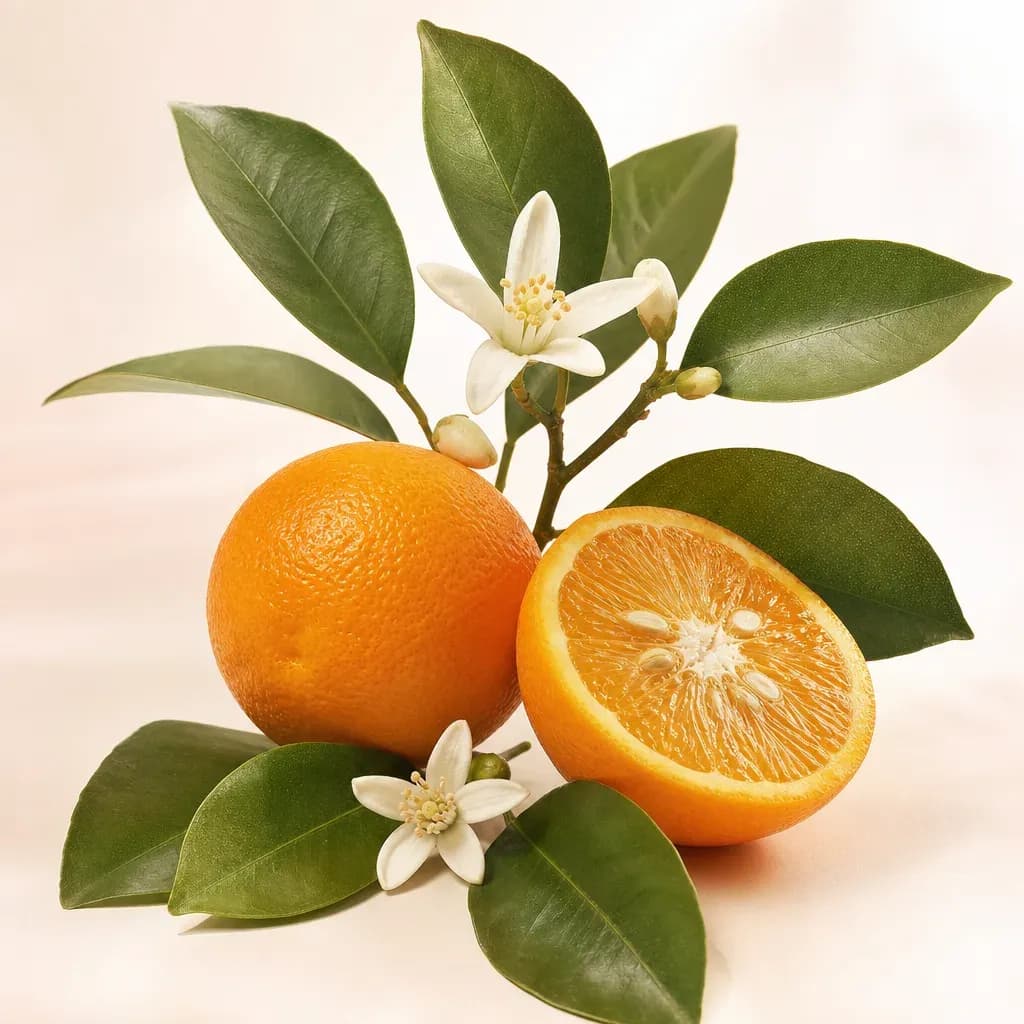
Bitter orange
Bitter orange: the bitter orange in love with our citrus fragrances. The bitter orange tree, cousin of the orange tree, treats us to its flowers and scents to perfume our gardens as well as our fragrances. Between petitgrain essence, neroli essential oil, or bitter orange essence, this lovely citrus fruit is at the head of three fine raw materials widely used in perfumery and cosmetics. Bitter orange and its derivatives wrap citrus fragrances in particular with their notes, but it also composes beautiful accords with other olfactory families such as florals, orientals, woods, and spicy notes.
The bitter orange tree and its sources of precious neroli and petitgrain essences
Native to India and China, the bitter orange tree, or wild orange tree, has grown for centuries, like its cousins the sweet orange tree and the lemon tree, on the gentle Mediterranean hills of Italy, Spain, or Morocco. In the warm season, the branches of this delicate citrus tree become covered with highly fragrant flowers that will later produce a small fruit called bitter orange, often consumed as marmalade.
However, the intoxicating and delicate scent of this wild orange tree naturally spurred the curiosity and creativity of perfumers. Thus the flowers of the bitter orange tree can produce neroli essence or orange blossom absolute. As for the leaves and branches, after steam distillation, they produce petitgrain essence and Brouts water, or orange leaf essence. All of these raw materials are widely used in perfumery for their respective qualities.
Bitter orange, neroli, and petitgrain in perfumes
Bitter orange zest, like petitgrain essential oil, offers scents that are both woody and citrus while delicately revealing the floral note of neroli. Quite naturally, then, bitter orange, along with the oils and essences obtained from its leaves and twigs, composes delightfully with citrus fragrances for both men and women.
Of course, citrus fragrances remain forever associated with Eau de Cologne, the oldest and greatest dignitary of this olfactory family. However, noses have never ceased seeking to renew the genre by offering original fragrances thanks to more unusual citrus fruits, new aromatic herbs, or still little-known woody raw materials. Bitter orange thus renews the citrus genre through its distinctively tangy, delicately floral fragrances that remain bitter and powerful.
The creator Jean-Claude Ellena, with his perfume Cologne Bigarade, sought to reinterpret the famous Eau de Cologne with the accents of the new millennium by adding bitter orange to bring a touch of bitterness to a unisex composition that only wanted to be renewed. Other great names carried on this movement of renewal with bitter orange, offering musky citrus fragrances such as Flower by Kenzo La Cologne, or woody-spicy citrus fragrances such as L’Eau des Merveilles by Hermès.
As for men’s fragrances built on bitter orange top notes, they stand out in particular for their woody facets, in the manner of D’Arsène Lupin Dandy by Guerlain, or the striking Eau d’Icare by Sisley.
Bitter orange thus has multiple advantages: as a citrus fruit it offers fresh and powerful citrus notes, as a flower it creates the magnificent neroli essence, and as wood it creates petitgrain essential oil. Moreover, each of these fragrances can be transformed at will depending on the accords one wishes to create. The lovely fruity, gourmand oriental L by Lolita Lempicka, or the citrus leather Je Suis un Homme, are prime examples of the many variations made possible by the lovely bitter orange.
Identity card
- Latin name : Citrus Aurantium
- Origin : Arbre
- Country : IT
- Part used : Zeste
- Type : Naturel
Perfumes with the Bitter orange note
Gourmand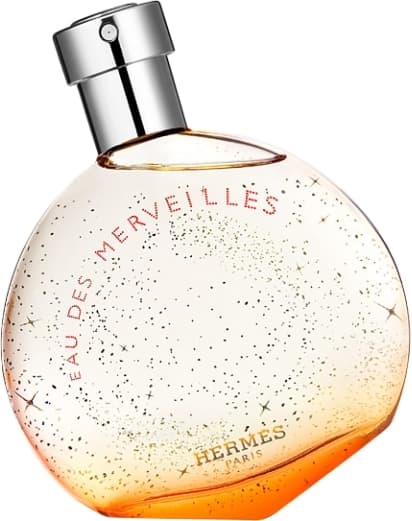 Citrus
 Oriental
 Oriental
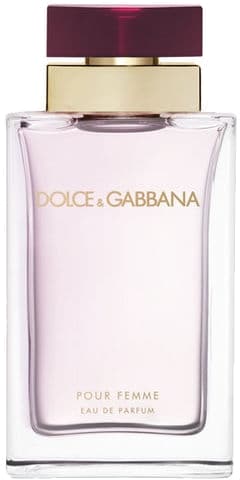 Floral
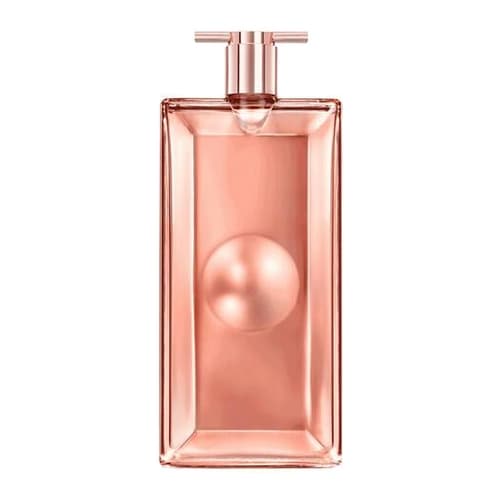 Chypre
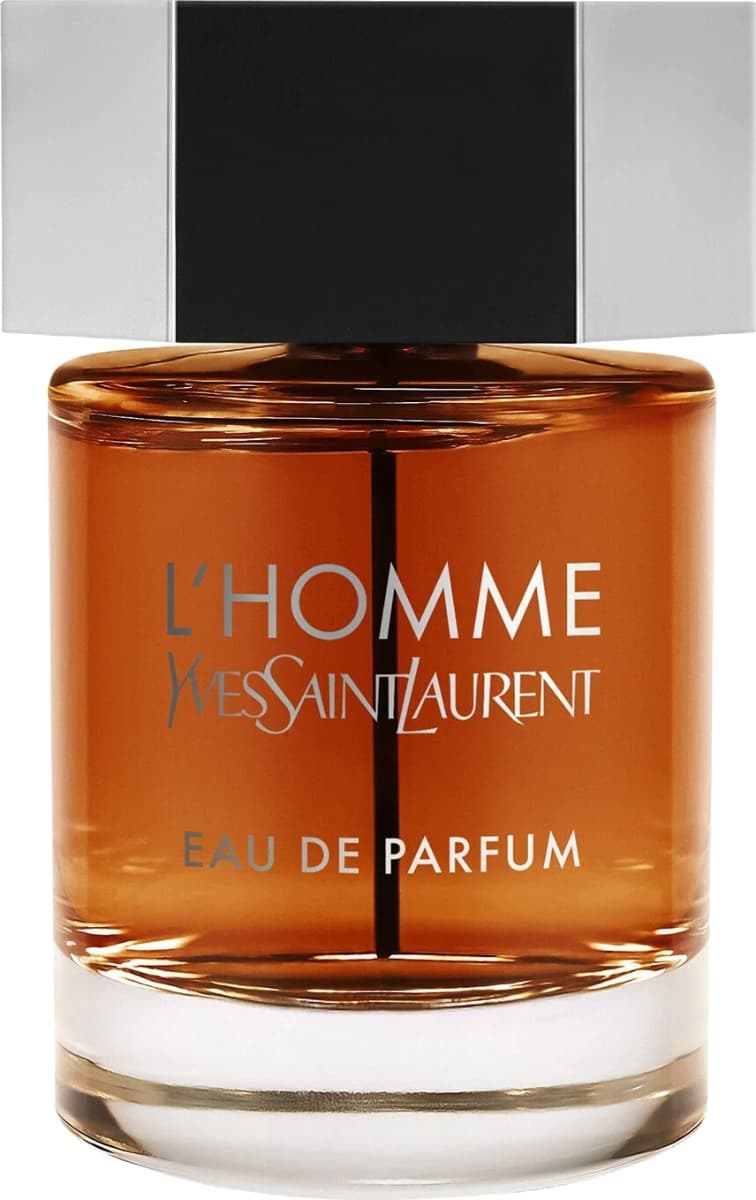 Woody
Woody Floral
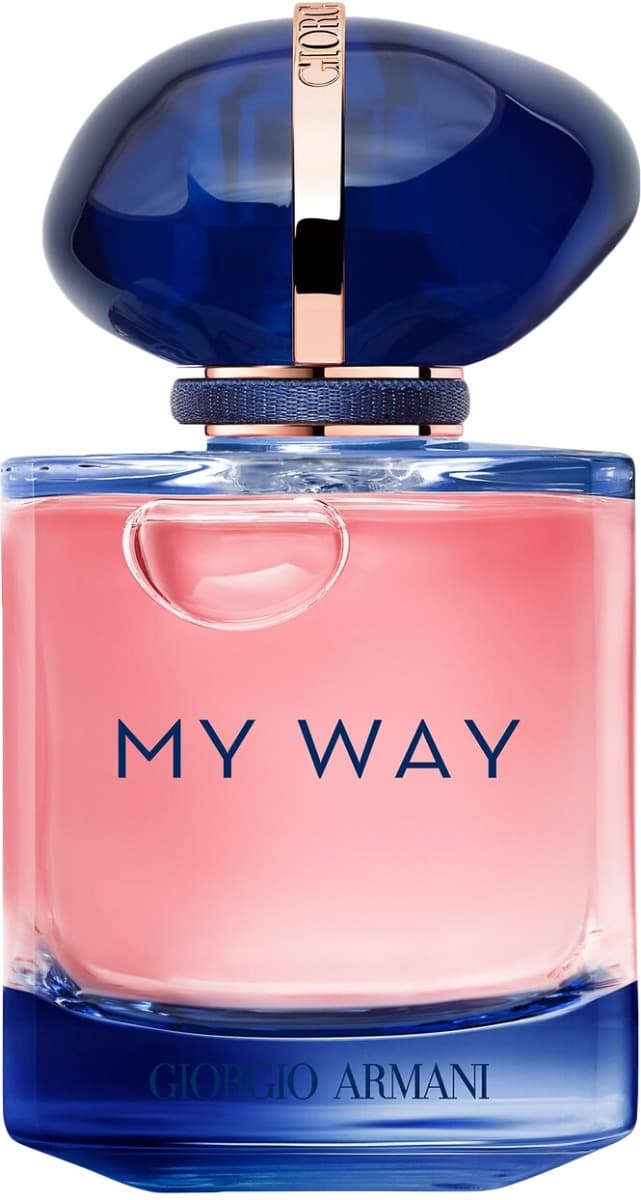 Floral
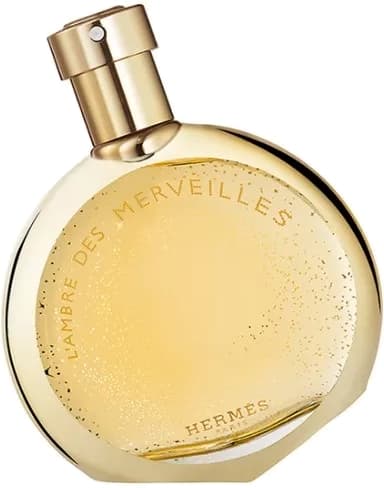 Oriental
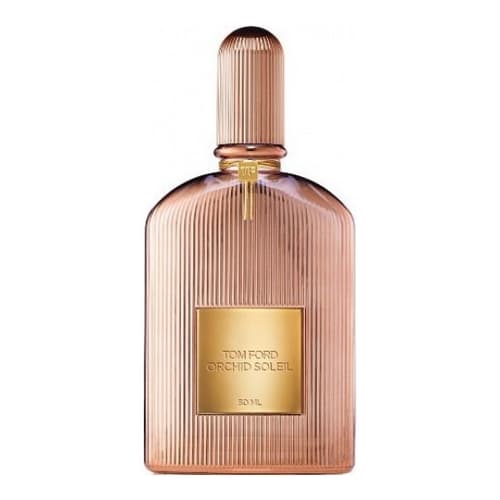 Oriental
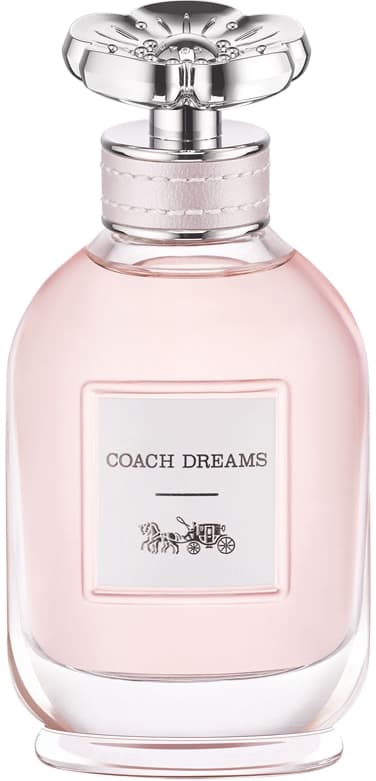 Floral