
 Floral
Nina Ricci
If the apple is a forbidden fruit carrying many symbols, it is also the emblem of the Nina Ricci house. Indeed, this house delights in transporting us to a world halfway between dream and reality.
Nina Ricci perfumes
Floral Floral
 Floral
 Floral
 Floral
 Floral
 Floral
 Floral
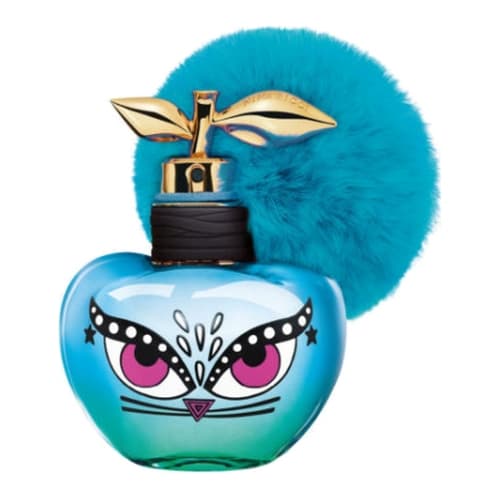 Floral
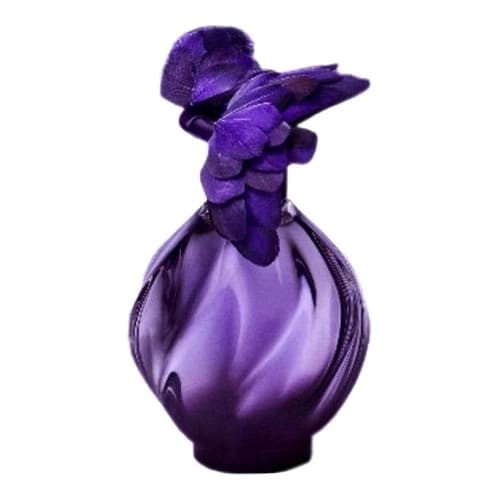 Oriental
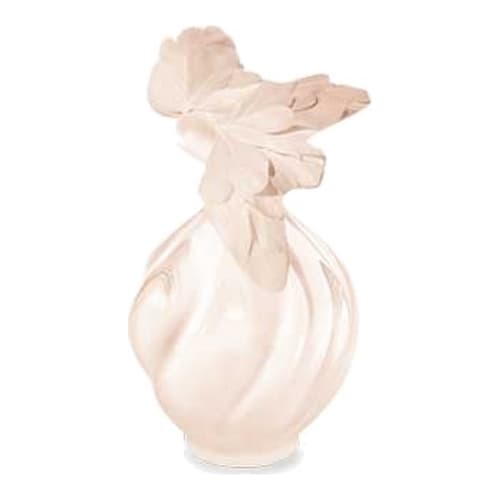 Chypre
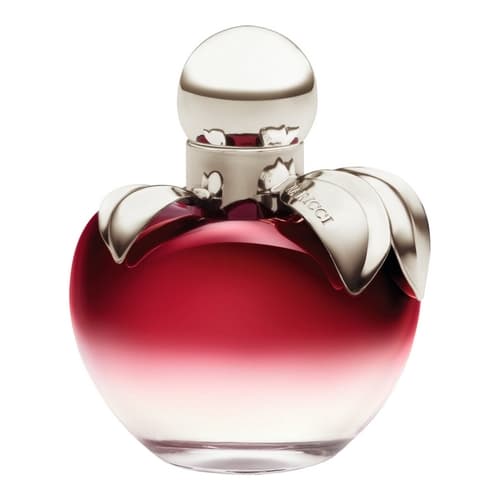 Floral
Each of its creations proves to be highly poetic, and Nina Ricci is a house endowed with an extraordinary history.
Who is behind the name Nina Ricci?
Nina Ricci is a house created by Maria Adélaïde Nielli, a Franco-Italian couturière, born in Turin in 1883. She moved to Florence when she was five years old. She then came to France at age 12. Later, she married Luigi Ricci, the son of an Italian jeweler. For about twenty years, Nina Ricci worked at Raffin, a Parisian couture house with an excellent reputation. However, it closed its doors in 1929, upon the death of its founder. It was then, in 1932, that Nina Ricci's son, Robert, left his career as an advertising man to found a couture house with his mother. He ran it masterfully for many years and decided to create a perfume. To do so, he asked the female nose of the famous house Roure, Germaine Cellier, to create a green and floral fragrance. He entrusted the creation of its crystal bottle to one of his childhood friends, Marc Lalique. This first fragrance was named Cœur Joie and was very quickly regarded as a true masterpiece.
The development of Nina Ricci perfumery
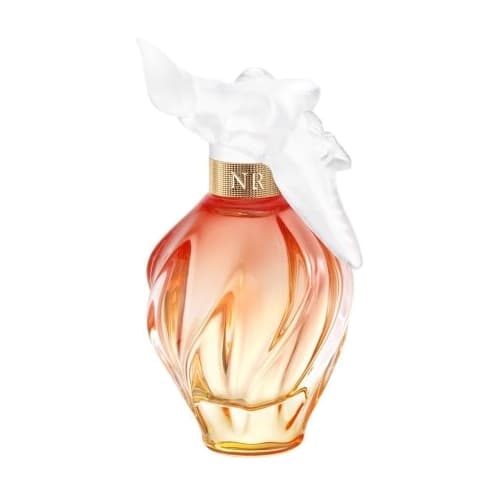
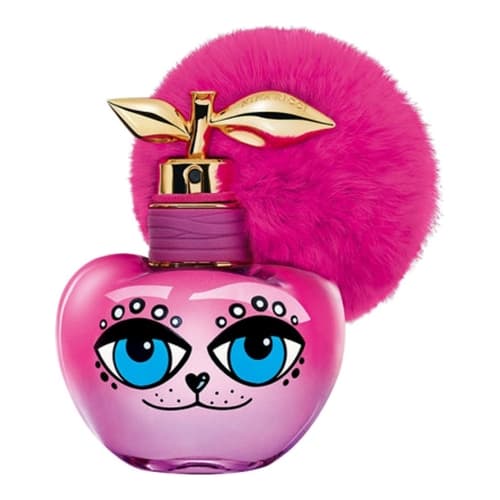
From then on, successes followed one another for the house of Nina Ricci. Robert Ricci launched, in 1948, L'Air du Temps, a perfume immediately ranked among the five best in the world alongside Shalimar, Chanel N°5, Arpège and Joy. To give an idea, one bottle was sold every second on the planet at the time! Buoyed by its success, the house of Nina Ricci decided to move to Avenue Montaigne, in Paris, in 1979, right across from Dior. Then, the following year, the co-management of the house was entrusted to Robert Ricci's son-in-law. Thus, the house of Nina Ricci has managed to pass on its heritage and expertise across generations. Today, since 1998, it belongs to the Puig license. Successes are numerous there, both in terms of perfumes and ready-to-wear or accessories. Moreover, the launch in 2006 of the new perfume Nina truly revived the house's renown. It evokes an awakening femininity and immerses us in a world close to dreaminess. Likewise, Peter Copping, creative director of Nina Ricci from 2009 to 2015, merely restored the spirit of femininity imbued with softness and lightness that has characterized this great house since its origins. Today, this position is held by the talented Guillaume Henry, and there is already great anticipation to discover more of his world in detail. Nevertheless, the new feminine perfume Luna can already boast of having won us over.