
 Floral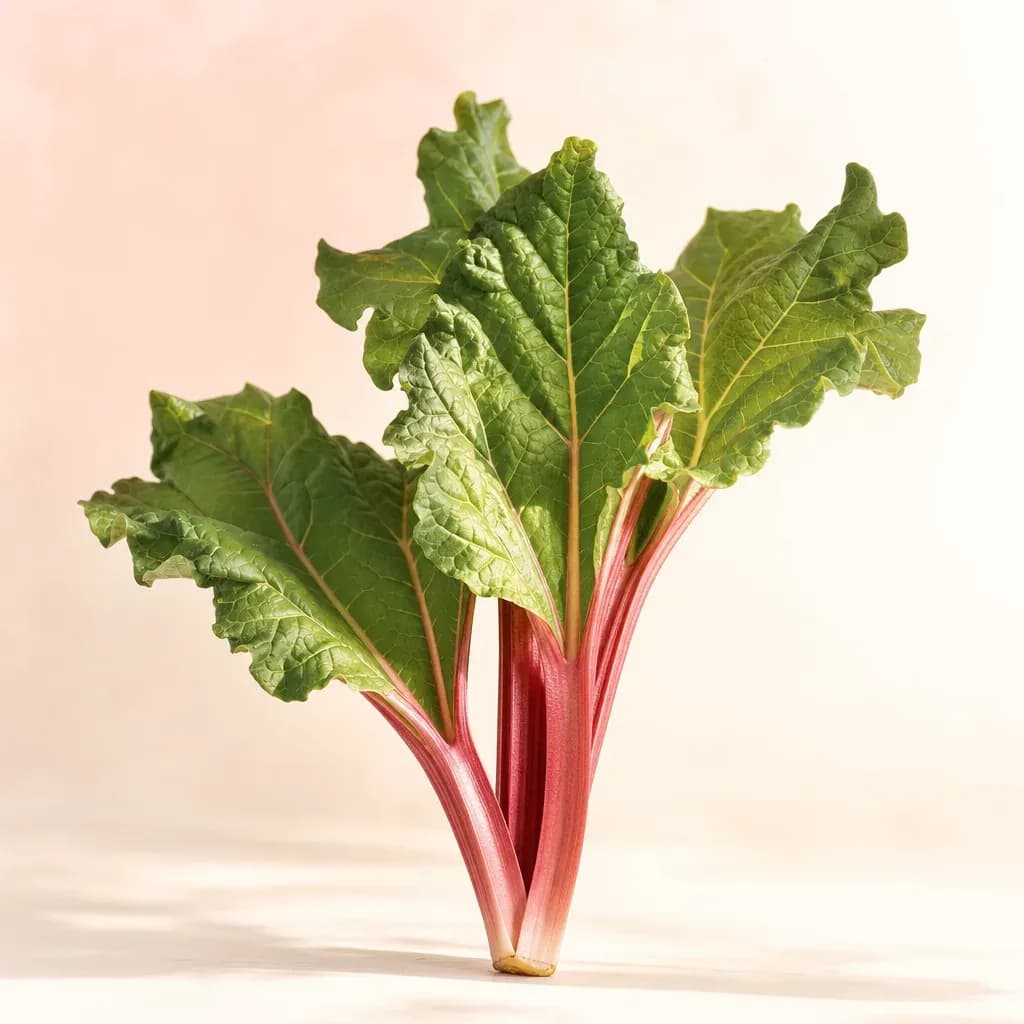
Rhubarb
It grows in our gardens and is immediately recognizable thanks to its enormous green leaves topping slightly pinkish stalks. It enhances our grandmothers' pies. It has a fibrous, sweet taste unlike any other. It delights jam lovers… Have you recognized it? It is, of course, rhubarb. However, it is not limited to the world of baking. Perfumers have well understood that it is an ingredient that is both gourmand and evocative of many memories. This is why they have decided to incorporate it into numerous perfumes.
The origins, cultivation and properties of rhubarb
Rhubarb is a perennial herbaceous plant of the polygonaceae family. It is particularly appreciated by gardeners for its robust nature. Indeed, rhubarb is a vigorous plant that nonetheless prefers temperate regions. It has large petiolate leaves about 50 cm long, roughly triangular and crinkled. Moreover, it should be noted that these leaves are edible. They grow from short green and reddish rhizomes, measuring approximately 50 cm in length and 3 to 7 cm in width. Rhubarb is a plant that has been known since ancient times, with traces dating back to Antiquity. China has recognized this plant for its medicinal properties for a very long time. Indeed, rhubarb is rich in vitamin C and proves to be highly invigorating. Similarly, its fiber-rich texture acts as a laxative and purgative, much like aloe. It contains numerous minerals, with potassium and phosphorus present in large quantities. Finally, the substance secreted by its root is highly valued for its antiseptic action, working directly on liver problems. Likewise, rhubarb is an excellent anti-inflammatory for oral mucous membranes. It was introduced to Europe by Marco Polo and was initially used only for its medicinal and ornamental properties. It was not consumed as a vegetable until the 13th century.
The production of rhubarb for perfumery
Rhubarb prefers deep, cool soils combined with sunny exposure. It is harvested from late April to June, then again from late September. A rhubarb plant can then be effectively harvested for 5 to 10 consecutive years. However, at reduced yield, a rhubarb plant can live for about 50 years, and some plants over 100 years old have already been recorded! In perfumery, however, it is not possible to extract its scent directly. Thus, it is reconstituted by the perfumer from other essences. Overall, the rhubarb accord is characterized by a green, fruity and aromatic scent, slightly tart and floral.
Generally speaking, rhubarb is an ingredient essentially reserved for fine perfumery. It is notably present in Adieu Sagesse by Jean Patou, in Tutti Kiwi from the Acqua Allegoria collection by Guerlain, or in several summer editions of the iconic Ck One by Calvin Klein.
Identity card
- Latin name : Rheum
- Origin : Artificielle
- Type : Molécule
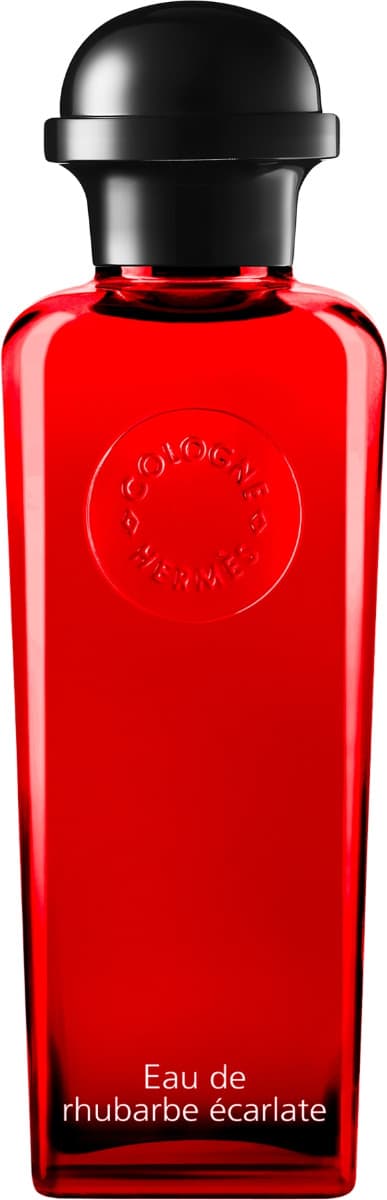
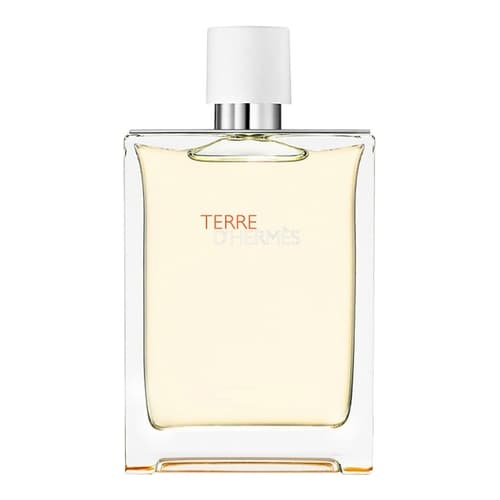
Perfumes with the Rhubarb note
Floral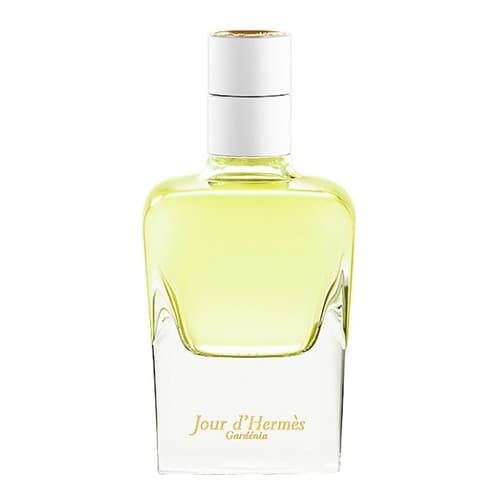 Floral
 Citrus
 Floral
 Woody
Woody Woody
Woody Floral
 Oriental
 Citrus
 Oriental
 Floral
 Floral