
 Oriental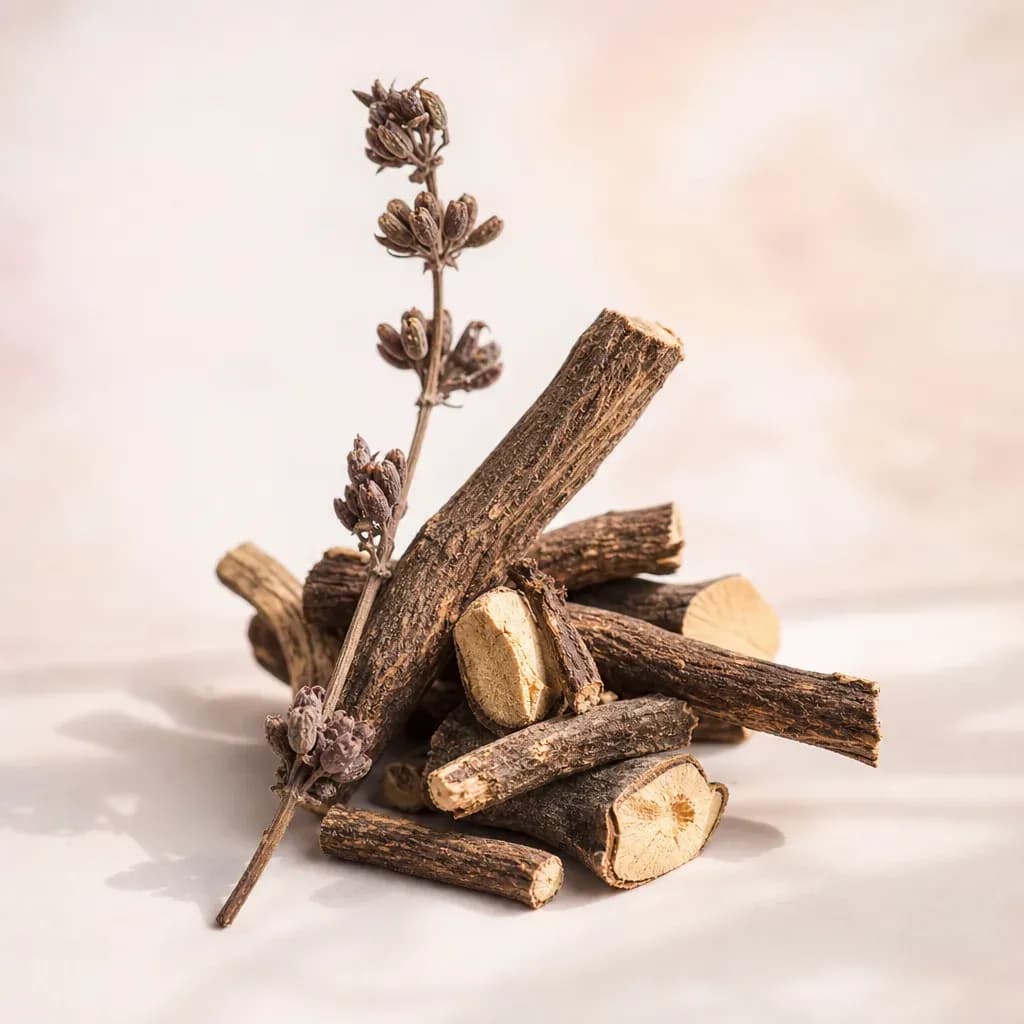
Licorice
Certain houses, like Lolita Lempicka for instance, enjoy taking us into a fairy-tale world at the border between the world of childhood and that of adulthood. To do so, they call upon our memories, notably through the addition of sweet notes or notes evocative of our earliest years. Such is the case with licorice.
Licorice, an ancient plant
Licorice is a perennial plant belonging to the fabaceae family. It measures between 1 m and 1.50 m in height. It has large pinnate leaves, a flat pod-shaped fruit, and roots forming rhizomes. The part that is known and consumed is the plant's roots. While some have made it their favorite candy, others see it as an elixir of long life. Such is notably the case in Chinese medicine. Licorice generally grows in rich, moist soil. A warm climate is essential to its development. Thus, it is mainly found around the Mediterranean rim, in the southern United States, in the Middle East, in North Africa, or on the island of Mauritius. However, when in a favorable area, licorice tends to become invasive, much like mint, for example. It has been known for a very long time, notably since the time of the Greeks and Romans, who used it to clear the voice. Likewise, in the 1950s, licorice was used to treat cases of ulcers and gastritis. It is also considered an excellent remedy for colds, sore throats, or bronchitis. Over the course of its history, licorice has been known by various names such as sweet wood, sugar wood, sweet root, or regalisse.
Perfumes with licorice
The flavor of licorice is used in perfumery directly from its roots. Perfumers extract it directly or obtain it in powder form. Nevertheless, they can now reproduce its scent in the laboratory. It is used in both masculine and feminine perfumes. It brings a spicy, woody, and sweet touch to compositions that contain it. Moreover, it is very often paired with vanilla. As such, it proves to be particularly gourmand, evoking the flavor of candy. As a result, licorice is highly appreciated by gourmand lovers and gives the wearer skin that is “good enough to eat”!
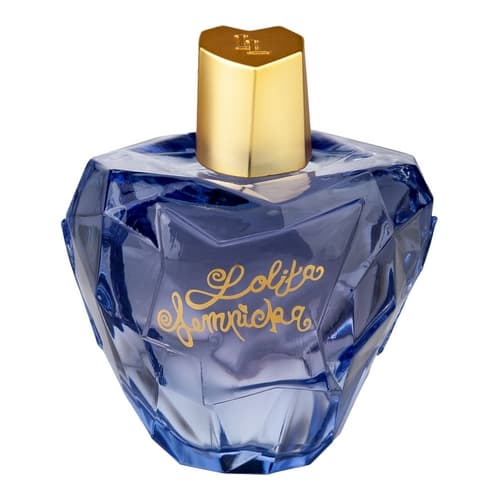
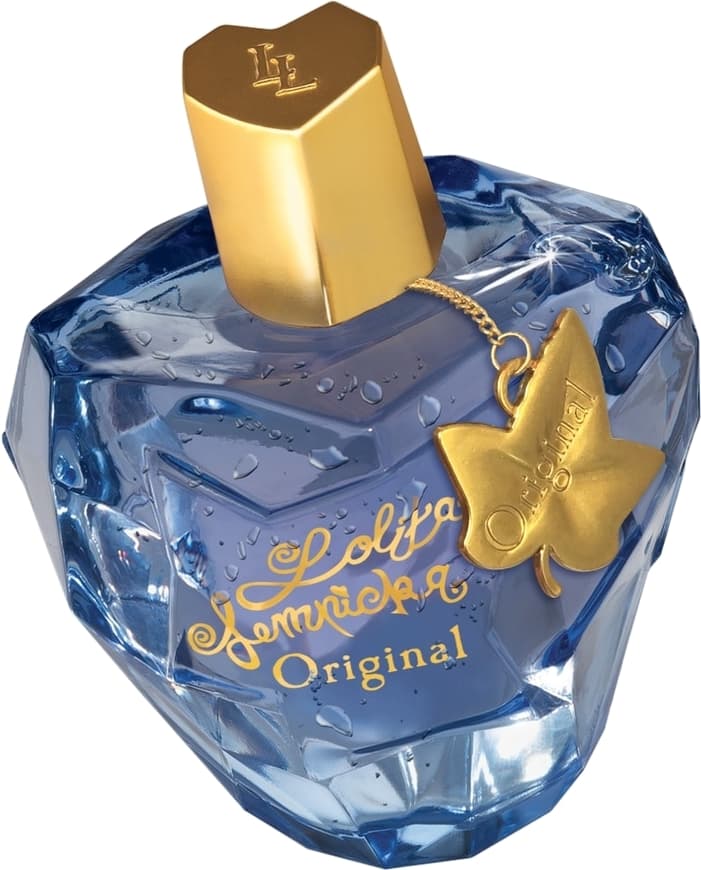
Of course, the most famous composition featuring licorice is none other than the iconic perfume by Lolita Lempicka. Nevertheless, this plant is also present in Bois Vanille by Serge Lutens, in Décibel by Azzaro, in Fahrenheit by Dior, and in the eponymous perfume by Balmain.
Identity card
- Latin name : Glycyrrhiza glabra
- Origin : Artificielle
- Type : Reproduction
Perfumes with the Licorice note
Oriental Chypre
 Oriental
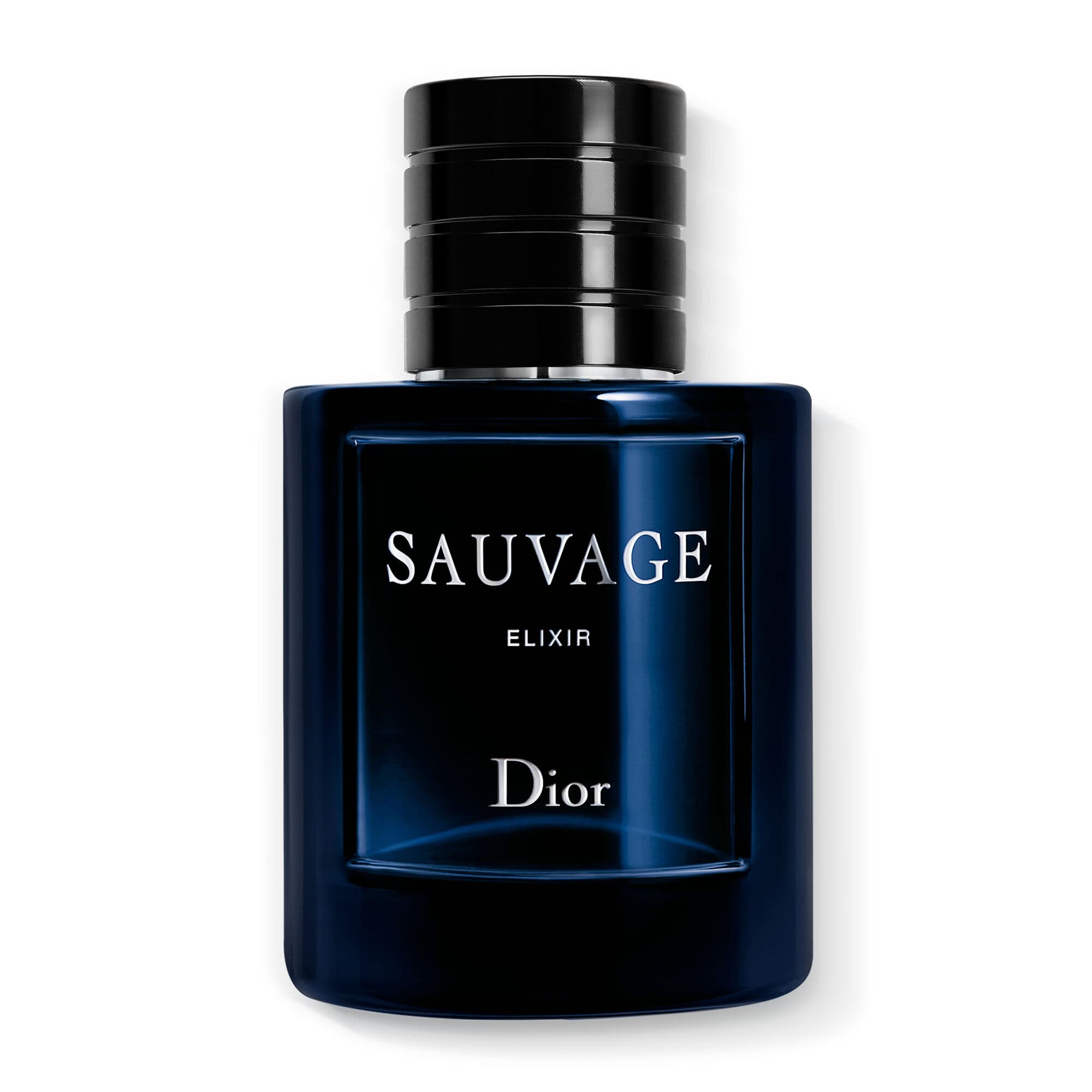 Woody
Woody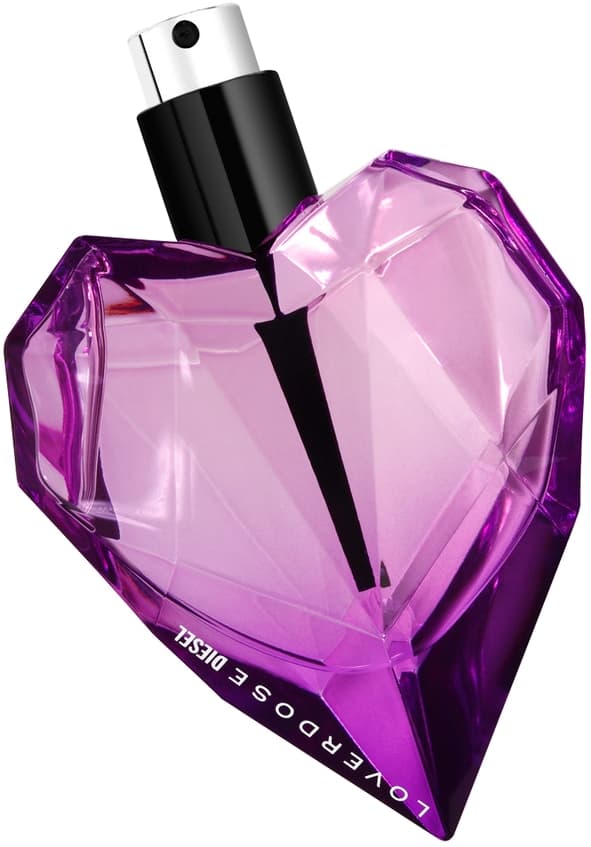 Oriental
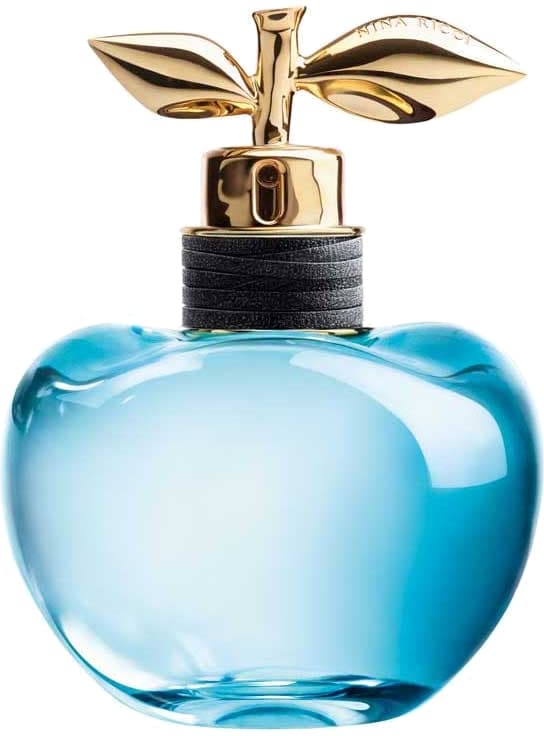 Oriental
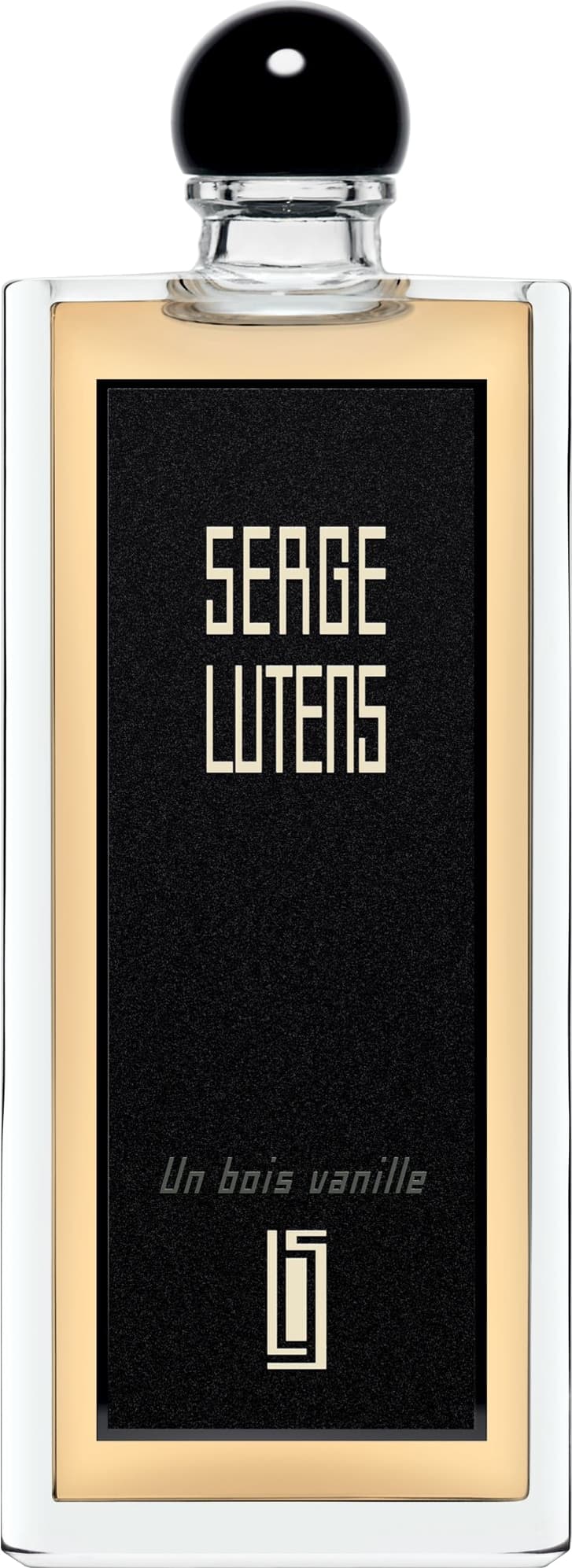 Oriental
 Floral
 Floral
 Chypre
 Floral
 Oriental