
 Aromatic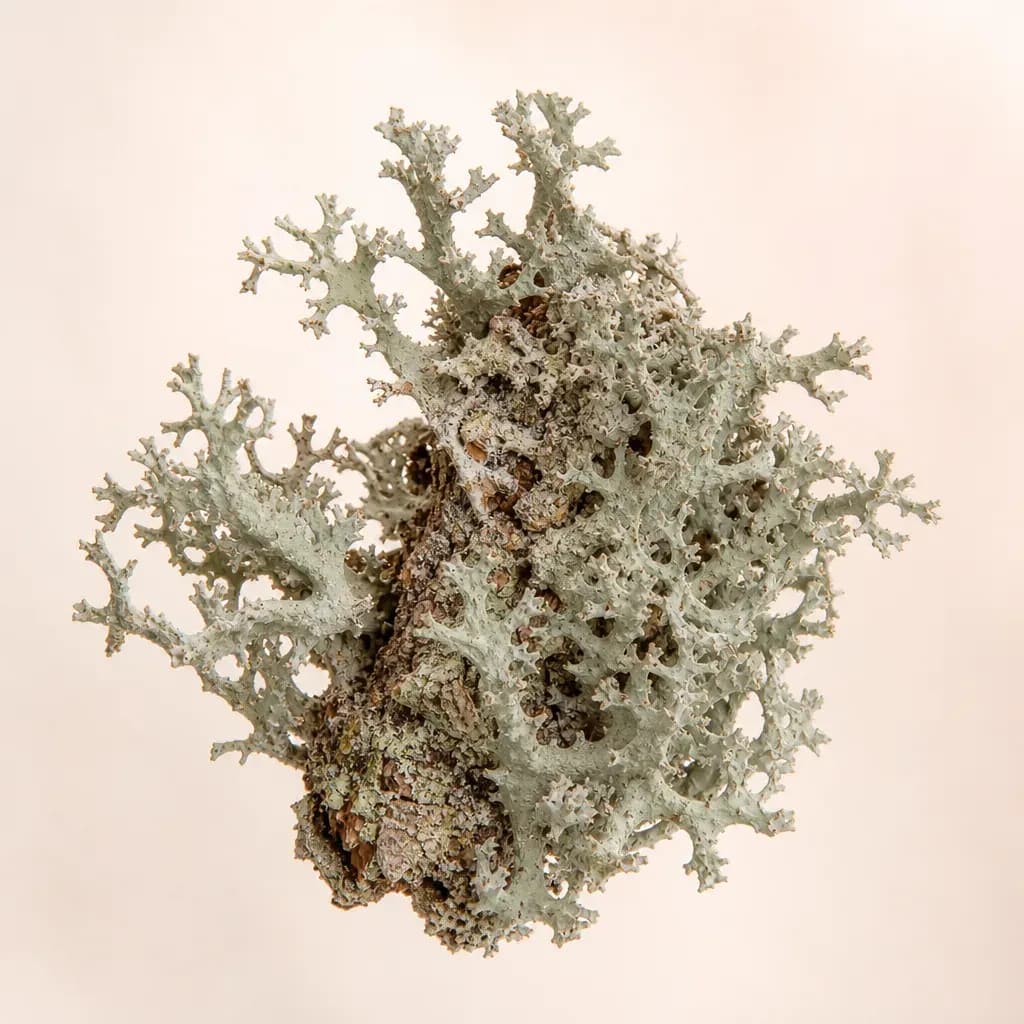
Tree moss
Tree moss: Our trees produce your finest chypre fragrances! Nature is certainly the greatest source of inspiration for the noses of perfumers. Clearly, tree moss or oakmoss inspired René Coty a great deal when he created Chypre in 1917. From this fragrance was born an entire new olfactory family that used, and still uses, one of the best-known raw materials of the countryside: tree moss, and more particularly the lichen that forms on tree trunks. Woody, earthy, with the scent of a quiet walk through the forest, the tree moss facet still captivates as much through its olfactory power as through the imagination it inspires...
When wood and lichen transform into precious fragrant essences
Let us walk through the woods of the countryside that remain sheltered from urban pollution and the hectic pace of human life, and observe the trees and their layers of lichen, half fungus, half algae, developing quietly, ready to be harvested and transformed in winter and spring into an absolute that will become perfume. To produce 1 kg of tree moss or oakmoss absolute, 100 kg of moss must be harvested, which shows how arduous the task is! However, the tree moss, mixed with solvents and then washed with alcohol, is recovered in that same alcohol to yield the precious substance that delights the noses of perfumers.
The process is simple, and tree moss absolute can in fact be made using many types of trees such as ash, cedar, fir and oak... The name oakmoss is therefore no longer tied to the botanical origin of the tree, as an oakmoss in perfumery may come from any type of tree... That said, to be more precise, each type of tree produces mosses with subtly different fragrances.
Finally, it should be noted that the harvesting of tree moss is of course linked to the state of our environment, since, as mentioned, lichen only grows in unpolluted areas. Let us hope that this magnificent natural raw material will not, in turn, disappear in the future...
The essential ingredient of chypre perfumes: tree moss
Tree moss or oakmoss of course experienced its first moments of glory with the creation of the famous Chypre by René Coty. Used as a base note paired with powerful patchouli, tree moss extends the pleasure of its long, smoky and earthy scents in a juice that, through the complexity of its combination, would go on to single-handedly create a new olfactory family: the chypres.
Since René Coty and Chypre, both feminine and masculine chypres have diversified widely around different accords (fruity, leathery, aromatic, floral or aldehydic), yet the woody notes of tree moss have remained one of the essential components tied to this olfactory family of character.
Yet in the 1990s, tree moss came close to disappearing altogether, suspected of being a potentially allergenic substance. Fortunately, the 2000s saw this fabulous moss grow once again in new floral chypre accords such as those of Miss Dior, or in the juice of Mon Paris by Yves Saint Laurent. As for the masculine range of fragrances built on tree moss notes, the iconic Eau Sauvage by Dior remains a classic, but it also leaves room for other fragrances just as well loved by men, such as 1881 pour Homme by Cerutti.
Identity card
- Latin name : Evernia Furfuracea
- Origin : Arbre
- Country : FR
- Part used : Lichen
- Type : Naturel
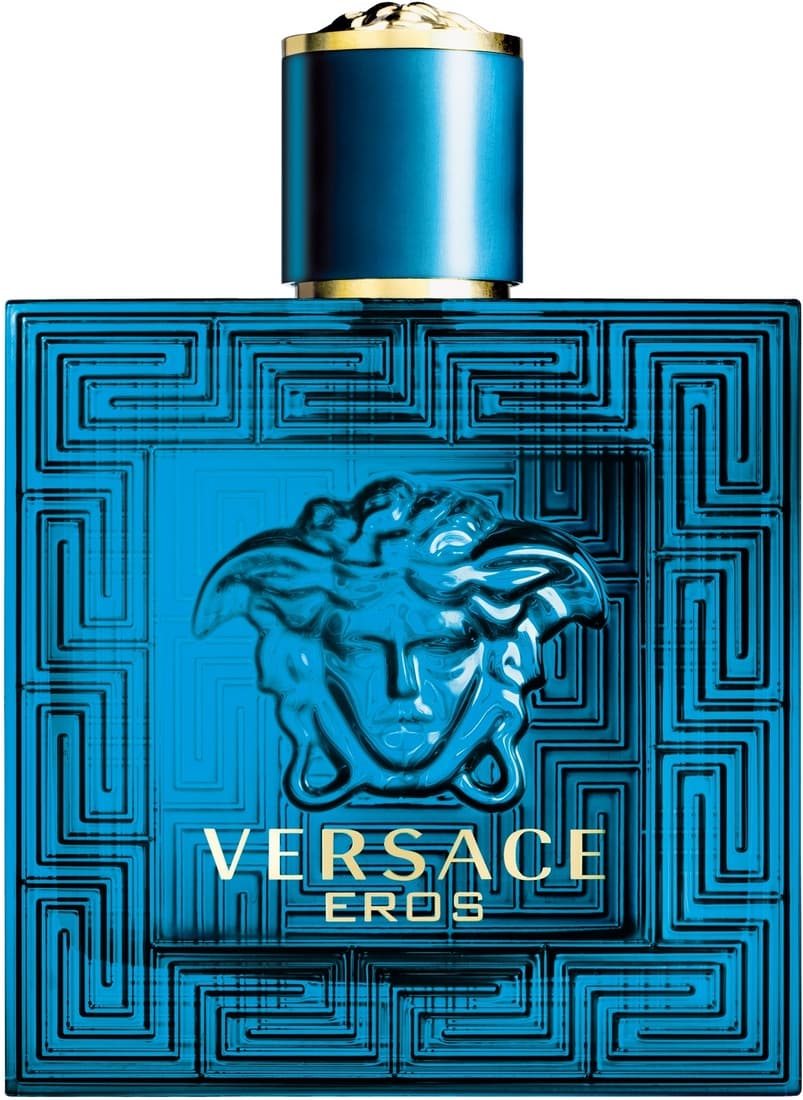
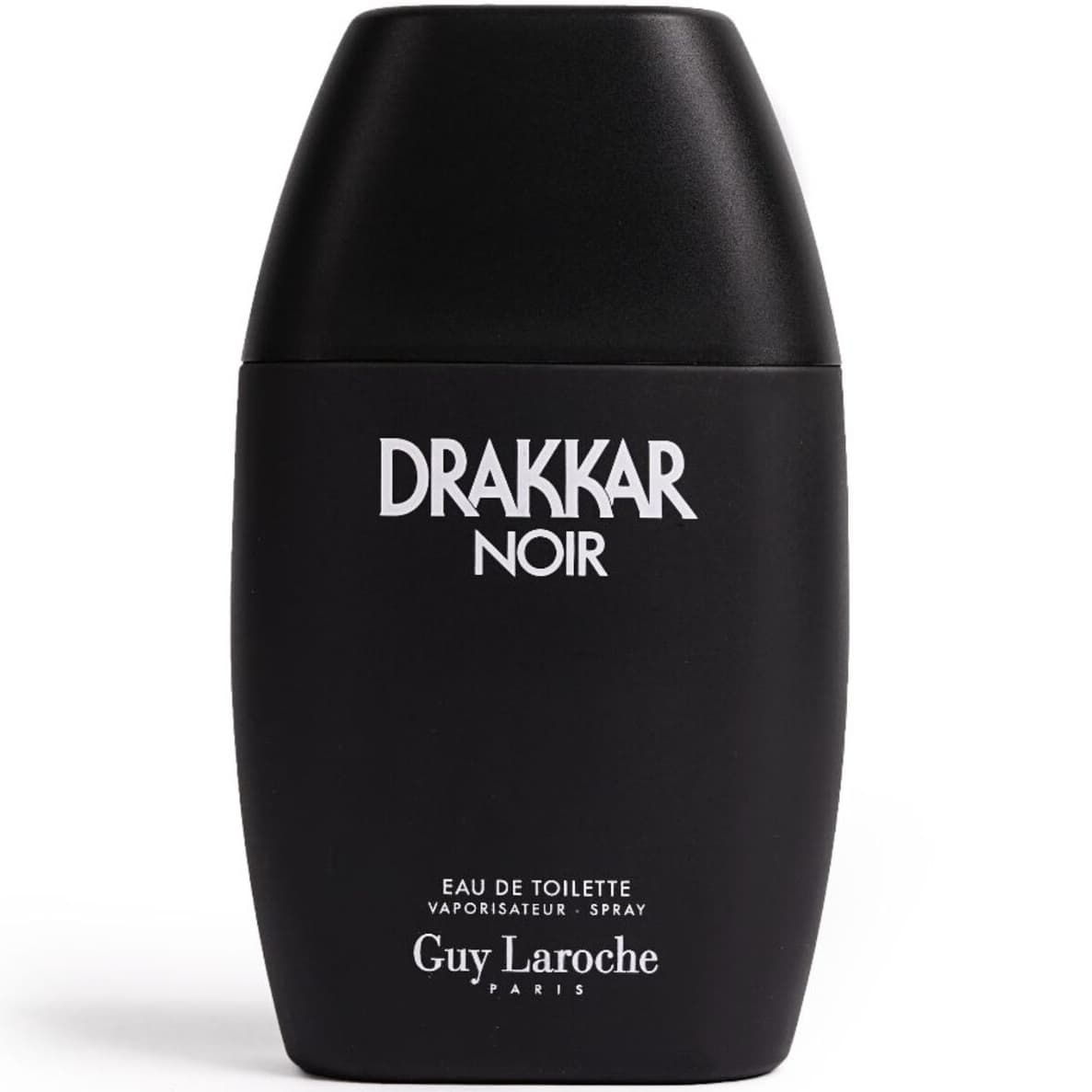
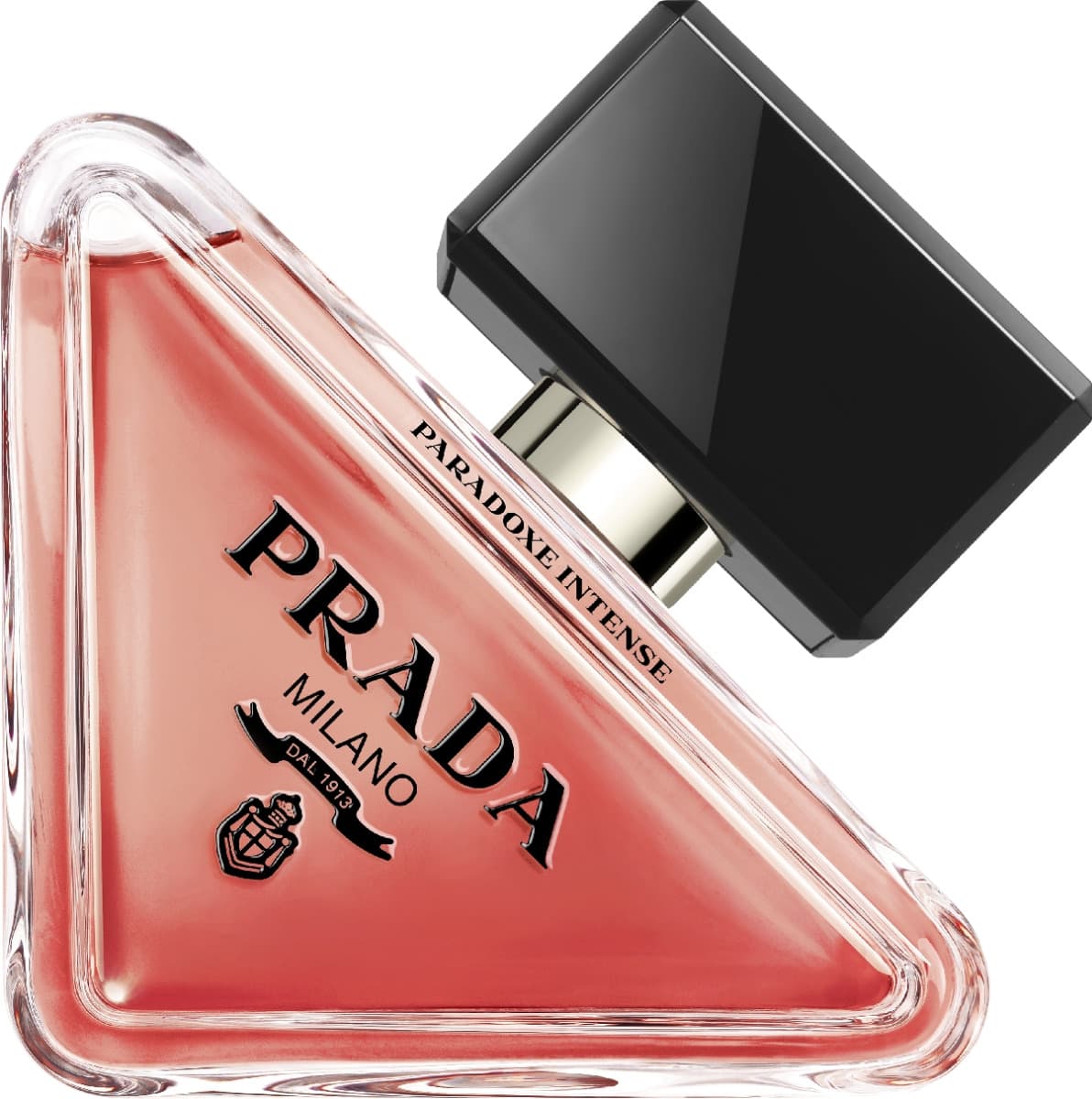
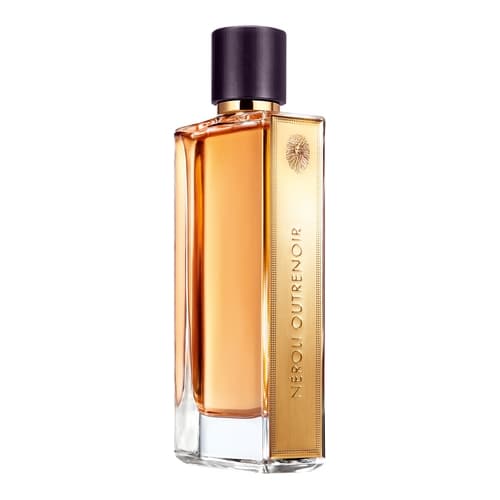
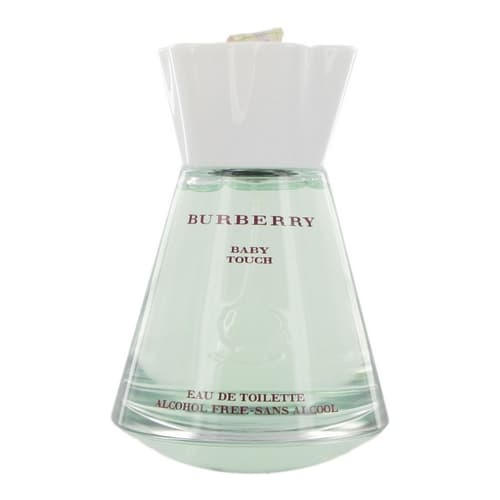
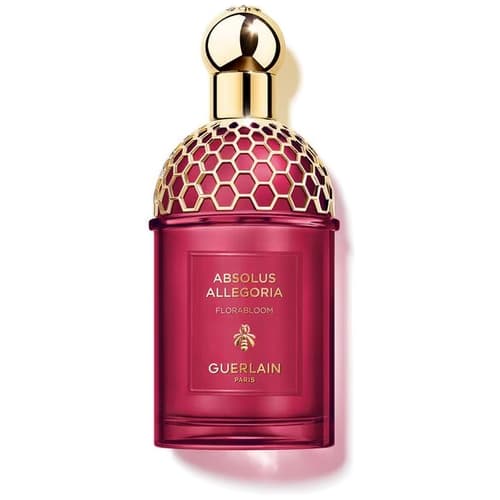
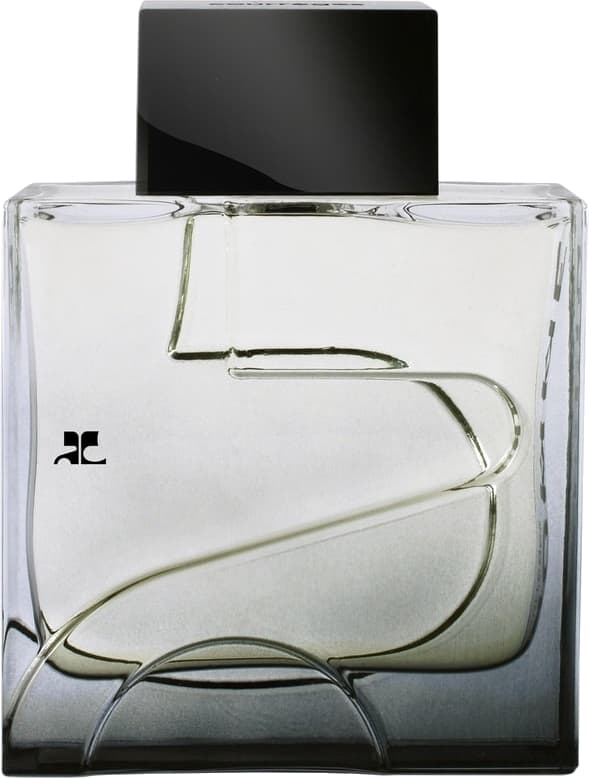
Perfumes with the Tree moss note
Aromatic Floral
 Fougère
 Floral
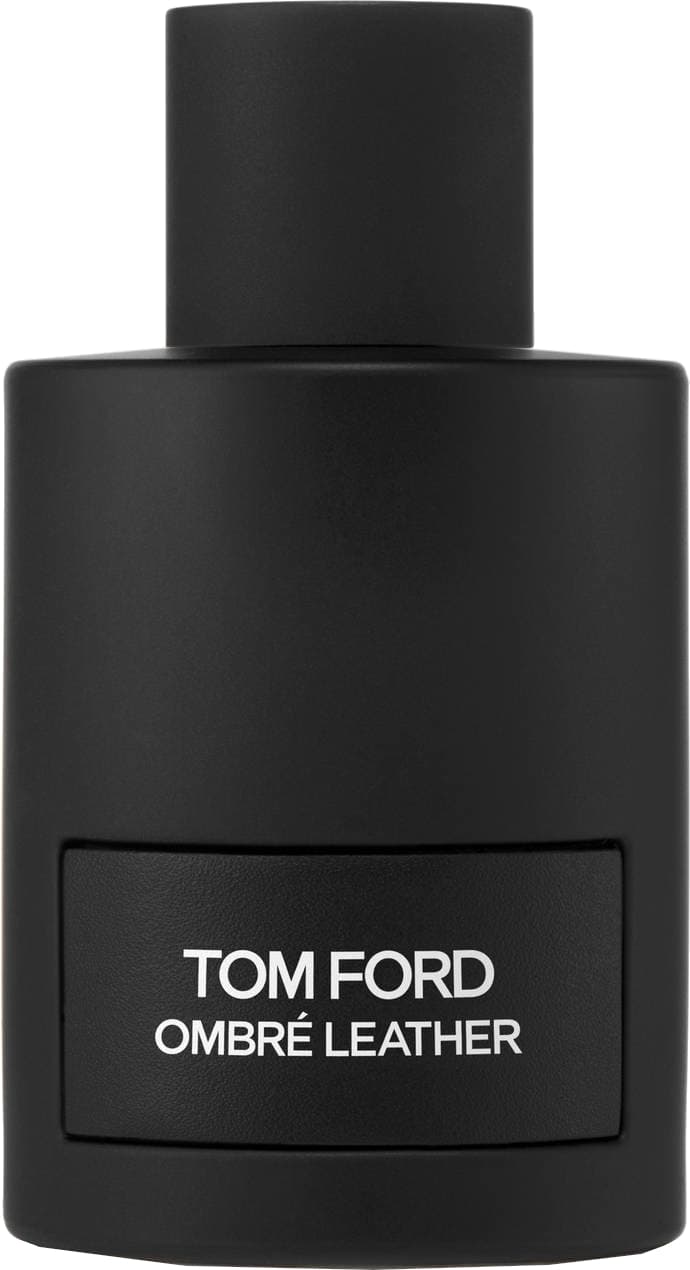 Oriental
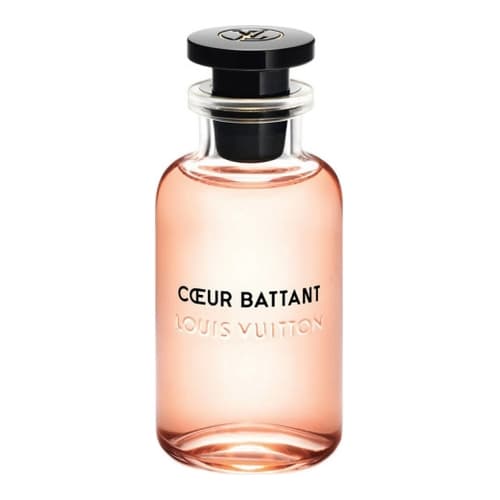 Chypre
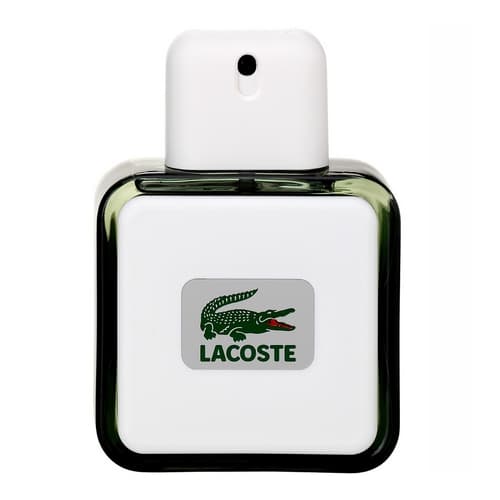 Fougère
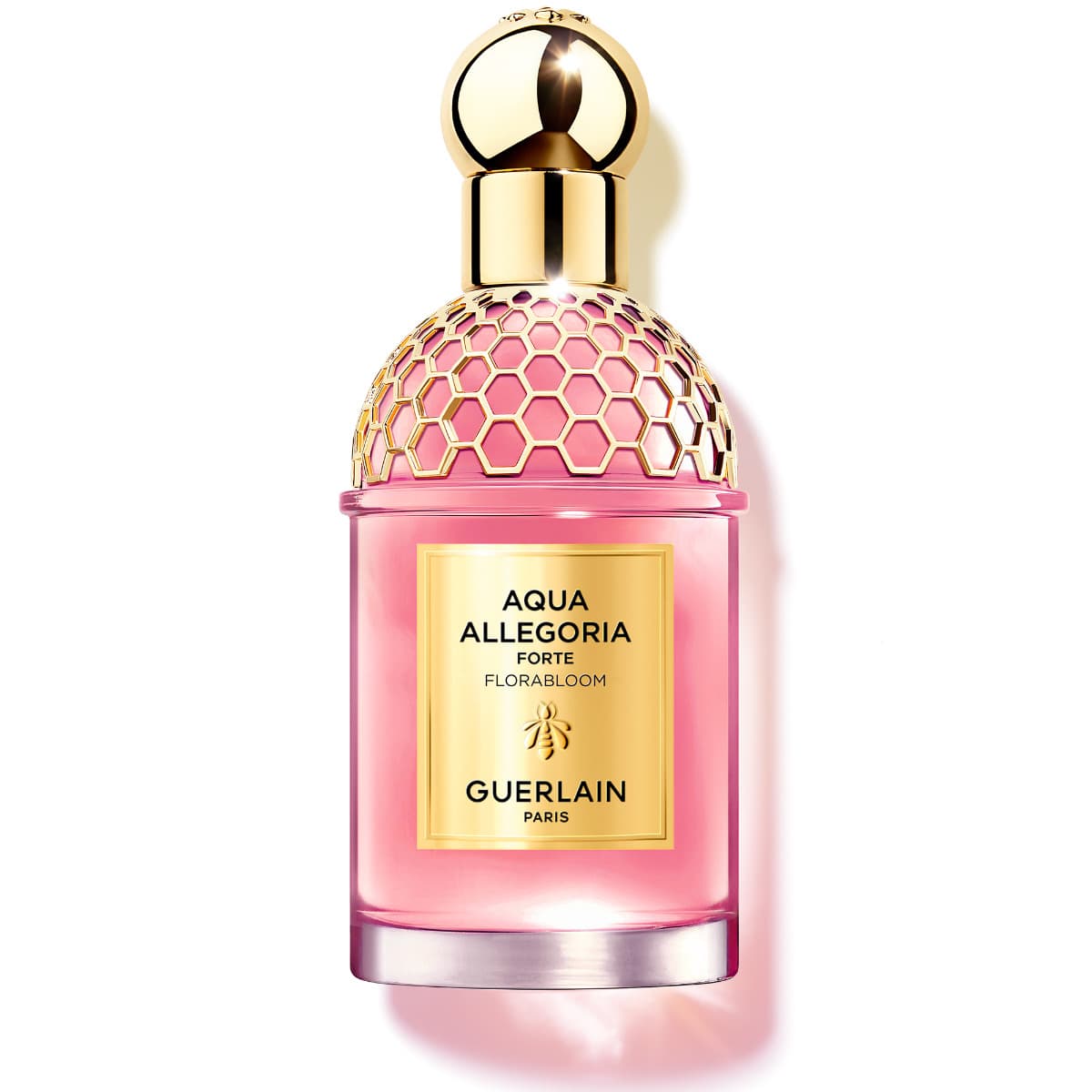 Floral
 Citrus
 Aromatic
 Floral
 Woody
Woody