
 Oriental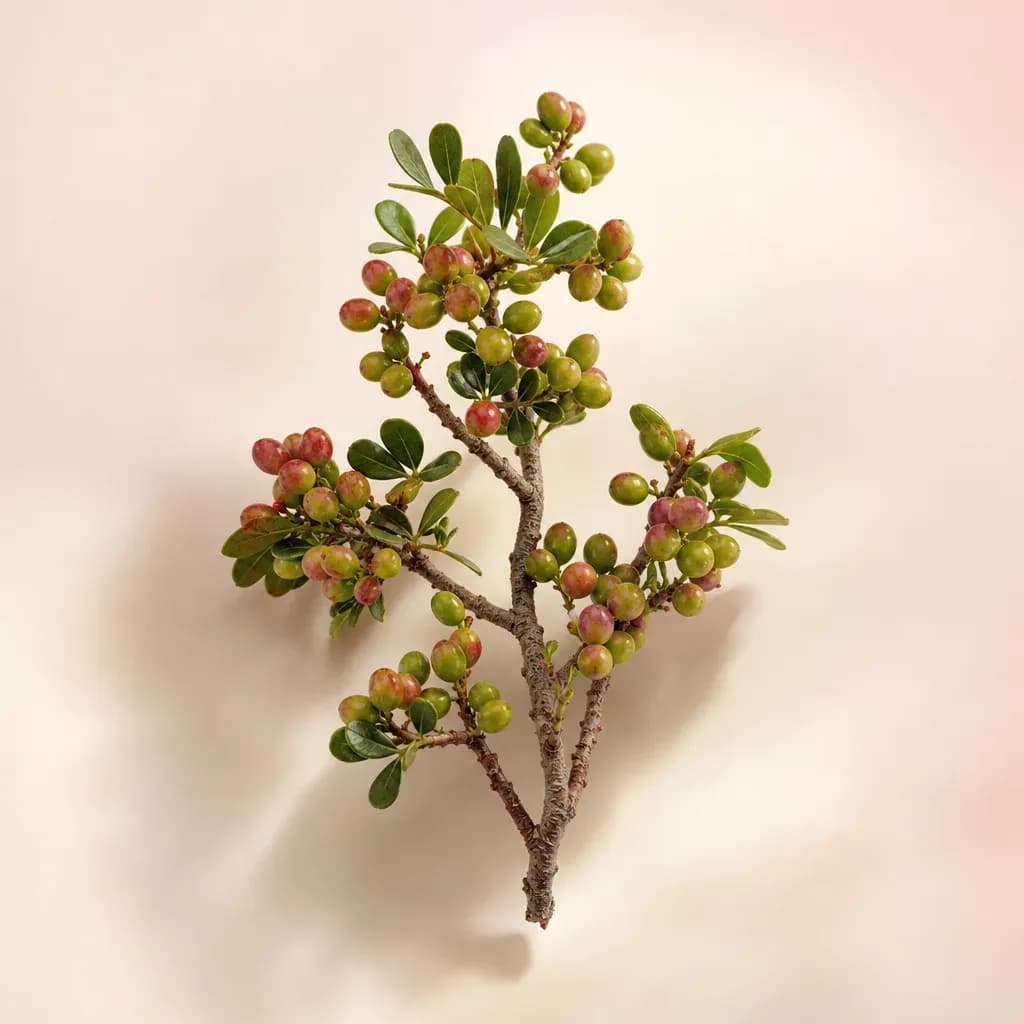
Mastic
Mastic is a fixture of the maquis and the Garrigue. What is more, it is also a familiar raw material in perfumery. It seems capable of plunging one into a Mediterranean climate with a single breath, delighting perfumers as much as consumers.
The Mediterranean spirit of mastic
Mastic is also known as the mastic tree. It grows in the garrigue and particularly favors the Mediterranean climate. It is a plant belonging to the Anacardiaceae family, with evergreen foliage and small fruits. The first mention of mastic trees dates back to the Greek botanist Theophrastus in the third century BC. Nevertheless, even though the Roman encyclopedia mentions this plant, its first modern botanical description dates back to the twelfth century. At that time, the plant was observed on the islands of the Aegean Sea. Today, it is a plant widely found throughout the Mediterranean basin, whether in North Africa, Mediterranean Europe, Turkey, Iran, Syria, Iraq or Israel. In France, mastic grows mainly in Charente-Maritime as well as in Corsica. It is on this island, moreover, that one finds a specimen estimated to be between 700 and 1000 years old. This earned it the title of remarkable tree of France. Mastic bears flowers that bloom from March to June. Likewise, a small, round, edible fruit about 5 mm in size adorns it. The fruit is red and bitter as it grows but turns black and sweeter in winter.
Uses of mastic
Mastic is used in many ways. It produces a kind of resin when repeated incisions are made in its stems. This natural gum is produced at a rate of 150 to 180 g per year per mastic tree. It is pale yellow in color and gives off a relatively strong balsamic odor. It is used in the East to freshen breath and protect the gums. Likewise, in traditional medicine, it helps combat ulcers, colic and digestive problems. Mastic wood, pink or ochre in color, is used in cabinetmaking. It is also excellent as charcoal. The fruit of the mastic tree, on the other hand, is used for consumption and can be eaten either raw or in the form of confections in Arab countries. Finally, mastic is used to produce an oil. It is used in North Africa to make a kind of aphrodisiac butter. It is also eaten on bread in Sardinia. In Morocco, it treats burns and back pain. In perfumery, however, mastic has the property of lending fragrances a green, fresh character. Its scent is obtained by distilling its branches and flowers. However, its exceedingly low yield makes it a very expensive raw material. This is why mastic is reserved exclusively for fine perfumery.
Identity card
- Latin name : Pistacia Lentiscus
- Origin : Arbre
- Country : MA
- Part used : Rameaux
- Type : Naturel
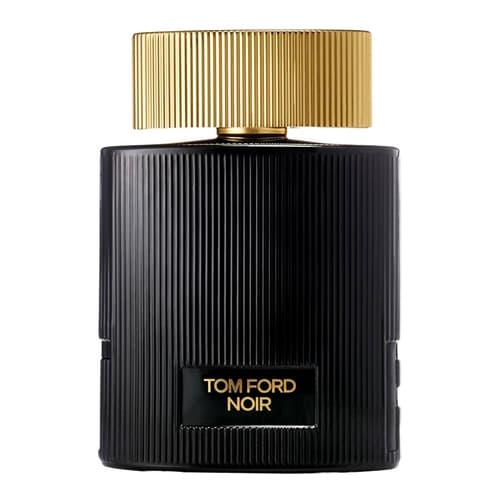
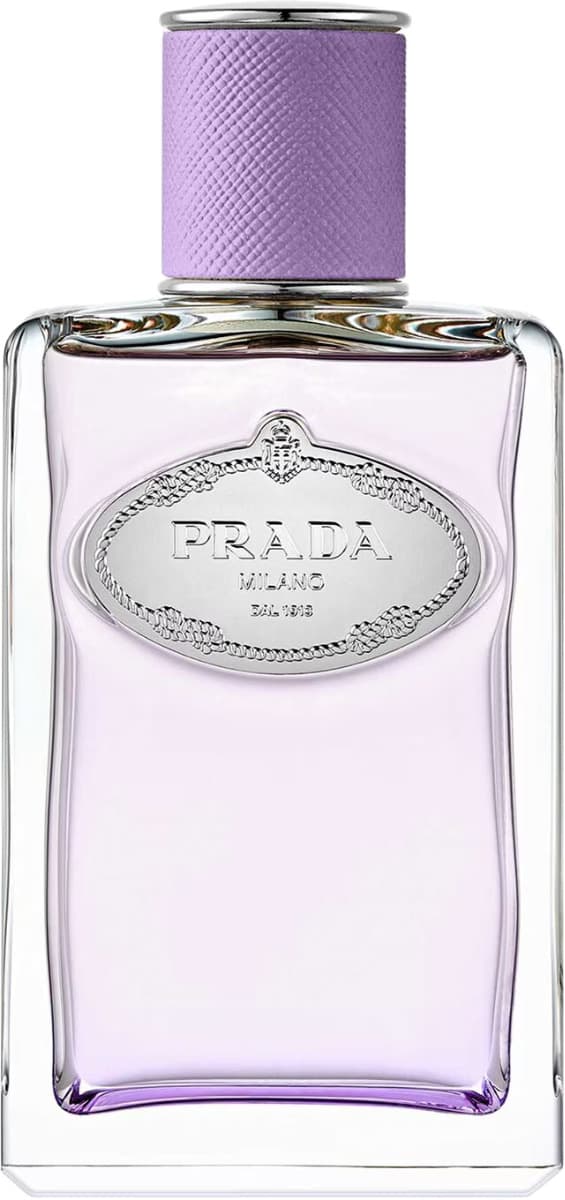
Perfumes with the Mastic note
Oriental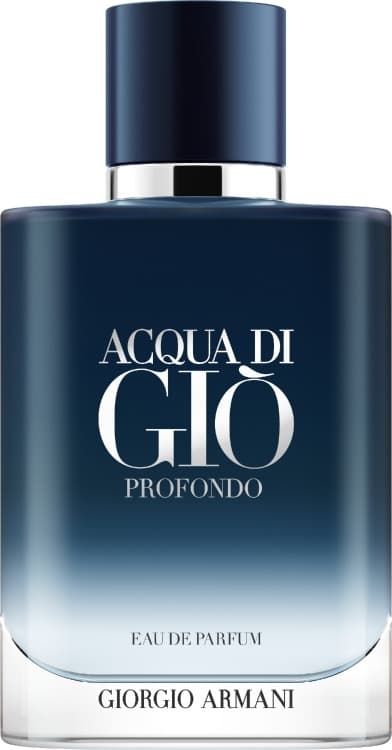 Aromatic
 Aromatic
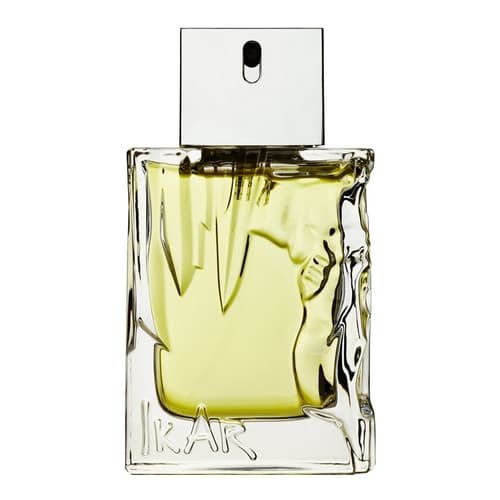 Woody
Woody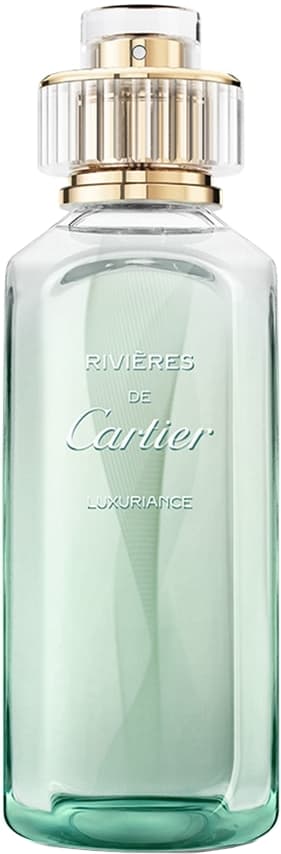 Aromatic
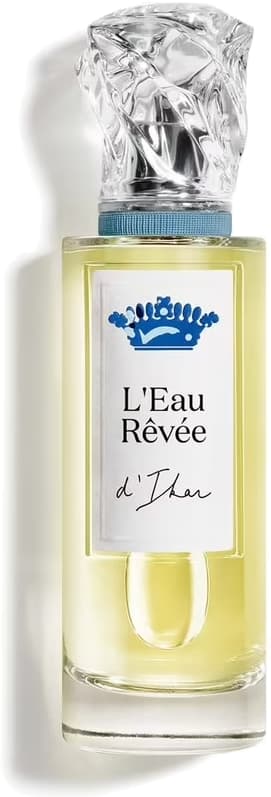 Aromatic
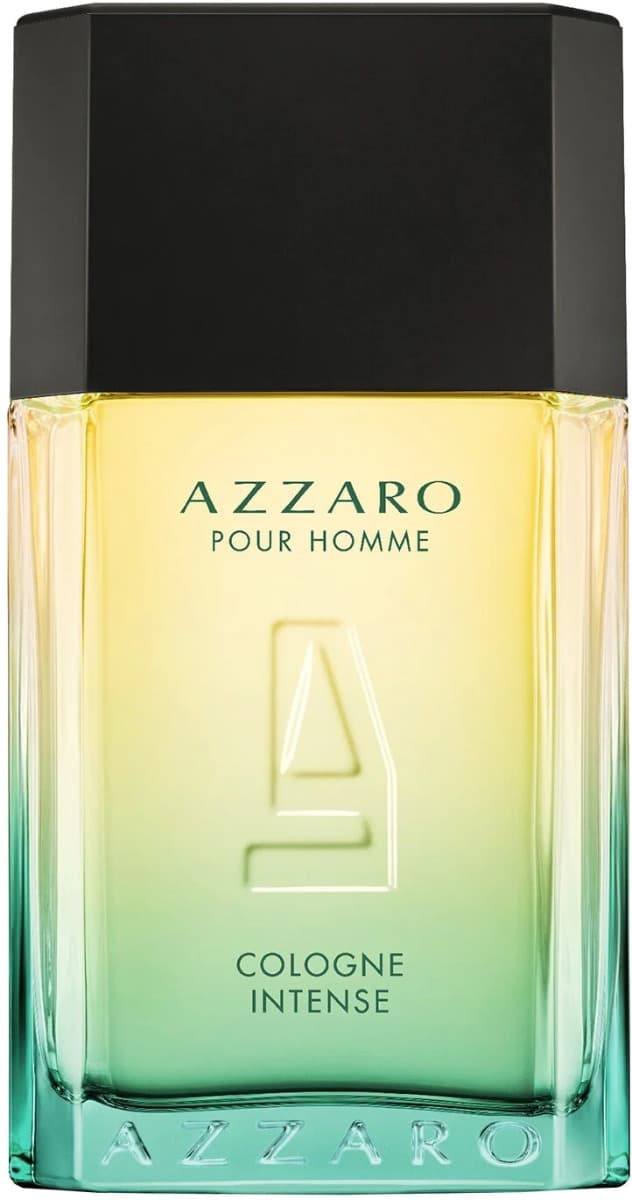 Citrus
 Woody
Woody Citrus
 Oriental