
 Aromatic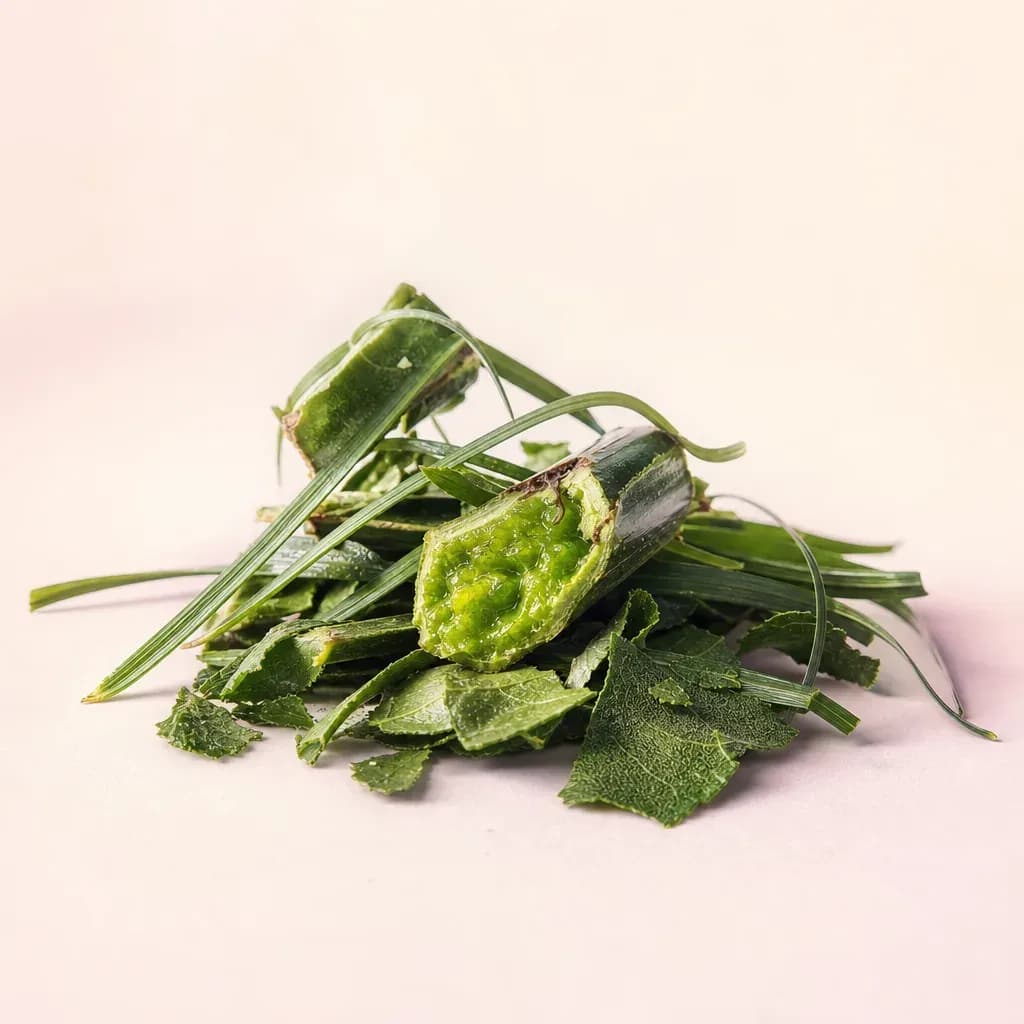
Green
The plant-based and synthetic origins of the green facet in perfumery
The best known raw material used for the green facet is Galbanum essence. Galbanum is a plant that grows particularly in Iran or Afghanistan. It is the gum of the galbanum that is collected from the roots of the plant to be distilled in order to obtain the essence.
Galbanum essence has the advantage of providing intense undergrowth scents which, when worked with other fragrances, make it possible to obtain very powerful green top notes. Petitgrain essence (from the tree called the bitter orange tree), Violet flower absolute or Blackcurrant bud are also widely used in creating a green note for their powerful scent of fresh herbs.
As for synthetic molecules, the most widely used is cis-3-hexenol, providing a strong green note as well as a pleasant fruity scent.
One of the first perfumes to have showcased the green note as a top note is the famous Vent Vert by Balmain, released in 1945. Paired with basil, the overdose of Galbanum offered its devotees a new wind of totally unprecedented green freshness for the time.
Green notes paired with florals and chypres
The same year Vent Vert was released, one of the first green chypre perfumes was unveiled: Miss Dior. The top notes are based on Galbanum, Bergamot and Gardenia, while the heart and base are unmistakably signed by a chypre base. Perfumes in the green chypre family are essentially built around a green top note of Galbanum or Hyacinth, then paired with Coty's magic formula for chypre (Oakmoss, Cistus-labdanum, Patchouli and Bergamot). The green chypre aims to be fresh in its first effluvia, then warm and intoxicating in its sillage...
As for the main representative of green florals, it is of course the famous Anaïs Anaïs by Cacharel. Galbanum paired with Hyacinth and Honeysuckle offers a powerful green note that is swept away by a great gust of romantic flowers in the heart and base notes. Green florals are currently particularly appreciated by young girls and young women drawn to airy and delicately scented fragrances.
Today perfumes adopt this green facet for both women and men, as much for the purity of their forthright opening as for the irresistible and natural sensation of soft, airy freshness. The 90s and the return to less opulent, more natural perfumes marked the great comeback of green juices, until then almost entirely unexplored for their exclusively plant-based scent, as Vent Vert had been in its time. The desire for pure air and the need for natural scents are more than ever in tune with the times...
It is therefore very likely that green notes will continue to be declined into multiple facets, as they inspire the creativity of noses as much as the unconditional love of their enthusiasts!
“Green” as a secondary family
Aromatic Aromatic
 Aromatic
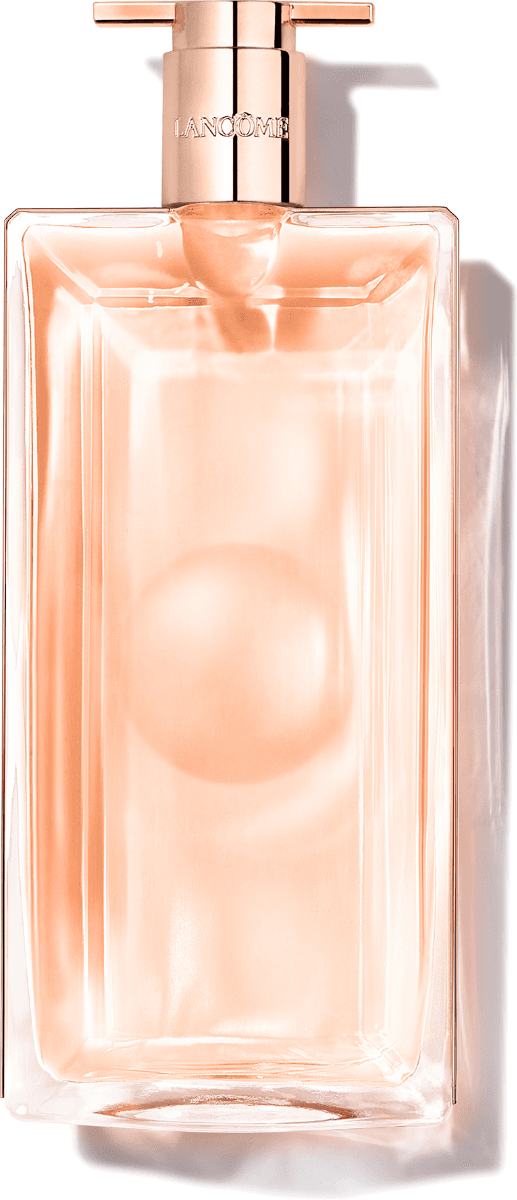 Floral
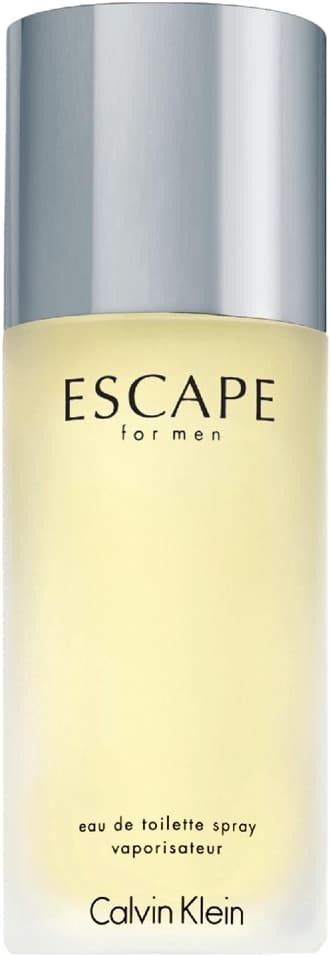 Fougère
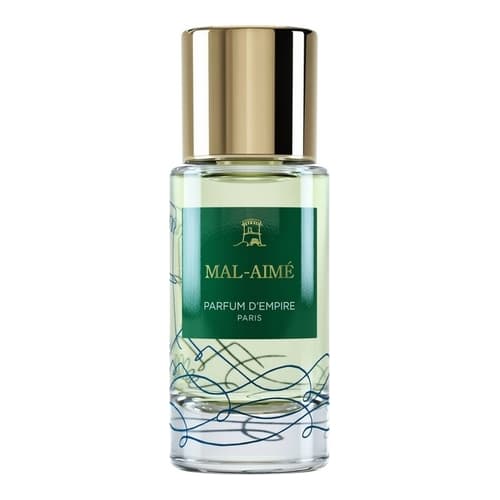 Fougère
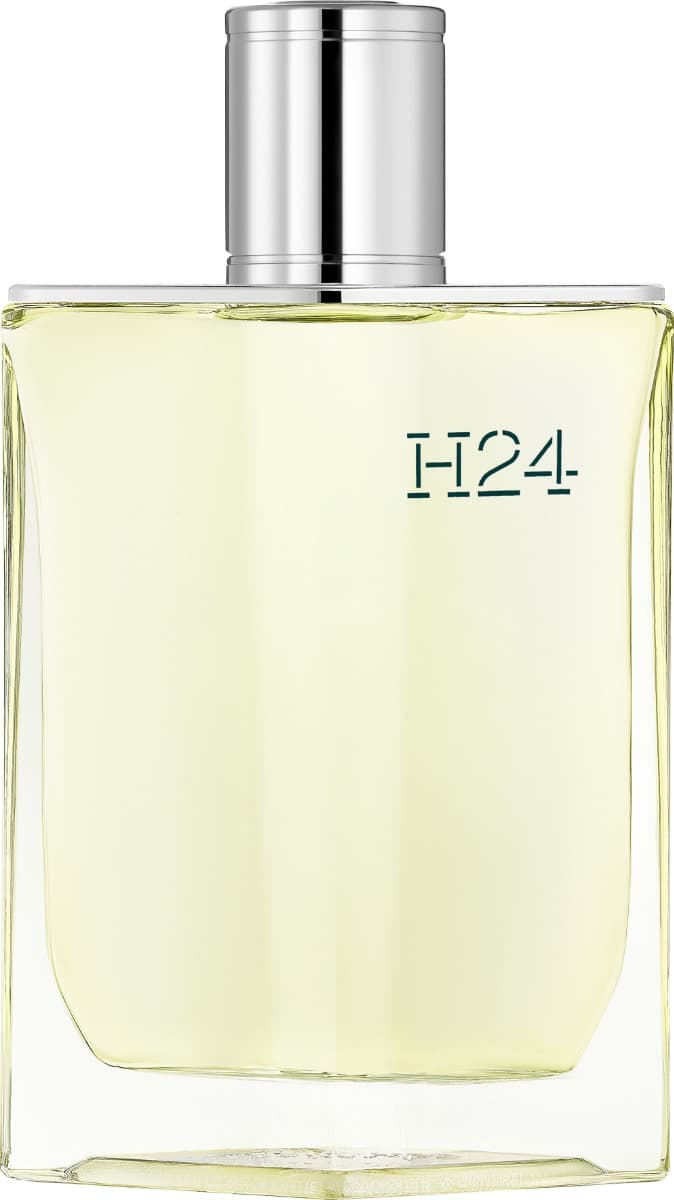 Aromatic
 Floral
 Aromatic
 Citrus
 Floral
 Floral