
 Oriental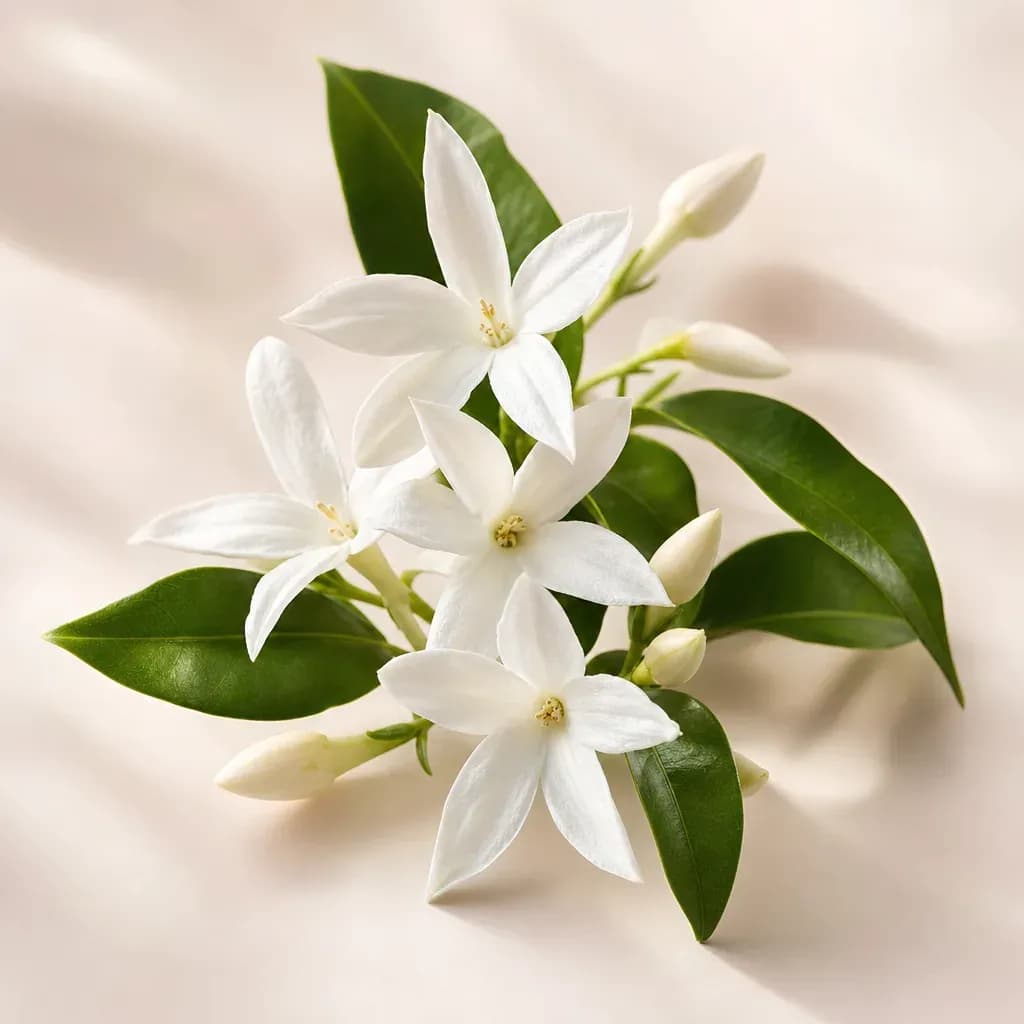
Jasmine
In perfumery, many plant-based raw materials can be used; the floral olfactory family is the most important one, and jasmine and rose reign there. It is said that a fragrance reflects personality, and jasmine and rose would suit romantic and generous people best. Focus on jasmine, which has been regarded as the symbol of feminine temptation and beauty in the East for many centuries. In Tunisia, giving white jasmine is proof of love, and it is also the country's emblematic flower. The Indian god of love, Kama, aimed arrows tipped with jasmine flowers, and many other legends symbolizing love with jasmine exist.
Origins and characteristics of jasmine
China, India, and Egypt are the largest growers of jasmine. Morocco and Italy produce small quantities of jasmine flowers, but major perfume houses source from there. The flower grows in every home in Damascus, Syria, both indoors and outdoors, which is why it is called the city of jasmine. It is the town of Grasse, in the Alpes-Maritimes, the world capital of perfume since the 17th century, that is the most famous producer of jasmine in Europe. In Grasse, the jasmine harvest is rare but takes place during the month of August; the harvest happens before dawn and processing follows as quickly as possible.
7 million jasmine flowers are needed to obtain 1 kg of jasmine absolute. The jasmine flower is intended for luxury fragrances, yet perfumeries in this segment often use the synthetic version because jasmine is expensive.
Jasmine flower absolute is obtained through solvent extraction. Jasmine fragrances give off an impression of powerful sweet warmth, at once wild and medicinal.
Jasmine fragrances, intense and authentic
Joy by Jean Patou contains an enormous amount of jasmine essences. 250,000 jasmine flowers from Grasse, among others, are needed to concoct just 75 ml of essences for this fragrance. It is a luxury perfume presented as “anti-gloom” or “anti-depression”. Jean Patou used to say that 10,600 jasmine flowers were needed to make one ounce of perfume. It is, moreover, the house's flagship fragrance.
24 Faubourg by Hermès also represents jasmine beautifully. It was a star of the 1990s and has become a classic with its explosion of white flower scent, including jasmine, which blends magnificently with iris, orange blossom, and ylang-ylang. The jasmine it contains is soothing. Its sillage is persistent and easily recognizable. This jasmine fragrance is rounded and refined.
Then there is the prestigious fragrance Lalique Flacon jasmin 1995. Vanilla, rose, musk, jasmine, iris, blackcurrant leaves, clove, and many others blend with musky and sandalwood notes. With this perfume, one strongly senses the burst of flower, particularly jasmine, and fruit. It is the symbol of passion and seduction. But with its luxurious bottle from the house's crystal works, the perfume was only available in a limited series of 5,000 pieces.
Identity card
- Latin name : Jasminum Grandiflorum ou Sambac
- Origin : Plante
- Country : FR
- Part used : Fleurs
- Type : Naturel
Perfumes with the Jasmine note
Oriental Floral
 Oriental
 Chypre
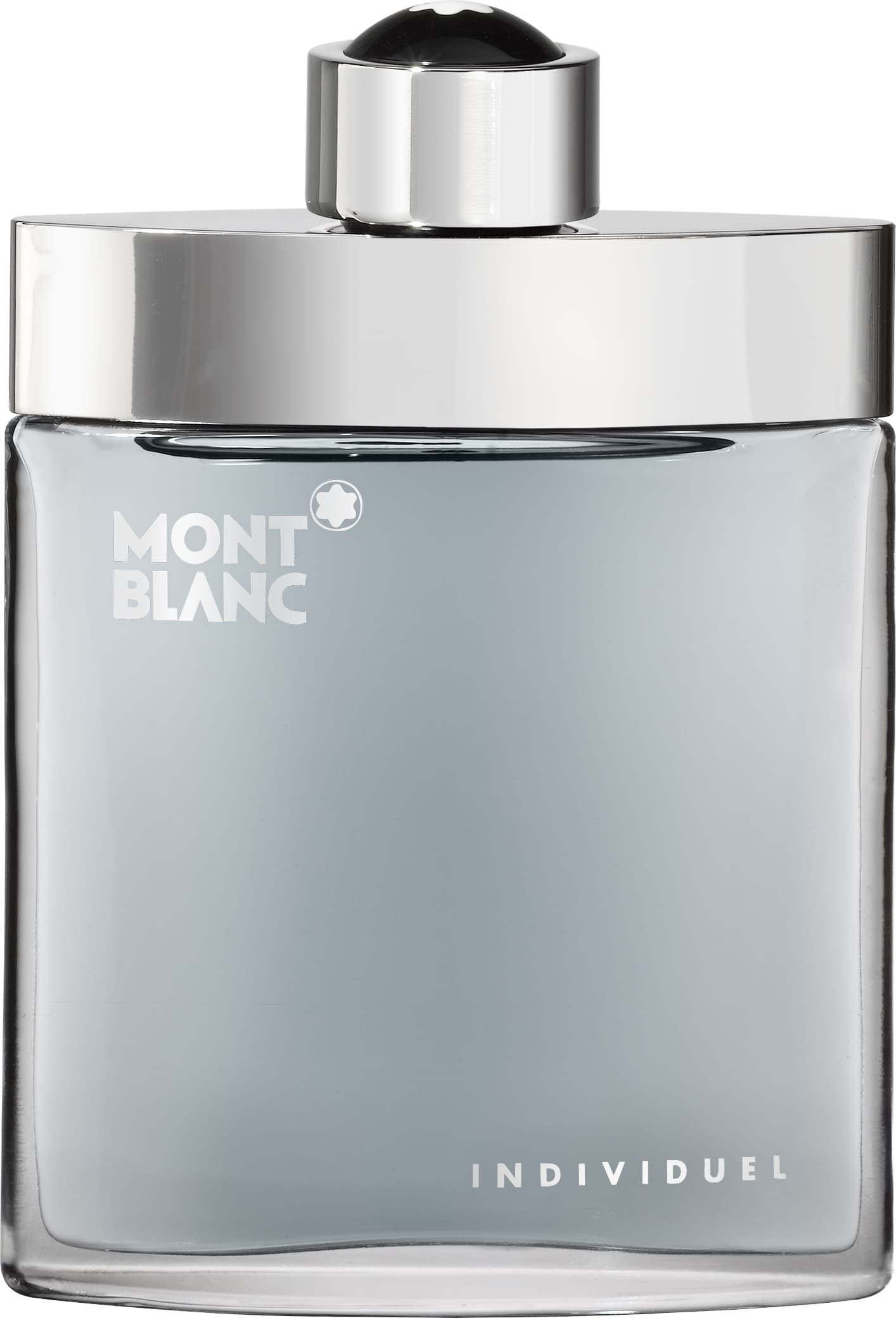 Fougère
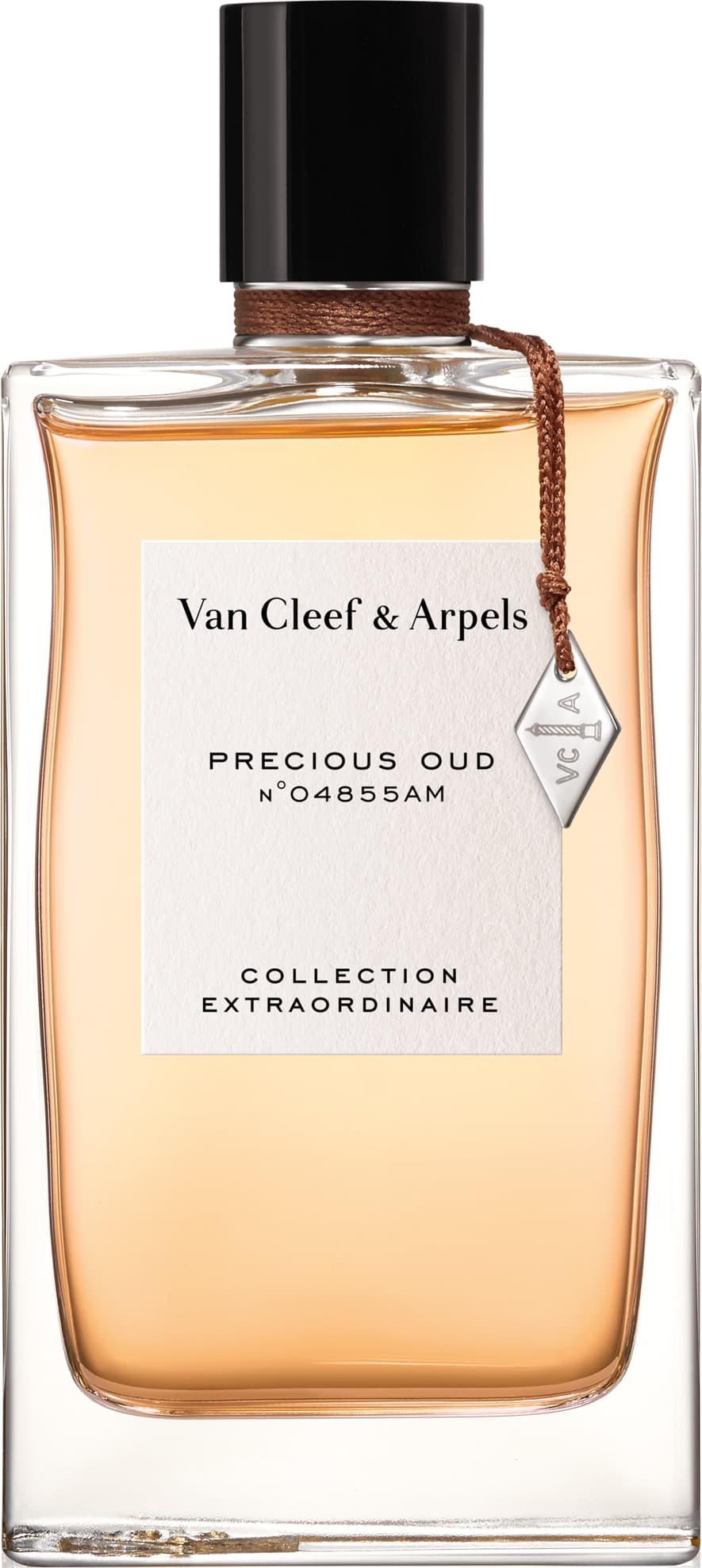 Oriental
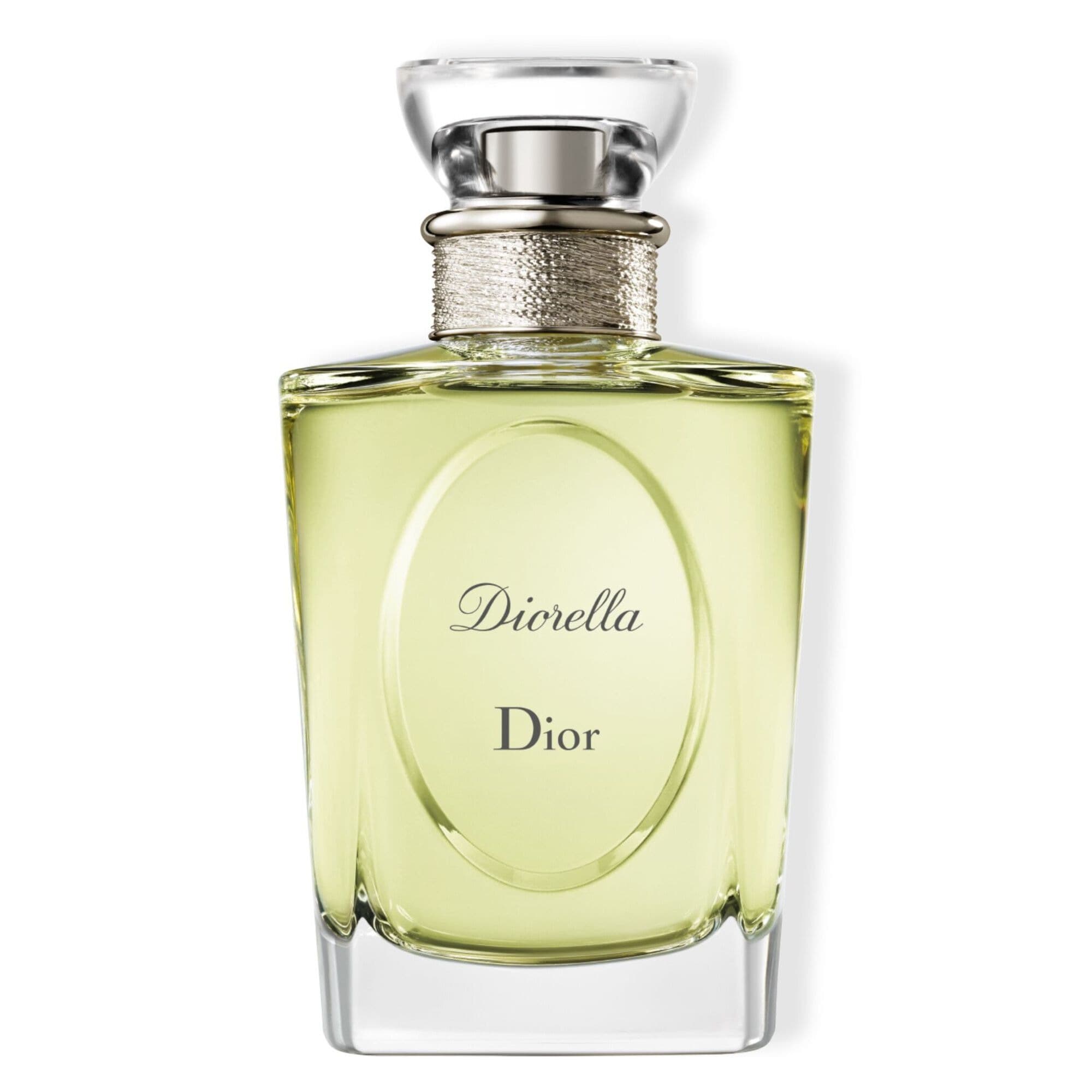 Chypre
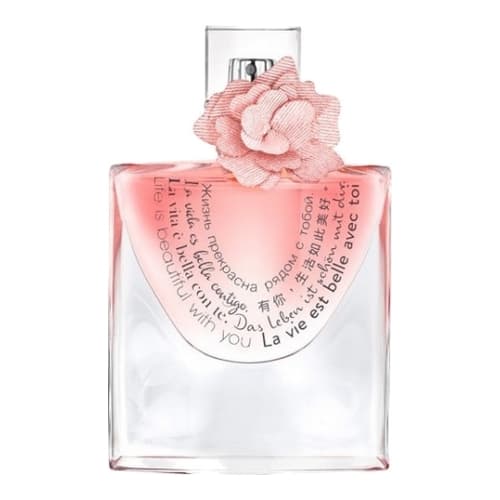 Floral
 Floral
 Floral
 Oriental
 Floral