
 Floral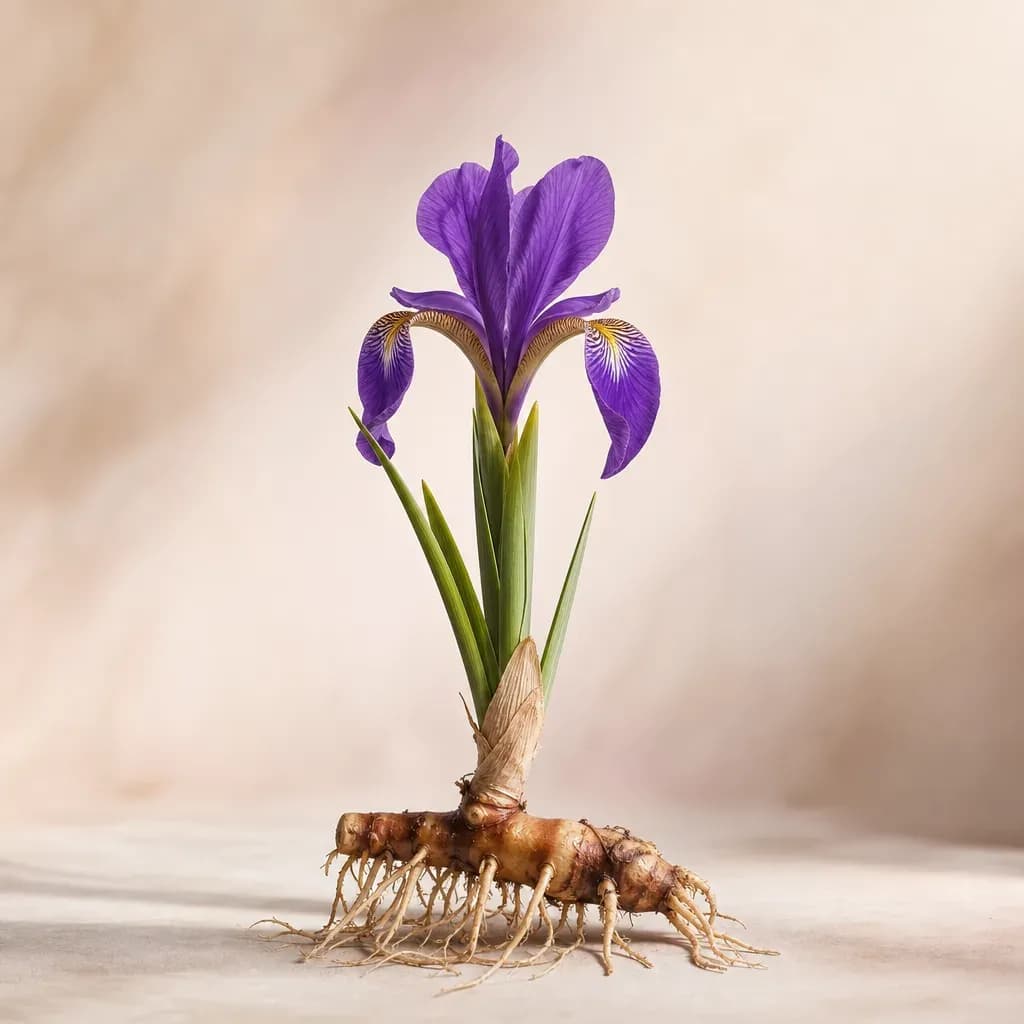
Iris
The iris is a perennial plant with a rhizome. It comes in 210 different species. It is a highly prized raw material widely used in perfumery. The main species in France are iris aphylla, foetidissima, germanica, graminea, latifolia, lutescens, orjenii Bräuler Cinovac, spuria, pallida, sibirica, xiphium. Each species has several derived subgenera. For the Egyptians, the iris is sacred. It is also called the Fleur de Lys and is the symbol of French royalty. The yellow marsh iris is the symbol of Brussels. Starting in 1999, the iris versicolor (blue, violet) became the emblem of Quebec.
Origin, characteristics and use of iris
Perfumeries seek out certain species of iris for their rhizome, which is the underground stem of the flower, since with iris it is the stem that is used to make perfumes. One species used comes from Florence in Italy, iris germanica, then iris pallida, also cultivated in Italy and Morocco, to obtain iris essence by distilling it. Iris is among the most expensive raw materials because it must be dried for three years before distillation, so the yield is low. One ton of iris is needed to distill just 2 kg of essential oil. Iris is intended for prestige perfumery. It gives off a delicate powdery, buttery, violet, strawy, woody scent, yet it is both powerful and refined.
It was Catherine de Médicis who first began using iris as a fragrance. Iris was used as a hair powder; in the 17th century, the rhizome was ground and sifted, giving off a soft violet scent that is in fact the scent of irone. Iris is combined with floral notes or used as a base note.
Iris, darling of luxury perfumery
The powdery note of iris is different from the vanilla note, which is more gourmand. In fact, the term powdery note comes from rice powder, which was originally scented with iris. This note is defined as subtly woody, dry, somewhat pastel, violet-like and airy. Unlike other fragrant materials, the scent of iris intensifies over time. The irone contained in iris is a molecule that develops over time. Iris flowers themselves have very little scent; it is the rhizome, from which the fragrance is extracted, that carries the powdery odor. It is the rhizomes that have reached maturity and have been dried for 2.5 to 3 years that give off a clean, fresh odor, even though they are dried products. Distillation does not yield an essential oil but iris butter, which is soft, somewhat fatty but very pleasant. It is from iris butter that the absolute is made, through extraction with a volatile solvent, as with jasmine or rose.
The Chanel N°19 fragrance is composed with pallida from Italy, which is increasingly less cultivated there. The Chanel house decided to grow iris on its own field in France, in Grasse, in order to produce enough iris for its powdery, uplifting and sensual perfume. Two species are grown there, iris pallida and iris germanica.
The Hermès brand also uses iris for its Hiris and Iris Ukiyoe perfumes from Hermessence.
Identity card
- Latin name : Iris Pallida ou Germanica
- Origin : Plante
- Country : CN
- Part used : Rhizomes
- Type : Naturel
Perfumes with the Iris note
Floral Floral
 Aromatic
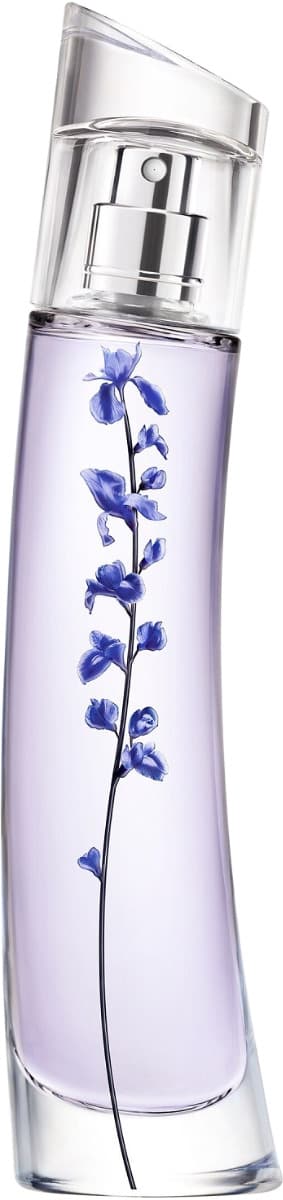 Floral
 Oriental
 Floral
 Woody
Woody Aromatic
 Oriental
 Aromatic
 Floral
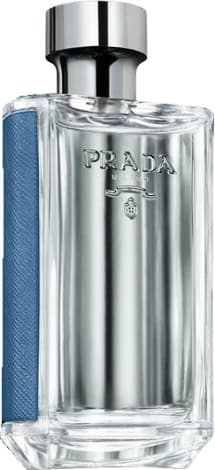 Woody
Woody