
 Oriental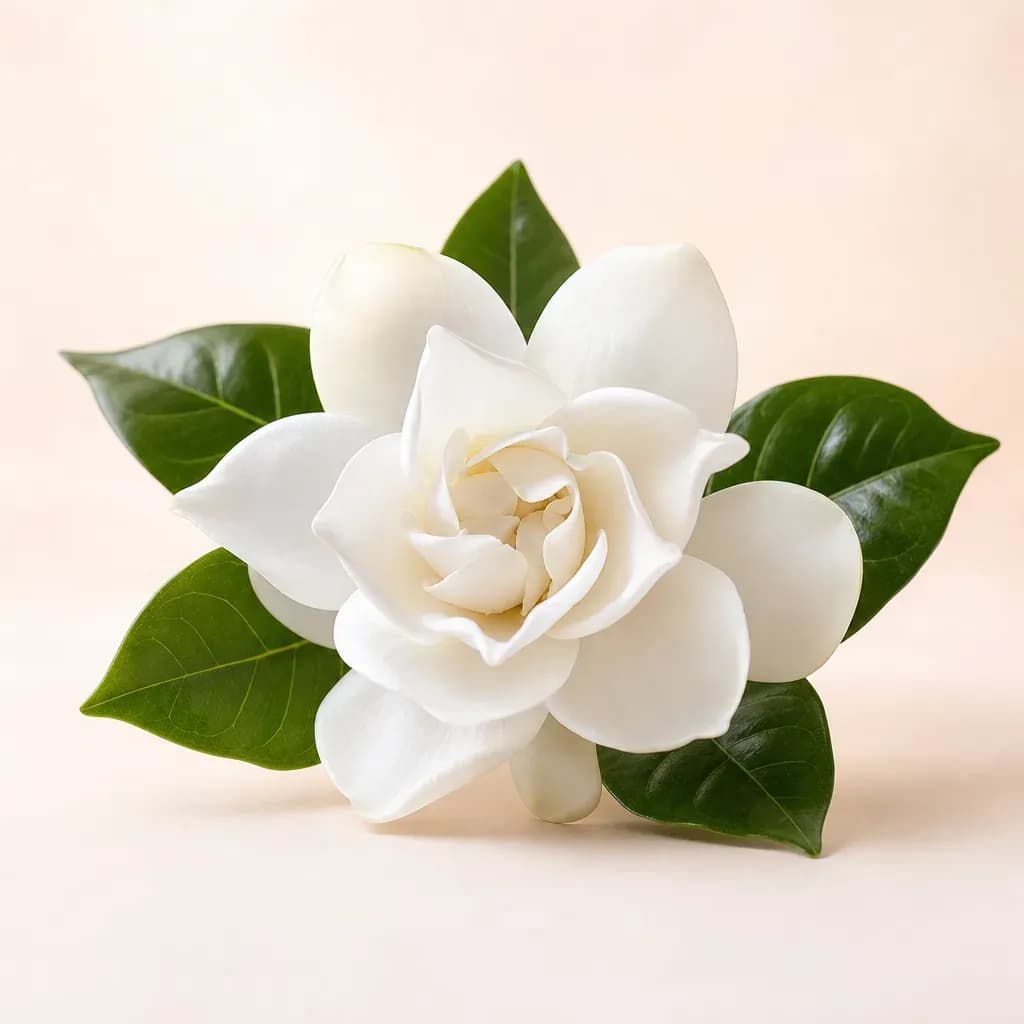
Gardenia
Among the many perfumes in the catalog of the house of Chanel, one is simply named Gardénia. It was created by perfumers Ernest Beaux and Jacques Polge in 1925 and aims to be both understated and opulent. As its name suggests, it showcases gardenia, likely closer to the assertive floral fragrances of the 80s than to the fresh compositions typical of the 20s. Focus on this celebrated flower of perfumery, so cherished by the house of Chanel.
What is gardenia?
Gardenia is a flowering plant from the Rubiaceae family. It comprises about 250 species and originates from various tropical regions of the globe located in Africa, South Asia, Australia and Oceania. Its name comes from the botanist Alexander Garden, an 18th century Scotsman. This plant grows on shrubs whose height ranges from 1 to 15 m. It has leaves 5 to 50 cm long and 3 to 25 cm wide, dark green, glossy and leathery. The flowers are most often solitary, sometimes gathered in small clusters, white or pale yellow. These divide into a multitude of lobes forming a very elegant arrangement. Gardenia blooms from mid spring to mid summer. Overall, it is a highly fragrant flower with a reputation for being fairly difficult to cultivate. Indeed, gardenia needs a high humidity level to thrive while requiring acidic, well-drained soil. In the language of flowers, gardenia symbolizes unspoken love and shyness. In Japan and China, it is used to dye clothing as well as a food coloring. Here, it owes its fame to Coco Chanel, a true devotee of this plant who decided to turn it into a fragrance.
Gardenia in perfumery
In the wild, gardenia has highly fragrant flowers. These bear some resemblance to those of jasmine, which also earned it the name Cape jasmine. Mainly used in high-end feminine creations, given its high cost, gardenia often serves as a floral accord and is used in the heart of fragrances. It thus gives the composition more character while retaining a strong dose of femininity and elegance. Likewise, its green facet evokes tuberose at the same time. However, note that perfumers do not extract essential oil from the gardenia flower itself. Its scent is recreated in the laboratory from other essences. Furthermore, styralyl acetate is the most commonly used synthetic compound to faithfully recreate its scent. The whole reveals a floral, green, fruity and even slightly metallic note.
Besides its presence in the famous Chanel perfume, gardenia also appears as an essential element in the iconic Adieu Sagesse by Jean Patou, in Arabian Wood by Tom Ford, in Azalée by Lalique and in Azurée by Estée Lauder.
Identity card
- Latin name : Gardenia
- Origin : Artificielle
- Type : Reproduction
Perfumes with the Gardenia note
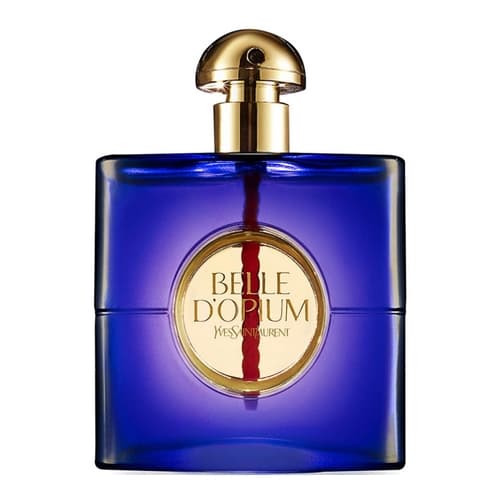
Oriental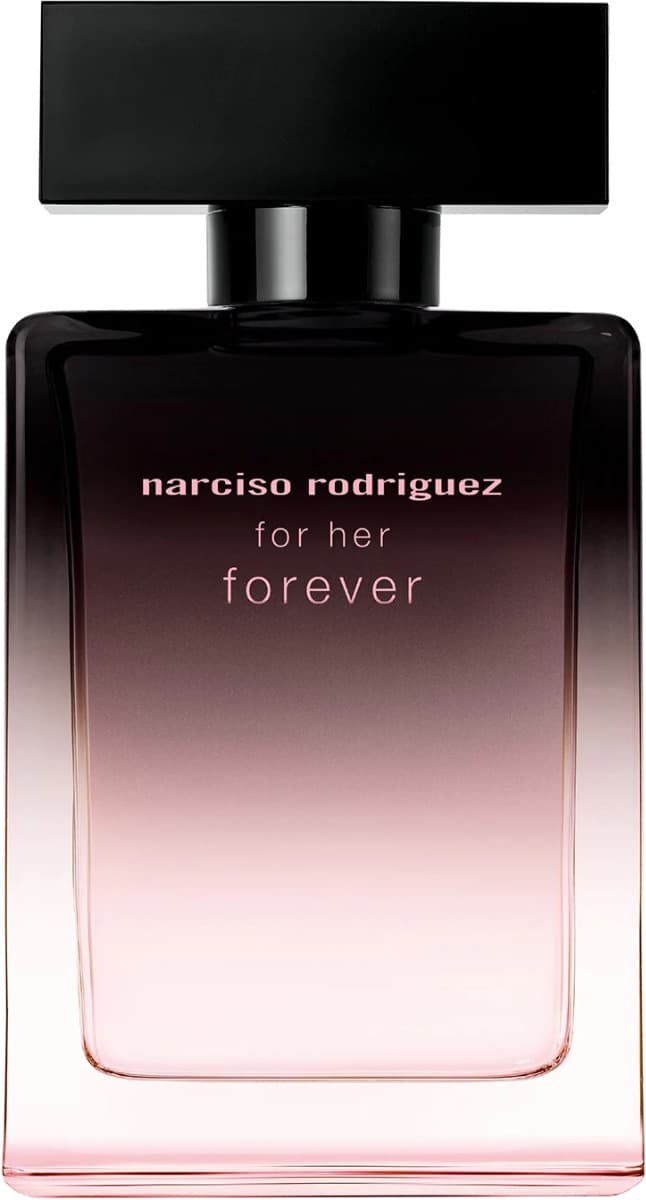 Floral
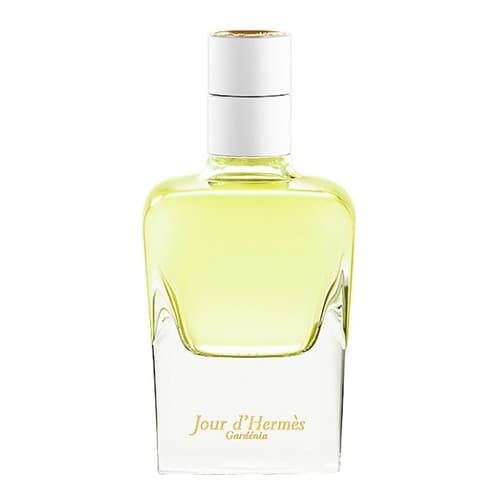 Floral
 Floral
 Floral
 Floral
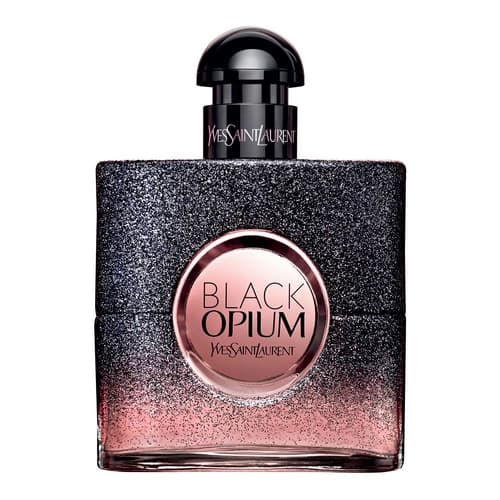 Floral
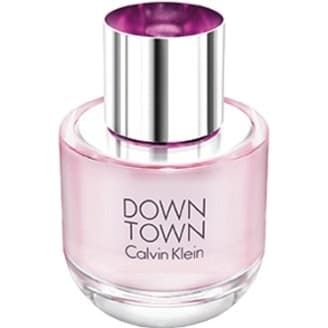 Floral
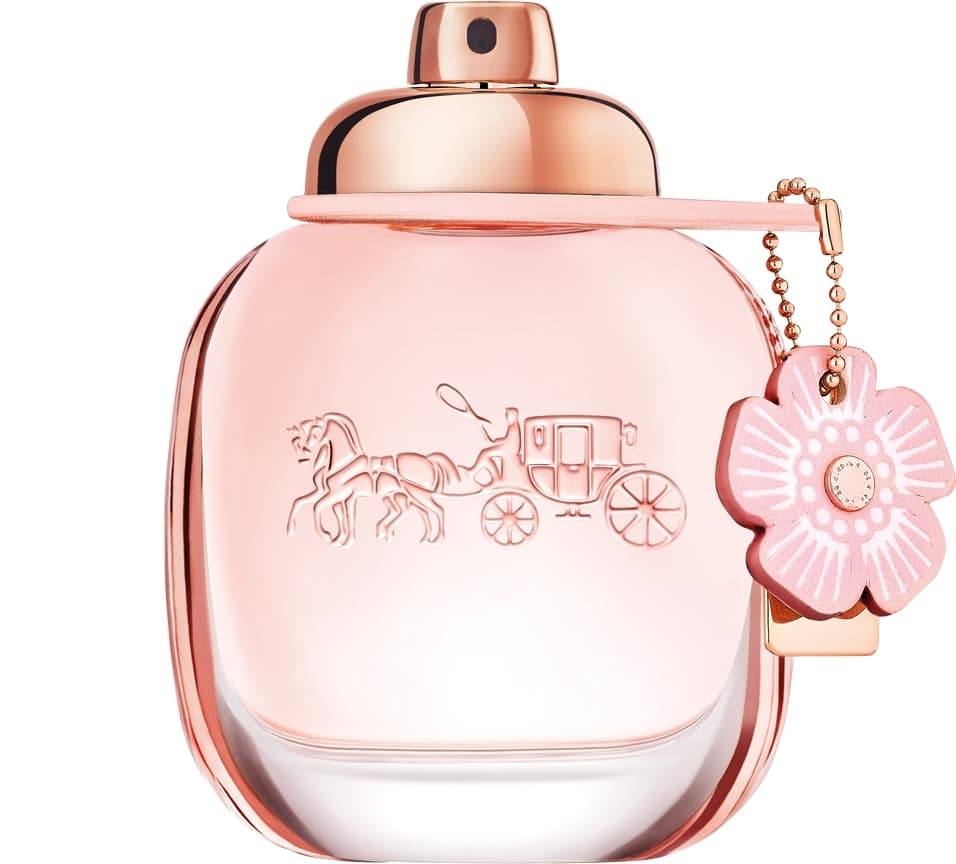 Floral
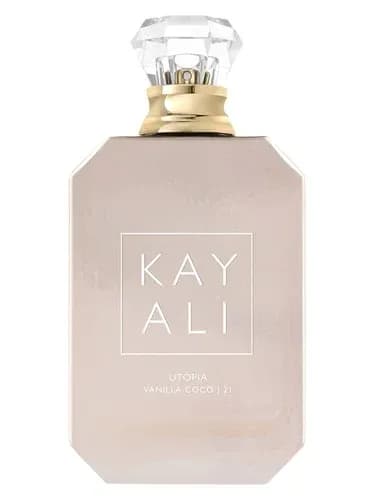 Oriental
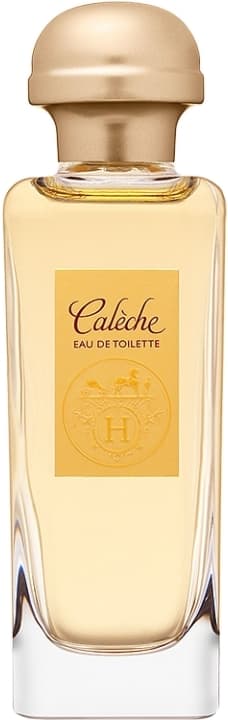 Floral