
 Floral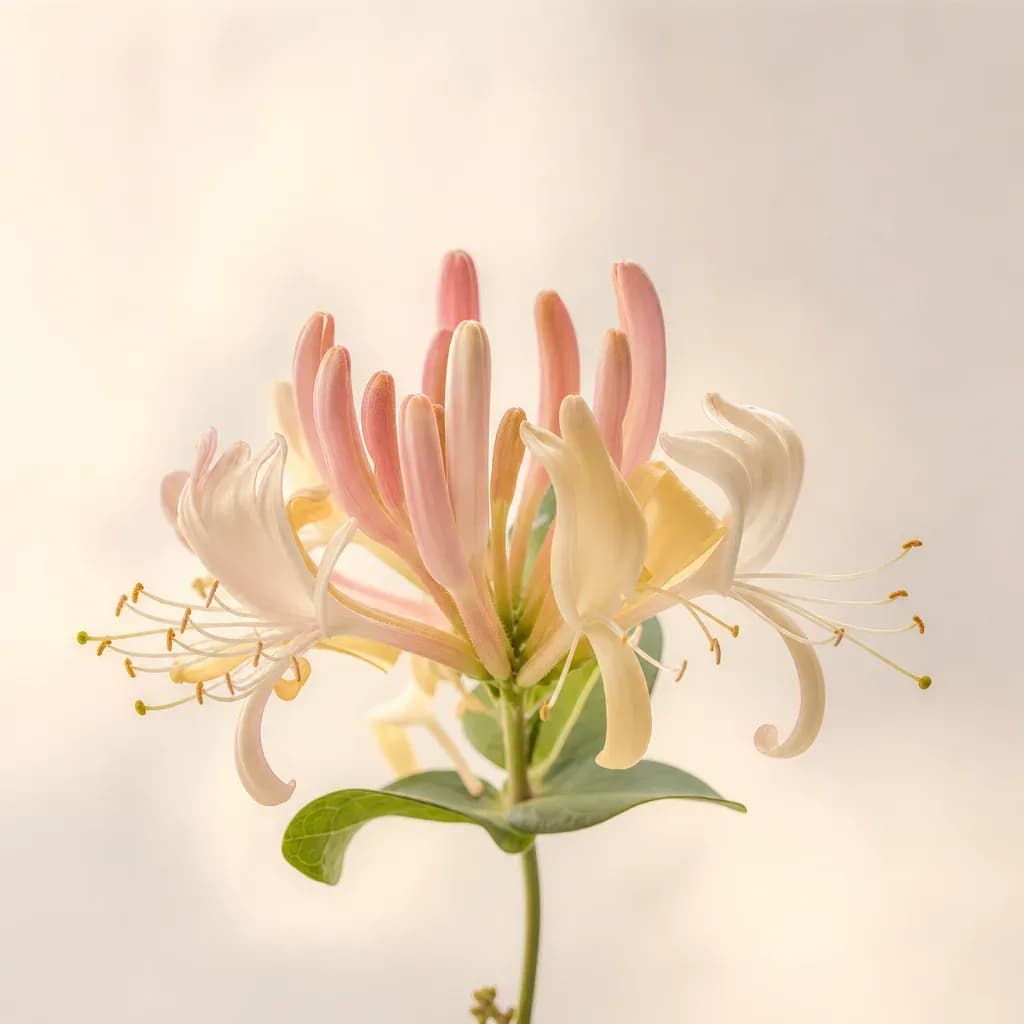
Honeysuckle
Fragrances serve a multitude of purposes but also offer the opportunity to picture oneself on a spring day. Some of them turn out to be as joyful as a first day of sunshine. They are as merry as children's laughter and as tender as a stretch of greenery. As such, nothing seems more effective than honeysuckle to convey this feeling of airy, enthusiastic freshness.
What is honeysuckle?
Honeysuckle is a climbing plant native to China and belonging to the Caprifoliaceae family. It also covers a wide range of ornamental functions and today counts more than 200 species along with a multitude of hybrids. Honeysuckle sometimes takes the form of a climbing plant. In this case, it forms a kind of twining vine that winds around various supports, thus covering walls, fences or any other type of surface. Some species are even particularly vigorous and can reach 4 or 5 m in height, covering an area of 8 to 10 m². In other cases, honeysuckle instead takes the form of a shrub. It is then ideal as ground cover or to form a hedge. It is grown throughout the northern hemisphere, and its hardy nature allows it to withstand temperatures as low as -15 or -20°. It is also adorned with tubular flowers with an airy, cheerful appearance. These are generally white. However, they can come in different shades, sometimes yellow, pink or even orange. Honeysuckle then loses its flowers, which give way to round, dark but toxic berries. Generally speaking, honeysuckle is a flower to be planted in spring or autumn, in a partially shaded area. Its bloom, meanwhile, extends from June to October depending on the species. Nevertheless, to optimize this, and although honeysuckle can grow in the wild, it is preferable to add fertilizer each year, in spring.
Fragrances based on honeysuckle
Honeysuckle grows in temperate and Mediterranean latitudes. Its small flowers bloom at the end of winter and release a jasmine-like scent. As such, honeysuckle is mainly found in women's fragrances. It reveals itself through multiple facets, sometimes close to jasmine while being orangey, green and honeyed. However, its scent cannot be extracted directly from the flower. Its fragrance is reproduced in the laboratory from other natural essences or through the head space technique, a method developed in the 1970s aimed at recreating the natural scents of a flower as they exist in nature and without damaging them.
Honeysuckle thus conveys a very springlike feeling. As such, it slips elegantly into the Aqua Allegoria collection by Guerlain. Likewise, it lends lightness to Diorella by Dior, Anaïs Anaïs by Cacharel, Beyond Paradise by Estée Lauder or Dot by Marc Jacobs. Similarly, a fragrance by Yves Rocher is entirely devoted to it and is simply named Chèvrefeuille. Its freshness makes it a particularly appealing juice for the summer season.
Identity card
- Latin name : Lonicera
- Origin : Artificielle
- Type : Reproduction
Perfumes with the Honeysuckle note
Floral Citrus
 Floral
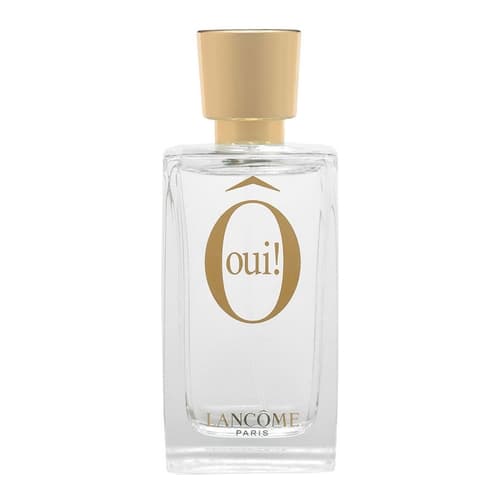 Floral
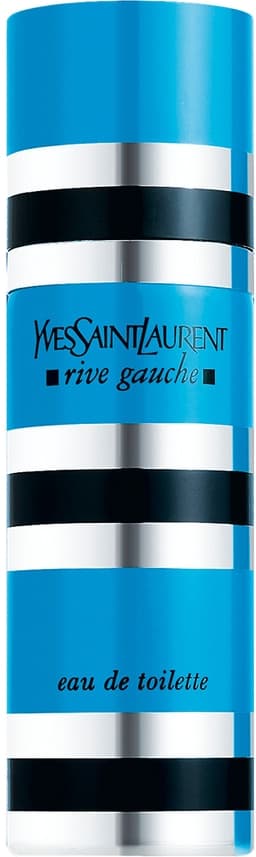 Floral
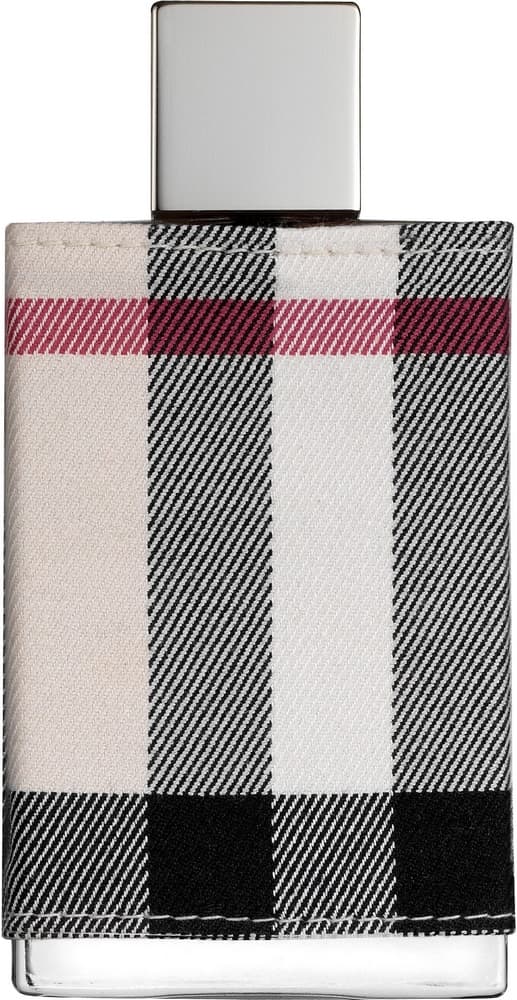 Floral
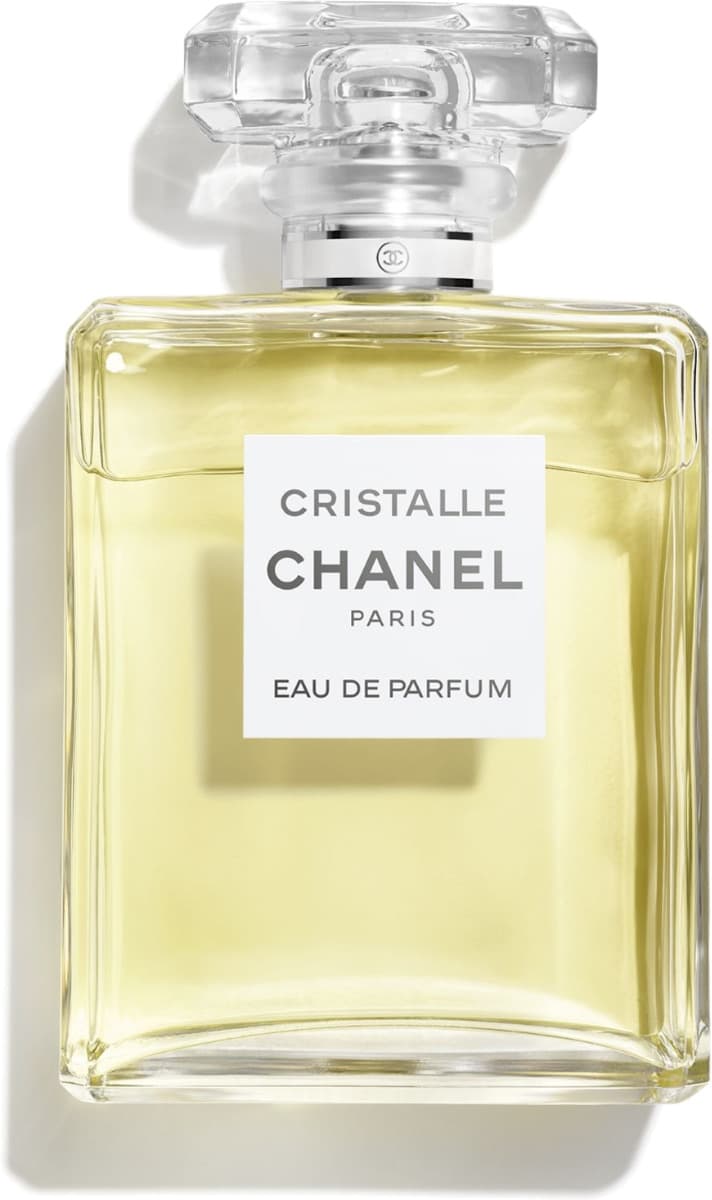 Floral
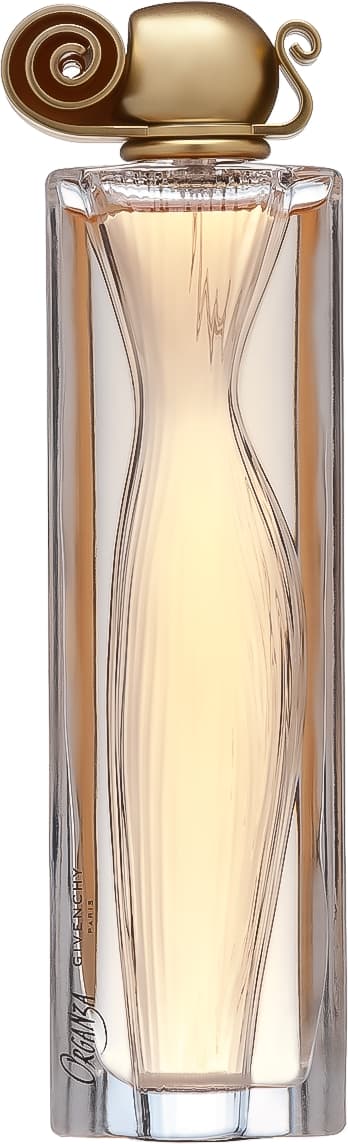 Oriental
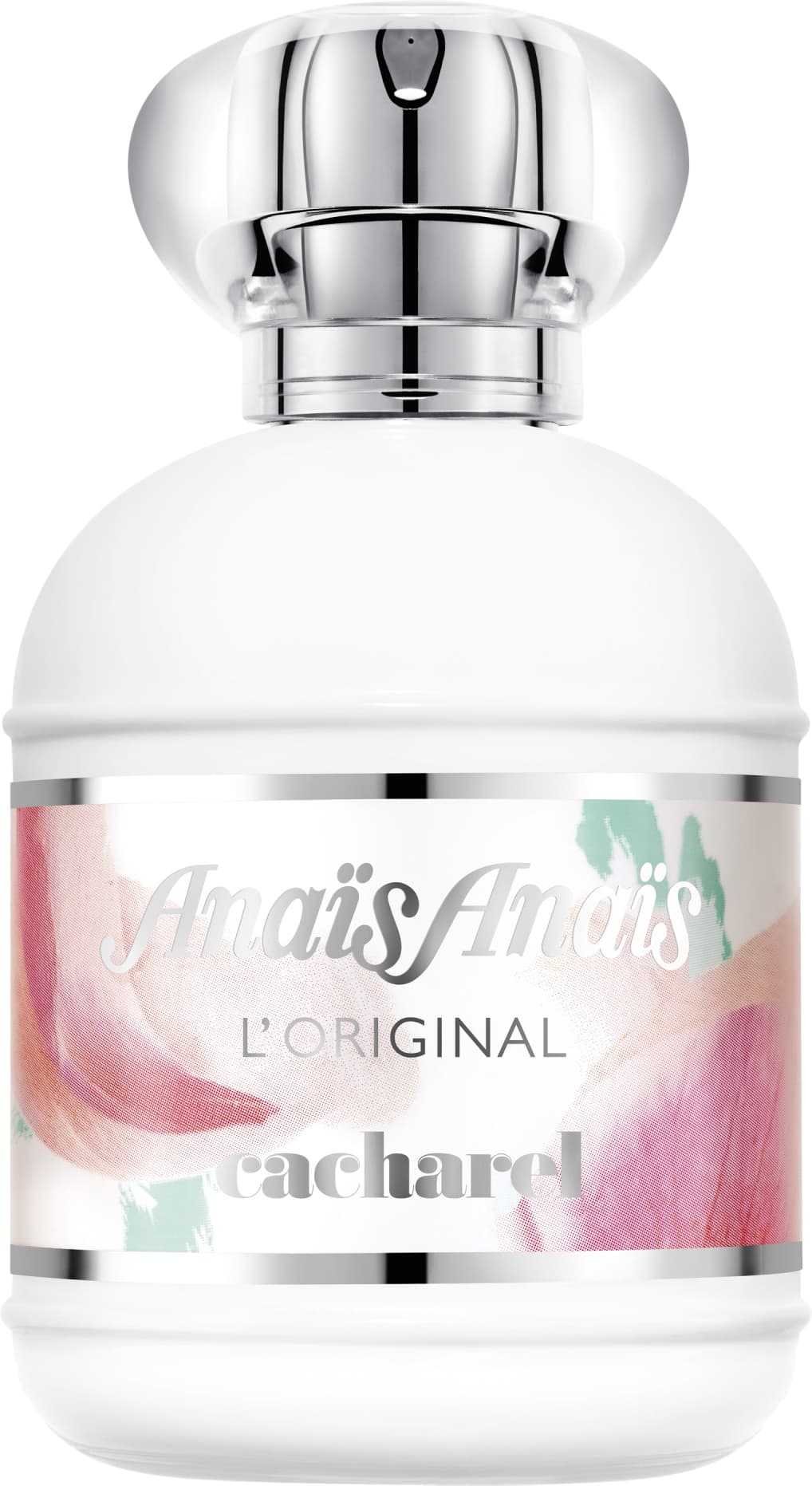 Floral
 Floral
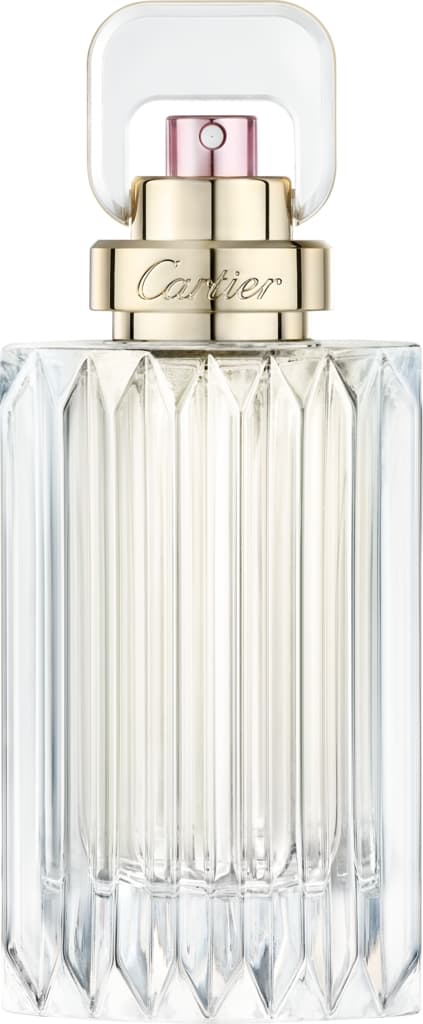 Floral
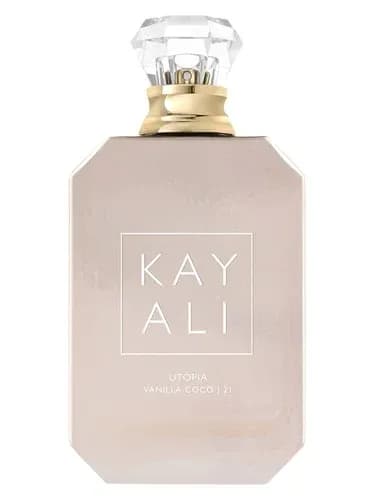 Oriental