
 Oriental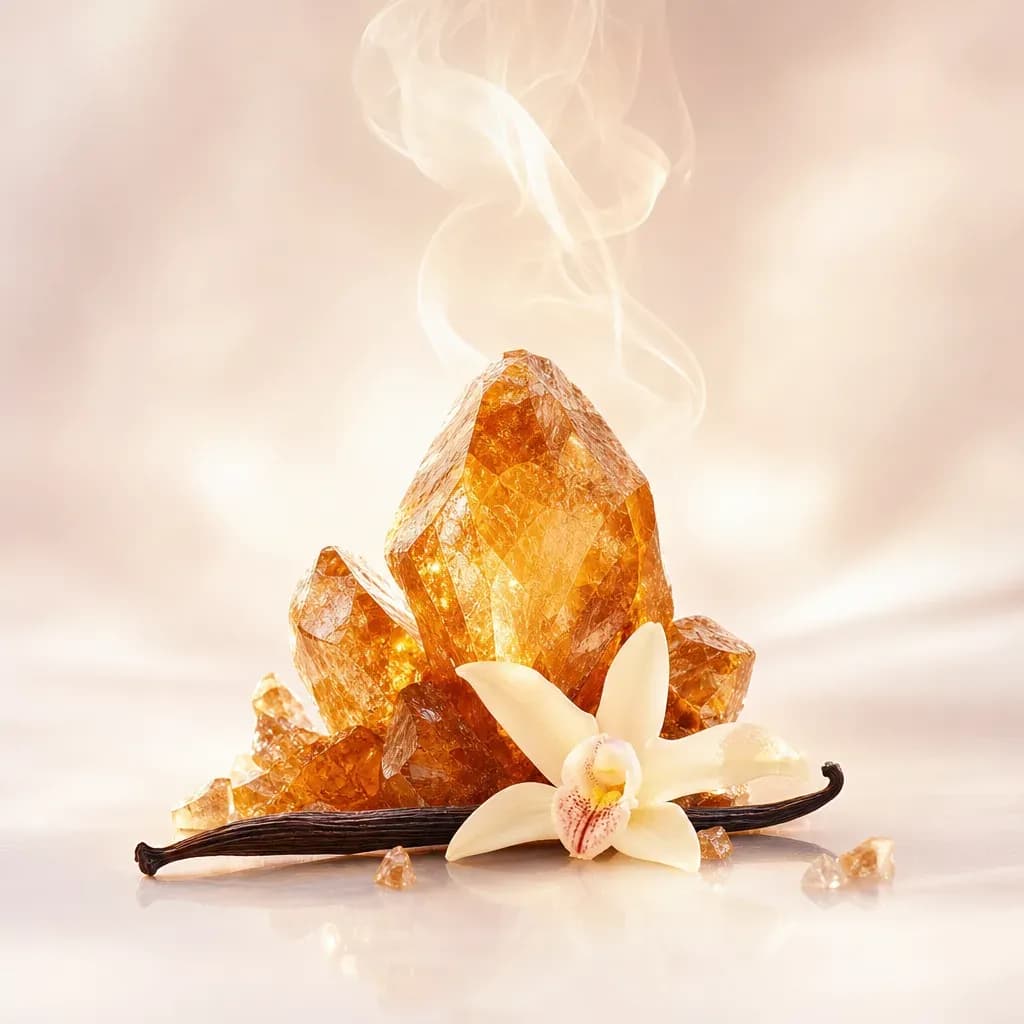
Vanillin
Many scents are at once captivating, appetizing and comforting. In this respect, vanilla stands out as a favorite. It possesses an exoticism capable of transporting the senses with a single breath while carrying an incredible sensuality. However, it is not the only ingredient in perfumes to provide this sensation. Vanillin is another ingredient used by perfumers that evokes the scent of vanilla. Appearances aside, it is used at least as much nowadays as vanilla itself.
The origins of vanillin
Vanillin derives from vanilla. Vanilla first appeared to us in 1520, during the conquest of Mexico. It was at that moment that the Spanish discovered this new aroma. Likewise, the discovery of its pollination method allowed, starting in 1841, for its cultivation to intensify on the island of Reunion. It is indeed in this place that one of the best varieties of vanilla in the world is currently harvested. This exceptional vanilla owes its characteristic flavor to the vanillin molecule. Vanillin is a natural component of the aroma of vanilla. It is even the most important and most characteristic one. Yet vanillin represents only 0.75 to 2 % of the mass of a pod, but that is enough to give rise to an incredible scent within it. Vanillin was first extracted by the chemist Théodore Nicolas Gobley while he was macerating vanilla in 85° alcohol. He then managed to extract vanillin from Lagos through ether extraction.
Obtaining vanillin
Several solutions are available to perfumers for obtaining vanillin. The first is extraction. In this case, the aromatic molecules of vanilla are collected using a solvent such as ethoxyethane or ethanol. The vanilla pods are dispersed in the solvent, which is then separated from the resulting substance through evaporation. The other way to obtain vanillin is to create it synthetically. Traditionally, this is done from eugenol. However, the industrial production of vanillin today relies more on lignin or guaiacol.
Vanillin in perfumery
Today, thanks to considerable progress in chemistry, it is possible to produce vanillin from numerous synthetic products. This notably helps reduce costs and makes its industrial production cheaper, particularly for the food industry or perfumery. Vanillin is thus produced from guaiacol, eugenol, an extract of clove, lignin, or curcumin, an extract of turmeric. Nowadays, vanillin is used much more than vanilla itself given its attractive price. Nevertheless, vanilla remains a prestige ingredient found in luxury perfumes.
Identity card
- Origin : Isolé du naturel
- Type : Molécule
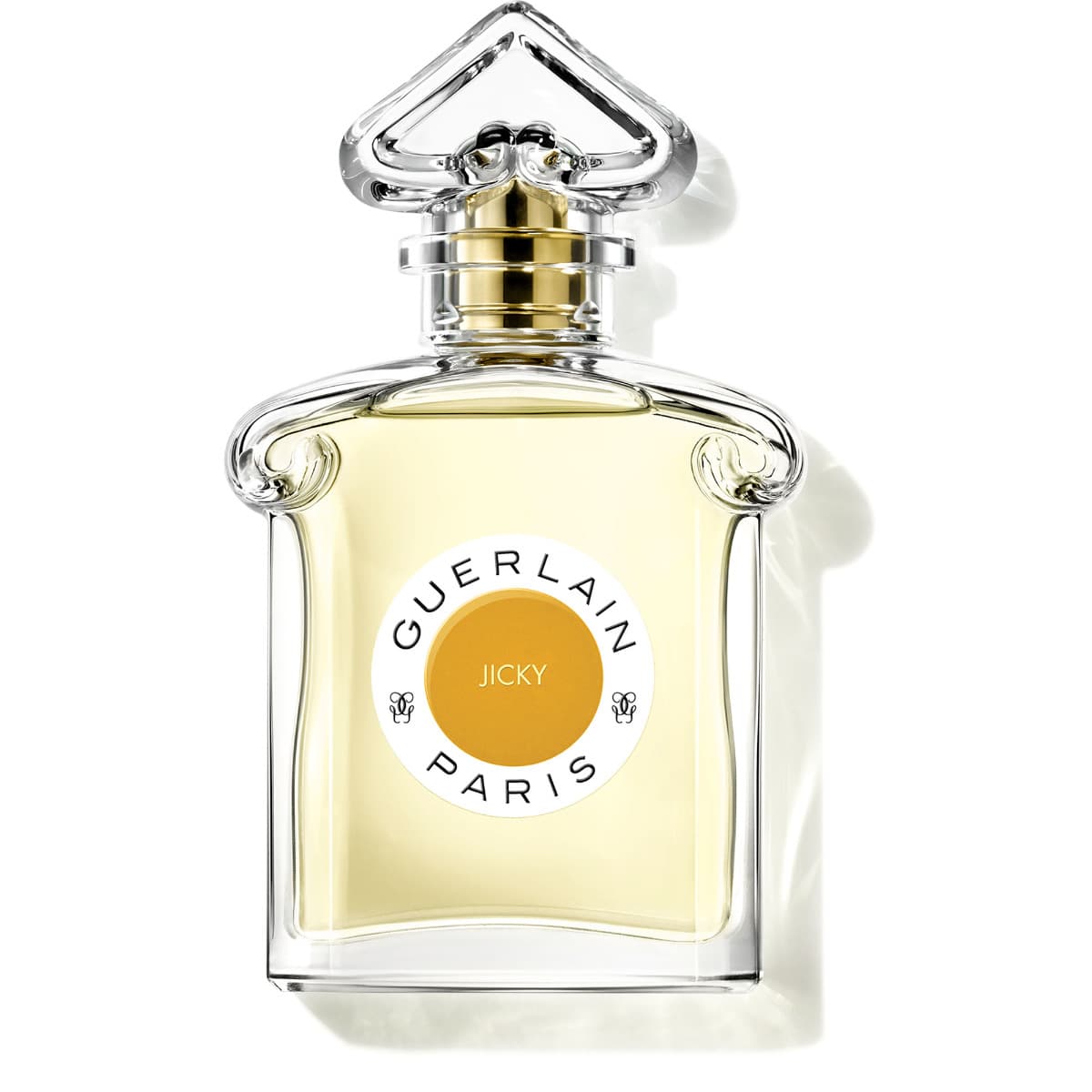
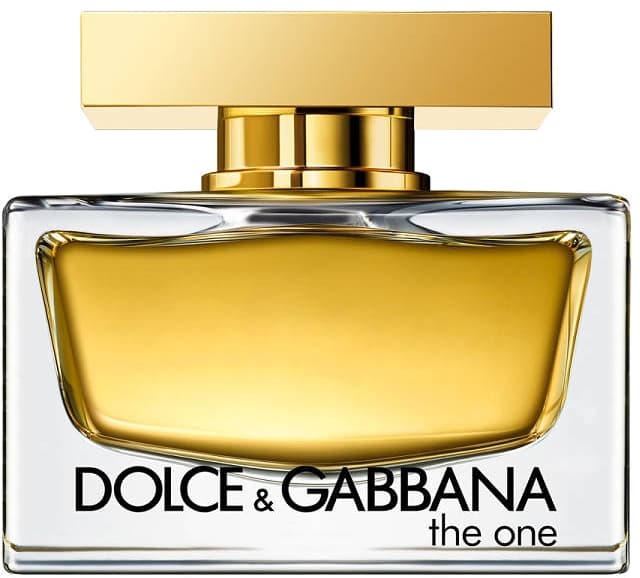
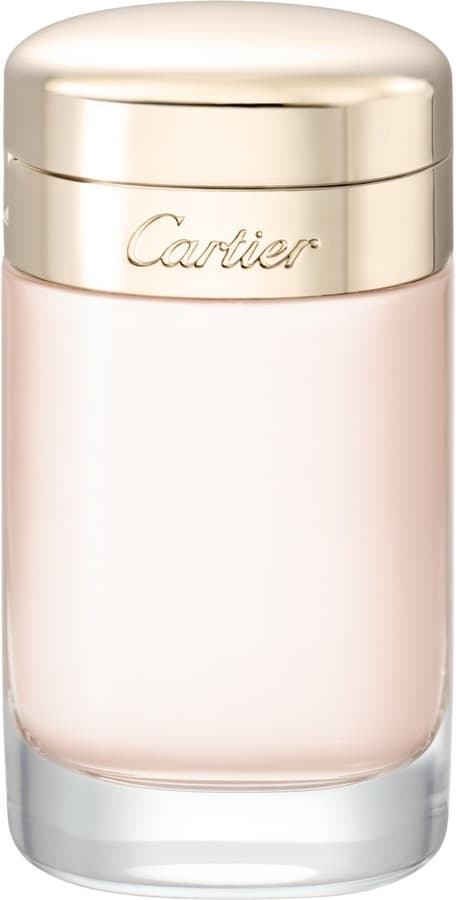
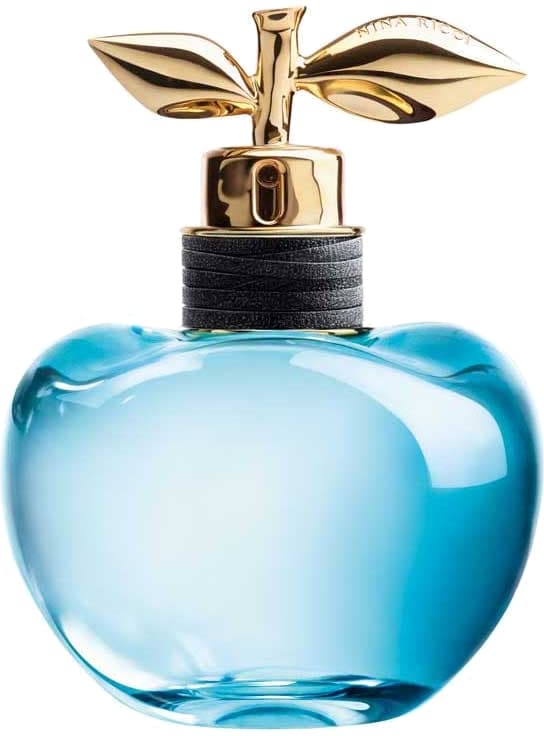
Perfumes with the Vanillin note
Oriental Woody
Woody Oriental
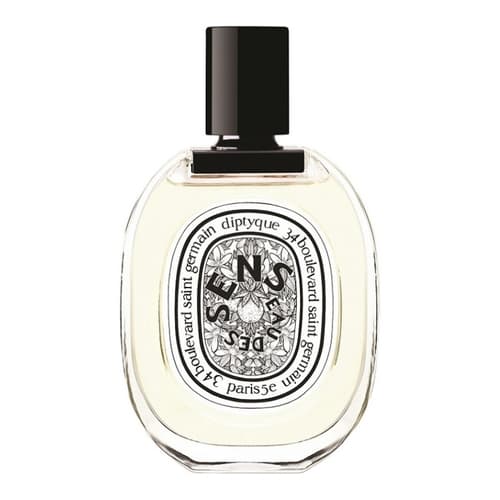 Citrus
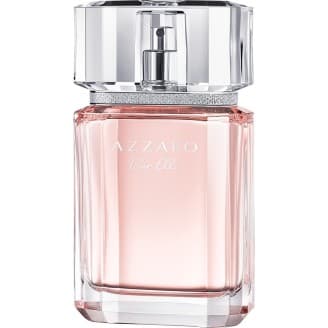 Floral
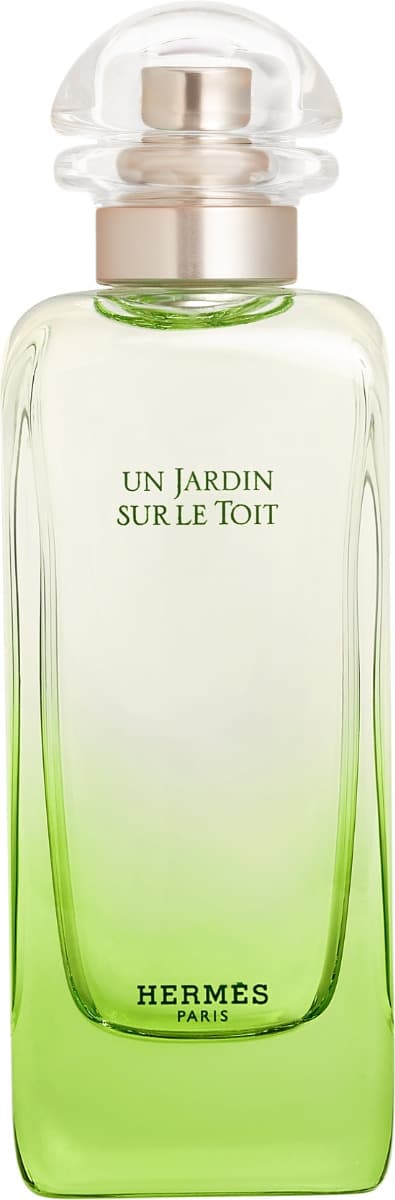 Floral
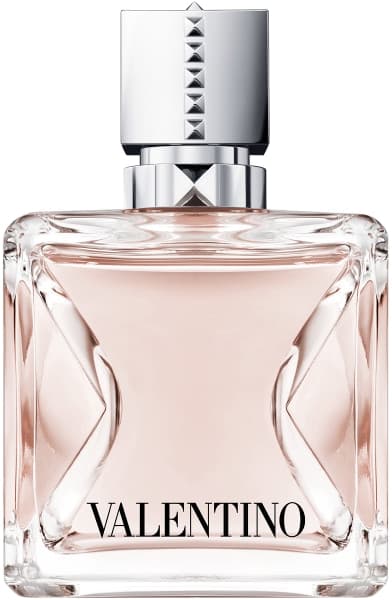 Floral
 Fougère
 Oriental
 Floral
 Oriental
 Floral