
 Aromatic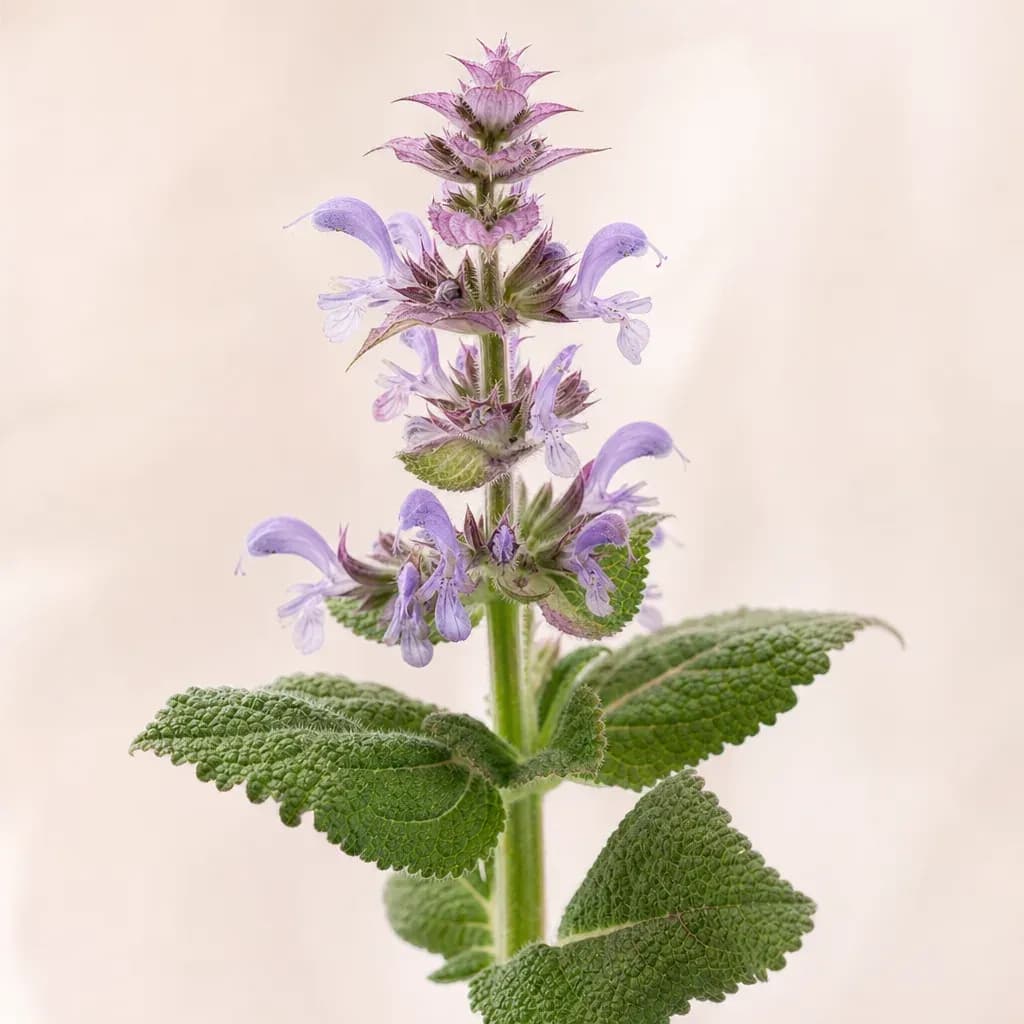
Clary sage
Gardens and nature in general are a source of nearly limitless creativity for perfumers. Indeed, perfumers draw on surrounding scents to convey them in ever more elaborate fragrances. What is more, technical advances thus make the range of possibilities nearly limitless. So, among the plants widely used in the world of perfumes, be aware that clary sage finds its way into many fragrances.
What is clary sage?
Clary sage is an herbaceous plant of the Lamiaceae family, native to southern Europe and western Asia. Highly fragrant and downy, it measures from 40 cm to 1 m in height in the wild but can reach about 1.60 m under cultivation. It has sturdy stems bearing glandular hairs containing essential oil on their upper part. Its leaves are large and oval in shape, and its flowers are about 3 cm long. They have 13 veins as well as spiny teeth and a white lower corolla. The color of clary sage ranges from pale blue to lilac and it blooms in June. It is widely cultivated in temperate countries and serves as both an ornamental and medicinal plant. Indeed, its leaves have analgesic, anti-inflammatory, antioxidant, antimicrobial and cytotoxic properties. What is more, clary sage is rich in omega-3. At the same time, its leaves can also be used, fresh or dried, to season meat dishes. Similarly, clary sage was once used in Germany to flavor wine and give it a musky taste. In England, on the other hand, it served as a substitute for hops in preparing beer. Furthermore, clary sage is a plant known since prehistoric times. Likewise, Chinese legend says that sage only blooms in the gardens of households where the woman rules as a good mistress of the house…
The scent of clary sage
Today, clary sage is mainly used for its scent. It is thus cultivated in many countries and favored by numerous perfumers. Its scent is obtained by steam distillation of the plant. However, in order to obtain a concrete and an absolute, it is preferable to proceed by extraction with volatile solvents. In this case, clary sage concrete contains a higher percentage of sclareol and serves as the basis for the artificial production of ambrox. Clary sage thus produces an absolute with a chypre scent. The latter is widely used in oriental perfumes or those belonging to the fougère family. Similarly, it is an excellent fixative and considerably increases the longevity of fragrances that contain it.
Clary sage is a staple of perfumery. As such, it finds its way into many olfactory landmarks such as Aromatics Elixir by Clinique, Armani Code Ice, Antaeus by Chanel or Bel Ami by Hermès.
Identity card
- Latin name : Salvia Sclarea
- Origin : Plante
- Country : RU
- Part used : Fleurs et Tiges
- Type : Naturel
Perfumes with the Clary sage note
Aromatic Woody
Woody Woody
Woody Fougère
 Aromatic
 Oriental
 Citrus
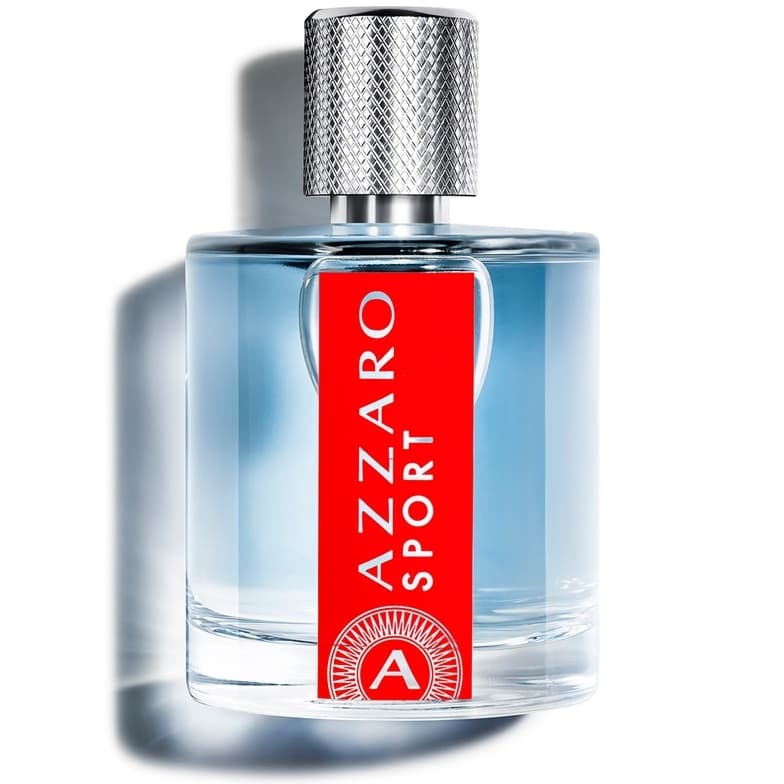 Oriental
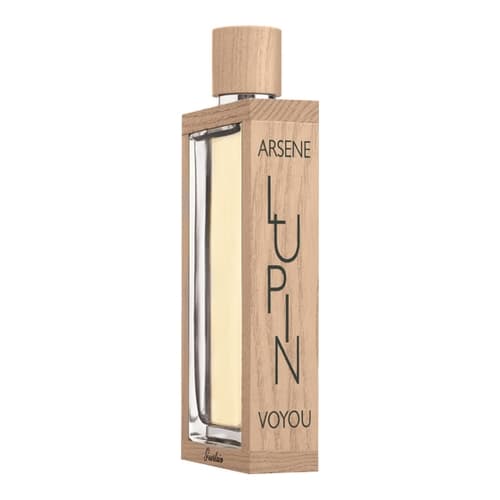 Woody
Woody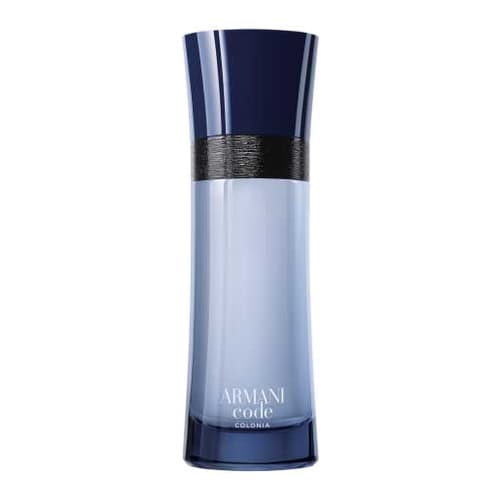 Aromatic
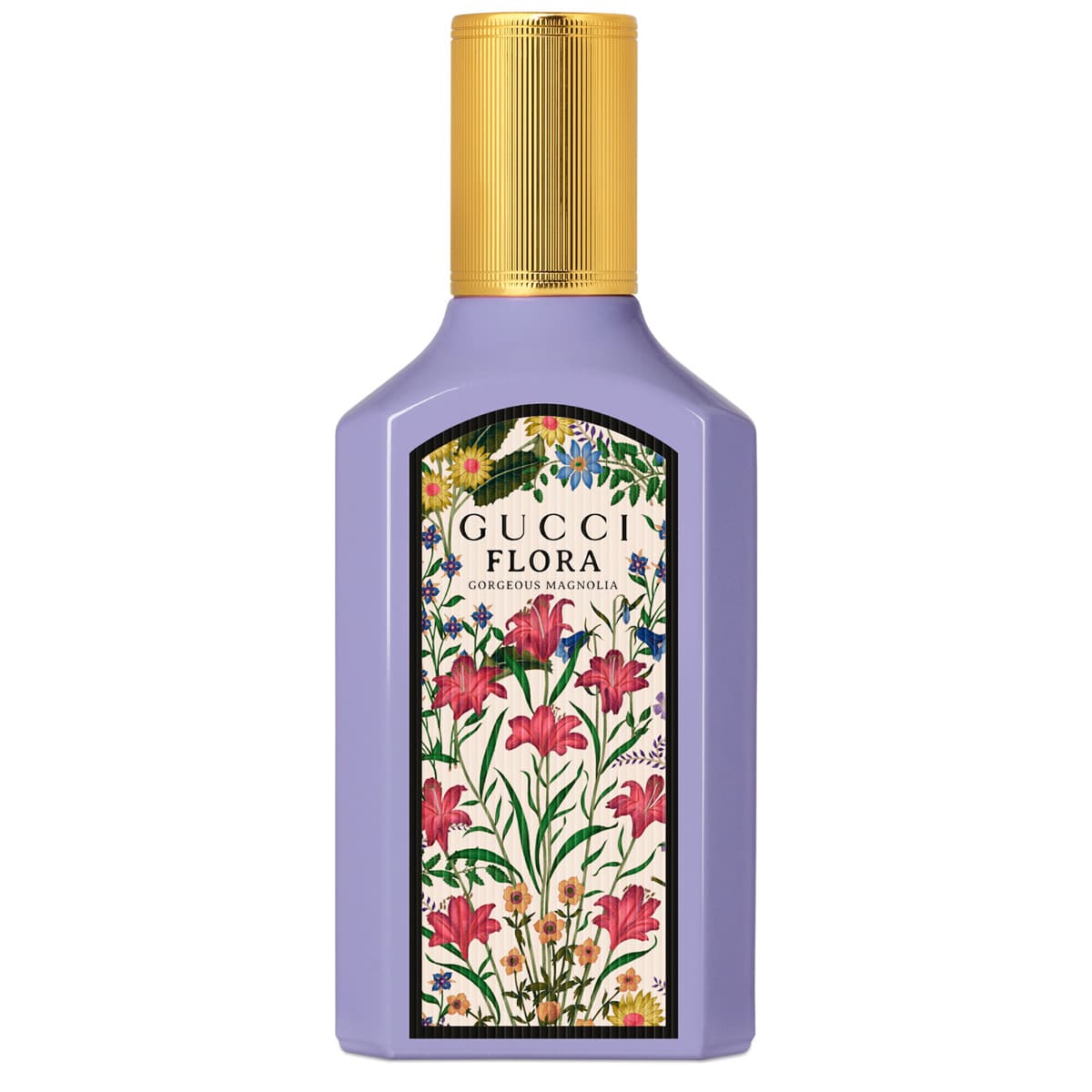 Floral
 Oriental