
 Floral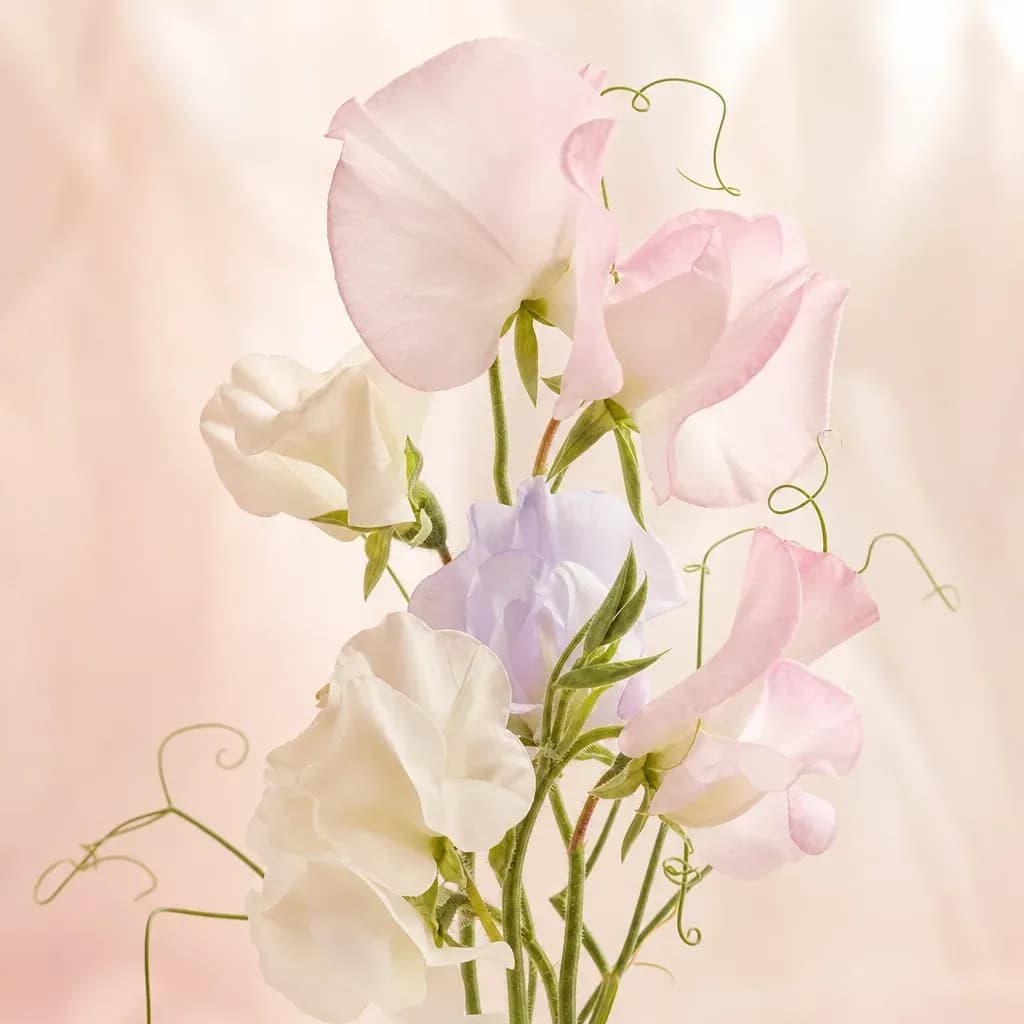
Sweet pea
Perfumery is a world of sensuality and grace. It is a domain that has enhanced the natural beauty of women for millennia. It allows for seduction, and stirs imagination and desire. As such, many flowers as graceful as women come to embellish our perfumes. In this image, sweet pea is a most desirable ingredient.
The history and characteristics of sweet pea
Sweet pea belongs to the Fabaceae family of plants and carries many nicknames such as “flower pea,” “musk pea,” or “fragrant vetchling.” It originates from southeastern Italy and Sicily. In other words, it is a flower that smells of sunshine. This annual herbaceous plant forms tendrils that allow it to cling to surrounding supports. As such, it is a climbing plant that can reach 2 m in height. However, there are also low-growing varieties that can be used to create attractive garden borders. Its flowering spans several months depending on the species and occurs between May and October. Sweet pea then unveils its slender, airy flowers, whose numerous varieties offer an immense range of colors. These flowers are made up of several parts: an upper petal called the standard, two lateral petals known as the wings, and the keel, which forms the two lower parts fused together. Its history dates back to the 12th century, when a Sicilian monk named Franciscus Cupani sent seeds to England. However, it was not until the 19th century that a Scottish horticulturist named Henry Eckford set about crossbreeding different varieties to develop the Grandiflora group, at the same time improving the quality and size of this plant. He also gave it a unique and more intense fragrance. From then on, sweet pea began to attract widespread interest. This plant was also the subject of important research in the field of genetics under Gregor Mendel during the 19th century. Today, in the language of flowers, sweet pea symbolizes doubt and arrogance. However, many also associate it with pleasure and elegance. In other words, sweet pea is offered more as a token of friendship.
Sweet pea in our perfumes
In terms of scent, sweet pea is intended more particularly for fine feminine perfumery. Indeed, it has a soft floral aroma with sweet, honeyed, and musky accents. However, sweet pea does not allow for the direct extraction of an absolute. As such, its scent is entirely recreated in the laboratory by perfumers using other raw materials. It is also worth noting that the famous house Fragonard, an iconic perfumer of the city of Grasse, devoted a perfume to this raw material in 2014, naming its fragrance Pois de Senteur.
Today, sweet pea is the star of many feminine perfumes. It appears in Amarige d’Amour by Givenchy, in Dior Me Dior Me Not by Dior (in reference to the symbolism of doubt), as well as in L’Eau Jolie by Lolita Lempicka.
Identity card
- Latin name : Lathyrus odoratus
- Origin : Artificielle
- Type : Reproduction
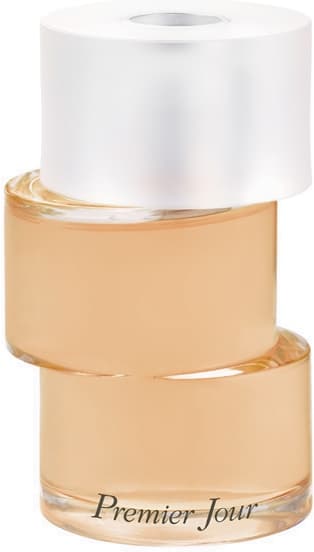
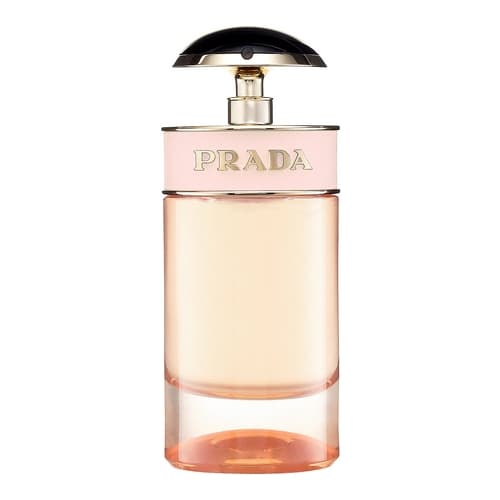
Perfumes with the Sweet pea note
Floral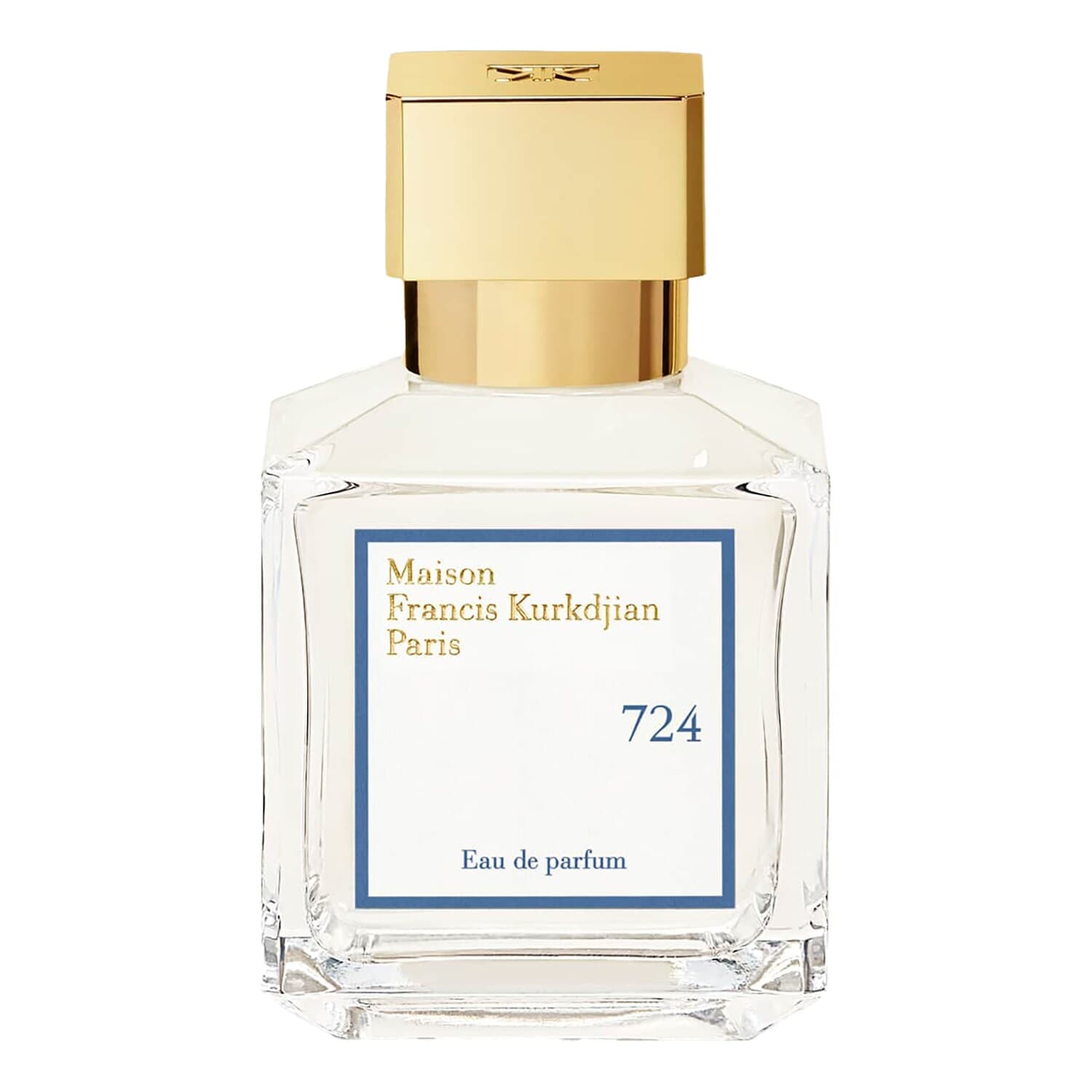 Floral
 Oriental
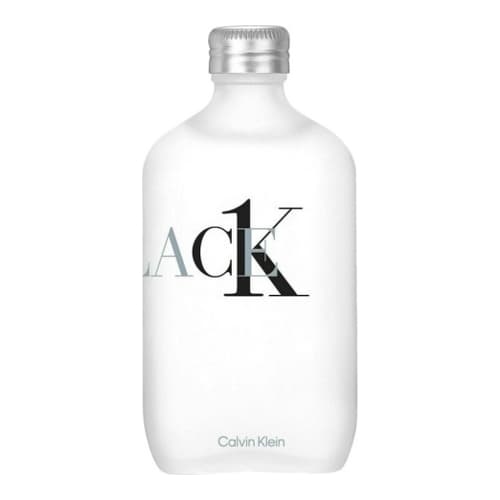 Citrus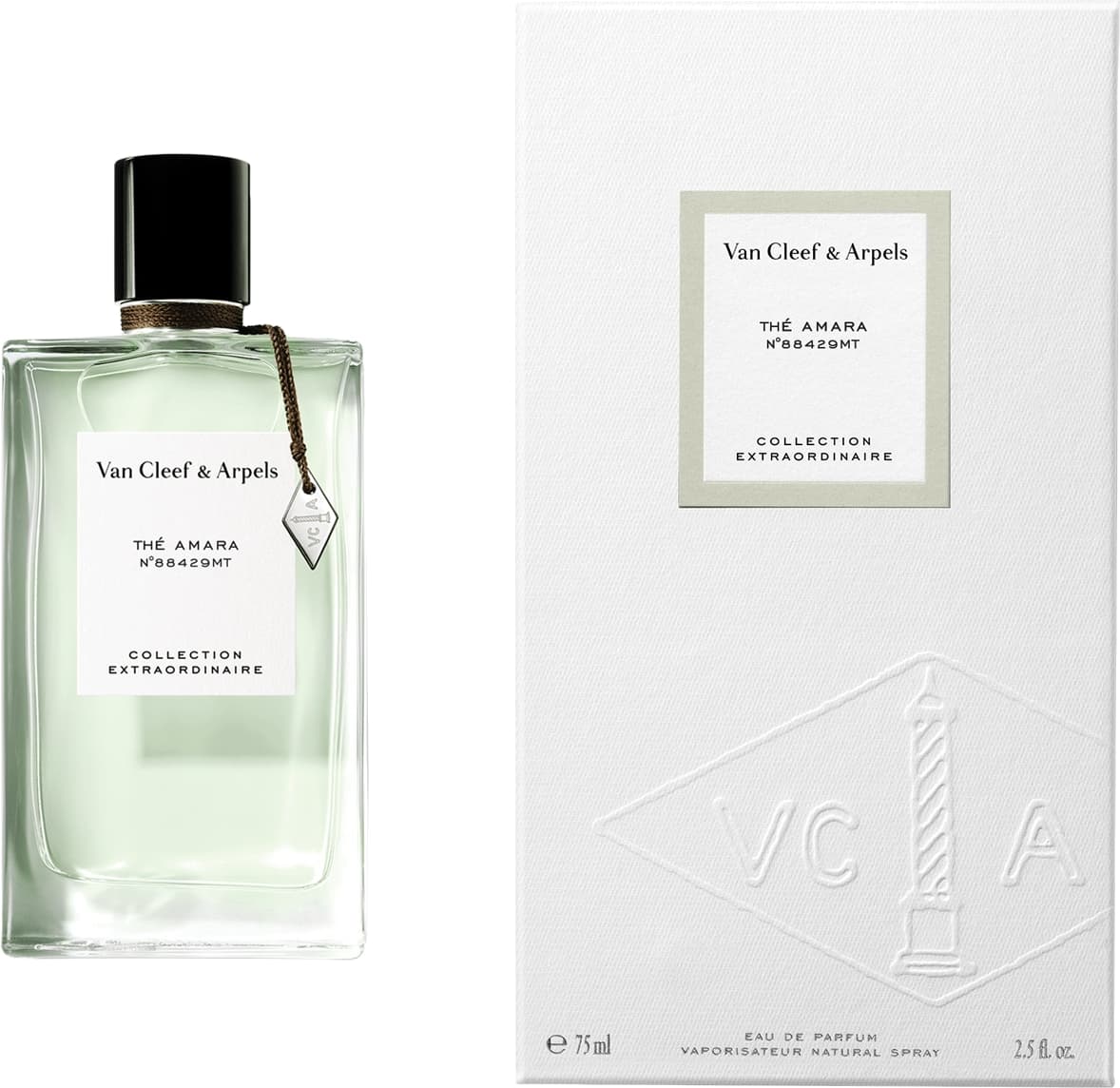
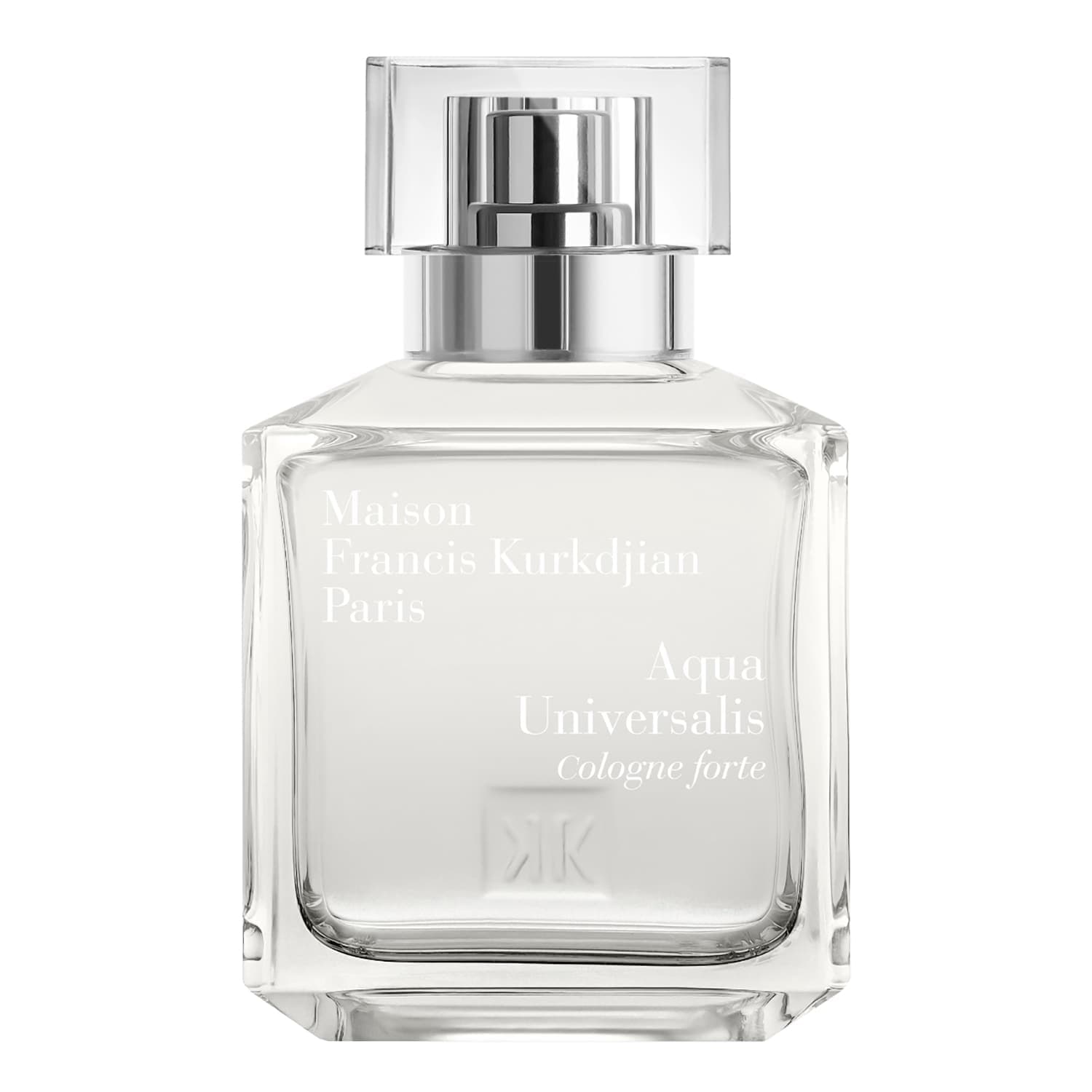 Citrus
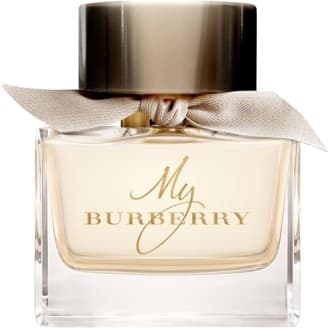 Floral
 Floral