
 Oriental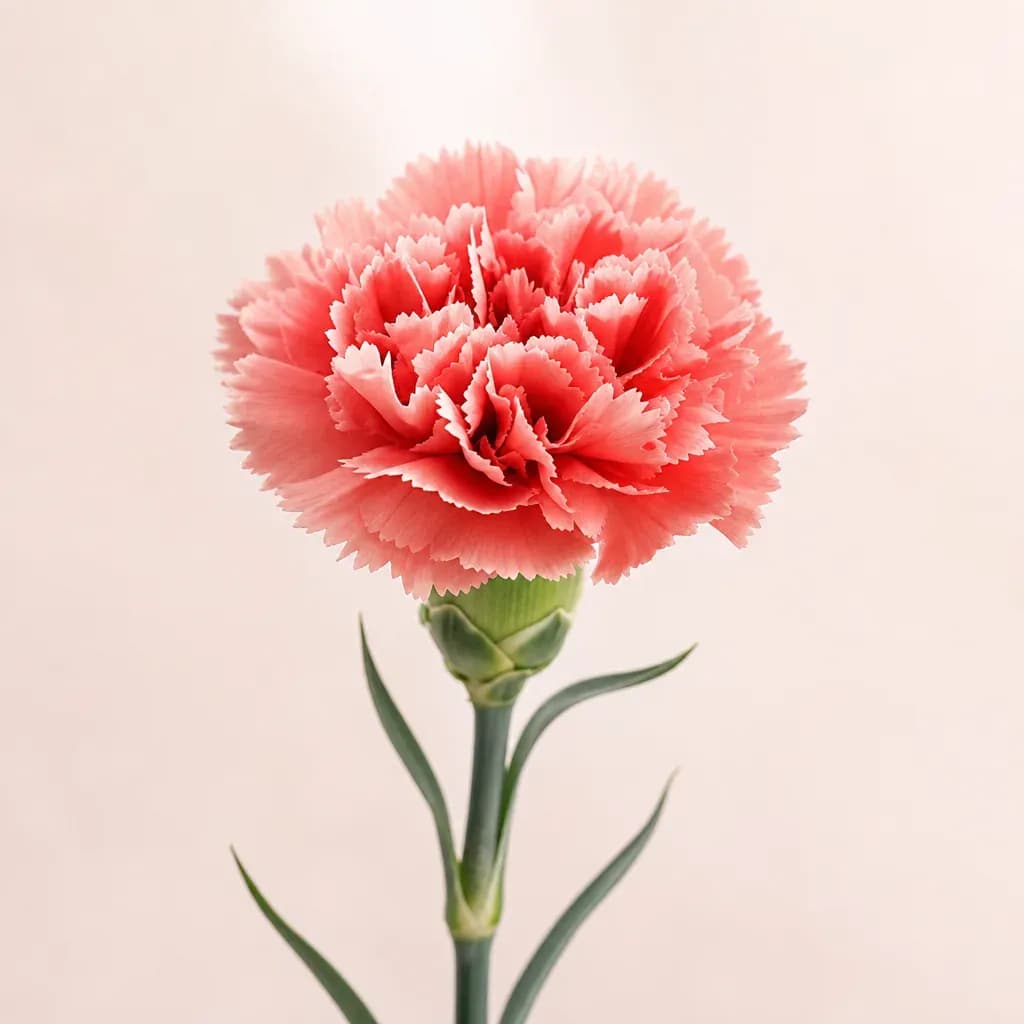
Carnation
Spicy fragrances are particularly appreciated in the world of perfumery. Indeed, whether they involve warm or cold spices, these always provide essences of character, at once vibrant and enveloping. Also, while when speaking of spices we commonly think of pepper, cardamom, ginger or cinnamon, there are other raw materials capable of revealing this type of scent. Such is notably the case with carnation.
The different forms of carnation and their meanings
Carnation is a perennial plant with generally toothed petals belonging to the caryophyllaceae family. There are multiple varieties, including the highly fragrant Mignardise carnation, the poet's carnation whose flowers naturally form a bouquet, the China carnation with bicolor but scentless petals, or the French marigold, which actually belongs to the Asteraceae family and is therefore not truly a carnation. Legend has it that the carnation was born of a whim of Diana, who is said to have torn out the eyes of a young shepherd before throwing them to the ground and seeing them sprout, thus giving rise to the carnation, hence the name of this plant. Already used in ancient Greece to crown athletes or newlyweds, carnation was brought to Europe by the invasions of the Roman Empire. Its excellent ability to keep once cut was highly valued at the time, and this flower was used to make crowns and garlands. Likewise, numerous paintings dating from the Middle Ages feature carnation. It is notably present in Mantegna's Madonna della Vittoria or Raphael's Madonna and Child. Furthermore, this fascination with the flower continued until the end of the 19th century. Carnation was also highly appreciated by poets, cited repeatedly by Mademoiselle de Scudéry or Louise de Vilmorin. Finally, on a historical note, the red carnation is a strong symbol of the revolutionary party and the labor movement. When blue, it referred to the Ligue Nationale Antisémitique de France in 1889. Lastly, Oscar Wilde's green carnation was, for its part, a subtle way of announcing his homosexuality.
Carnation in perfumery
While there is indeed a carnation absolute from Egypt, it is very rarely used by perfumers. Indeed, this variety does not really correspond to the spicy carnation as it is commonly imagined. In the past, it was nevertheless used simply because it smelled good. Today, it has given way to its synthetic reproduction. In this case, the natural scent of carnation is mainly composed of eugenol, one of the main constituents of clove, which explains this flower's spicy profile. Thus, when perfumers recreate the scent of carnation, they use eugenol in large quantities. A balsamic touch is then added, most often derived from cinnamic alcohol. Finally, the whole is rounded out with a floral touch. To achieve this, perfumers incorporate benzyl salicylate, natural ylang-ylang, heliotropin or rose into their synthetic composition. The blend is further softened with a hint of vanilla. Iris sometimes also completes this formula, reinforcing the powdery aspect of the mixture. However, it should be noted that the use of eugenol has been heavily restricted by IFRA, the body that regulates raw materials used in fragranced products. In order to avoid any risk of skin sensitization, its use is thus limited to 0.5% for an Eau de Toilette. This is why many perfumers now replace it with substitutes such as methyl diantilis.
While interest in carnation has had its ups and downs, it seems more than ever to be on the rise since the early 2010s. It thus appears in Vitriol d'Œillet by Serge Lutens, L'Heure Convoitée by Cartier or Infusion d'Œillet by Prada.
Identity card
- Latin name : Dianthus caryophyllus
- Origin : Plante
- Country : EG
- Part used : Fleurs
- Type : Naturel
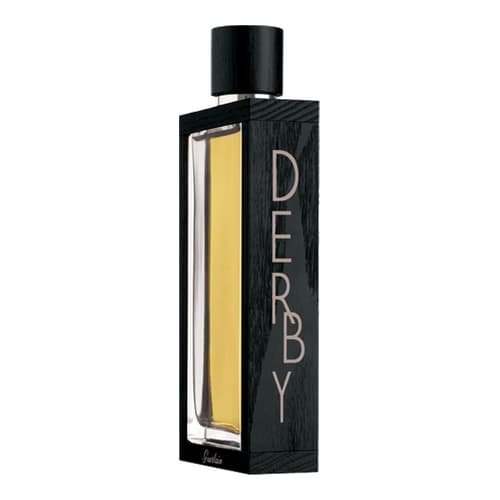
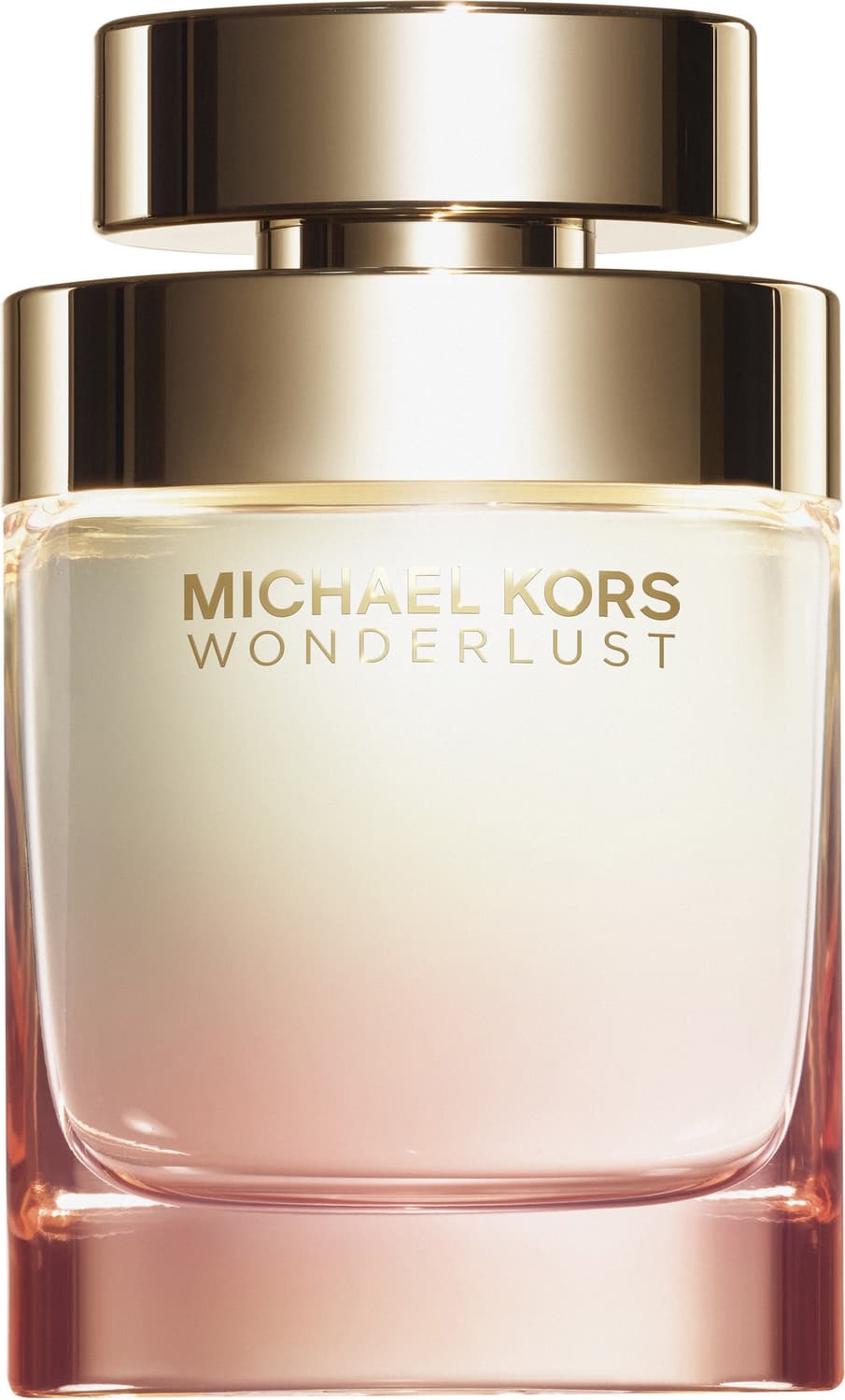
Perfumes with the Carnation note
Oriental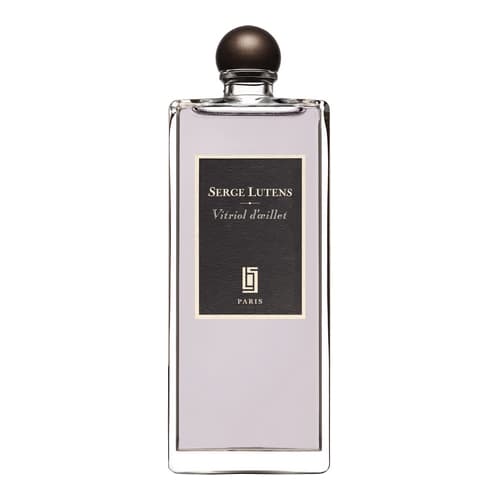 Floral
 Floral
 Fougère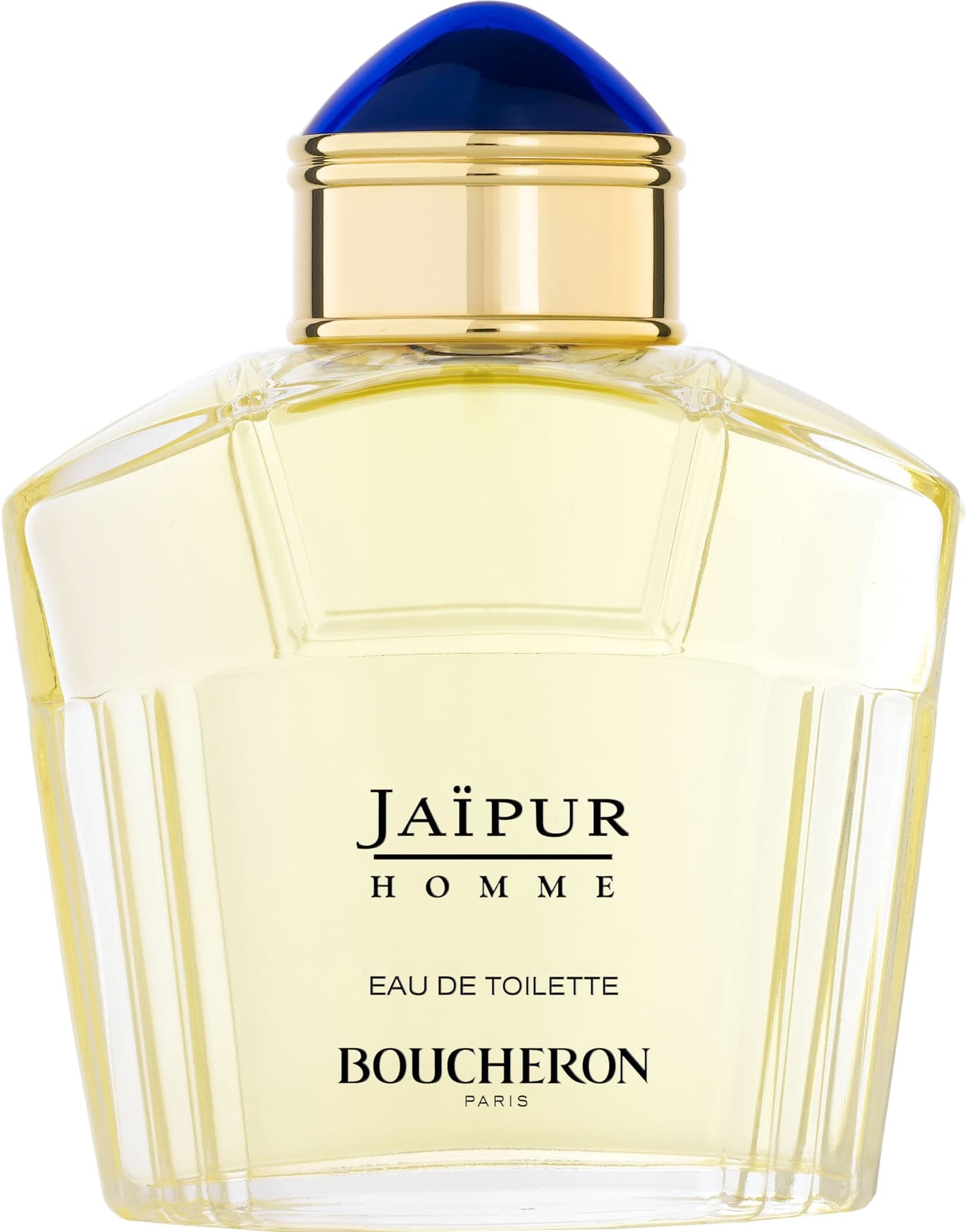
 Oriental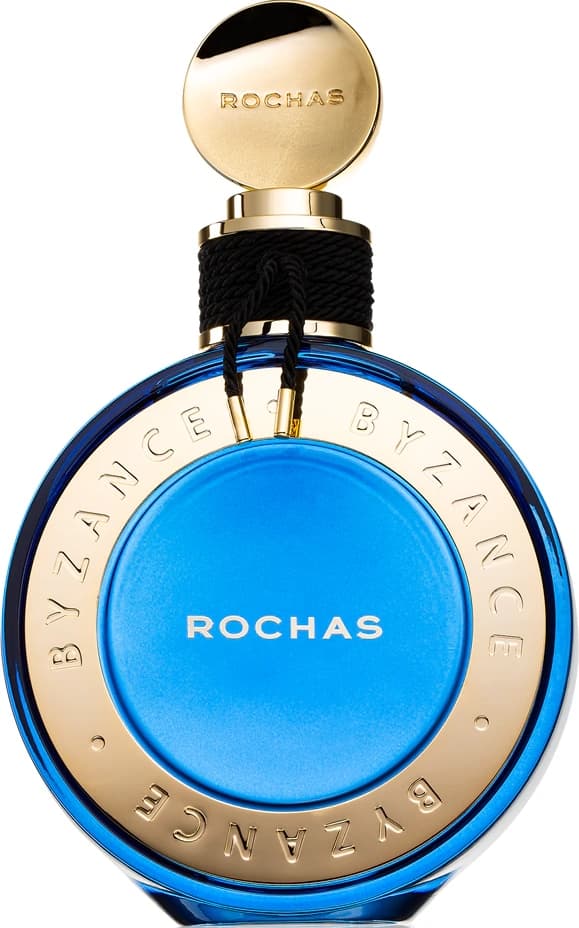
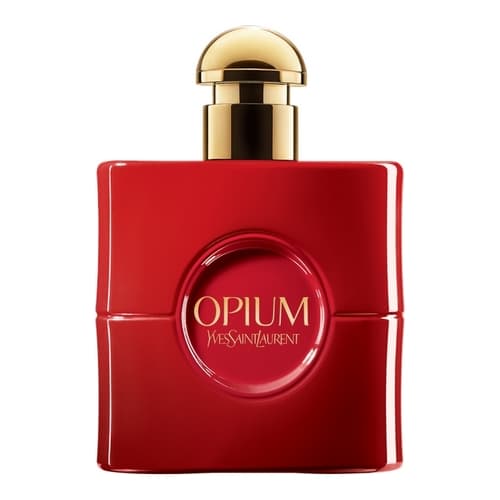 Oriental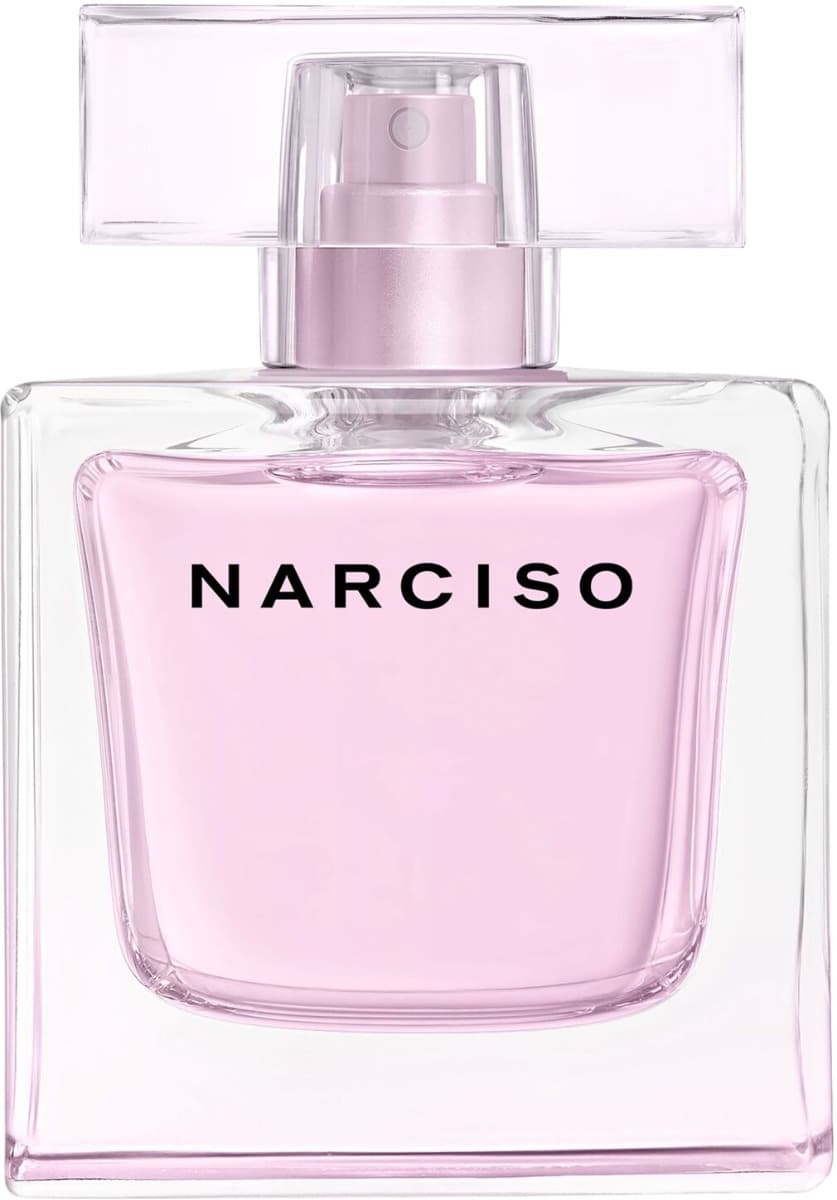
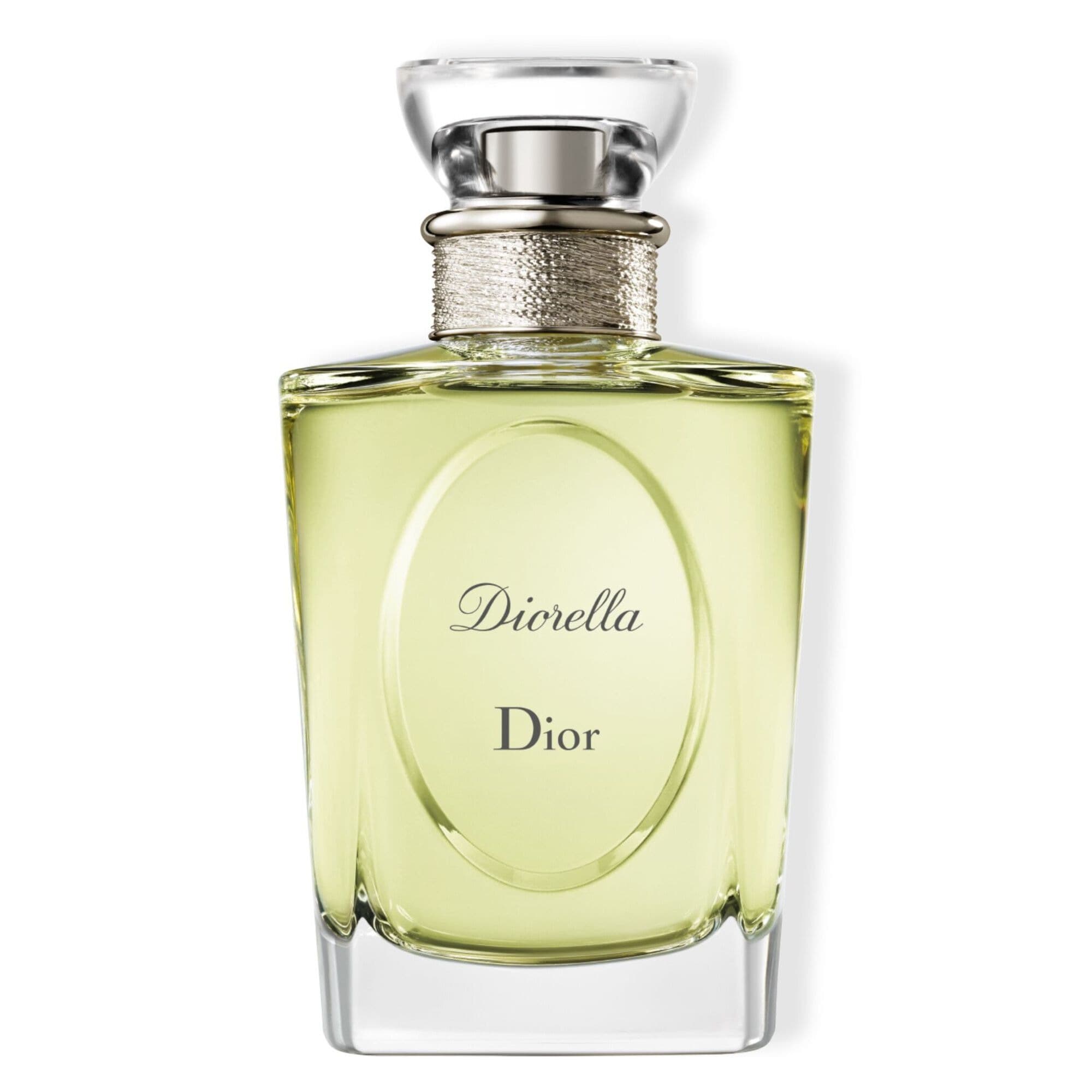 Chypre
 Floral