
 Floral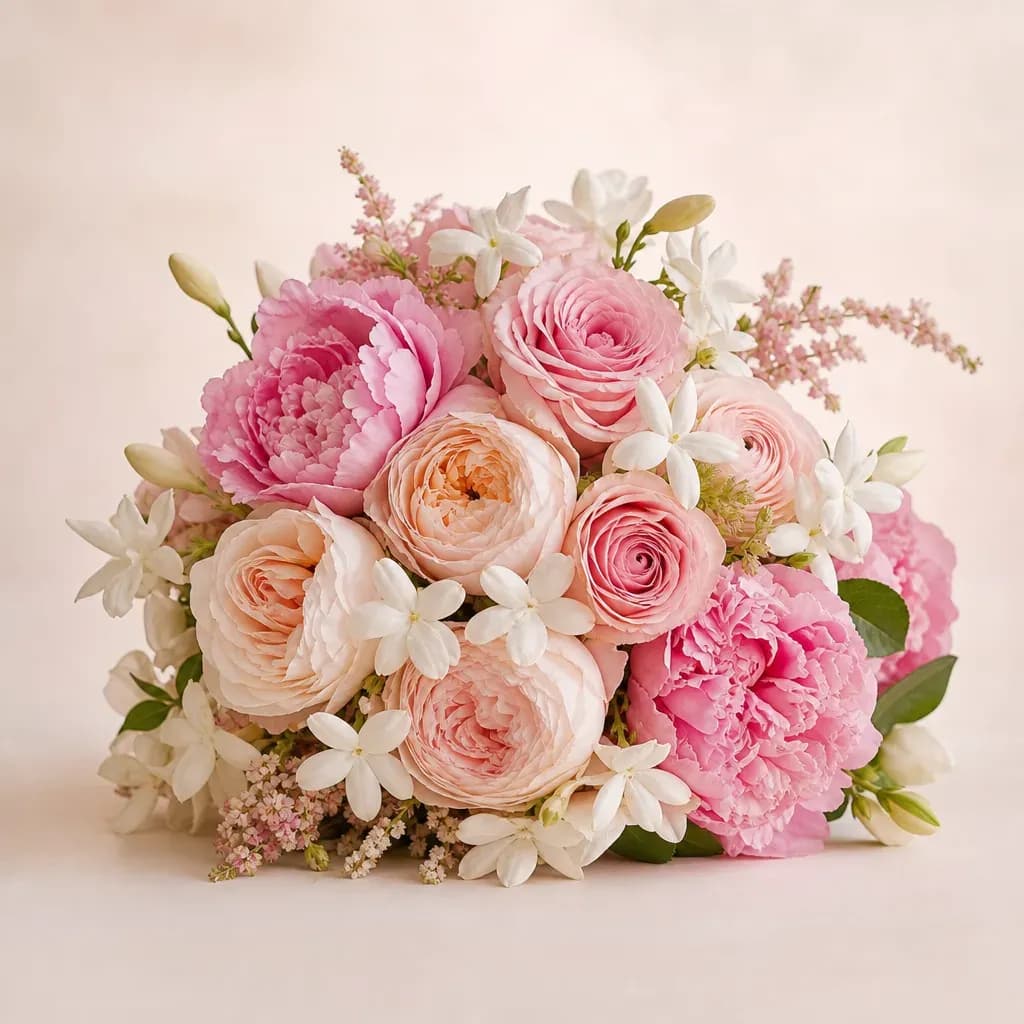
Floral notes
Florals are the favorite olfactory family among women. Floral notes are highly prized in feminine perfumes, as they symbolize femininity and naturalness. There is no woman who does not enjoy receiving flowers, the quintessential representation of romance. Floral notes come from essences and a great many flowers. The list of flowers is nearly endless, but among the most widely used in perfumery, and the most acclaimed, are rose, jasmine, violet, iris, orange blossom, tuberose, freesia, hyacinth, poppy, orchid, lily of the valley, mimosa, gardenia, and ylang-ylang
The scents of flowers and their symbolism
Each flower carries a very particular meaning, and its presence in a perfume expresses that meaning at the heart of an always dazzling bouquet. Jasmine is a highly popular flower associated with romance and love. Jasmine symbolizes beauty and purity. In certain cultures, jasmine is a symbol of prosperity. Orchids represent the largest family of flowering plants. The orchid represents tropical beauty and symbolizes refinement, beauty, delicacy, and feminine charm. Rose is the best known and most beloved of flowers. Rose symbolizes love above all else, but also sensuality and passion, particularly the red rose. Every flower carries its own meaning, and its use is never incidental.
Floral notes in perfumery
The combinations of flowers are therefore vast and endless. Floral notes pair wonderfully with every olfactory family. They are of course found in floral fragrances, but also at the heart of fruity, woody, oriental, aromatic, citrus, or gourmand compositions. A floral note, whether made up of one or several flowers, softens a fragrance, lending it a significant touch of femininity. There are a great many floral perfumes. Among the most famous are Anaïs Anaïs by Cacharel, Amarige by Givenchy, Flower by Kenzo by Kenzo, J’Adore by Dior, Very Irresistible by Givenchy, Trésor by Lancôme, and Nina by Nina Ricci. Naturally, floral notes also blend perfectly with every secondary family, such as floral-woody with 1881 en Fleurs by Cerruti, oriental-floral with Après l’Ondée by Guerlain, chypre-floral with Aromatics Élixir by Clinique, or floral-fruity with Acqua Di Gio by Armani. Used for a very long time in perfumery, floral notes have their place in practically every composition.
Because they symbolize femininity and romance above all else, flowers are the most widely used ingredients in perfumery. Floral notes are woven into every composition and blend wonderfully with every olfactory family.
Identity card
- Part used : Fleur
- Type : Plante
Perfumes with the Floral notes note
Floral Oriental
 Citrus
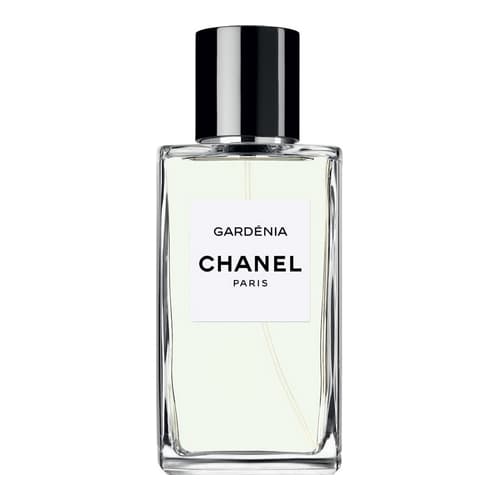 Floral
 Woody
Woody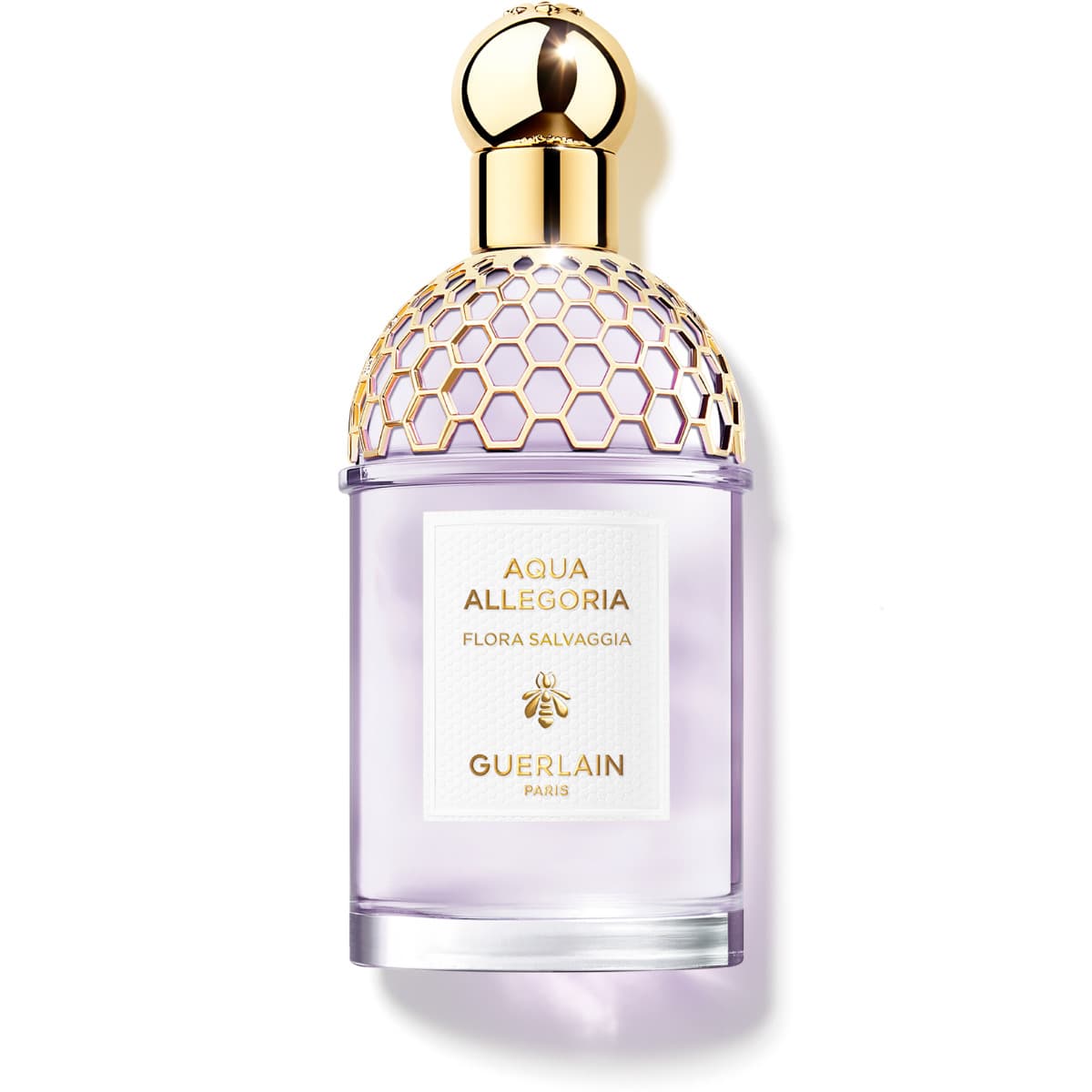 Floral
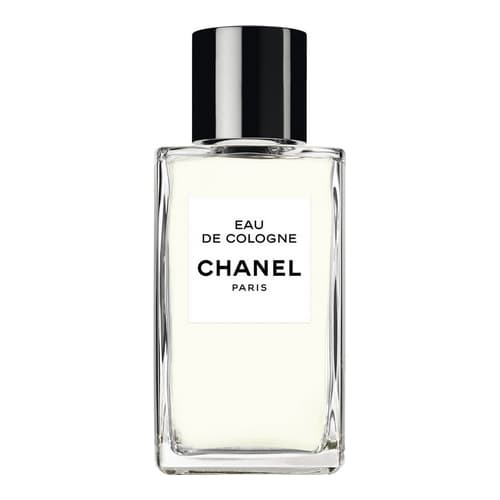 Citrus
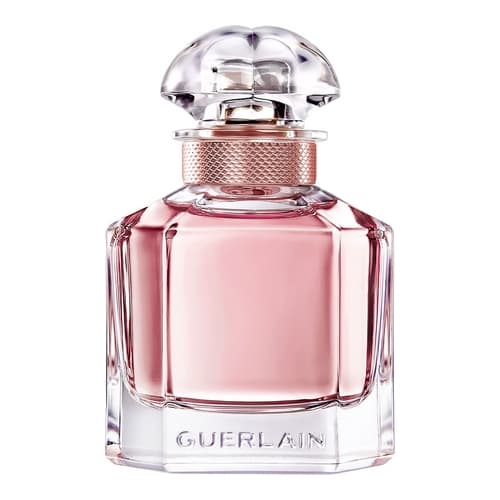 Floral
 Floral
 Aromatic
 Floral
 Floral