
 Citrus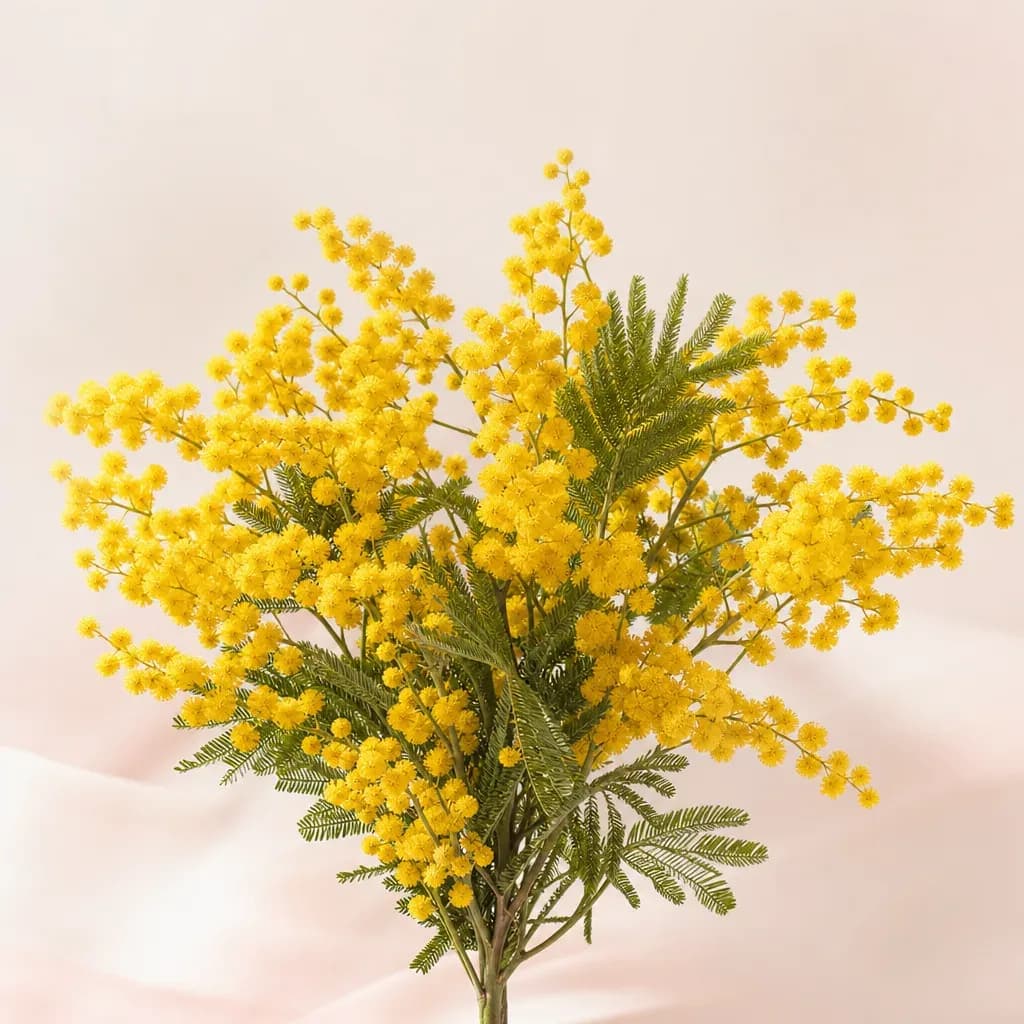
Mimosa
Different raw materials are used in perfumery. Mimosa is highly appreciated among them. There are several "mimosa" denominations, but perfumery uses winter mimosa, also called florist's mimosa. It is a species of tree called Acacia dealbata. Mimosa is currently widely cultivated in France, in Grasse, but it historically originates from Australia. It was only around the year 1804 that the first mimosa plants were introduced into Europe. It was Nicolas Baudin, a French navigator, who brought them back; they were planted at the Château de Malmaison, where Joséphine de Beauharnais lived. Its cultivation during the Second Empire in the 19th century on the Côte d'Azur was chosen for the climate, which suited it well.
Characteristics and use of mimosa
Mimosa grows in dry, siliceous soils. The mimosa tree can reach a height of about 20 m. Mimosa flowers look like small, velvety, silky yellow pompoms. These mimosa flowers are hermaphroditic and reproduce through entomogamy (pollination by insects). The fruits of the mimosa are brown, slightly flattened pods. Mimosa branches are not thorny; they are velvety, and its leaves are compound. Mimosa can be seen growing wild in France, as some have escaped from cultivated areas. Since 2003, this species has been part of the Fabaceae family, according to phytogenetic classification. Previously, it belonged to the Mimosaceae family.
In perfumery, mimosa flower absolute is obtained by volatile solvent extraction of small mimosa branches. The result is a powdery, floral, warm and rich absolute, associated with a honeyed, hay-like scent. Its scent is mysterious and subtle. It is often paired with tuberose, carnation and rose. Mimosa reportedly gives an impression of rebalance and comfort.
Perfumes based on mimosa
The perfume "Loulou" by Cacharel includes a mimosa note. It is a perfume created in 1987 that evokes a more alluring femininity than the house's previous creations. The sensuality of the fragrance is expressed at first by vanilla paired with floral and sun-kissed notes such as ylang-ylang, tiare flower and jasmine, then by powdery notes such as iris, heliotropin and mimosa. To give character to the mimosa, the perfumer added mandarin and blackcurrant as well as intense scents of incense, musk, tonka bean and sandalwood. Femininity and provocation are expressed through this opulent perfume built on mimosa absolute.
The iconic fragrance "Paris" by Yves Saint Laurent also contains mimosa. Mimosa and ylang-ylang lend splendor to the spicy and floral notes, then are softened by woody, creamy sandalwood notes, giving the fragrance its enveloping effect.
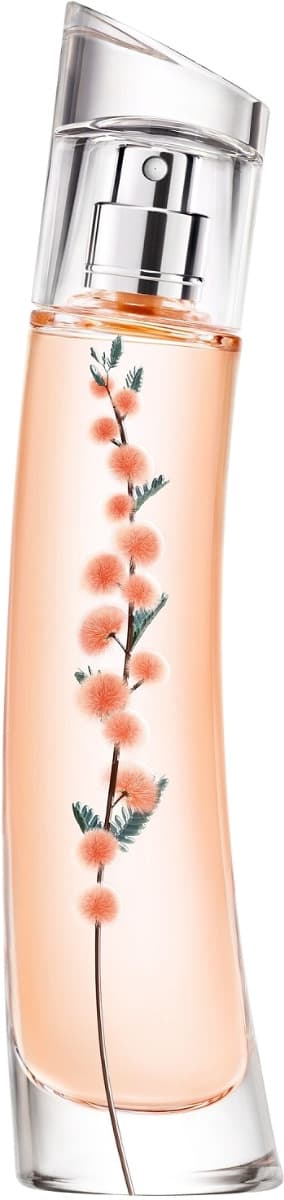
"Summer by Kenzo" is a perfume that smells of mimosa from the very first moment. It appears delicate, understated, yet remains elegant. The powdery notes of mimosa, violet and heliotrope are immediately noticeable. It is a fresh perfume, but the mimosa note stands out while being both soft and cosmetic. This is what makes this perfume distinctive for its mimosa note.
Identity card
- Latin name : Acacia Decurrens ou dealbata
- Origin : Arbre
- Country : IN
- Part used : Fleurs et Feuillages
- Type : Naturel
Perfumes with the Mimosa note
Citrus Floral
 Floral
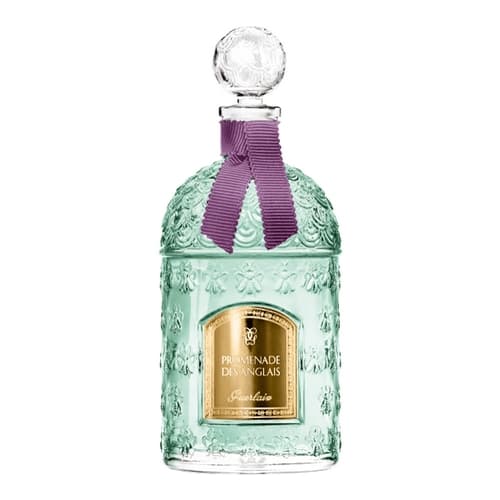 Floral
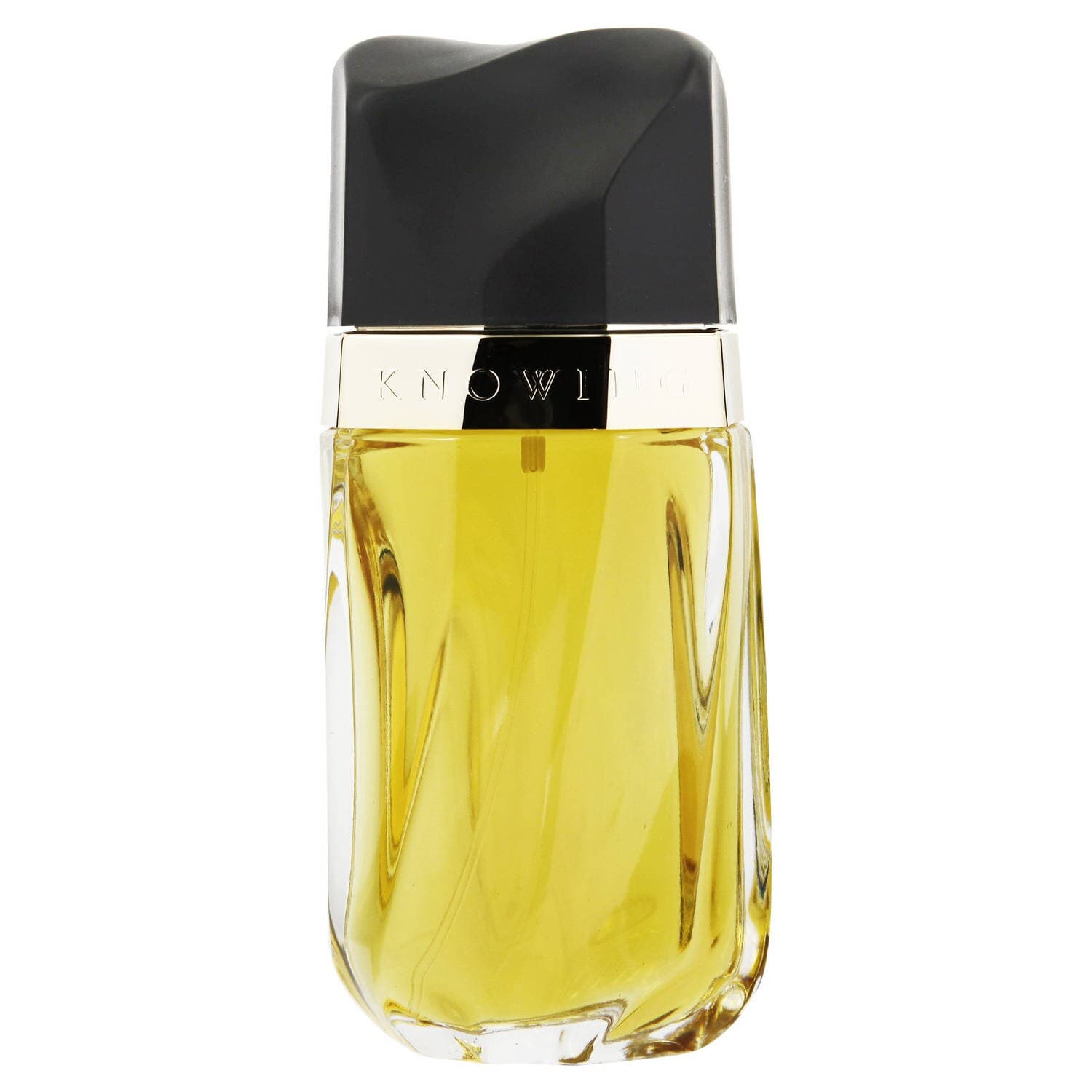 Chypre
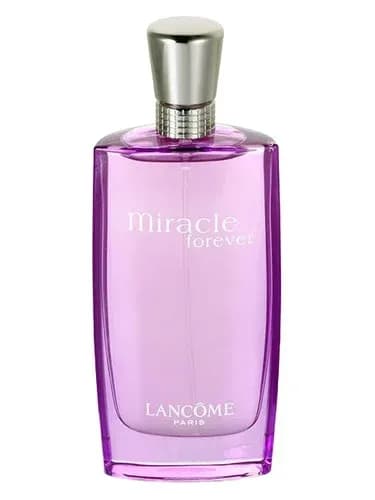 Oriental
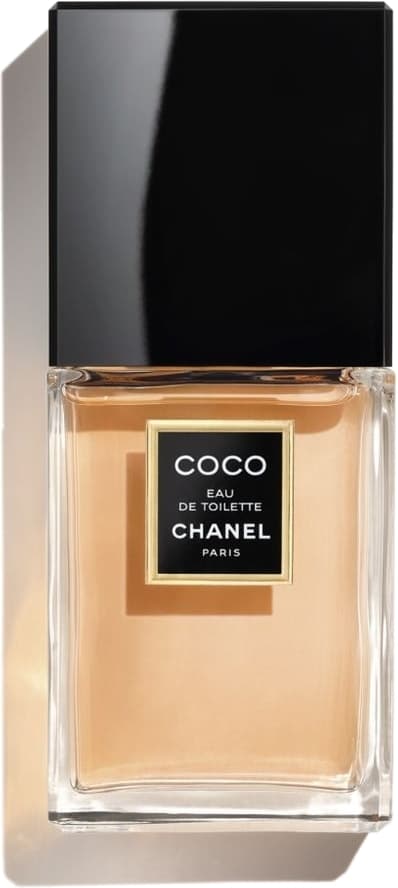 Oriental
 Floral
 Floral
 Floral
 Floral