
 Oriental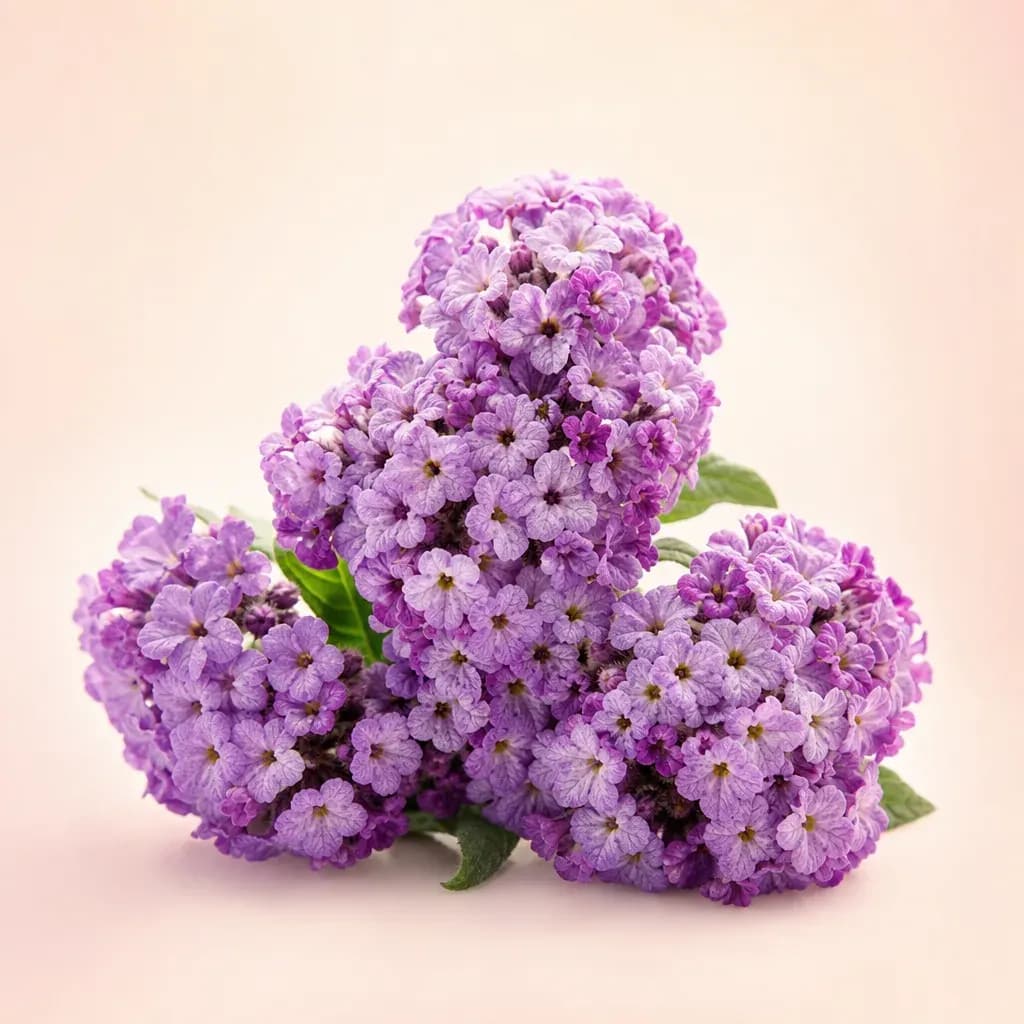
Heliotrope
Perfumery is an age-old field whose advances have been particularly notable over the last few centuries. Indeed, while it first appeared in Antiquity, its expansion and the range of plants used within it date rather from the 16th century. Also, among the natural materials recently discovered for their olfactory use, heliotrope is today an ingredient widely used by perfumers.
What is heliotrope?
Heliotropes are plants belonging to the Boraginaceae family, that is to say herbaceous plants that produce essential oils. They are also called “Saint Fiacre's Herbs”. They owe this name to the fact that their leaves turn toward the sun. In total, there are around 250 species in the world, mostly found in subtropical regions. In Europe, they are found more particularly in the Mediterranean region. Nevertheless, those most commonly used in perfumery are heliotropes native to South America. These have a blue, purple or white hue and are often associated with the spring season.
Heliotrope in perfumery
Heliotropin is an aromatic compound that was discovered in the second half of the 19th century. Its scent is today extracted using the headspace technique, a method developed in the 1970s aiming to reconstitute the natural scents of a flower as they exist in nature and without damaging it. However, it also happens that its scent is reproduced in the laboratory from other raw materials. Heliotrope brings to feminine or masculine fragrances a floral touch, at once vanillic, suave and balsamic. It thus lends more creaminess to the fragrances that contain it and, in this sense, is somewhat reminiscent of lilac. Generally speaking, heliotrope is a highly odorous material. While some recognize in it almost the scent of a fresh butter madeleine, it does not lack character for all that and possesses a peppery facet similar to that of carnation.
While heliotrope is regularly used in fragrances today, it should be noted that it reached its peak with its presence in l'Heure Bleue, the famous fragrance from the house of Guerlain. Likewise, a fragrance by Reminiscence has been entirely devoted to it. This one is logically named Héliotrope and was created in 2013. Housed in an opaque green bottle that speaks volumes about its aromatic facet, it nonetheless does not skimp on gourmand character. Indeed, it would almost resemble a macaron more than heliotrope! Be that as it may, this at least has the merit of drawing attention to this still too little-known yet so widely used ingredient. What is more, it fits perfectly within the sparkling and bewitching universe of the Réminiscence brand.
Identity card
- Type : Molécule
Perfumes with the Heliotrope note
Oriental Oriental
 Floral
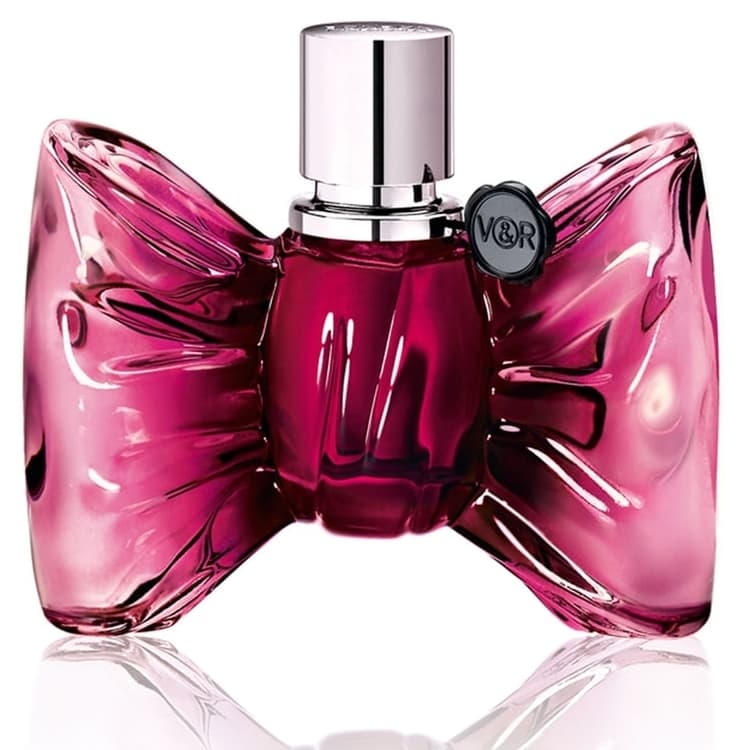 Oriental
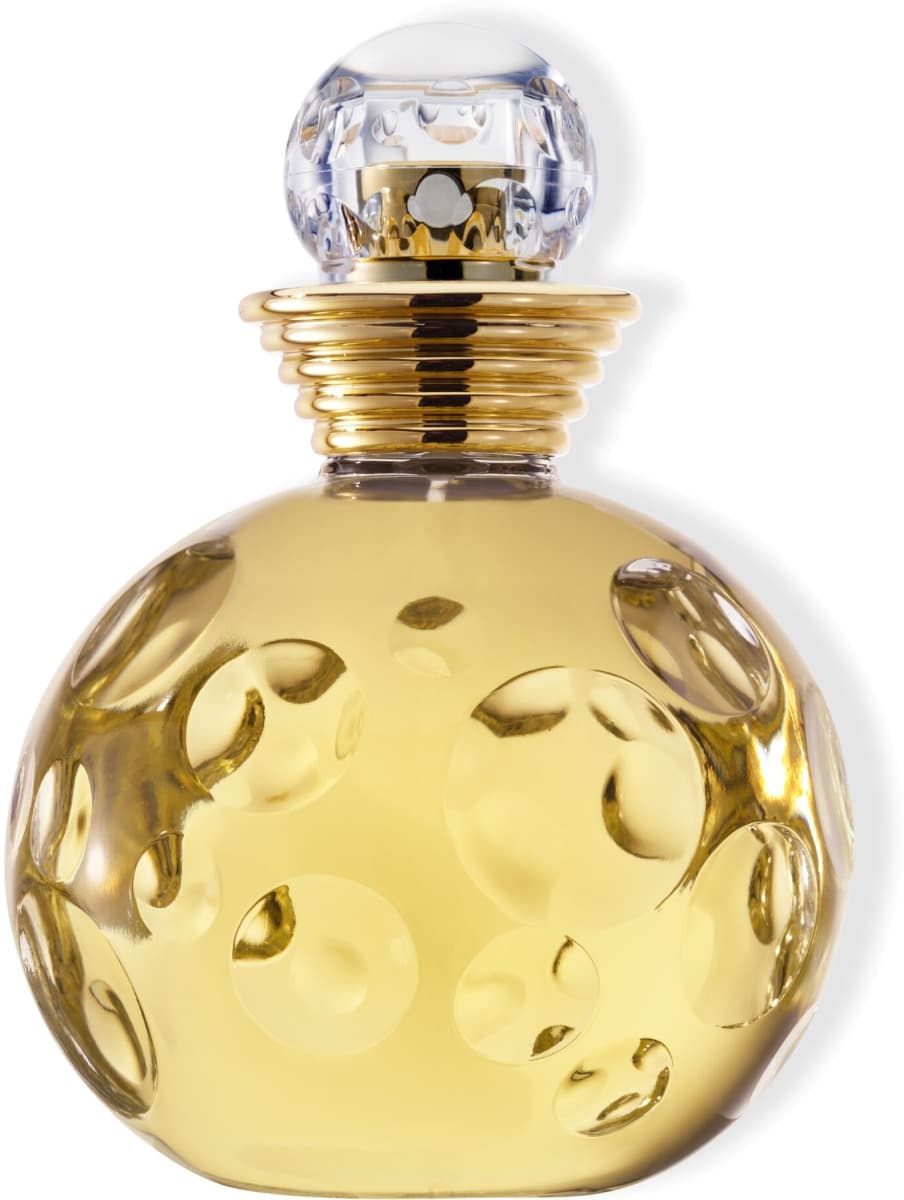 Woody
Woody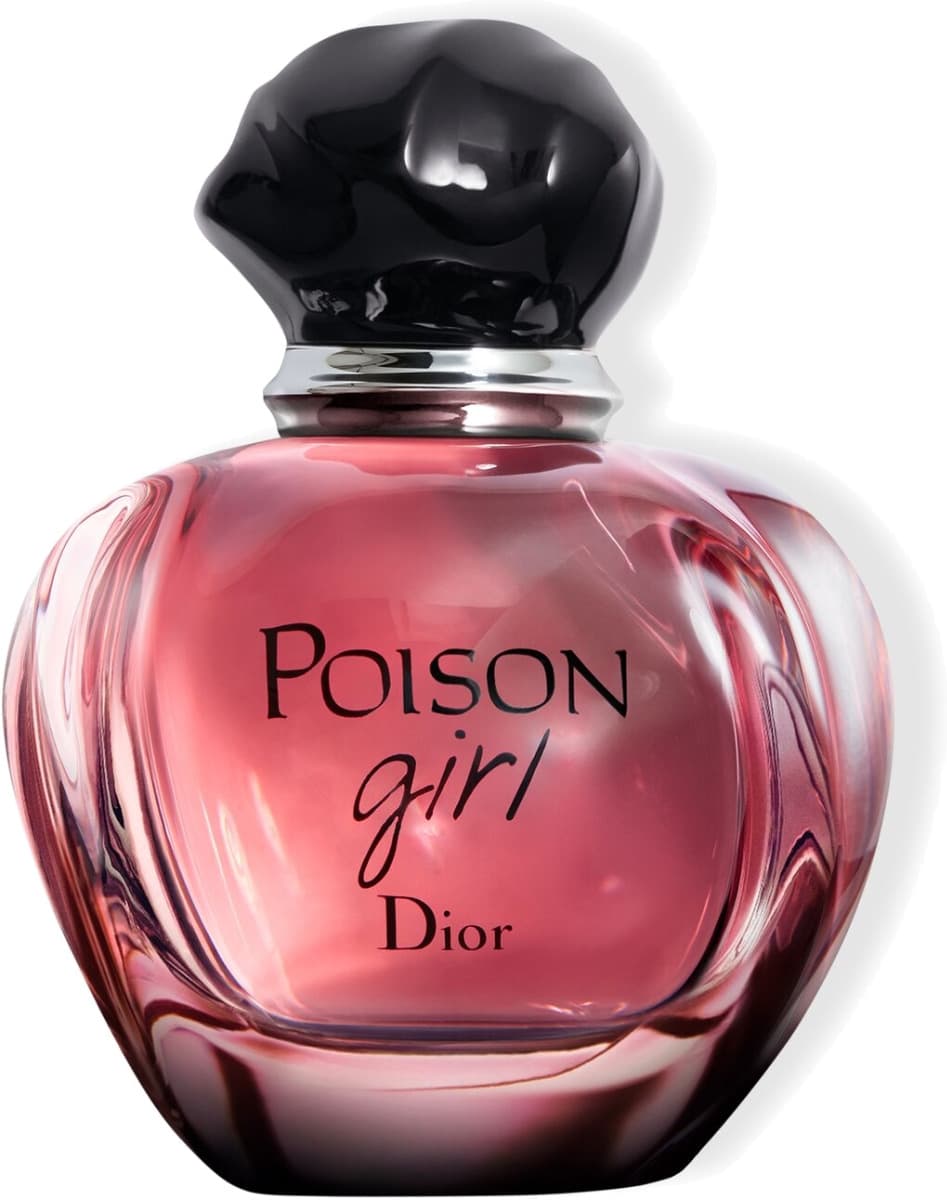 Oriental
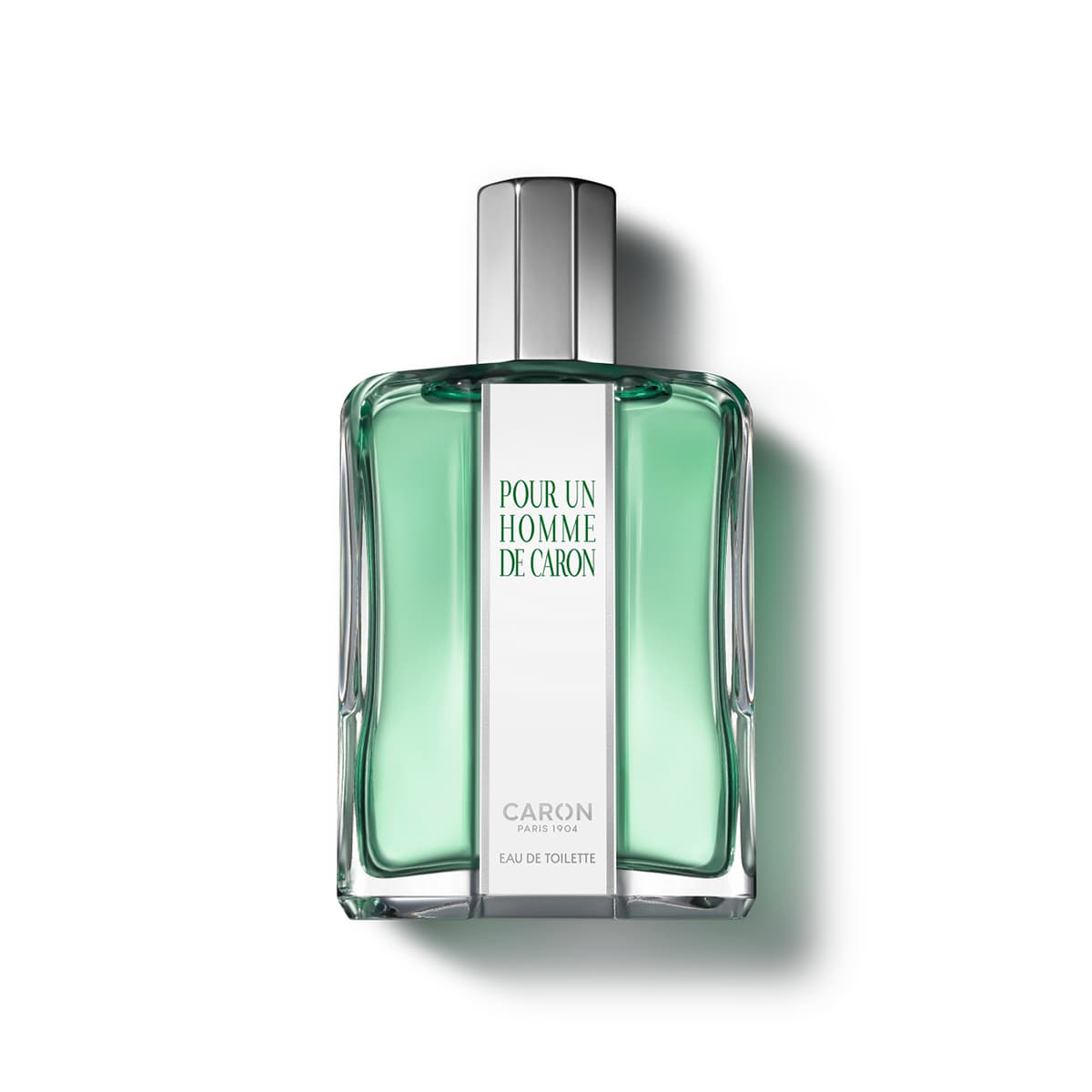 Aromatic
 Floral
 Floral
 Oriental
 Fougère
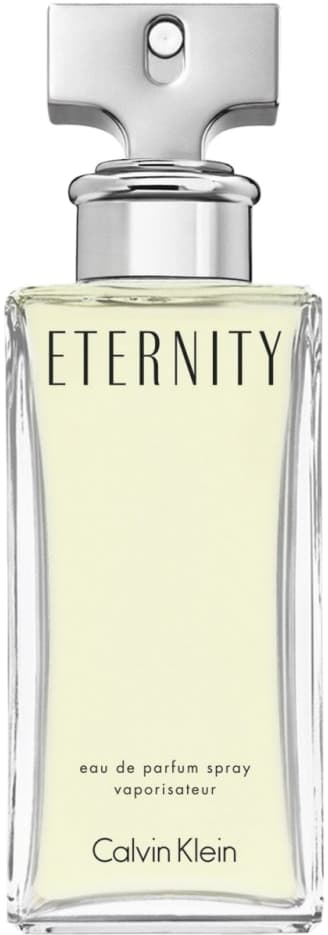 Floral