 Woody
Woody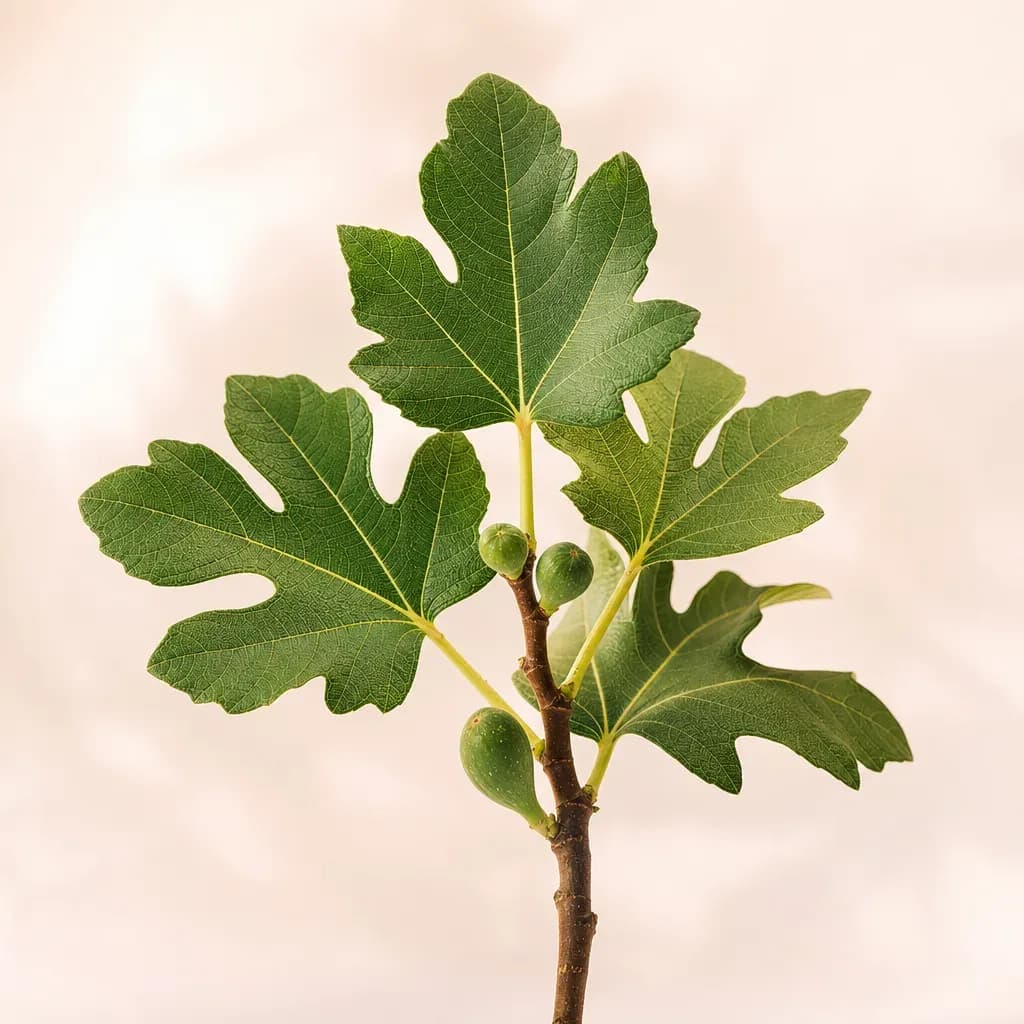
Fig tree
Fig tree accords or the delicate scent of Mediterranean gardens Fig accords in perfumery are not as obvious as one might imagine! Indeed, the fig, this delicate, sweet, and sugary fruit typically Mediterranean, produces neither essential oil nor essence from its flower or its fruit. Thus, some perfumers use its leaves or its wood, while others attempt to reproduce this scent so typical of the fig tree in bloom through synthetic molecules.
Regardless, fig notes took hold of our perfumes in the 90s, offering them the natural and so intoxicating touch of southern summer gardens.
The creation of fig tree accords or the fruity notes of the Mediterranean
There are as many possibilities for fig tree accords as there is creativity among perfumers, that much can be said! Let us begin with the natural scent released by a fig tree. The smell is powerfully sweet while being green and woody. Warm and creamy, the fig tree and its figs envelop our nostrils in sugar and wood. Thus, anyone can reproduce this sensation as they wish by deciding to use fig tree leaves or bark, or by using synthetic molecules.
As for synthetic fig notes, they are as varied as the interpretations of perfumers. There is creamy prunolide, with a scent of peach or coconut, or gamma octalactone. Coumarin plays on its powdery almond scent to evoke the sweet fruit. Finally, stemone and glycolierral turn toward the freshness of the green, milky notes of the blooming fig tree's foliage.
Thus each nose can choose the fragrant tonality they wish to recreate from the fig tree and the fig.
Fig fragrance in all its facets!
Given the density and variety of products used to create the raw material with fig tree notes, the fragrance families built around this venerable tree are numerous.
The very first fragrance with fig accords was released in 1994: “Premier Figuier” by L'Artisan Parfumeur. Its aim is to reproduce exactly for its wearer the woody and fruity olfactory sensation of standing in the shade of a fig tree. The notes are creamy and smooth while being tonic and very green. In 1996, “Philosykos” by Diptyque again created these green and creamy fig accords, adding floral notes to it for our greater delight.
Then during the 2000s, the desire to recreate an entire Mediterranean garden gave the fig note a supporting role behind citrus. “Un Jardin en Méditerranée” by Hermès or “Ninfeo Moi” by Annick Goutal aim to be multifaceted and above all typical of Italian gardens where the scents of citrus, laurel, and figs mingle under the sun's rays.
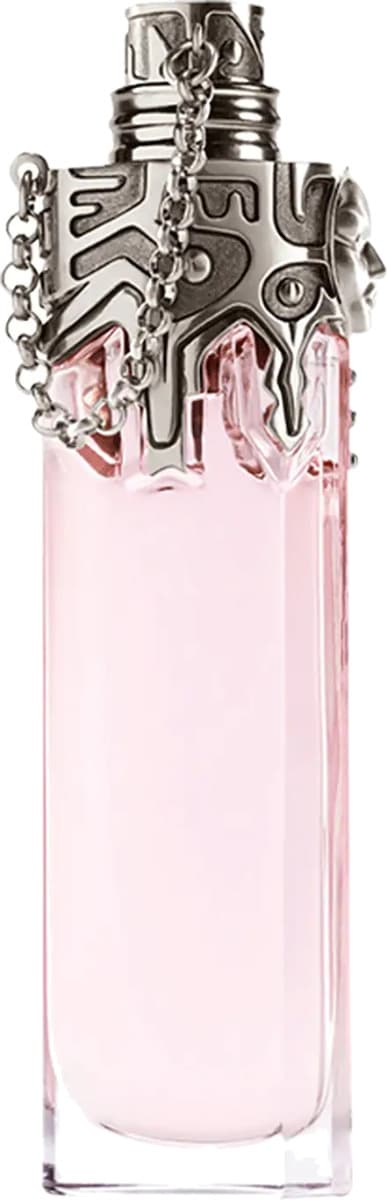
Finally, “Womanity” by Thierry Mugler, released in 2010, no longer places the fig tree in the spotlight but rather the gourmand, woody, and sweet fragrance of the fig. The fig mixed with the caviar note gives this sublime fragrance totally addictive sweet-salty accords while remaining natural.
Once again, the return to the natural sources of perfumery undertaken since the 90s has made it possible to rediscover new raw materials until then too little used in favor of more intoxicating notes. Yet, given the growing success of these very natural notes such as that of the fig tree, it is likely that the creativity of noses will certainly not stop at these fruitful attempts...
Identity card
- Latin name : Ficus carica
- Origin : Artificielle
- Type : Reproduction
Perfumes with the Fig tree note
Woody Woody
Woody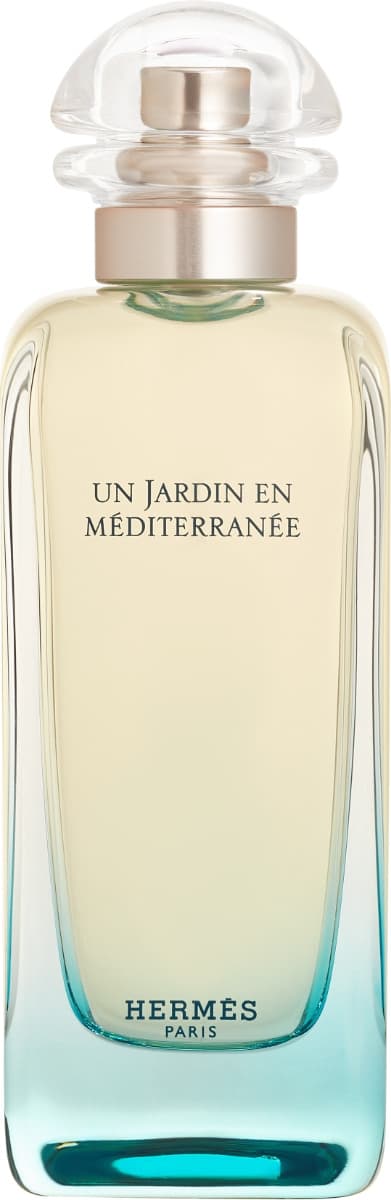 Woody
Woody Citrus
 Woody
Woody Citrus
 Woody
Woody Woody
Woody Floral
 Chypre