
 Oriental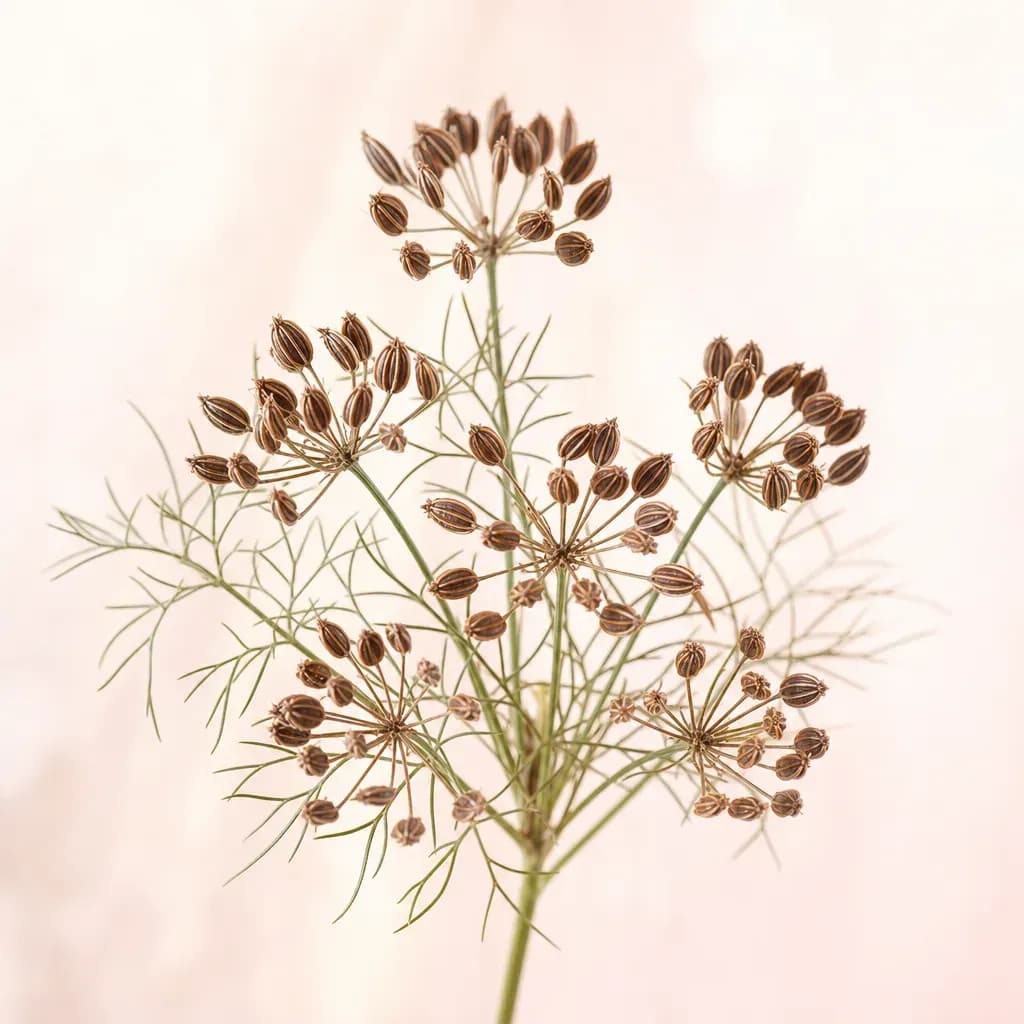
Caraway
Spicy notes are very present in perfumery and give character to the compositions that contain them. As such, new compounds are constantly being integrated into fragrances. Some are well known and are also used in cooking. Others, however, appear more abstract, as is the case, among others, with caraway.
What is caraway?
Caraway is also called “meadow cumin”. It is a biennial herbaceous plant of the Apiaceae family. It is cultivated for its leaves and its seeds and is highly valued for its aromatic qualities. It is a plant closely related to fennel and anise, which nonetheless must be dosed sparingly. Indeed, in too high a dose, caraway can prove toxic. While it is not cumin, it should be noted that it is nonetheless called that in Alsace and in French-speaking Switzerland, which can sometimes cause confusion. Caraway is a plant measuring 25 to 60 cm in height, with leaves divided into lobes. It is also adorned with small white flowers grouped in umbels. Caraway grows in regions with a temperate to warm climate and comes mainly from North Africa, Asia and Europe. It can therefore be found in Portugal and in France. Its use is, meanwhile, very ancient, dating back, as attested, to 1500 BC. Today, caraway leaves are used to flavor certain dishes such as salads or soups. However, it is its seeds that remain the most sought after, as they are far more aromatic. They are used to flavor meats but are also employed in the making of cheese such as munster. Likewise, caraway enhances the flavor of sauerkraut, certain cured meats or harissa.
Caraway in our perfumes
Beyond its benefits and its properties as a digestive stimulant, caraway essential oil is widely used by perfumers. Indeed, it is a plant with a typically spicy and slightly cumin-like odor. It gives the fragrances that contain it a strong personality and imparts its intense note. Thus, caraway requires deep mastery on the part of the perfumer, without which its odor quickly becomes overwhelming. The scent of its seeds is incorporated in small quantities into modern masculine fragrances, and it is obtained through distillation. In fact, caraway seeds, which grow from May to June, are dried and then crushed before being distilled. Caraway is thus very often found in eaux fraîches or in masculine fougères.
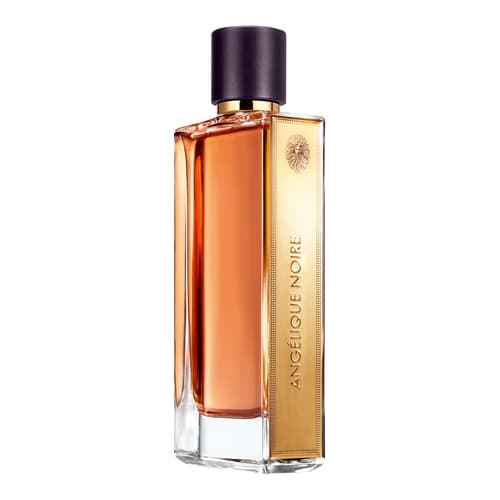
As an example, note that CK One Summer 2013 by Calvin Klein, Angélique Noire by Guerlain and Noir by Tom Ford contain it.
Identity card
- Latin name : Carum Carvi
- Origin : Plante
- Country : EG
- Part used : Graines
- Type : Naturel
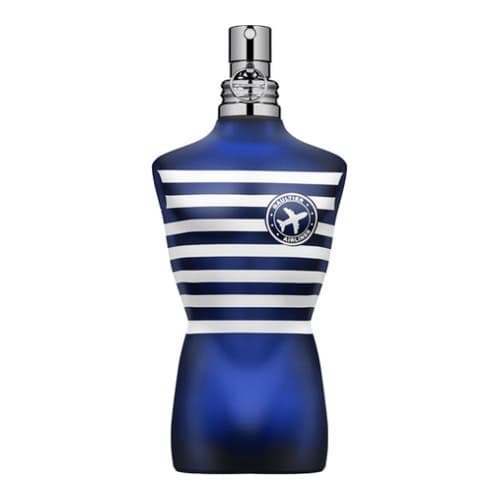
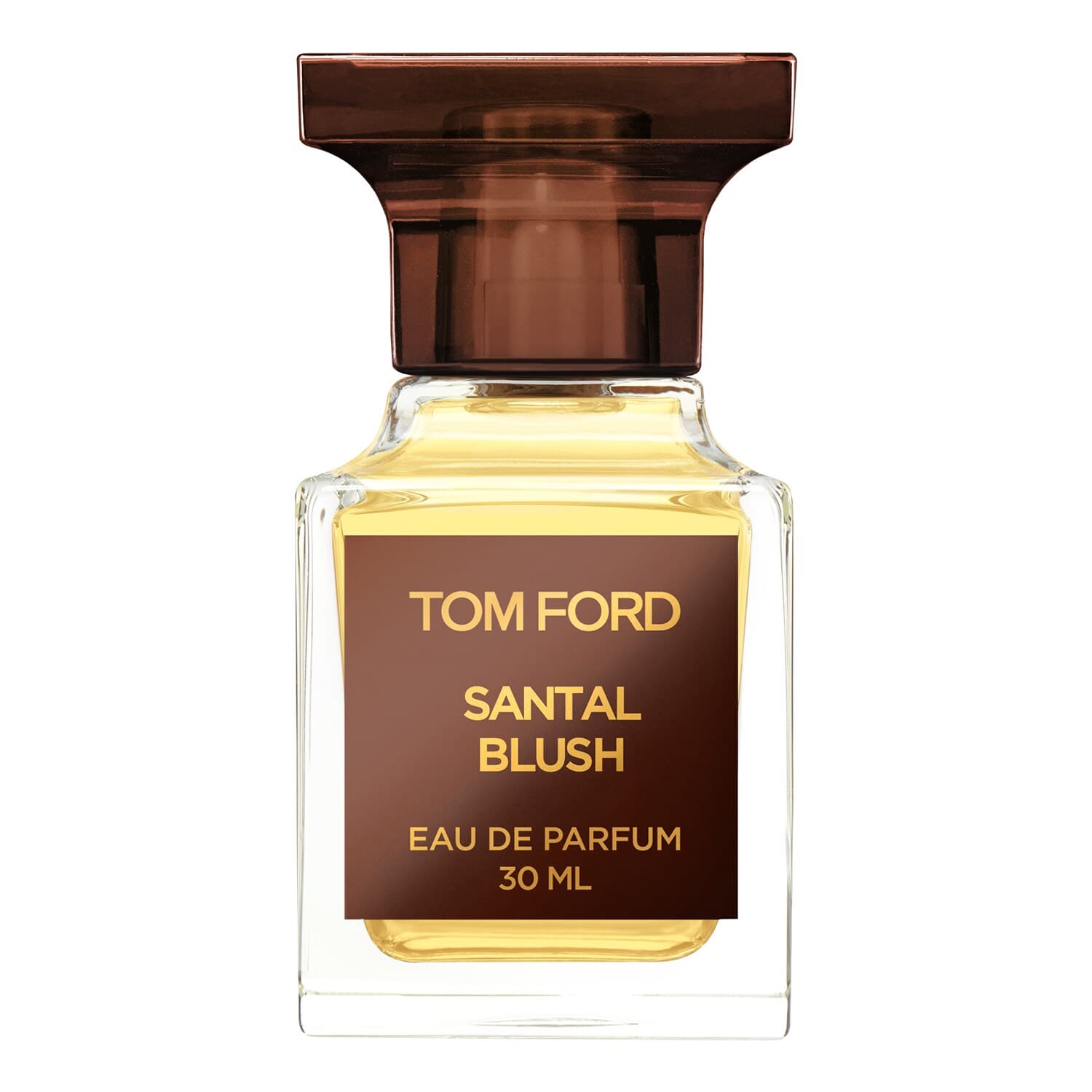
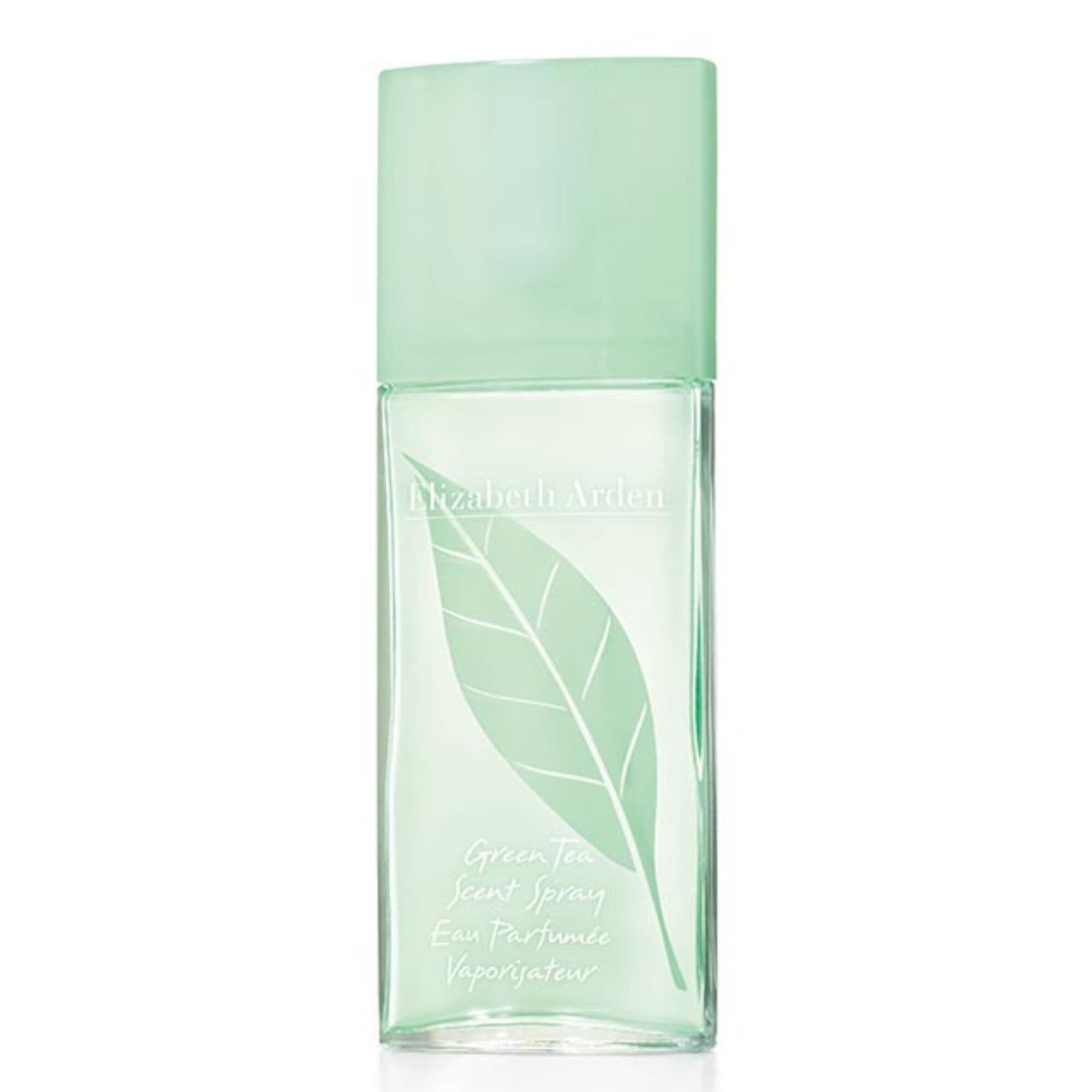
Perfumes with the Caraway note
Oriental Citrus
 Oriental
 Oriental
 Fougère
 Floral
 Oriental
 Oriental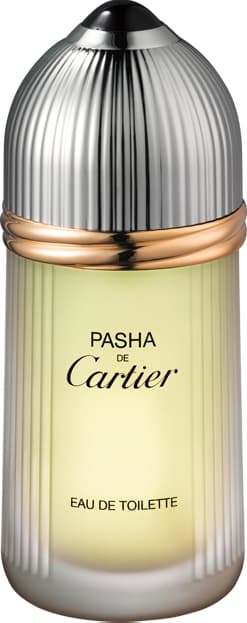
 Oriental
 Citrus
 Citrus