
 Aromatic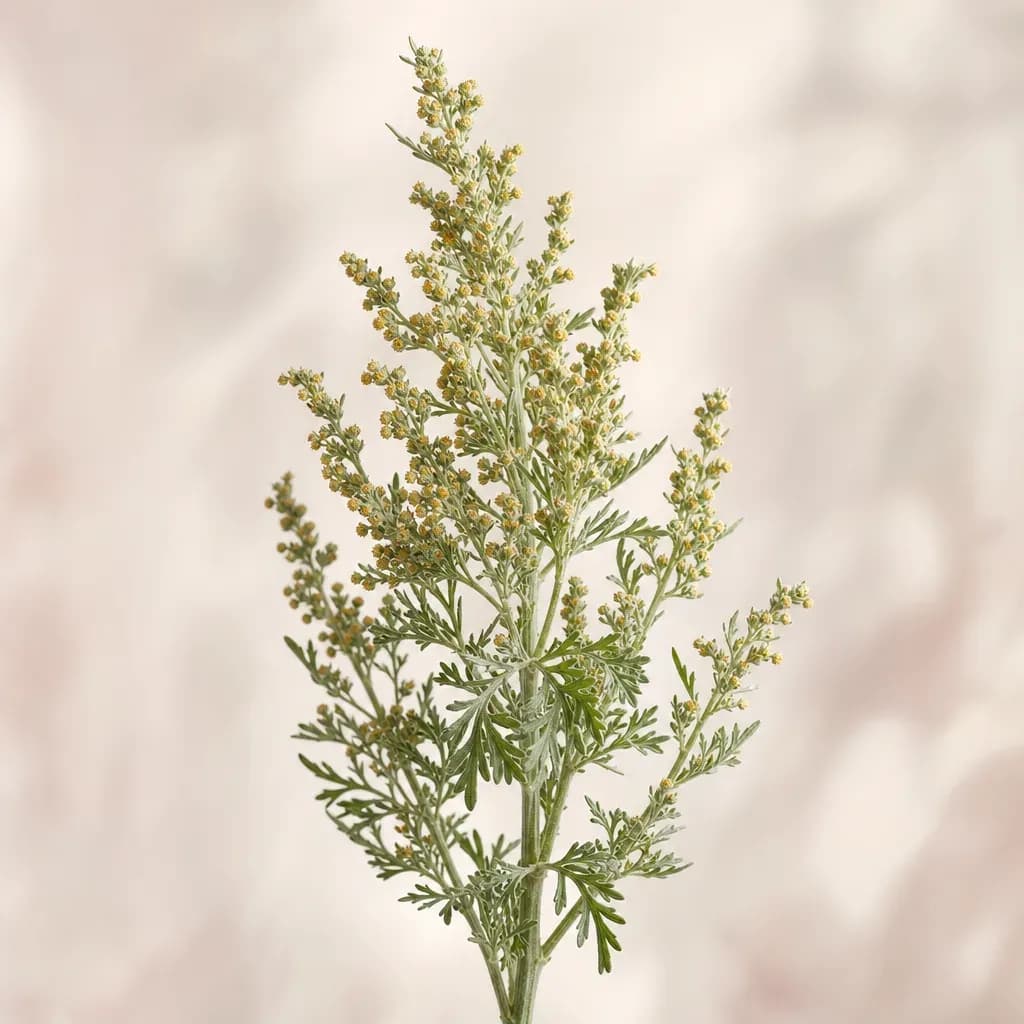
Absinthe
Fou d’Absinthe by L’Artisan Parfumeur is a fragrance that attracted a great deal of attention when it launched in 2006. It was a masculine with a highly eccentric touch combined with a more traditional base. It also showcased one of the most controversial ingredients in history: absinthe. So, let us take a closer look at the scent of this raw material.
Absinthe, a plant turned into a strong spirit
Absinthe is a herbaceous perennial plant measuring between 50 cm and 1 m. It is covered in silky white and silvery hairs as well as numerous oil glands. Its leaves are silky on the underside while the upper side is gray and greenish. Its flowers, meanwhile, are yellow and tubular, gathered into flower heads. Although it is aromatic, it remains far more famous for its liqueur than for its properties as a plant in its own right. Yet absinthe turns out to be a plant with many medicinal virtues as well as an excellent repellent for the vegetable garden. It thus has plenty to offer both budding herbalists and gardeners. Absinthe blooms from July to September. Overall, it is a demanding plant that can grow in soils that are not very moist and very sunny. That said, generally speaking, absinthe prefers calcareous soils rich in nitrogen. Gardeners appreciate it for its insect-repellent properties simply because it effectively fights aphids, carrot flies, flea beetles or cabbage white butterflies. It thus appears as a perfect organic repellent and fits perfectly into an eco-responsible approach. Absinthe is also recognized for its medicinal virtues. It is, moreover, very effective against stomach ailments, acting mainly as a vermifuge. Absinthe can also help fight fatigue, seasickness and nausea. It is generally used as an infusion but also in the form of a poultice. One might then wonder where its negative and controversial connotation comes from. In reality, it stems from absinthe as a spirit. This very strong liquor was banned in France until 2011, having caused serious cases of poisoning. However, rest assured, when absinthe is used in perfumery it is only to enhance fragrances.
The scent of absinthe
When incorporated into fragrances, absinthe has a slightly bitter and green scent. It is harvested from May to October. In fact, its flowers and leaves can be cut as needed until the first frosts. Once worked by the expert hands of perfumers, absinthe becomes airy and is thus imbued with a connotation of absolute freedom. In this sense, it undeniably draws close to absinthe as a spirit, also nicknamed the elixir of creative inspiration. Absinthe is an ingredient of astonishing richness, appreciated as much for its floral aspect as for its icy, energizing side. This plant proves to be somewhat anise-like, very aromatic and green.
Identity card
- Latin name : Artemisia Absinthium
- Origin : Plante
- Part used : Plante
- Type : Naturel
Perfumes with the Absinthe note
Aromatic Woody
Woody Floral
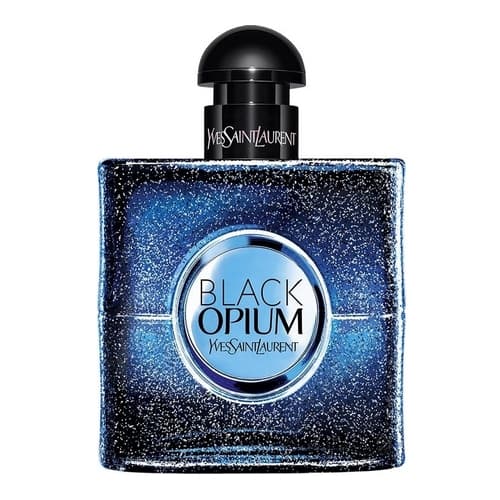 Oriental
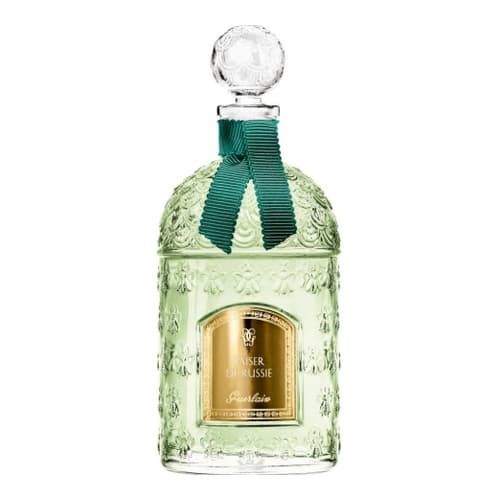 Floral
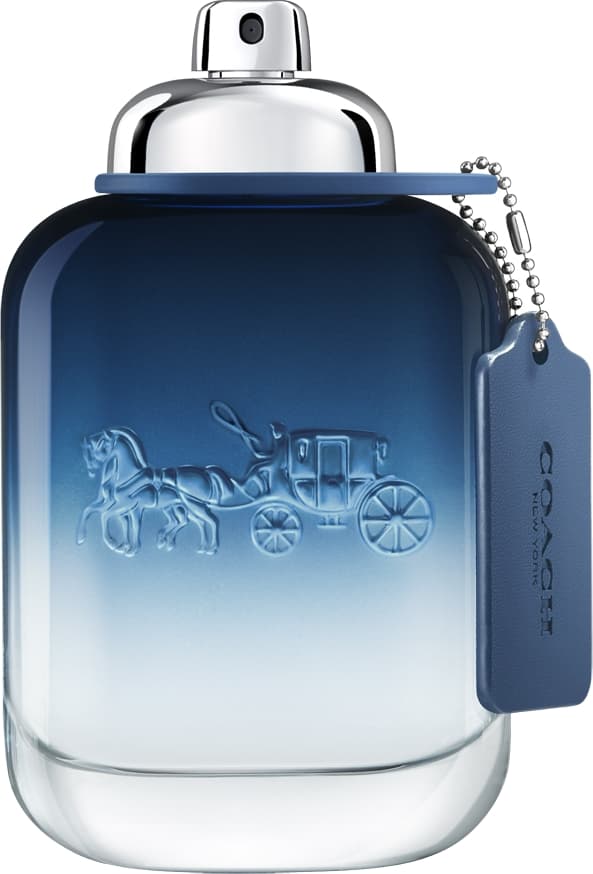 Aromatic
 Chypre