
 Chypre
Givenchy
There are brands said to be timeless. These blend tradition and modernity, presenting a style suited to all ages and thus enjoying an extraordinary reputation across the entire planet.
Givenchy perfumes
Chypre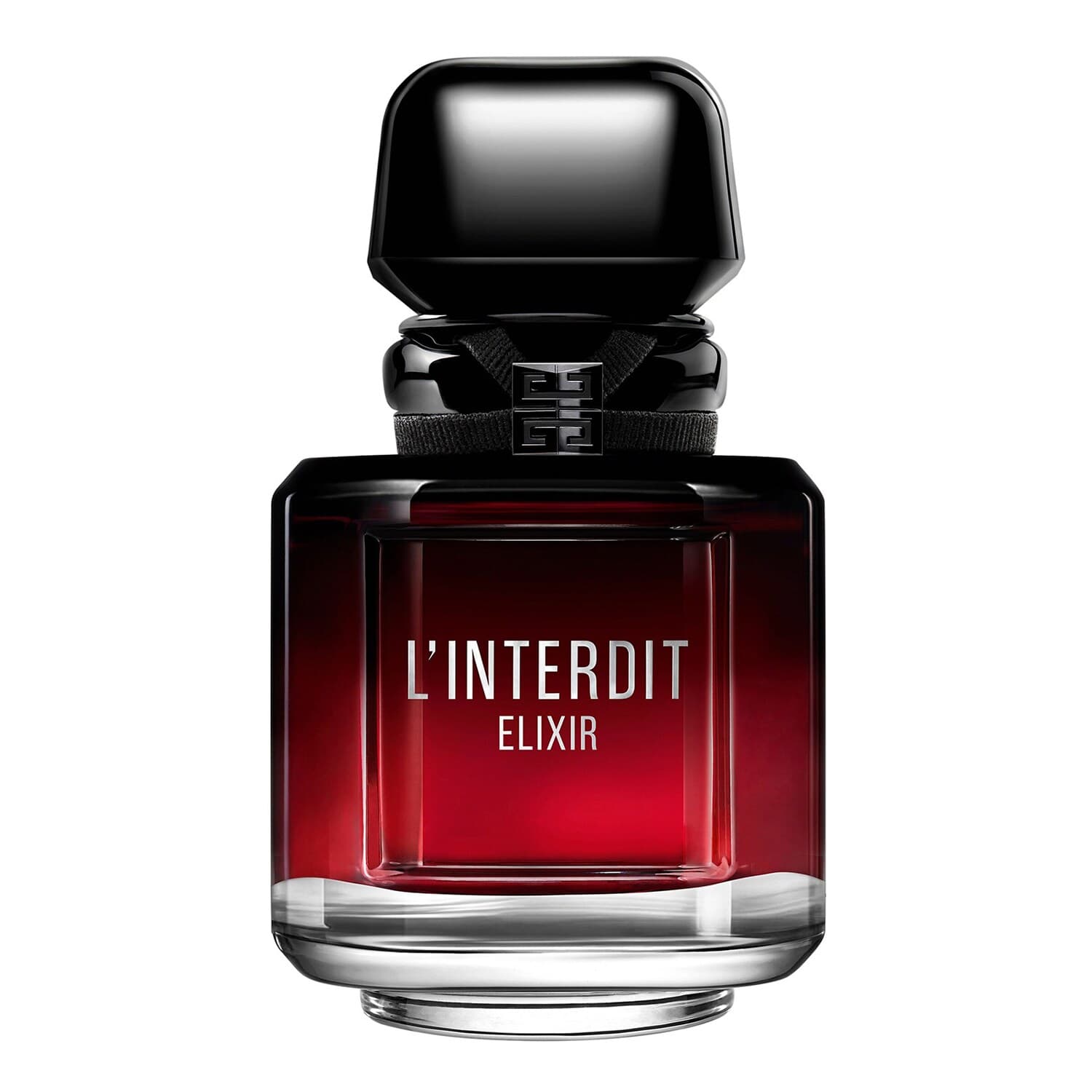 Floral
 Floral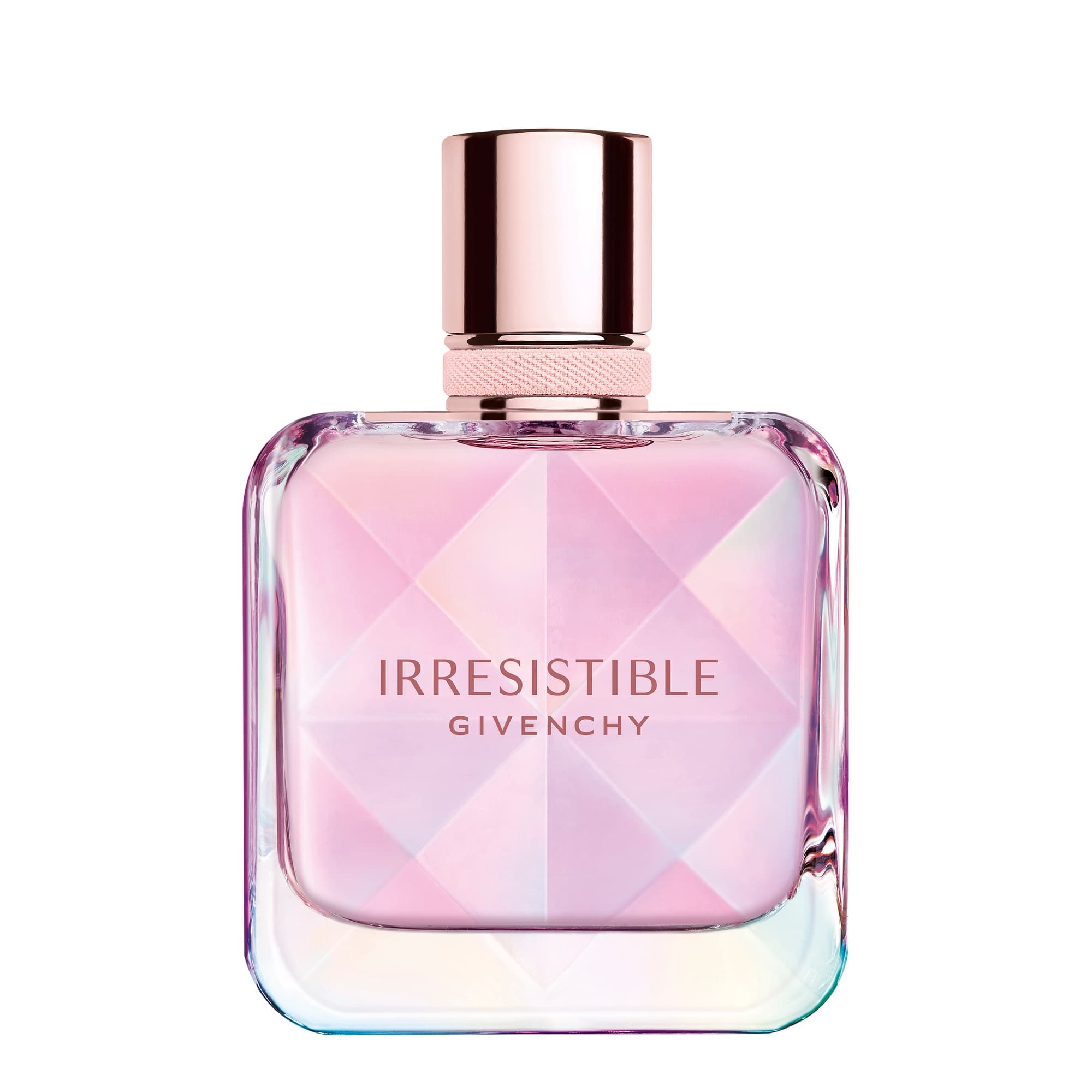
 Woody
Woody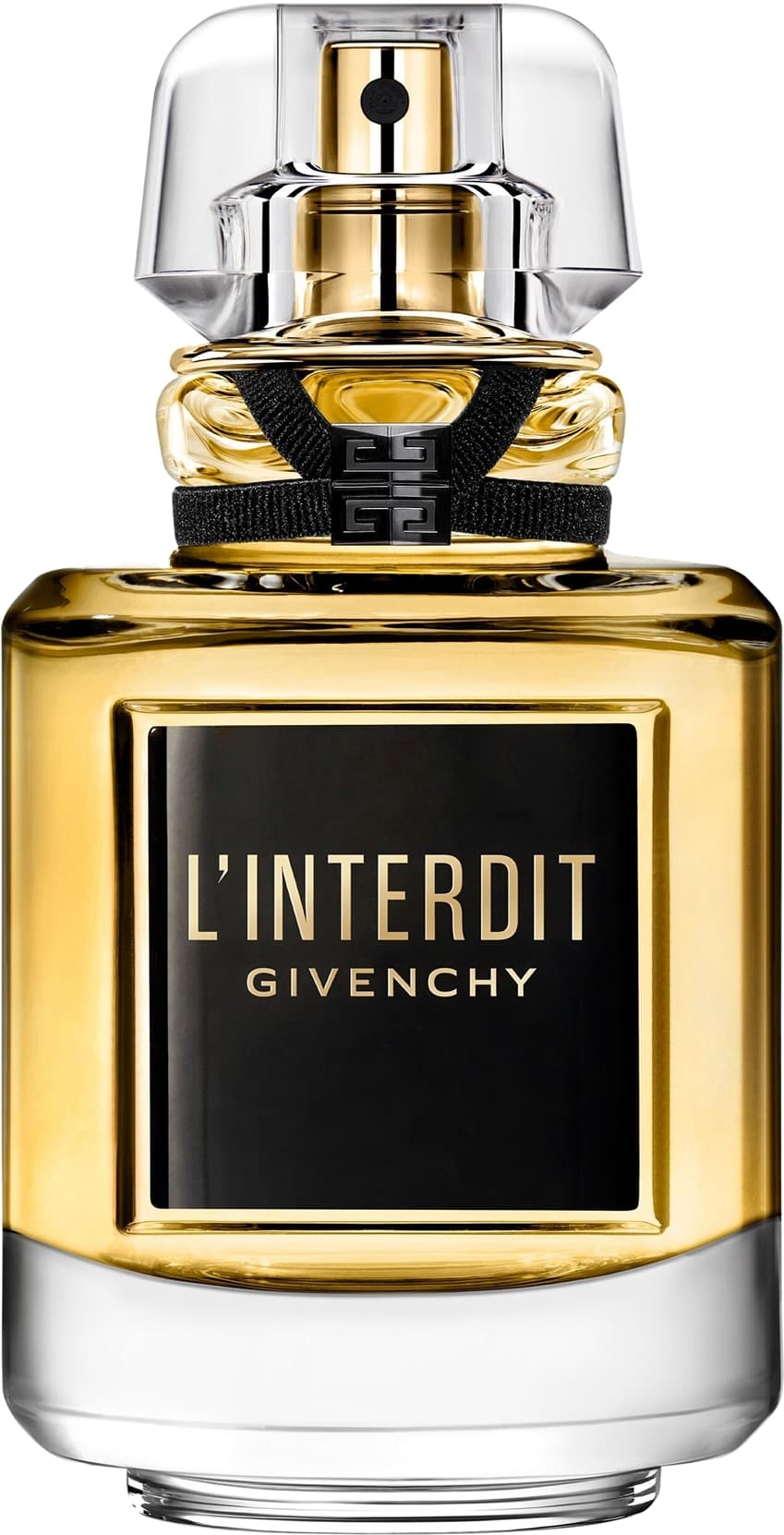
 Woody
Woody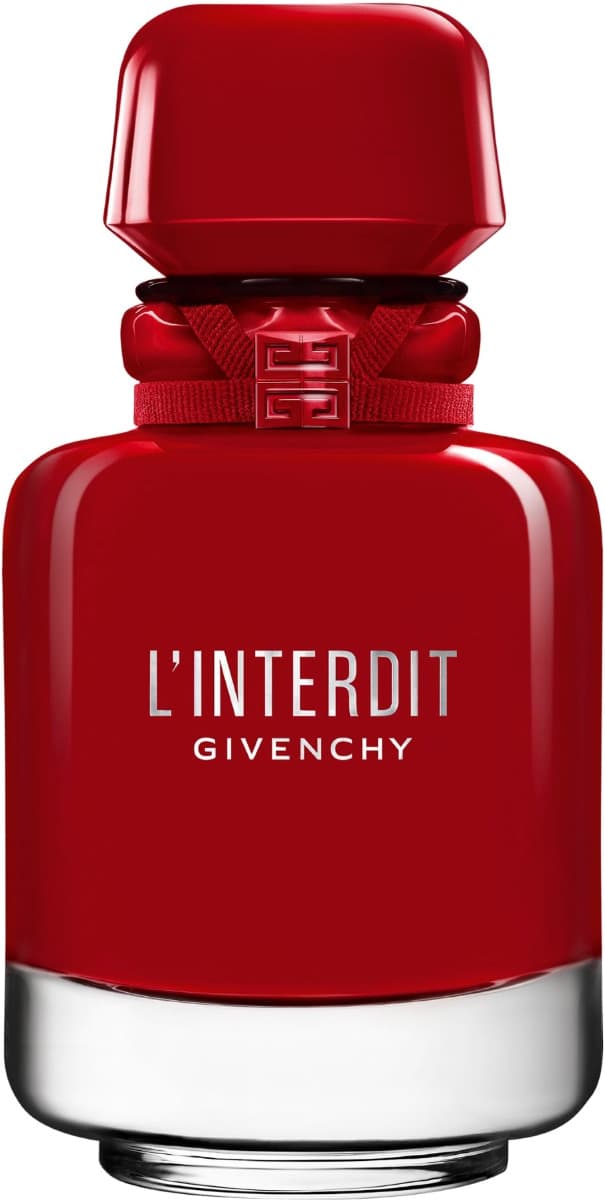 Floral
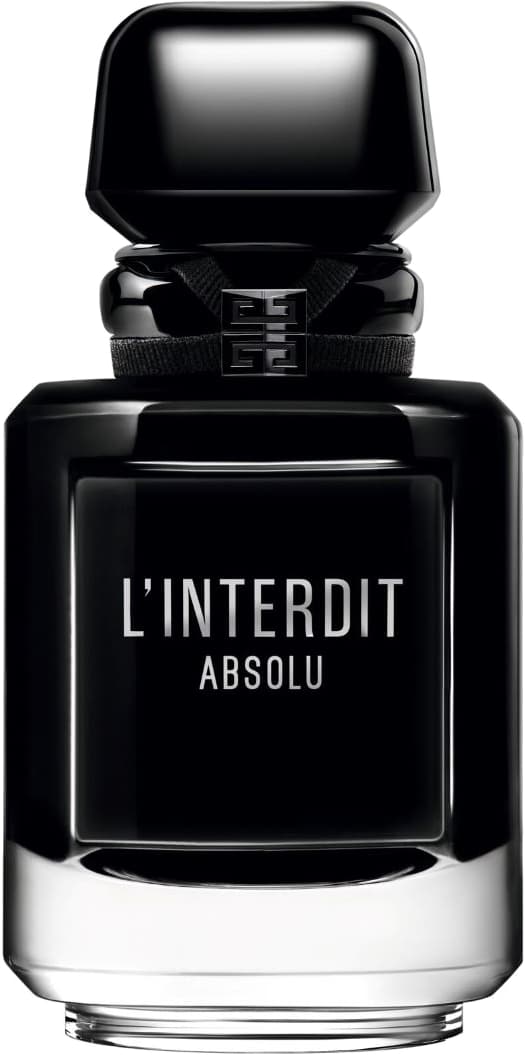 Floral
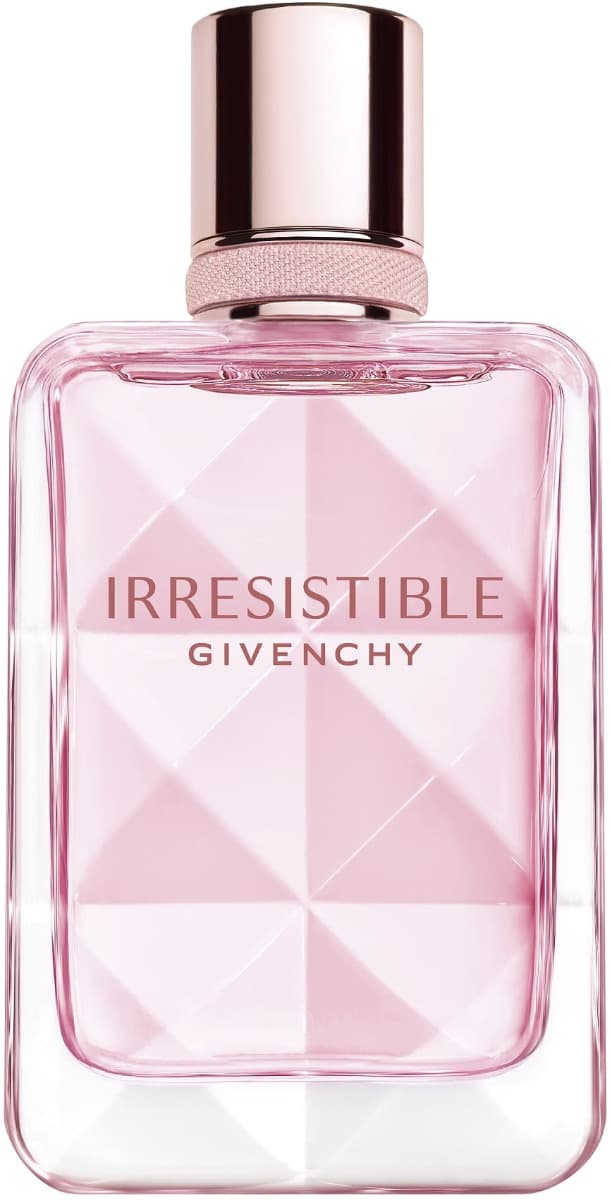 Floral
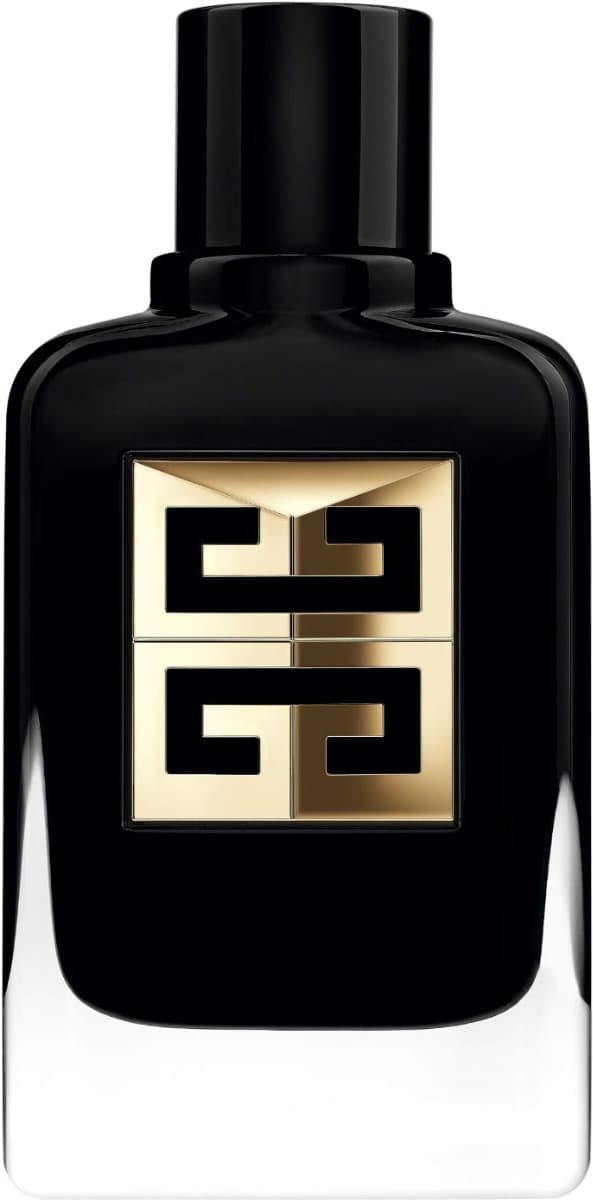 Woody
Woody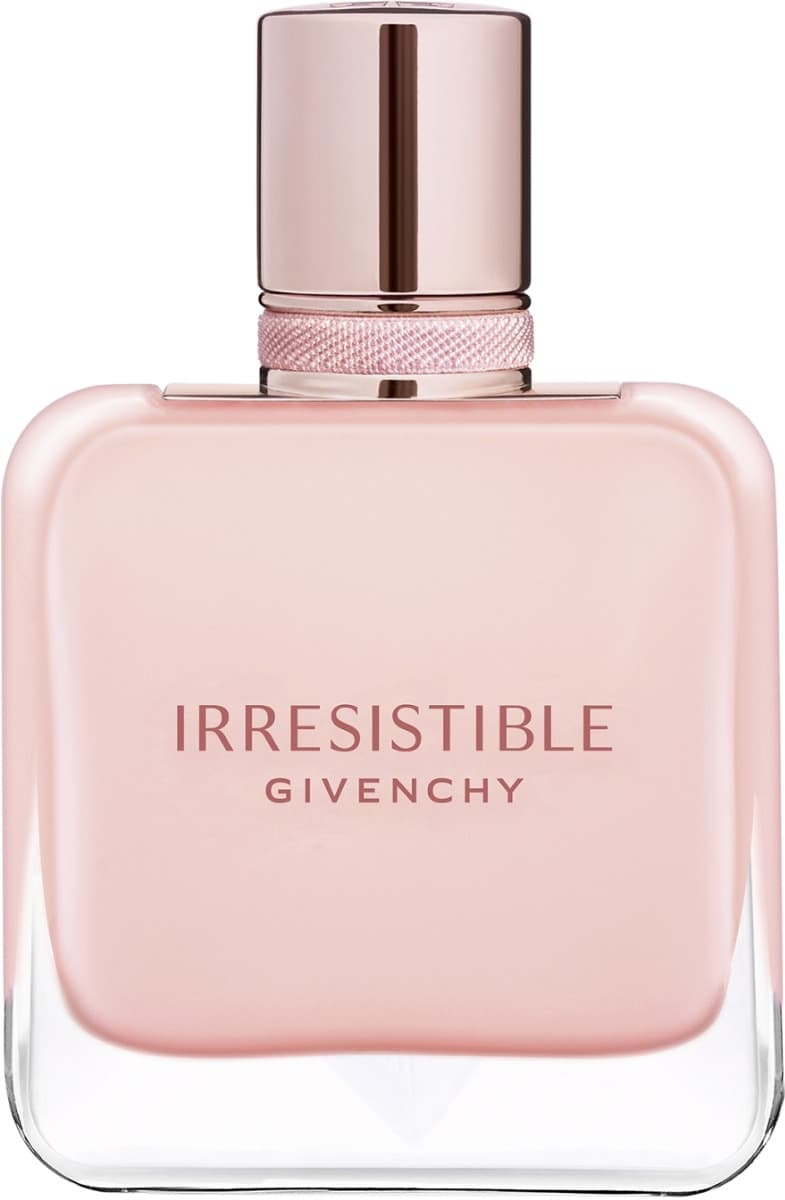 Floral
Such is the case of the Givenchy house. It proves to be absolutely fascinating, both in terms of couture and perfumery.
The launch of Givenchy
The story of Givenchy began in 1952 when Hubert de Givenchy decided to found his own couture house with financing from Louis Fontaine, his brother-in-law. His first collection was a genuine triumph, and Vogue even described it as a magnificent first collection. Its centerpiece was a kind of white blouse called Blouse Bettina. Then, in 1954, Hubert de Givenchy launched a luxury ready-to-wear line, an innovative idea since he was then one of the only ones offering this at the time. It was not long, therefore, before Givenchy extended its expertise to perfumery.
The history of Givenchy perfumes
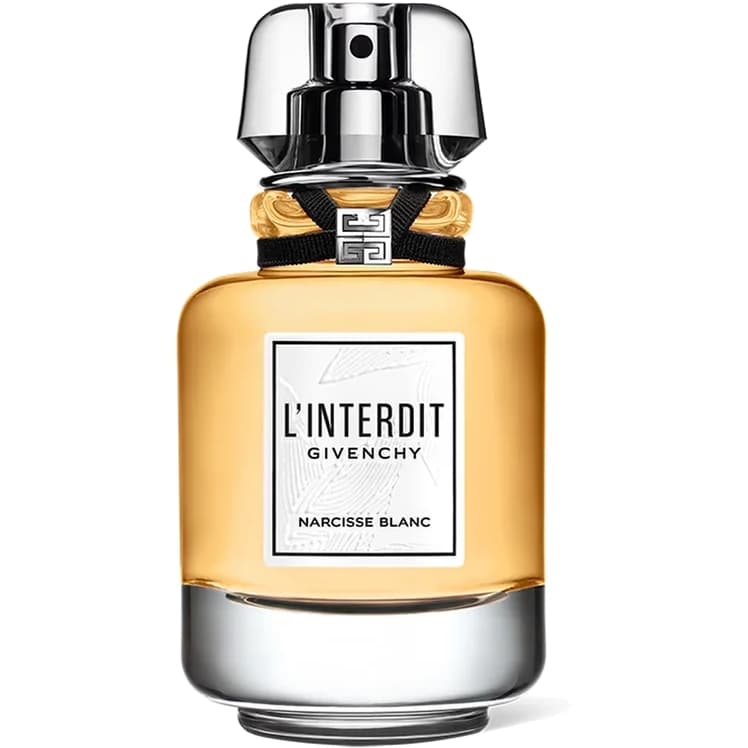
Having led his couture house for only a few years, Hubert de Givenchy asked his brother to help him create a perfume company, starting in 1957. To do so, he drew inspiration from the example of Christian Dior. Givenchy perfumes were thus launched modestly with some family funds. These were packaged at the Balenciaga perfume factory, in the Paris region. A sales team was quickly assembled. Givenchy's very first perfume was created for Audrey Hepburn, who was also the face of the campaign for this fragrance, named L'Interdit. She indeed carried out this campaign free of charge, as a token of friendship. Two years later, Monsieur de Givenchy and Vetiver also came into being. Both achieving great success, this made it possible to build a genuine perfume factory in Beauvais. This location was chosen for multiple reasons, not only because it is Hubert de Givenchy's home region but also for its proximity to glassware suppliers such as Pochet du Courval. The factory was subsequently expanded several times. In 1979, the Givenchy brothers decided to entrust its future to the English firm Beecham, a choice rejected by the French government, which required the acquisition to go to another French company instead. Givenchy perfumes were therefore sold, in 1981, to the champagne house Veuve Clicquot Ponsardin, which was itself acquired, in 1986, by Louis-Vuitton. In 1987, the latter merged with Moët Hennessy, creating one of the largest luxury groups on the global stage: LVMH.
Today, Givenchy is regarded as a leading player in the world of luxury. It is responsible for numerous perfumery best-sellers such as Ysatis, Amarige, Organza, Very Irresistible, Ange ou Démon, Dahlia Noir, and Gentlemen Only. Givenchy's style in perfumery, cosmetics, and ready-to-wear proves to be subtly classic, always bringing fresh energy to tradition. Each creation coming out of the Givenchy workshops is thus perceived as a bold blend of refinement and lightness, making the house one of the most beloved in the world.