
 Oriental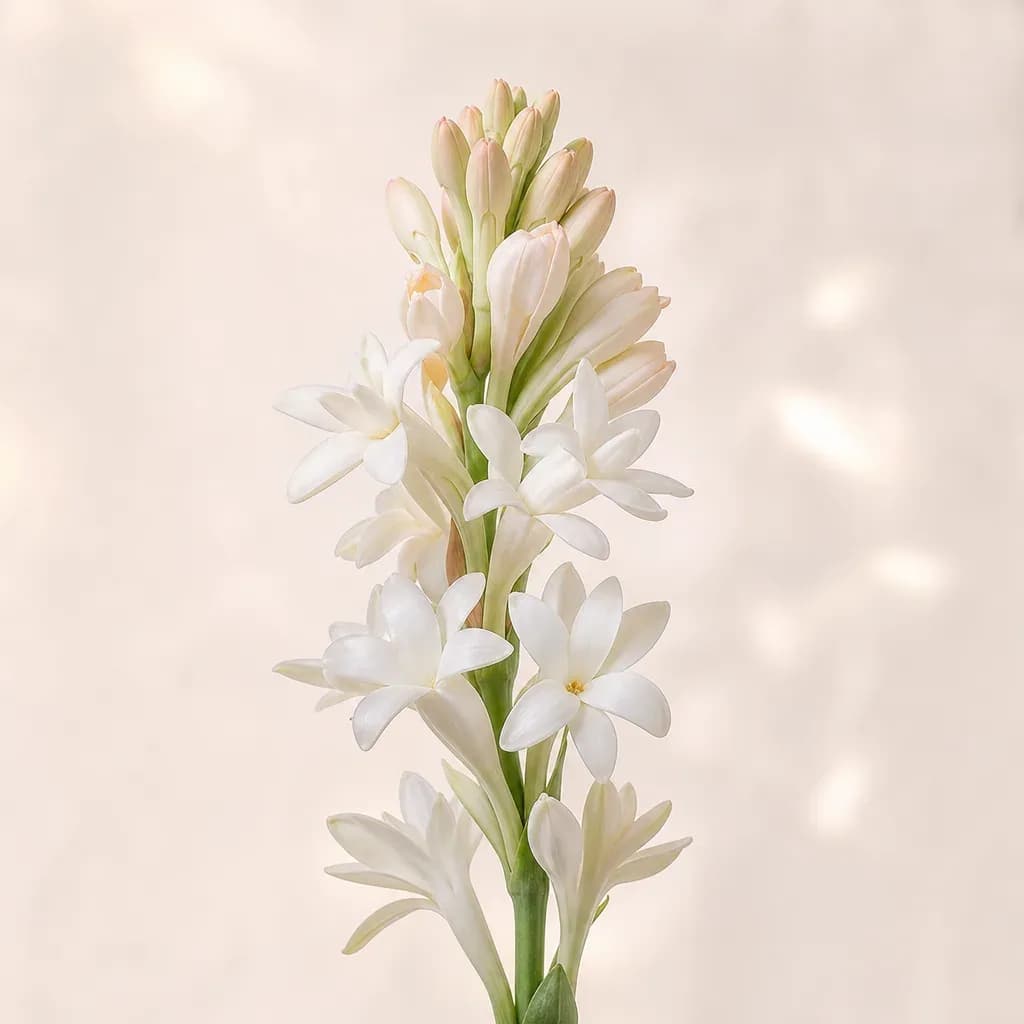
Tuberose
Among the many raw materials used to make perfumes, some are surely based on tuberose, although this is not always known. Tuberose is a white, star-shaped flower with a long stem; it is either loved or disliked, as it has a strong personality with its heady scent. It is one of the most fragrant plants in existence. It is grown outdoors during spring and can bloom until November. Fragrances based on tuberose would suit people who favor restraint. It is said to have properties that foster intuition, making it easier to find solutions when facing potential difficulties.
Origin and use of tuberose
Tuberose originates from Mexico; it arrived in Europe and Asia around the sixteenth century. It used to be widely cultivated in Grasse, but this is no longer the case today, except for garden tuberoses. India is now the country that produces the most tuberose in the world, ahead of Egypt.
Tuberose continues to release its scent for two days after being picked.
To prevent the scent of tuberose from deteriorating, harvesting is done by hand. Steam distillation is not used for tuberose. Its essence is obtained through solvent extraction, using ethanol for instance. It has a heady, persistent scent, while developing a note of honey, wax, cream and warmth with hints of honeysuckle and orange blossom.
Tuberose absolute is intended for the making of prestige fragrances with an oriental and floral character.
Anecdote
Louis XIV's mistress, Madame de La Vallière, placed tuberose flowers in her bedroom to prove that she was not pregnant. At the time, tuberose was reputed to be unbearable for pregnant women.
In Italy, young women were forbidden from taking evening walks in gardens. The tuberose flowers found there were said to lead them into temptation.
Fragrances based on tuberose
Since the 1930s, tuberose has been used to create essential fragrances such as "Fracas" by Piguet, released in 1948. It is a fragrance, now considered a classic, with opulent scents and an overdose of tuberose. It must be said that its creator, Germaine Cellier, was a woman of character. Beyond the scent of tuberose, "Fracas" also gives off a surprising fruity note made from a combination of natural and synthetic materials.
In 1985, Dior brought tuberose into the spotlight with the timeless fragrance "Poison". It is composed of intense tuberose, sandalwood, apple, patchouli, labdanum, rose, spices and honey.
Fragrances of the 1980s were always laden with intense, heady materials such as tuberose. Women in particular asserted themselves aggressively at the time, claiming a certain modernity. Tuberose suited this mindset perfectly.
In 2014, the fragrance White Tubéreuse by Réminiscence has a harmonious yet not monotonous scent. Tuberose combined with cumin is persistent, softened by a honeyed note that gives a sensual impression. Its composition with coconut milk, banana, spices and especially its creamy bath balances the scent, which becomes almost tropical.
Identity card
- Latin name : Polyanthes Tuberosa
- Origin : Plante
- Country : IN
- Part used : Fleurs
- Type : Naturel
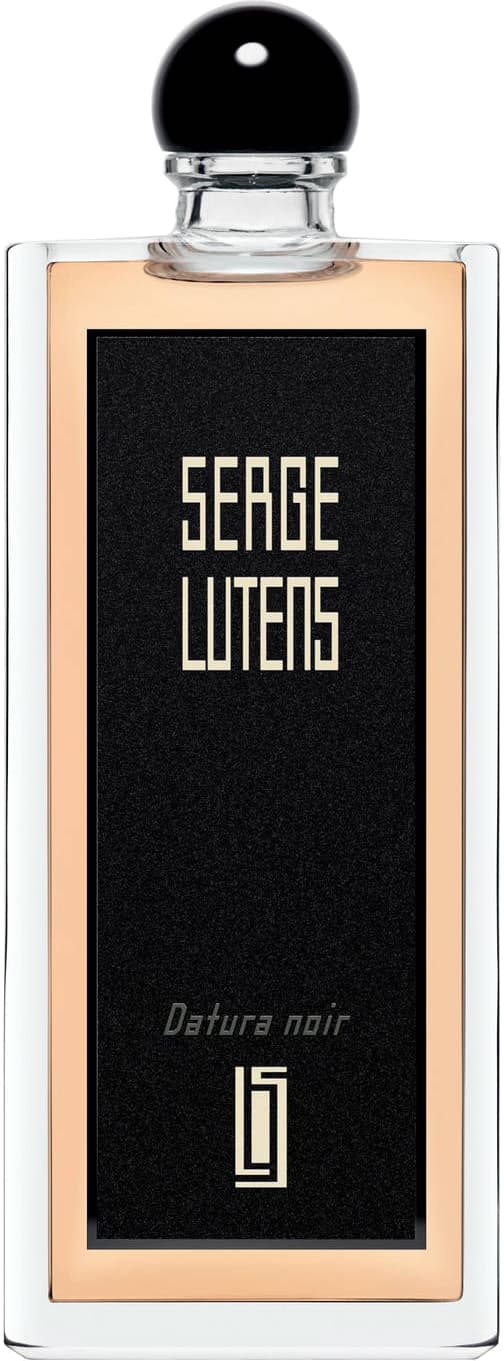
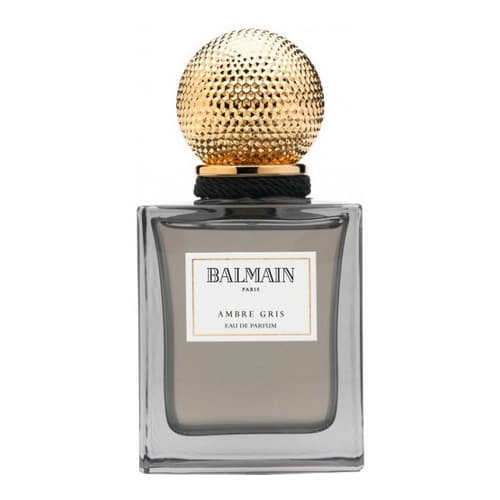
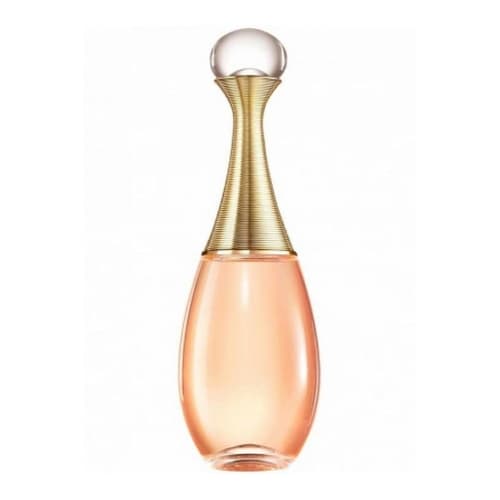
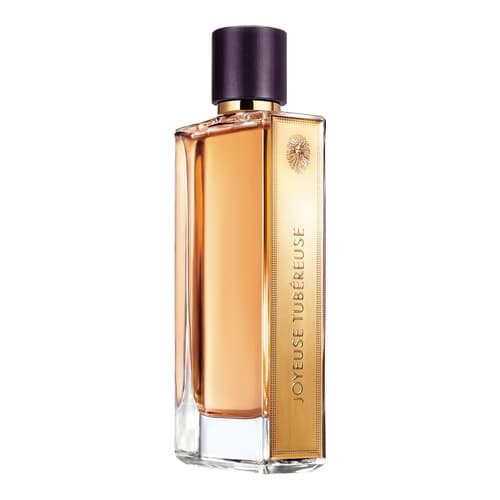
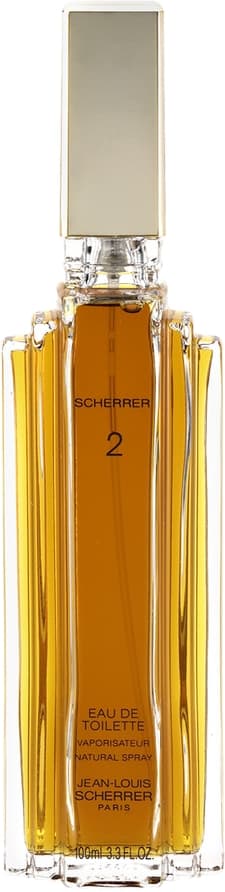
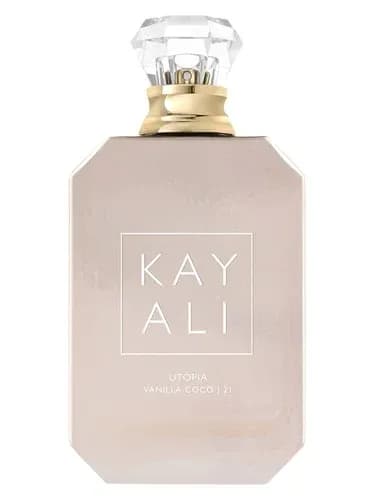
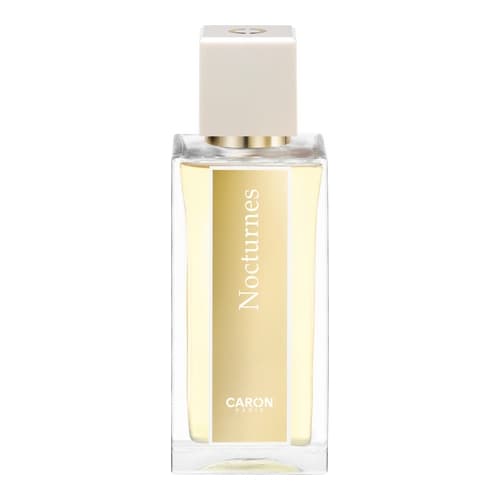
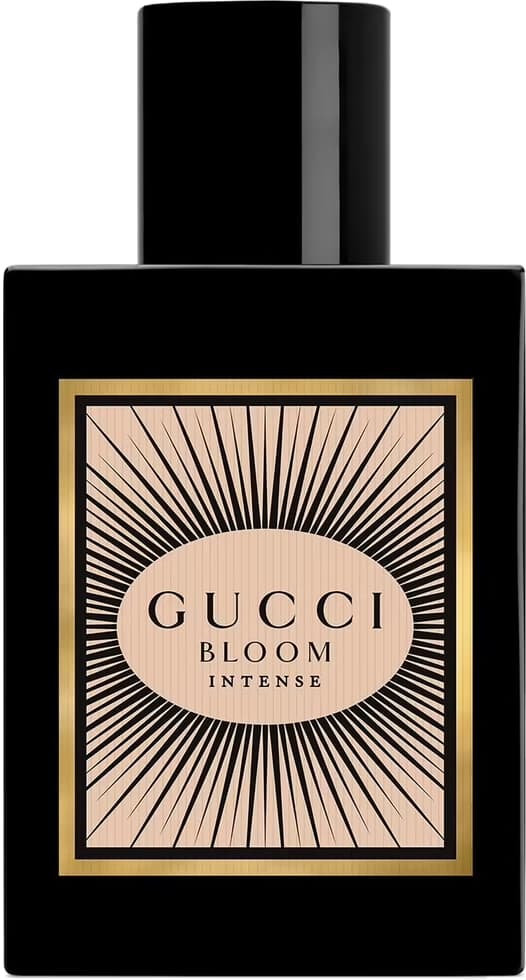
Perfumes with the Tuberose note
Oriental Floral
 Floral
 Oriental
 Oriental
 Oriental
 Floral
 Floral
 Floral
 Oriental
 Floral
 Oriental