
 Oriental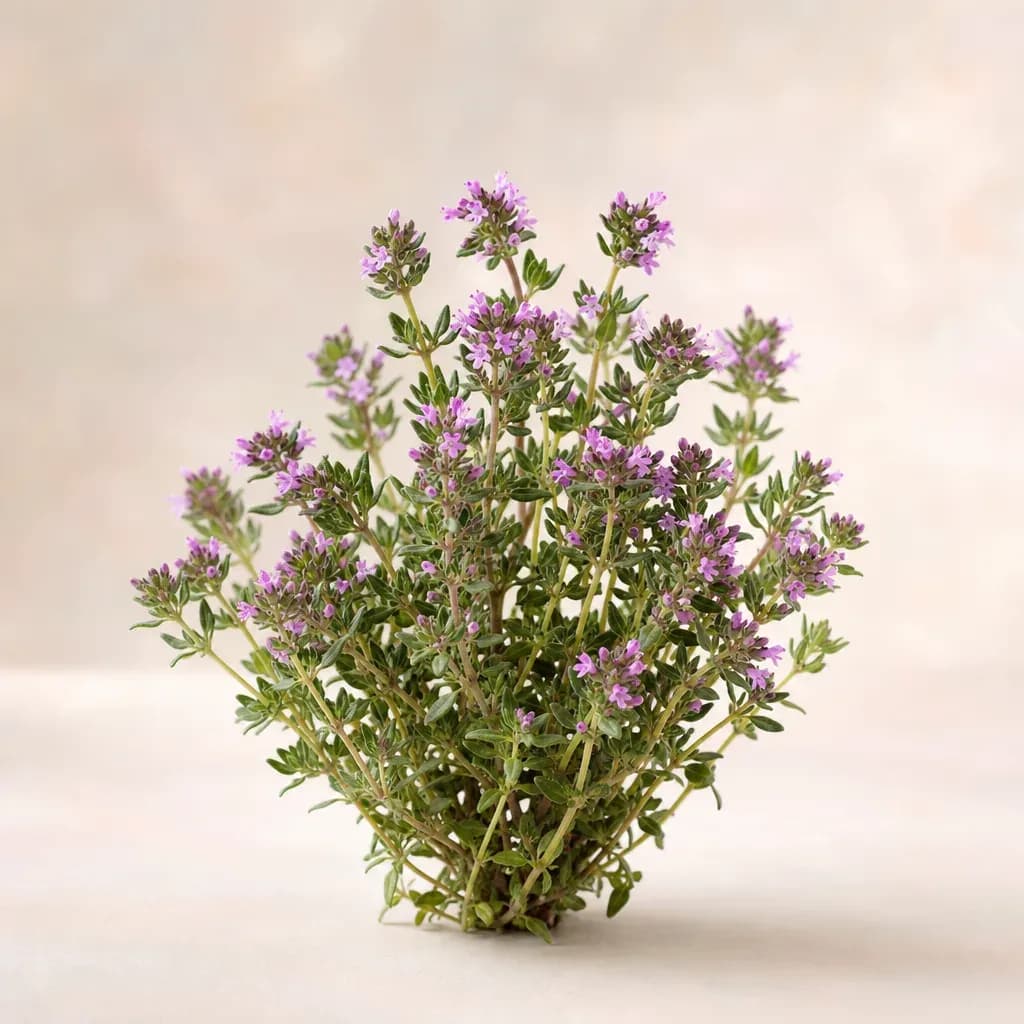
Thyme
Cooking and perfumery are two quite different fields that nonetheless converge on many points. As such, both the perfumer and the cook develop recipes. They combine ingredients to delight our senses and sometimes use the same raw materials. Thus, Thyme is an aroma that manages to enhance a dish as much as a perfume.
Thyme, an essential aromatic plant
Thyme is a plant of the Lamiaceae family. These are creeping or cushion-forming plants, bearing small pale pink or white flowers. The latter are rich in essential oils. As a result, they give off an instantly recognizable scent, and it is this property that makes them aromatic plants. Its name comes from the Latin thymus, which referred to several small aromatic lamiaceae and literally meant “offering” or “perfume”. Thus, Thyme owes its name to the scent it releases when burned. Moreover, it has been used since time immemorial and was already known to the Egyptians and the Etruscans. The latter used it mixed with ointments to embalm their dead. Similarly, the Greeks burned it in front of the temples of their gods or in public squares and wealthy homes. They considered this plant to be a source of courage and began adding it to their dishes. However, it was the Romans who spread Thyme throughout Europe and began using it in cosmetics. They created an eau de toilette as well as a balm believed to delay aging. They also used it to purify their homes. The symbol of courage embodied by Thyme persisted into the Middle Ages, and this plant was thus used during the Crusades. Similarly, this meaning has endured to this day, and Thyme remains a plant that, in the language of flowers, is synonymous with resistance, courage, creativity, and lasting love.
The highly distinctive scent of Thyme
Beyond its use in cooking or herbal teas, Thyme is also highly valued in perfumery. This hardy, sun-loving plant proves particularly invigorating. It seems to draw its strength directly from arid soils such as those of the Mediterranean garrigue. Its essential oil is obtained directly through hydrodistillation of its leaves. It releases a scent that is both warm and lively, and is used in perfumes to give them a more aromatic, sun-kissed touch. Generally speaking, Thyme pairs very well with woody or chypre compositions, as well as with the fougère category.
Thyme is now found in numerous perfumes, the most famous of which include the iconic Ange ou Démon by Givenchy as well as Chypre Rouge by Serge Lutens. Similarly, the house of Burberry seems particularly fond of its scent, and many perfumes from their collection contain it. This is notably the case with Burberry Men and the Burberry Summer editions.
Identity card
- Latin name : Thymus vulgaris ou zygis
- Origin : Plante
- Country : ES
- Part used : Fleurs et Tiges
- Type : Naturel
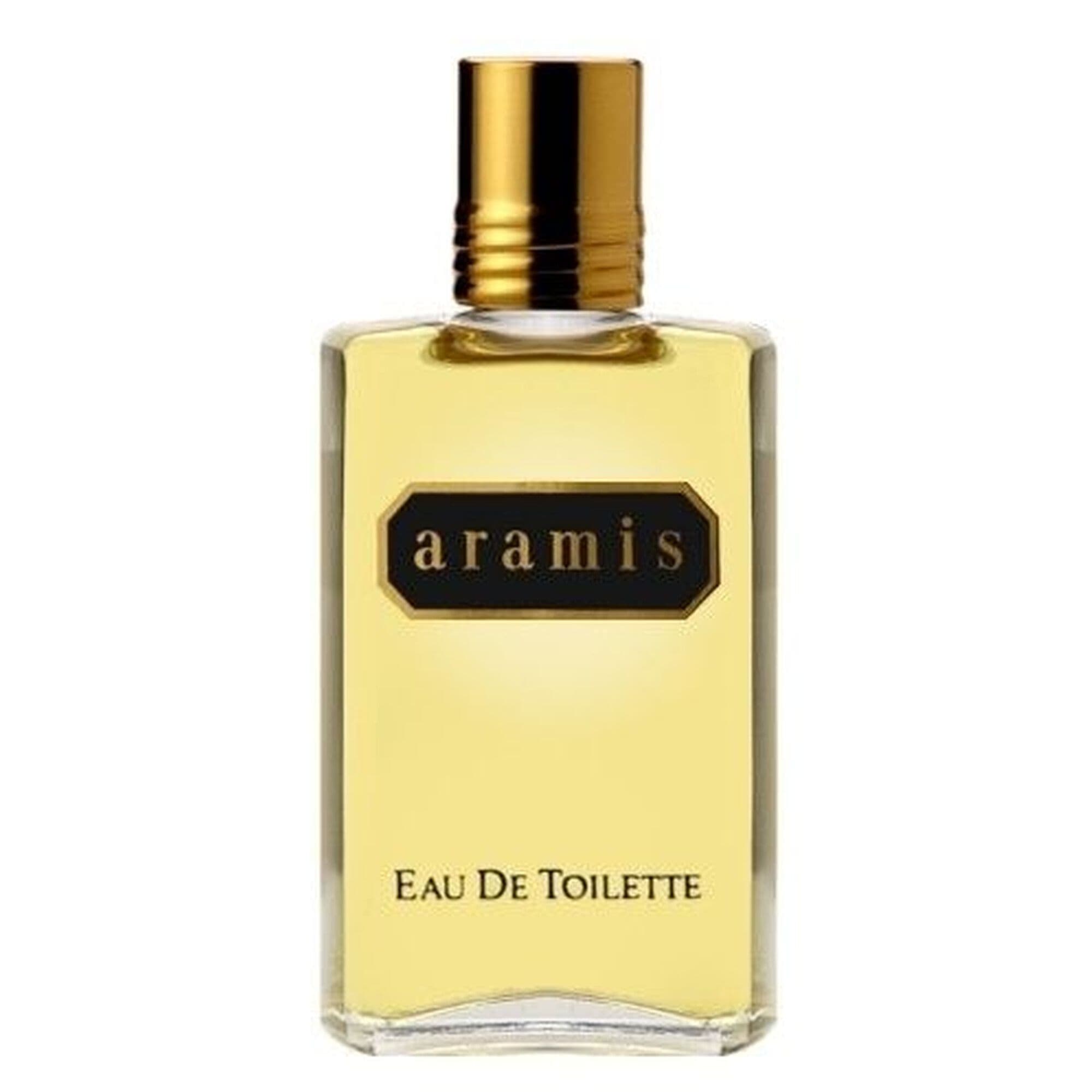
Perfumes with the Thyme note
Oriental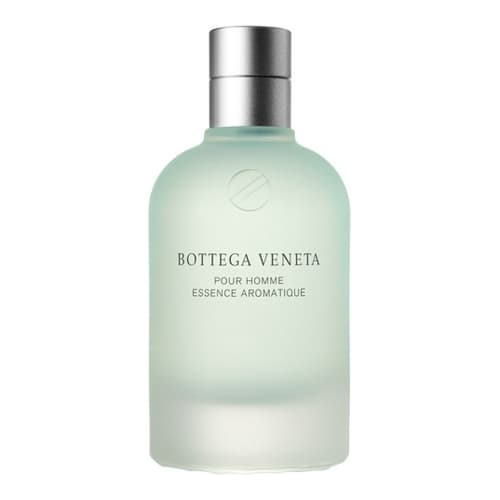 Woody
Woody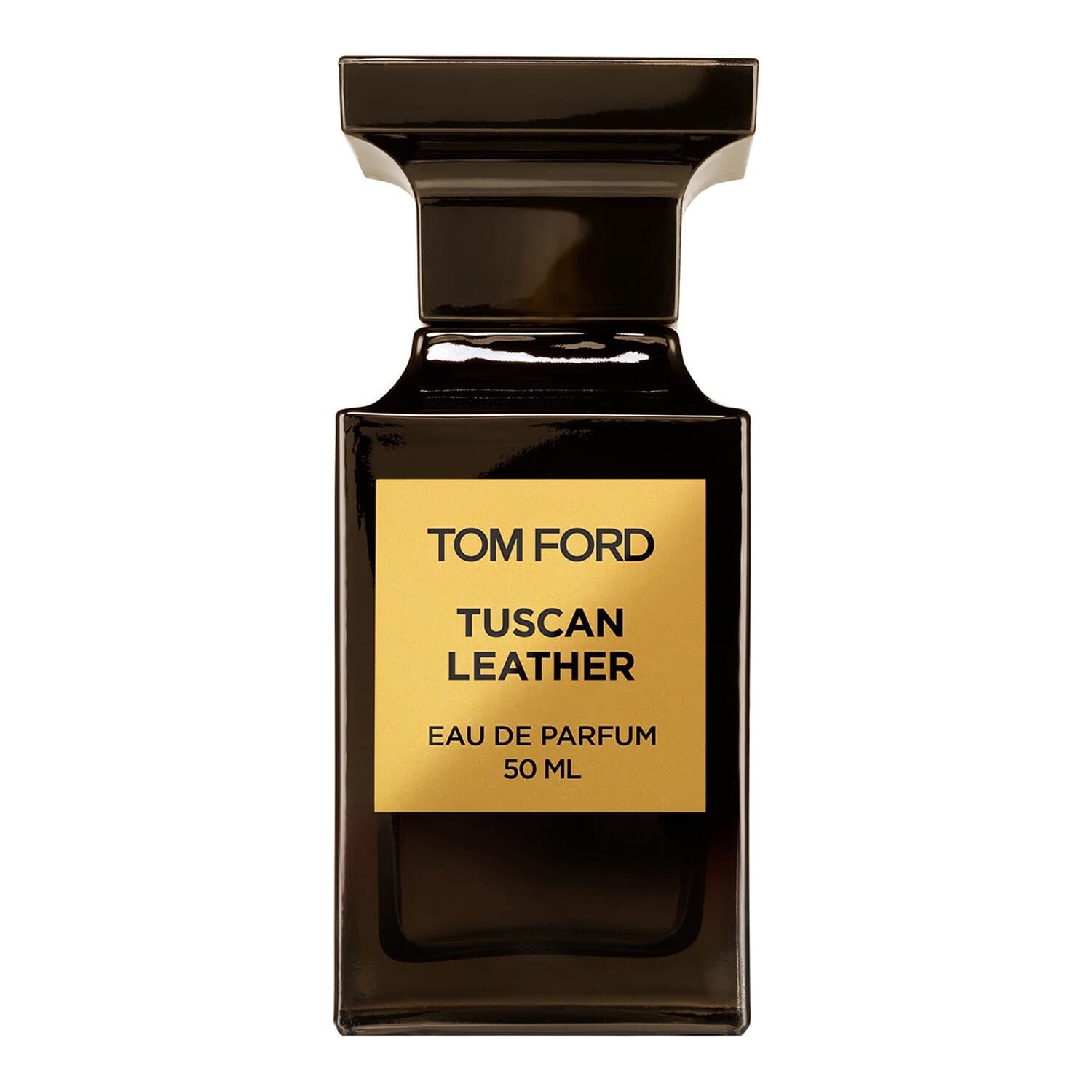 Leather
 Aromatic
 Woody
Woody