
 Floral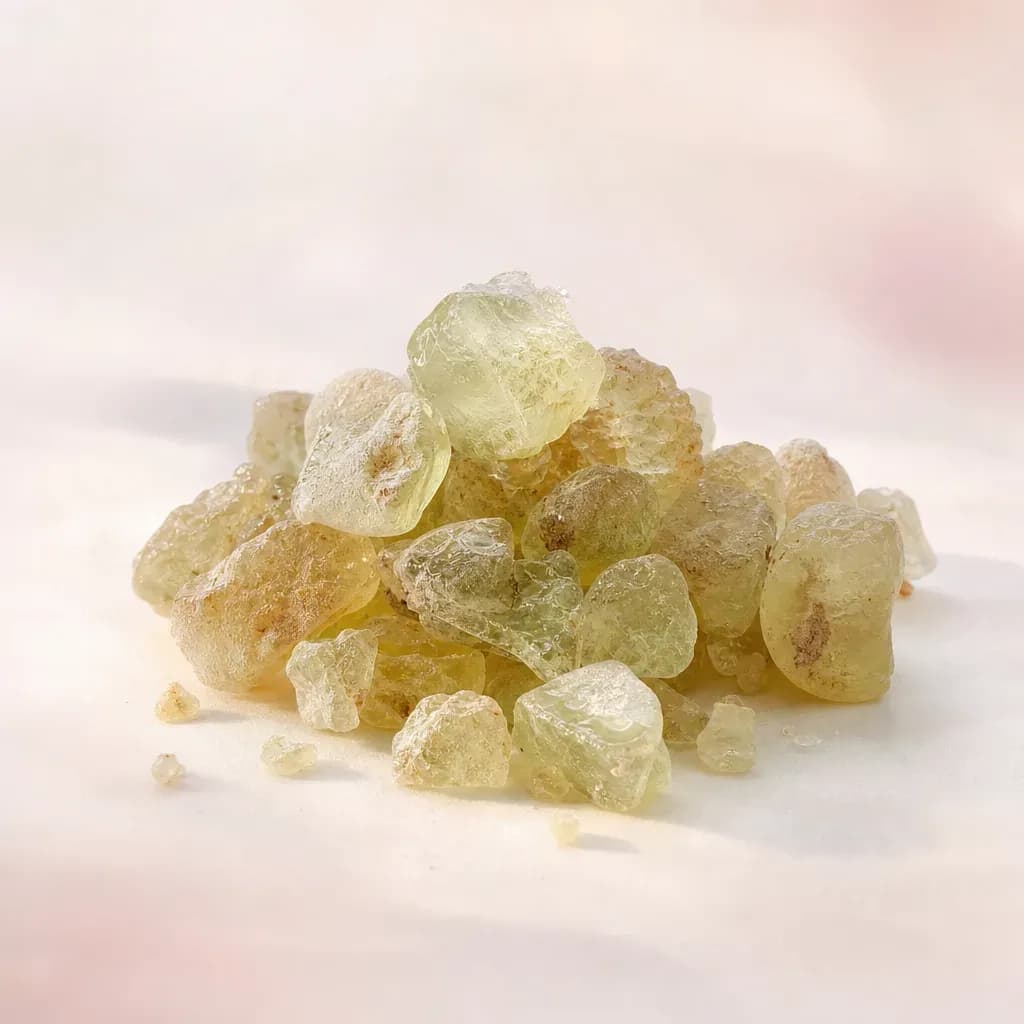
Galbanum
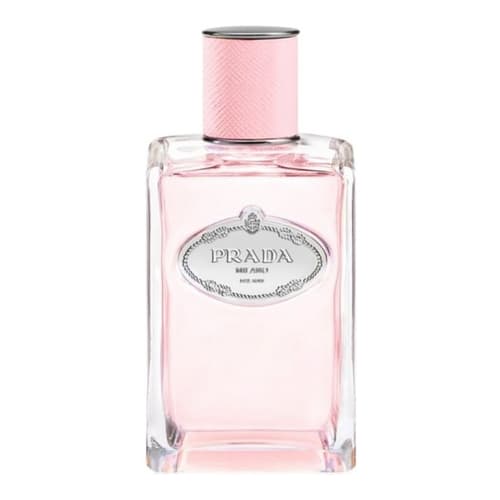
Bel Respiro by Chanel, Escada by the eponymous house, Chamade pour Homme by Guerlain, Infusion d’Iris by Prada, Eau de lierre by Dyptique… all of these are perfumes highly regarded for their aromatic and chypre freshness. What is more, they share the trait of showcasing a natural ingredient: galbanum. Behind this enigmatic name lie multiple virtues, and it is considered one of the flagship ingredients of perfumery.
Where does galbanum come from?
Galbanum is a plant also known as Ferula gummosa. It is a perennial herb with long taproots measuring about 1 m. As a result, galbanum forms a sort of large bush. It is adorned with yellow hermaphrodite flowers that have a rather unpleasant smell. These are pollinated by flies and particularly enjoy heat. This is why galbanum grows in the desert and mountainous regions of the globe. It is notably one of the stars of Iran and has been used since ancient times. Indeed, in the time of Ancient Egypt, galbanum was already recognized for its antispasmodic, expectorant, stimulating and carminative properties. Likewise, today its essential oil is still used in aromatherapy. It is particularly renowned for its toning and anti-fatigue action. As such, it is regularly used by massage institutes and also helps with relaxation and proper breathing. Furthermore, it is said to regulate women's menstrual cycles and relieve insufficient or painful periods. Finally, many disinfectant products contain it. Galbanum acts as an anti-infective and antibacterial agent. It thus helps to cleanse wounds and prevents the appearance of potential abscesses. With a little more, galbanum would almost become a miracle product!
Obtaining the scent of galbanum
As one might understand, when speaking of perfumes based on galbanum, it is not the scent of its flowers that is meant. In reality, two parts of this plant are used and serve to make perfumes or incense. The roots of galbanum produce a kind of resin through a simple incision. These release a highly fragrant, milky white liquid. Likewise, the leaves of galbanum reveal a fairly strong anise scent. Generally speaking, the use of galbanum requires perfect mastery of perfumery. Indeed, its dosage must be very precise, otherwise it can quickly become unpleasant.
Galbanum is today considered a reference scent, particularly when one wishes to build a green note. This particularly powerful raw material brings freshness and vivacity to the fragrances that contain it. Likewise, it instantly provides a multifaceted sillage, both spicy and green, evocative of foliage or the forest.
Identity card
- Latin name : Ferula galbaniflua
- Origin : Plante
- Country : IR
- Part used : Gommes
- Type : Naturel
Perfumes with the Galbanum note
Floral
 Floral
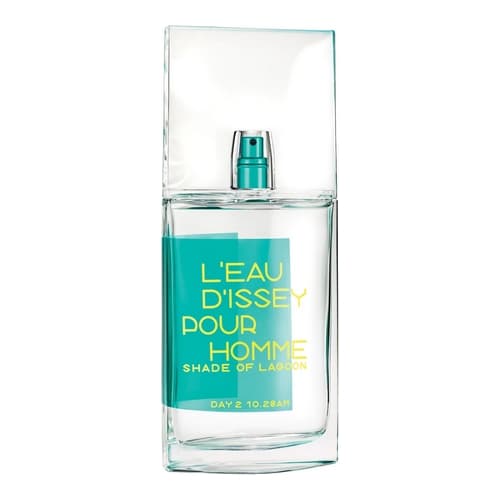 Woody
Woody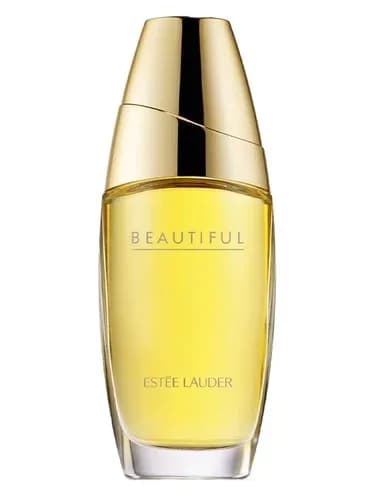 Floral
 Chypre
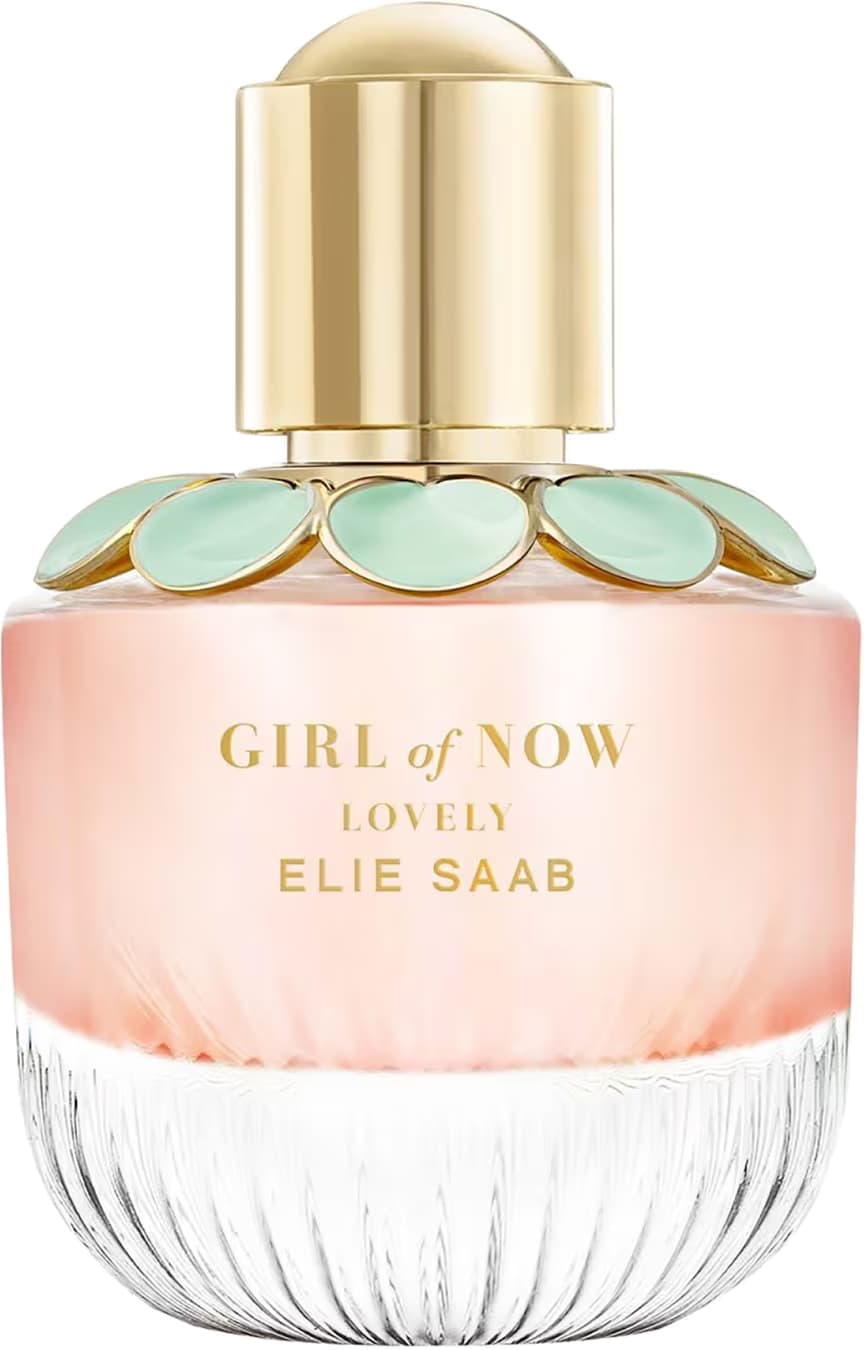 Floral