
 Floral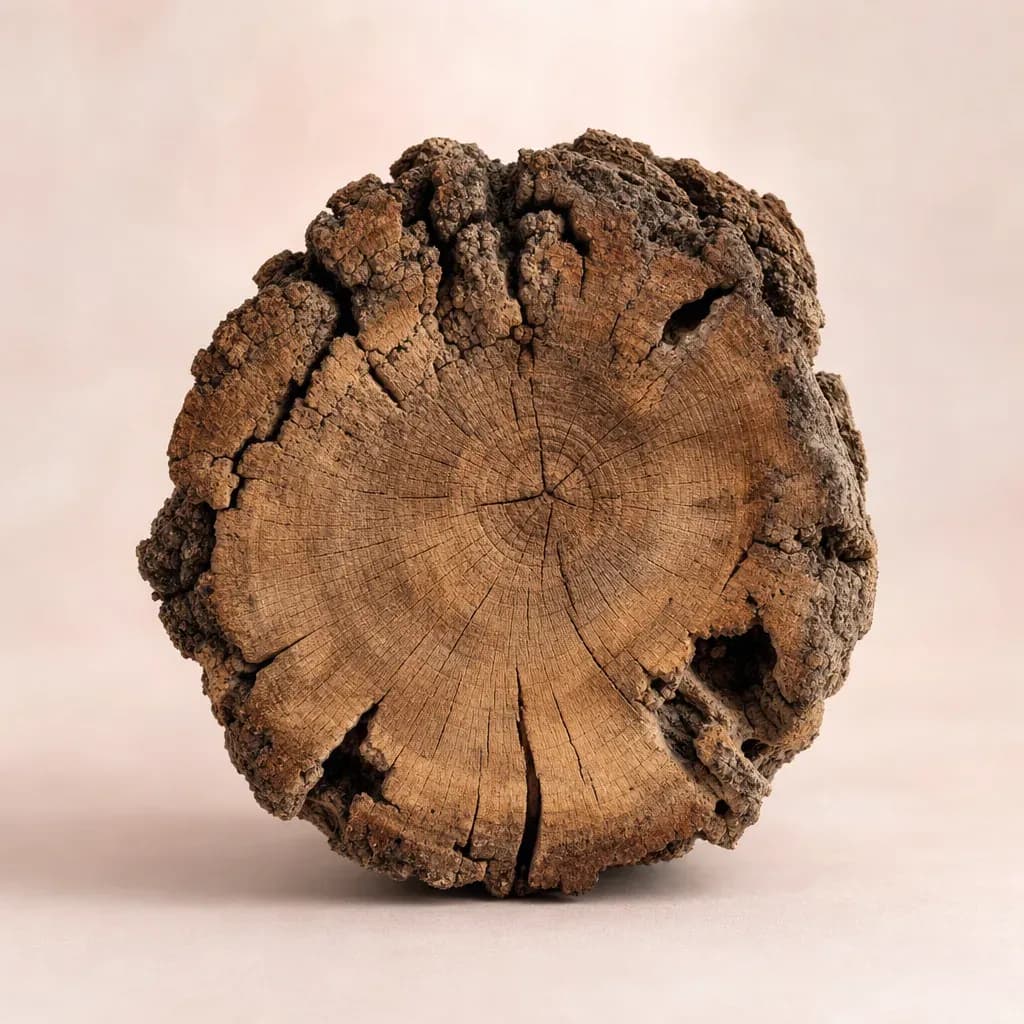
Oak
Oak: The venerable tree of our forests in our oriental and woody perfumes. Oak is certainly one of the best-known trees of our European forests. An extraordinary longevity as well as a very resistant wood make oak a tree that is so widely used in the making of constructions, furniture or even bridges or naval constructions...
Its typical scent, discovered in fine perfumery through oakmoss, is today diffused in certain fragrances through oak absolute. The oakwood note is a woody scent less strong than moss and more syrupy, which embalms the senses with a woody, smoky but also delicately vanilla touch.
His majesty the oak, legendary tree and protector of the forest
Oak is of course the most symbolic tree of our European forests. It occupies our wooded and forest spaces with its tall stature, which can reach up to 35 meters, and lives up to 500 years, sometimes even reaching the age of 1200 years for certain trees!
Multiple varieties of oak cover the world, however the oak essence used in perfumery, the pedunculate oak or Quercus robur, is along with the sessile oak a typically French species. France is indeed the leading oak-producing country in Europe with 4.5 million hectares of the venerable tree, so it is quite logically associated with our French forest landscapes. Sometimes called common oak, gravalin or even Marie-Antoinette's oak, the ancestor of French oaks, planted in 1681 in the park of the Château de Versailles, could still be admired. Unfortunately, despite its strong symbol of longevity and strength, the lovely oak of Versailles took its final bow in 2005...
Common oak has for centuries been used in the making of multiple constructions and productions, including of course the famous wine barrels, a specialty that is also very French! It is moreover in these wines that one often has the pleasure of discovering the scent of oak, and it is indeed this same smoky and slightly syrupy scent that is produced to work fragrances in fine perfumery, both masculine and feminine.
Oakwood extract in fine perfumery
An oakwood note used in perfumery in oriental, woody or even aromatic or citrus juices is extracted from oak shavings. It should not be confused with the very green and very woody oakmoss, as the oakwood note is more delicately woody while possessing slightly smoky facets reminiscent of the dried fruits note.
This notable difference between the two perfumery materials can also be seen in the use of the oak note, which applies to feminine oriental perfumery, whereas moss rarely enters into compositions. Thus Eau des Merveilles by Hermès and Ange ou Démon by Givenchy use, for their oriental scents, the oak note sometimes as a top note and sometimes as a base note. For Hermès it is paired with other precious woods such as Atlas cedar or Peru balsam, and for Givenchy it is associated with vanilla, rosewood and tonka bean.
Of course, the oak note is present in masculine aromatic woody or citrus fragrances. For Chêne by Serge Lutens it is thus revealed as a heart note alongside beeswax, birch and rum, just as in the same creator's beautiful unisex fragrance Miel de bois. In Ck free by Calvin Klein, oakwood is paired with azobe wood and Texas cedar to envelop white musks and patchouli. Finally, the very lovely A*Men Pure Wood, a woody oriental, offers a raw oak note paired with cypress.
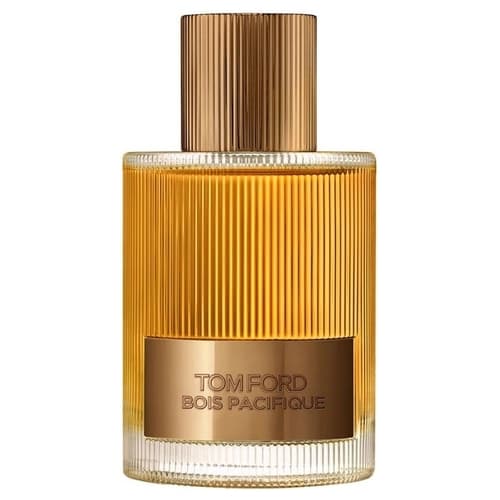
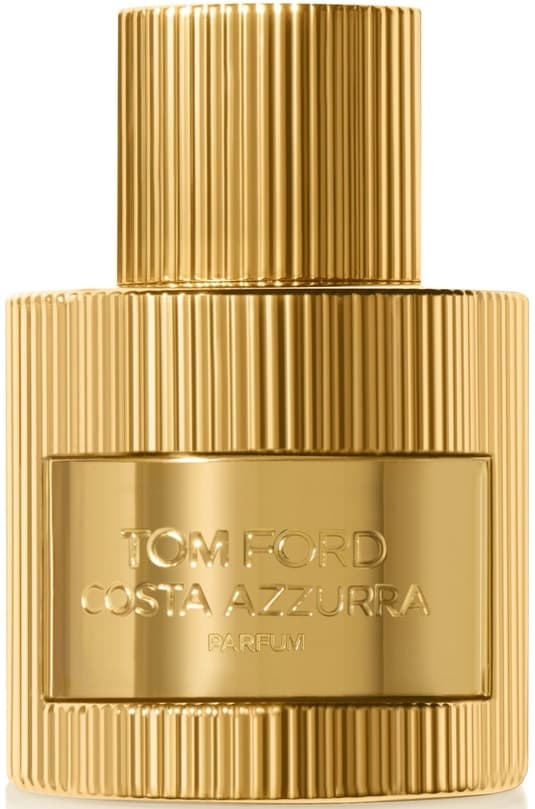
Oakwood absolute, obtained from its bark, thus allows it to be showcased and paired with a wide range of olfactory accords. Moreover, this broad complementarity is demonstrated by the boldness of certain compositions that dare to pair an oak note with a fruity floral perfume, for example Cherry in the Air by Escada, or with a citrus accord as in Azure Lime by Tom Ford.
Identity card
- Type : Reproduction
Perfumes with the Oak note
Floral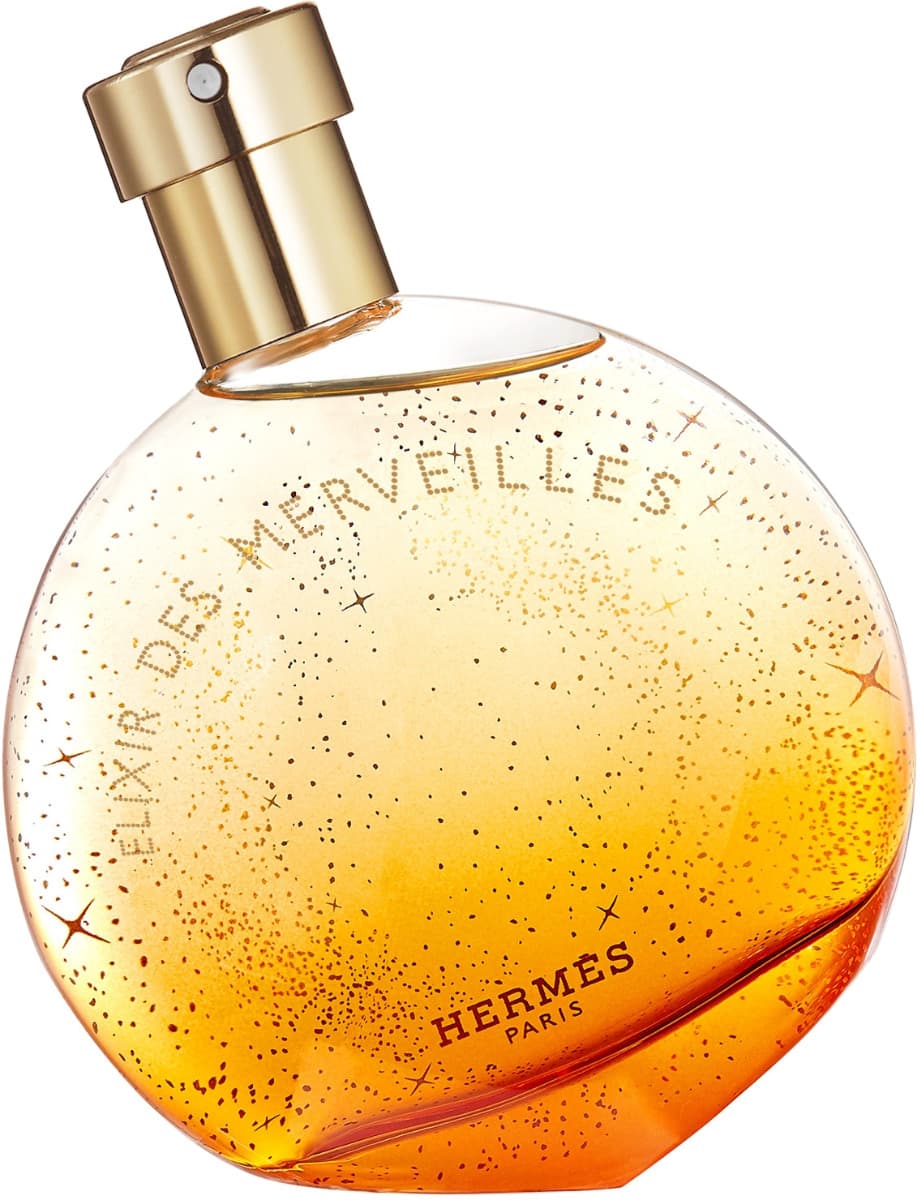 Oriental
 Woody
Woody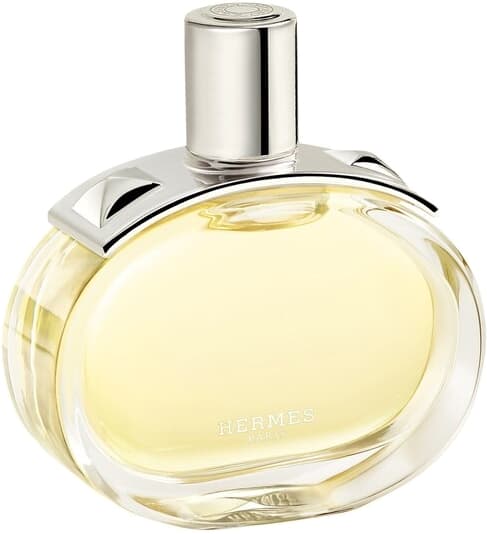 Chypre
 Woody
Woody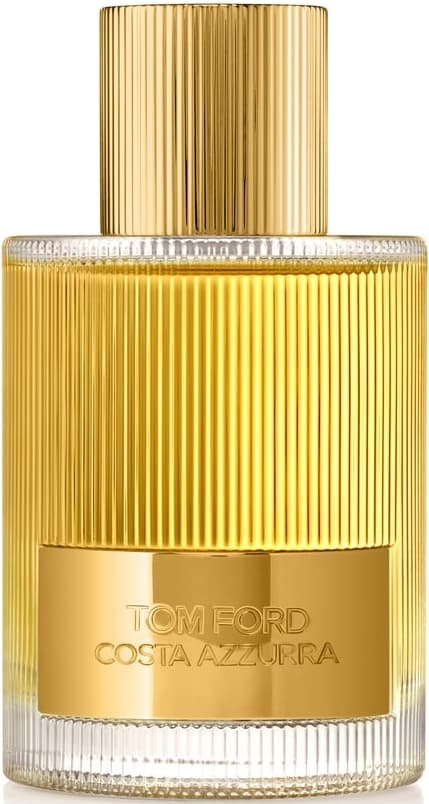 Aromatic
 Aromatic
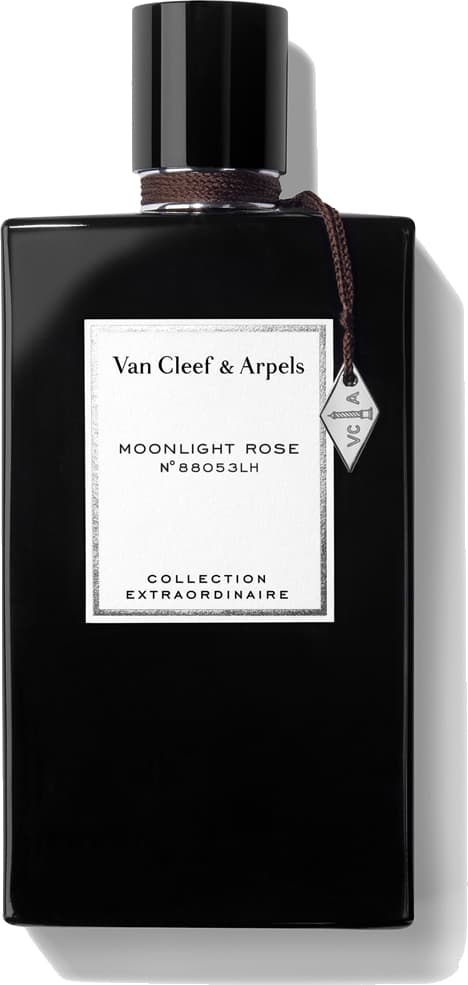 Floral
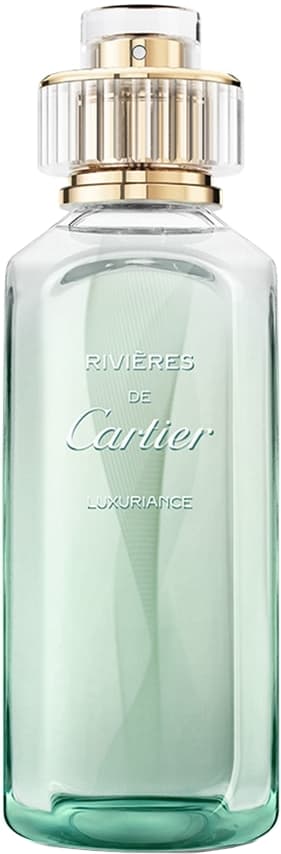 Aromatic
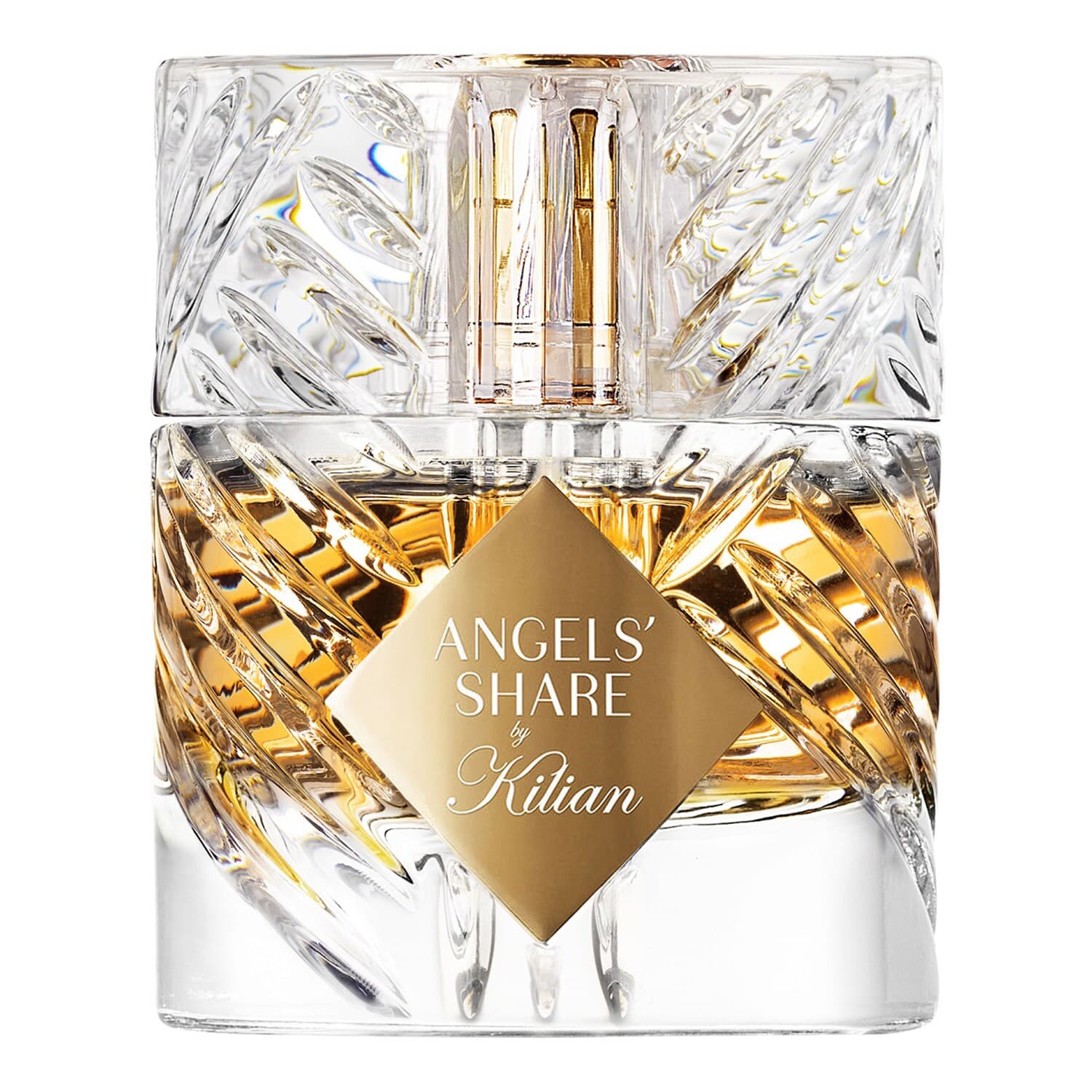 Oriental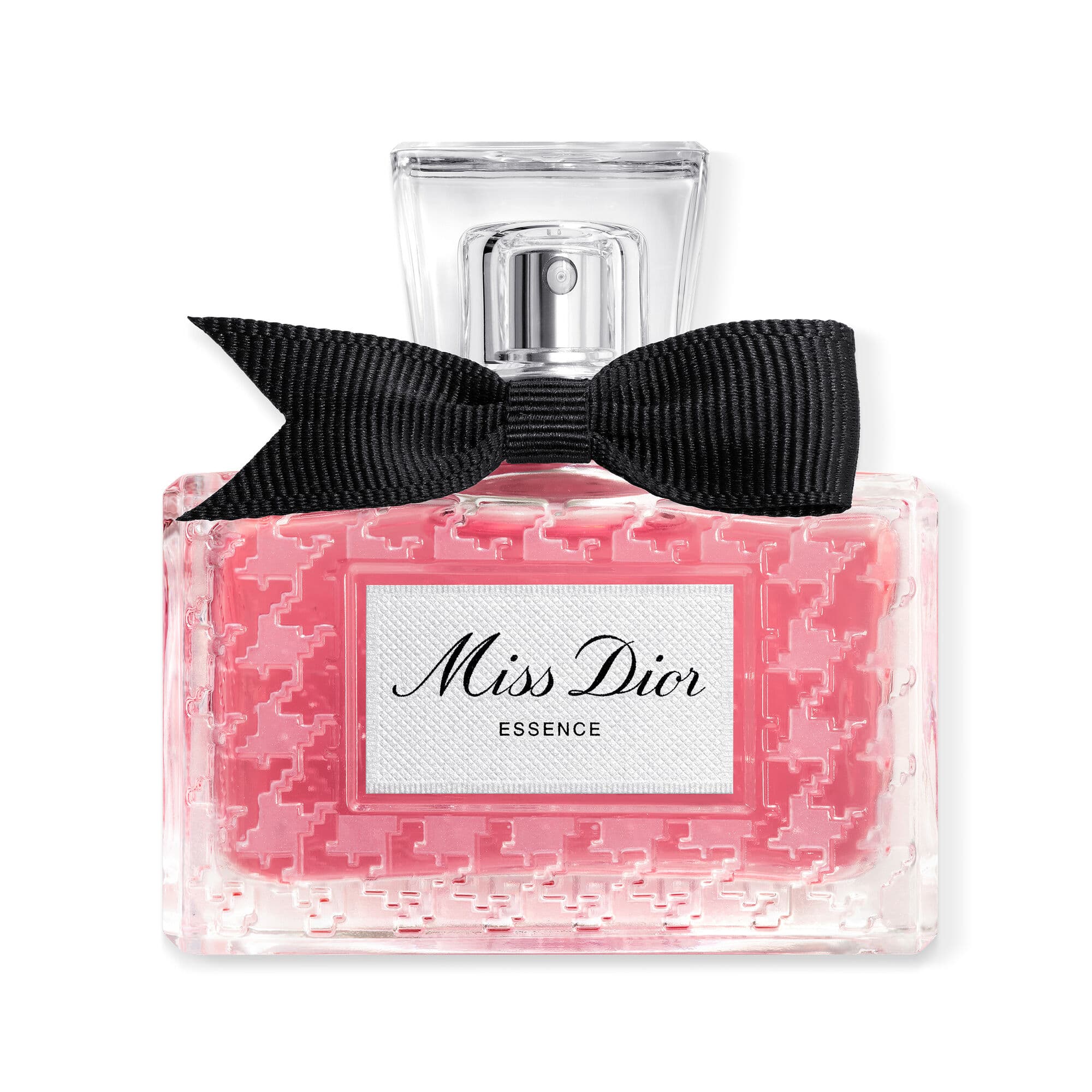
 Woody
Woody