
 Chypre
Castoreum
Fragrance has become an everyday beauty essential. As such, it is a valuable asset of seduction, and some fragrances play openly on their seductive and carnal side. In this respect, certain perfumes contain materials of animal origin, which only heightens their power of attraction. Among the many raw materials of this type, one is known as castoreum.
What is castoreum?
Castoreum is an oily, odorous secretion produced by animal glands, notably by two species of the beaver family: the Eurasian castor fiber and the North American castor canadensis. These glands are located near the animal's genitals and serve a vital biological function. In particular, they allow beavers to identify one another and mark their territory. In this way, they regulate the beaver's demographic range and play a social role. They also have pheromonal activity and enable the species to reproduce. Lastly, castoreum also helps waterproof the beaver's fur. This substance has been described for various uses since Antiquity. It is notably mentioned in medical texts dating from the Byzantine era. Likewise, its use in perfumery dates back to that same period. At the time, beavers were also hunted for their fur and meat. Castoreum was long used by trappers to lure carnivorous animals into their traps. It was also considered a remedy for uterine ailments, fever, headaches, epilepsy, and for treating surgical wounds. Today, it is no longer regarded as a therapeutic ingredient but is used essentially in perfumery.
The sensual scent of castoreum
Modern perfumery includes six raw materials of animal origin, namely musk, ambergris, civet, beeswax, and castoreum. In its pure state, castoreum has a harsh odor, but becomes softer and warmer once diluted. Its scent evokes leather and fur. It is essentially a fatty substance, used mainly in amber, oriental, and masculine fragrances. However, castoreum is increasingly less used in perfumery, as its extraction requires killing the animal. As a result, perfumers now most often produce a synthetic equivalent. Even so, although technical advances continue to refine its scent, the synthetic molecule does not have all the finesse of the original castoreum. It should also be noted that castoreum is likewise used to scent cigarettes and certain confections.
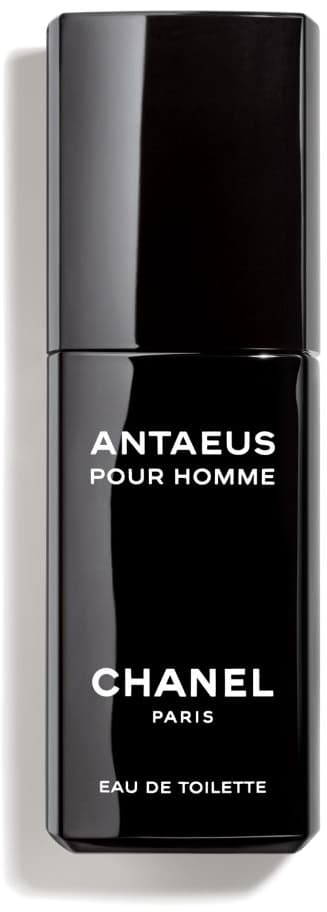
Given its high cost, castoreum is generally found in prestige fragrances. It appears, for example, in Antaeus by Chanel, Bel Ami by Hermès, or Dolce Vita by Dior.
Identity card
- Latin name : Castor canadensis
- Origin : Castor
- Country : CA
- Part used : Poches externes
- Type : Naturel
Perfumes with the Castoreum note
Chypre Chypre
 Floral
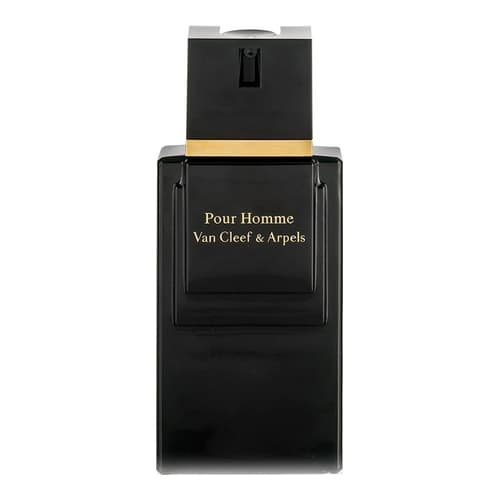 Chypre
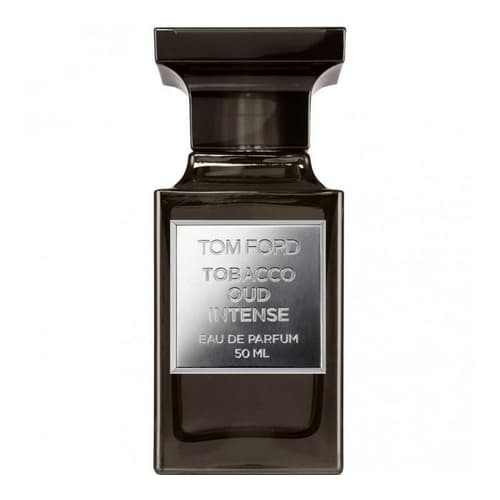 Woody
Woody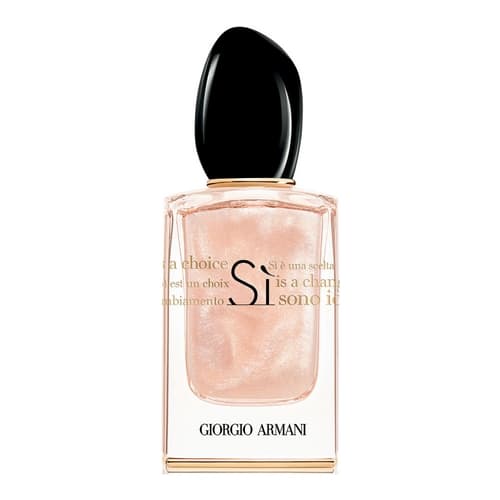 Chypre
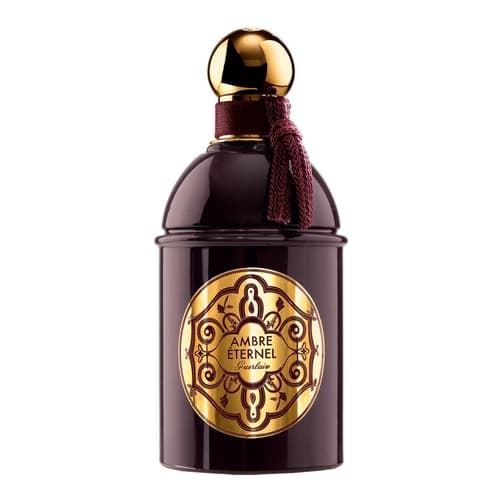 Oriental
 Chypre