
 Woody
Woody
Paco Rabanne
Paco Rabanne perfumes
Woody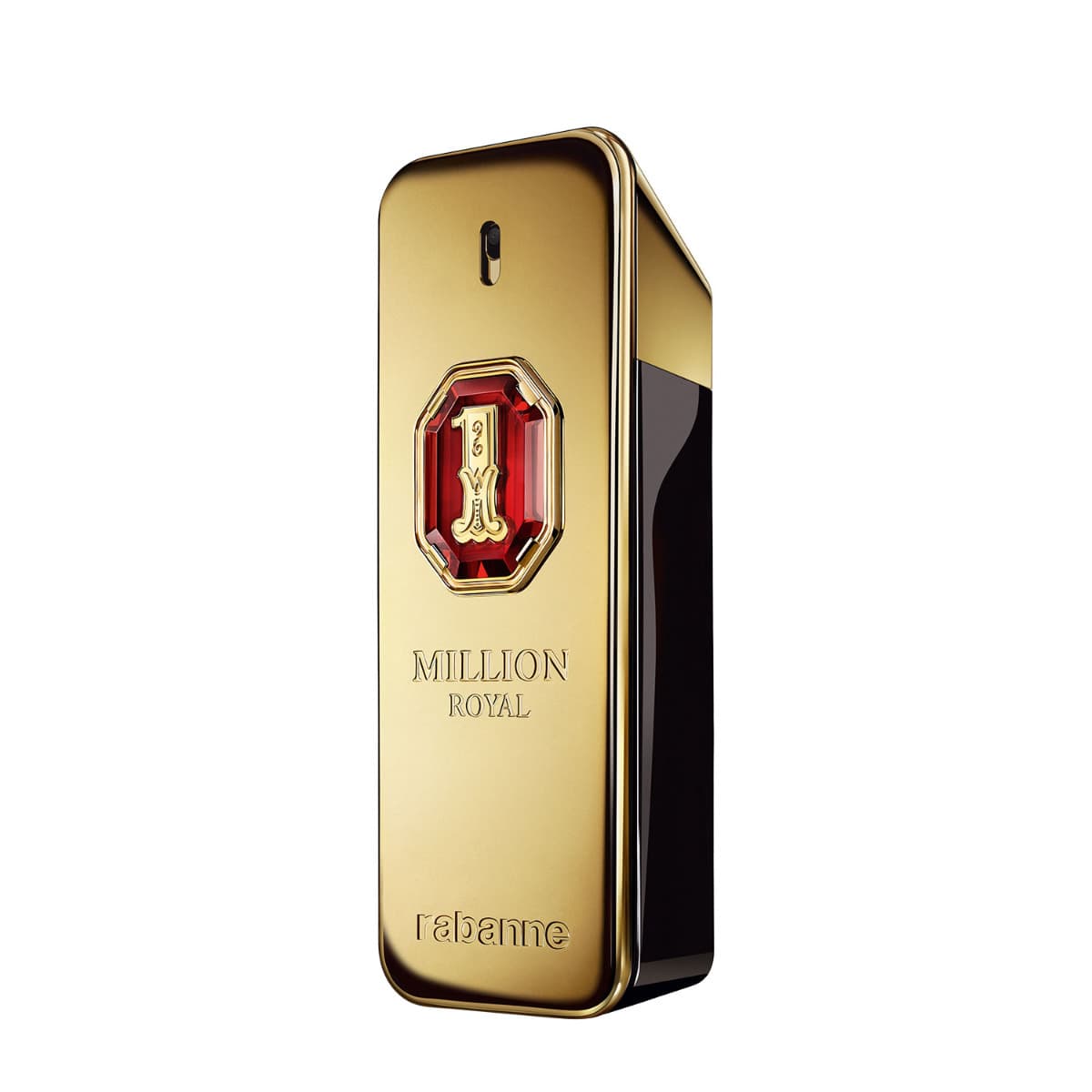 Woody
Woody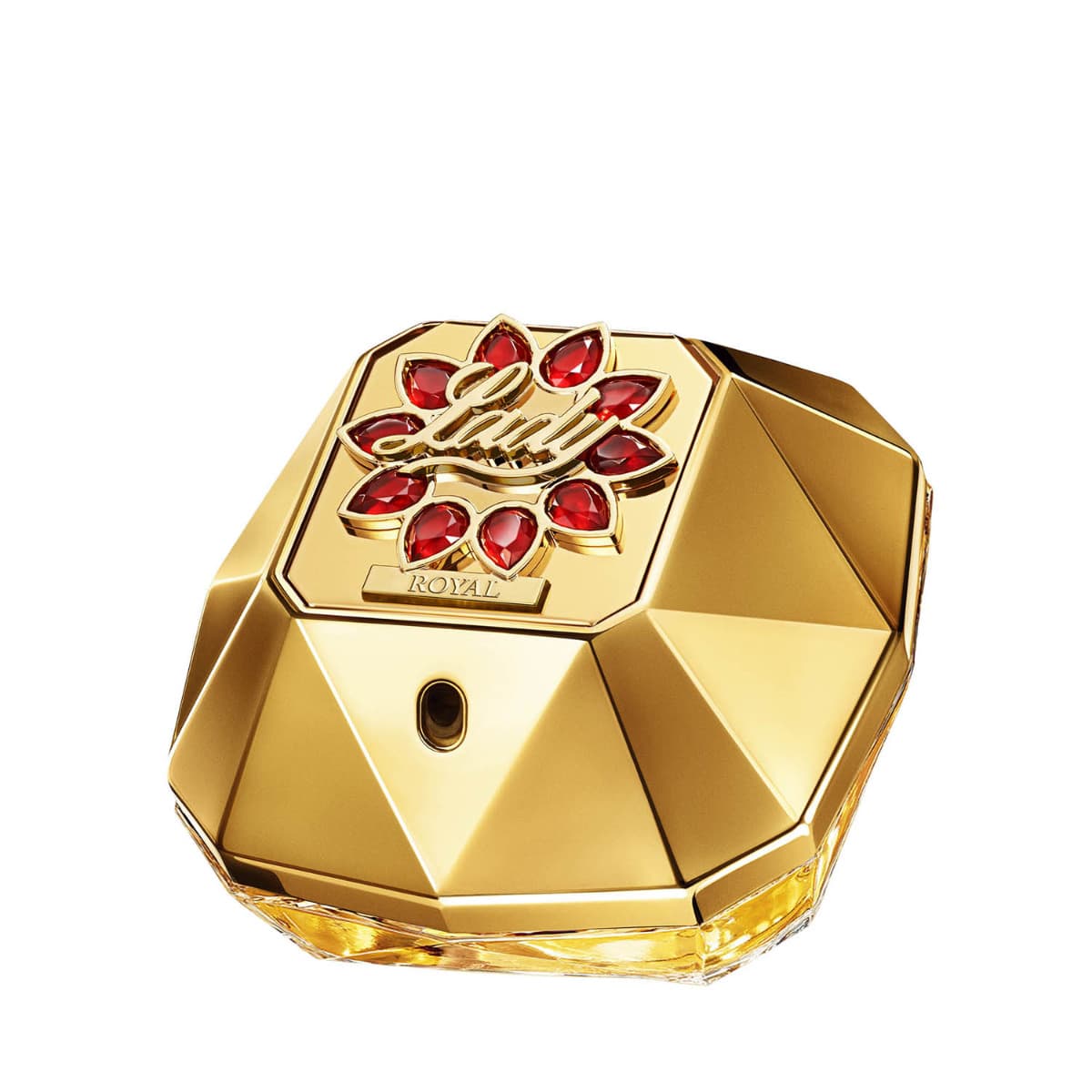 Floral
 Floral
 Woody
Woody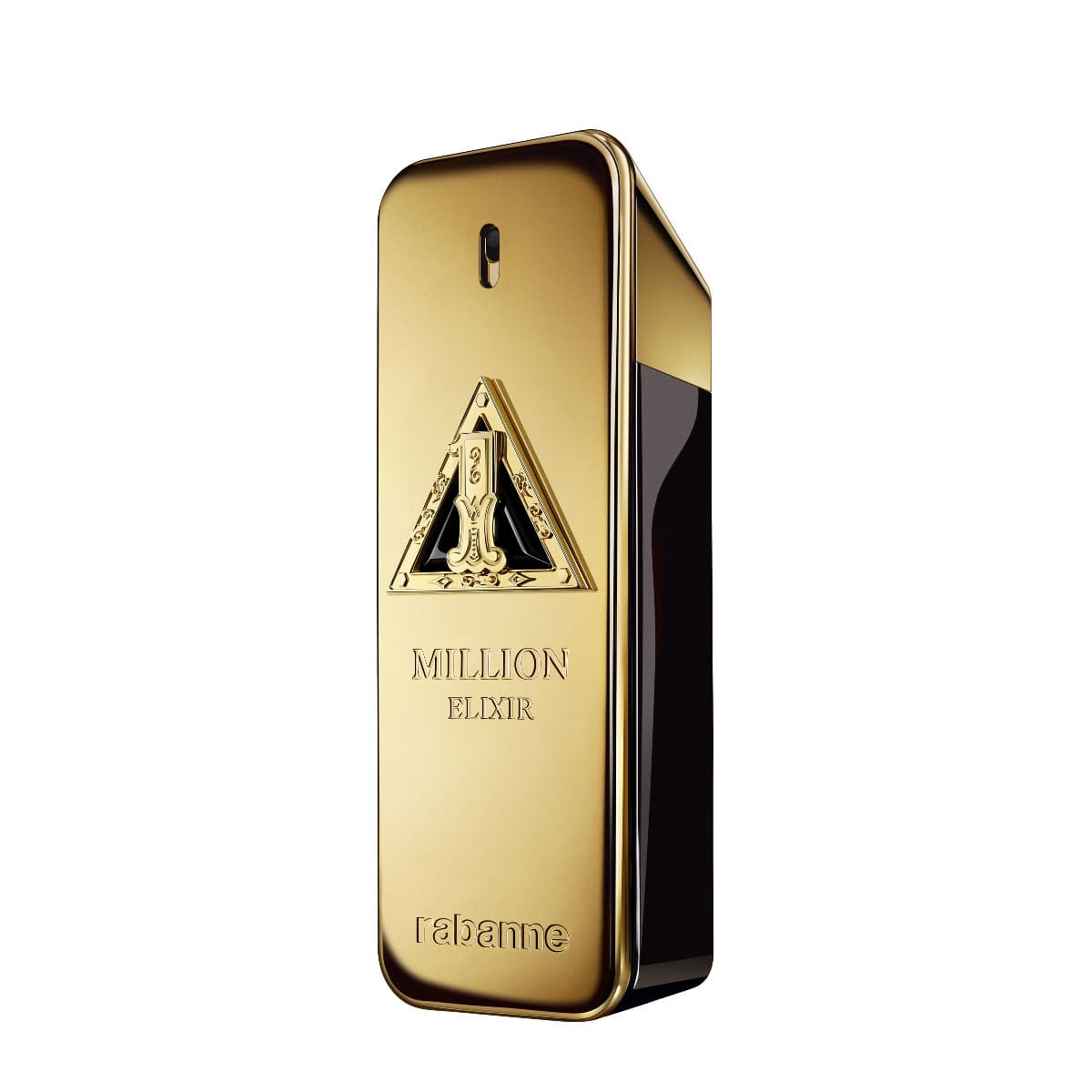 Oriental
 Woody
Woody Woody
Woody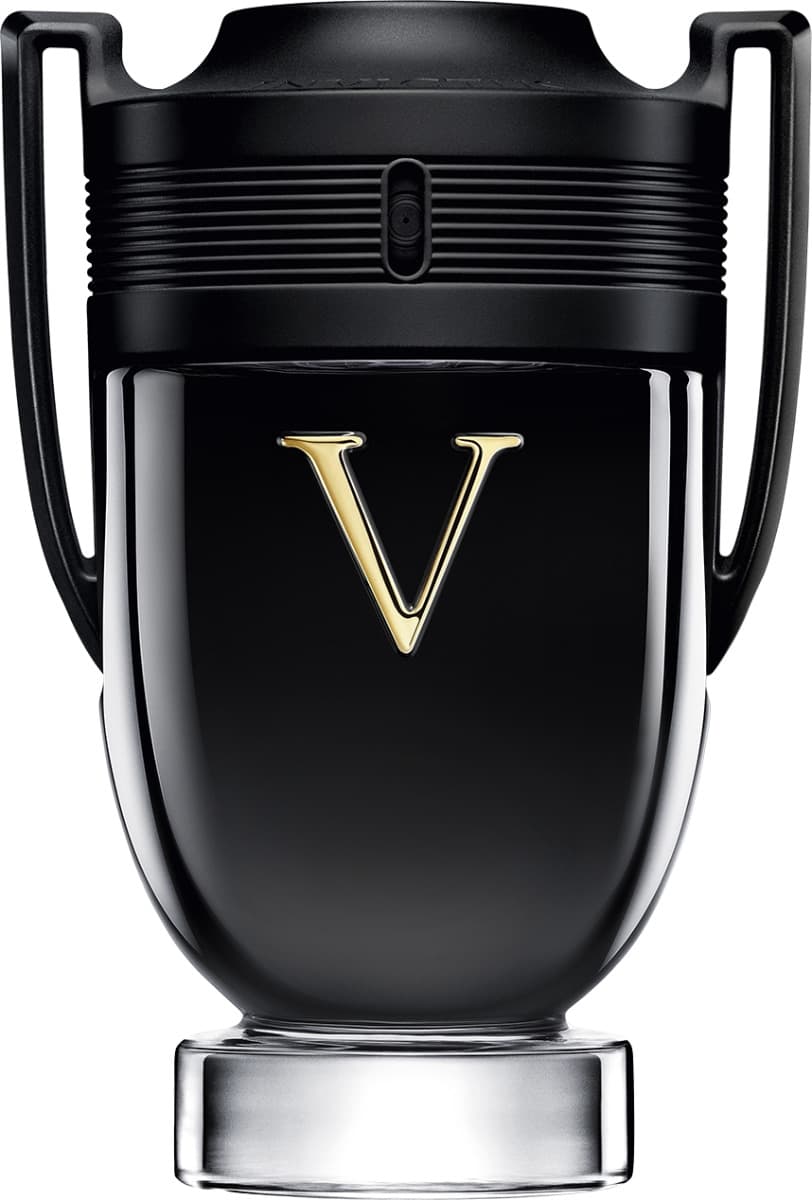 Aromatic
 Oriental
 Chypre
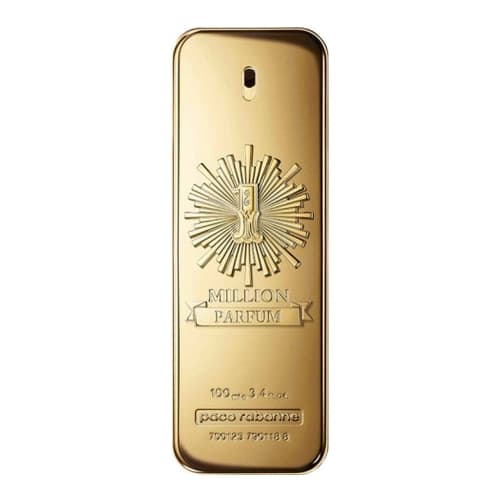 Woody
WoodyWhile luxury houses are increasingly numerous on the market today, very few can boast a creativity similar to that of Paco Rabanne. In addition to being a great couturier, he is above all an unconventional person whose eccentric ideas are always very well received by the public. Paco Rabanne is an inventor, whether in the world of fashion or in that of perfumery.
Paco Rabanne, a Spaniard who left his mark on the world of fashion
Paco Rabanne was born in February 1934 in Spain. His mother already worked at Balenciaga as a seamstress while his father was a colonel in the Republican forces. His father was shot by Franco's troops during the civil war of 1939, which led Paco Rabanne's family to flee Spain. This is how he arrived in France. He then turned to architecture studies at the École Nationale Supérieure des Beaux-Arts in Paris. Also, to finance his studies, he drew his first fashion sketches. In 1959, he published a series of seven very clean-lined and geometric dresses under the name Frank Rabanne in Women's Wear Daily. This began to establish his reputation. Likewise, in 1963, Paco Rabanne won an award at the Paris Biennale with a sculpture for gardens exhibited at the Musée d'Art Moderne. At the end of his studies, he threw himself into the artisanal creation of fanciful accessories for the greatest fashion houses. It was then that the Paco Rabanne signature first appeared. This was followed by a first collection under his own name, in February 1966, named Manifeste. From 1967 to 1970, Paco Rabanne went through a period rich in experimentation. He did not hesitate to incorporate all kinds of materials into his fashion creations, producing paper dresses, fluorescent leather designs, or garments made of hammered metal. This is how Paco Rabanne began to revolutionize the world of fashion, never abandoning this characteristic boldness.
The launch of Paco Rabanne in perfumery
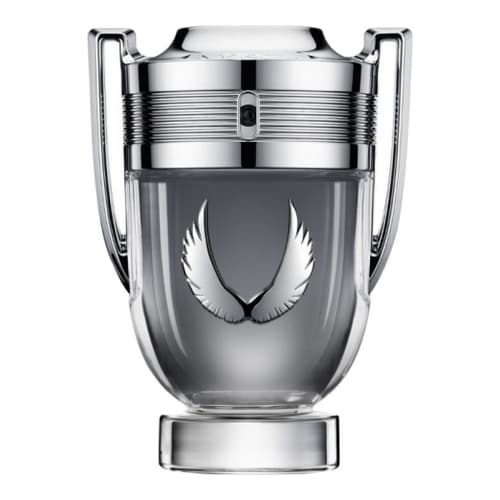
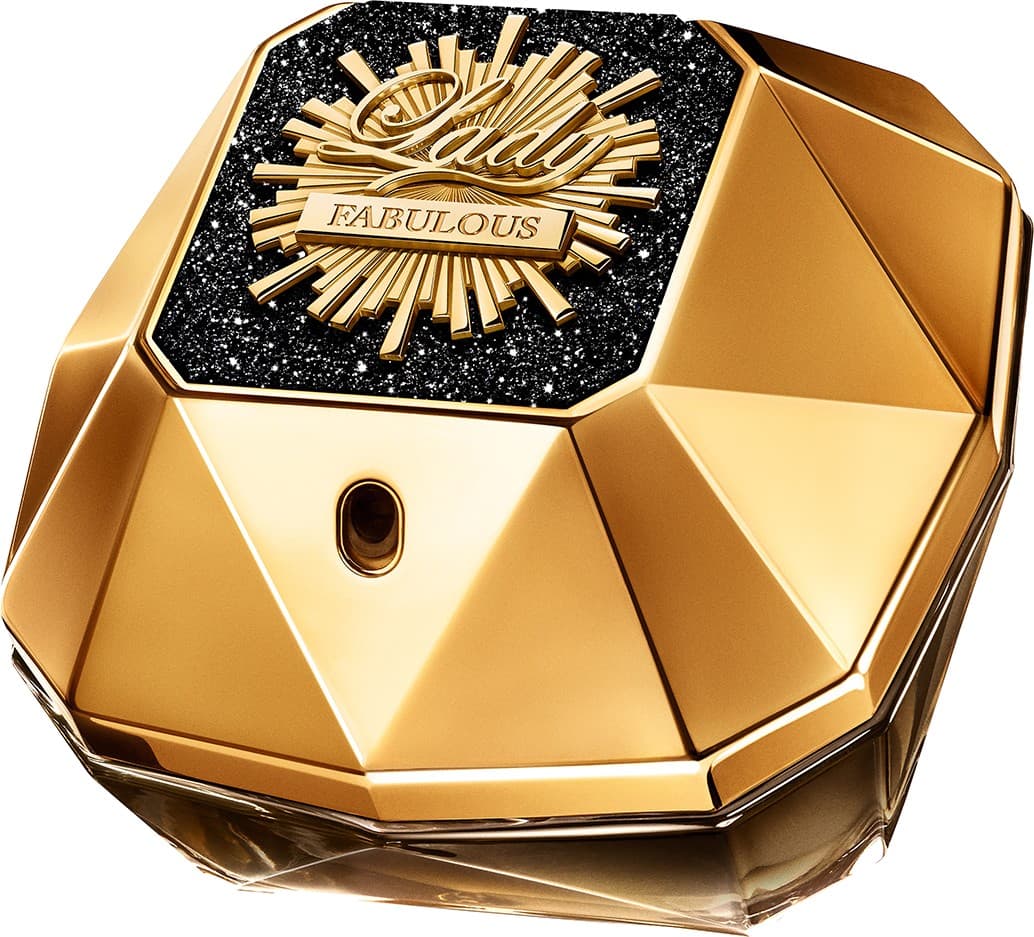
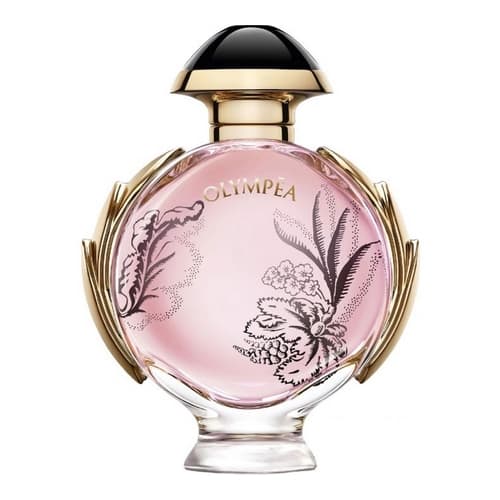
Paco Rabanne signed a partnership with the company Puig in 1969. He then launched his very first perfume named Calandre, a bold fragrance housed in a bottle with an unexpected design. It achieved considerable success. Then, four years later, in 1973, Paco Rabanne launched his first men's fragrance, simply named Paco Rabanne pour homme. Since then, Paco Rabanne has continued to chain together olfactory successes. While he continued in parallel his incredible destiny as a couturier, even leading him to design all of Mylène Farmer's stage costumes for her 1996 tour, he remained no less highly productive in terms of perfumery. Furthermore, for more than 10 years now, Paco Rabanne has enjoyed creating pairs of fragrances that draw us into a world with a strongly defined identity. In this respect, the Black XS duo was meant to be very rock 'n' roll. It was followed by 1 Million and Lady Million, two icons of perfumery. Finally, more recently, Paco Rabanne has also signed the appearance of two athletic divinities as if straight out of Greek mythology: Invictus and Olympéa.