
 Woody
Woody
Lacoste
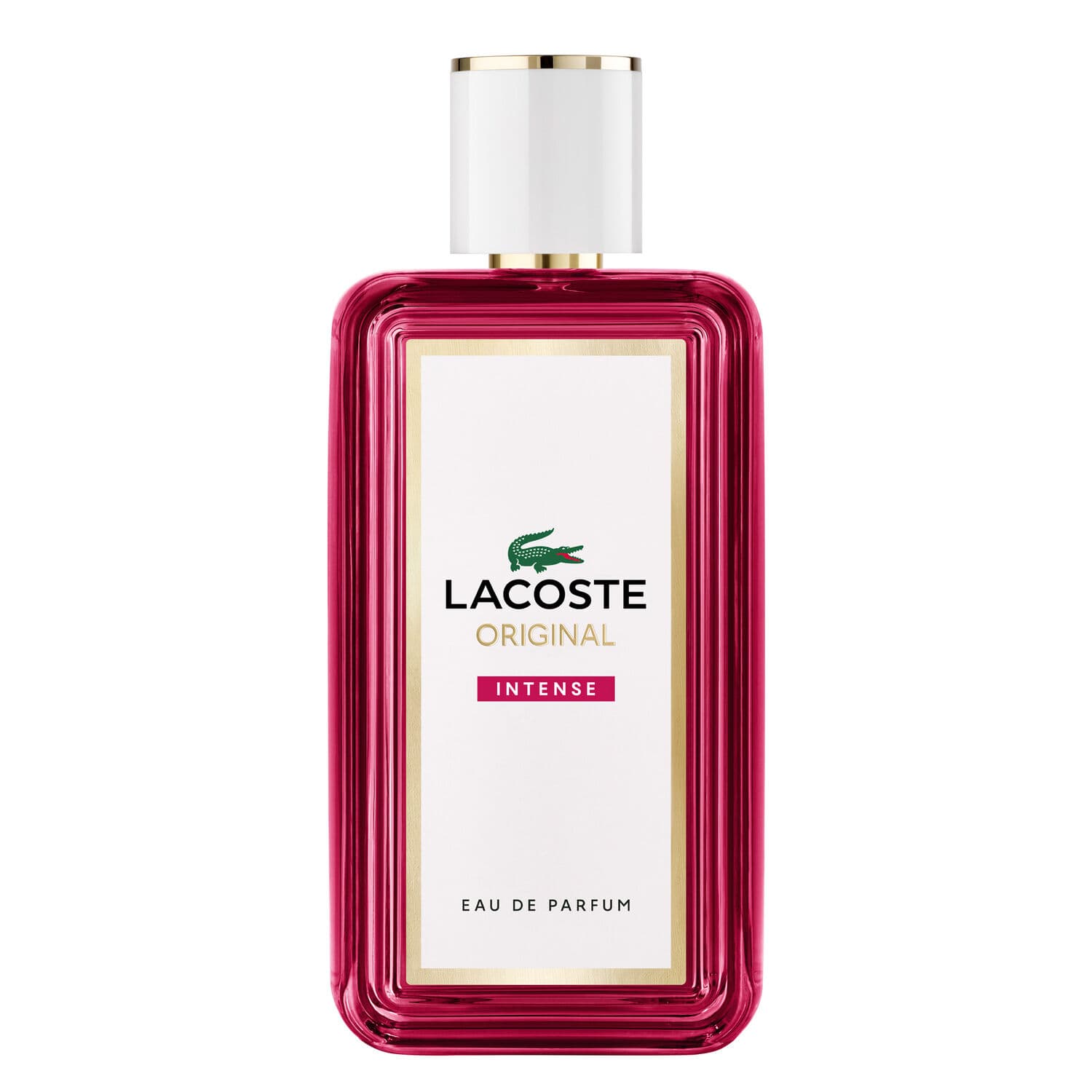
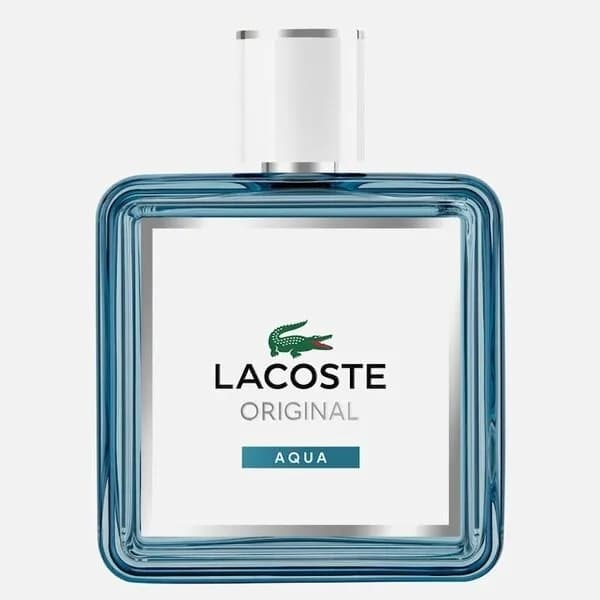
Lacoste is a revolutionary brand that has managed to establish itself just as much in the world of fashion as in that of sport. Thus, Lacoste has always been synonymous with sportiness, ease and elegance. While the house is particularly famous for its polo shirt, it has also expanded its range and is now recognized for its numerous perfumes.
Lacoste perfumes
Woody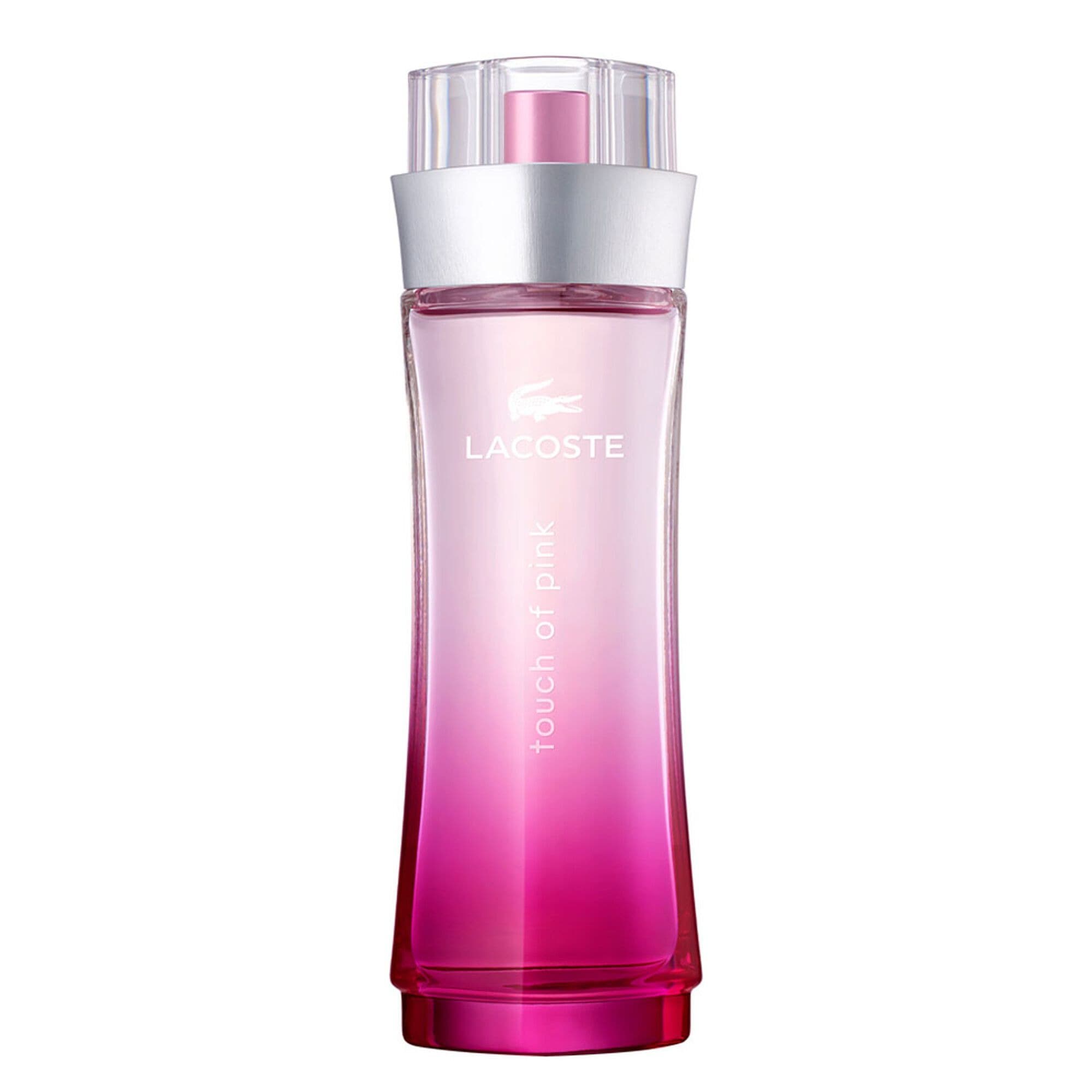 Floral
 Woody
Woody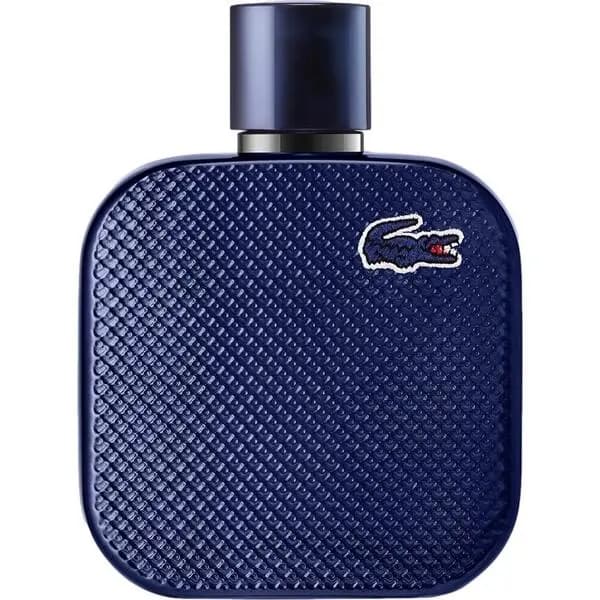 Aromatic
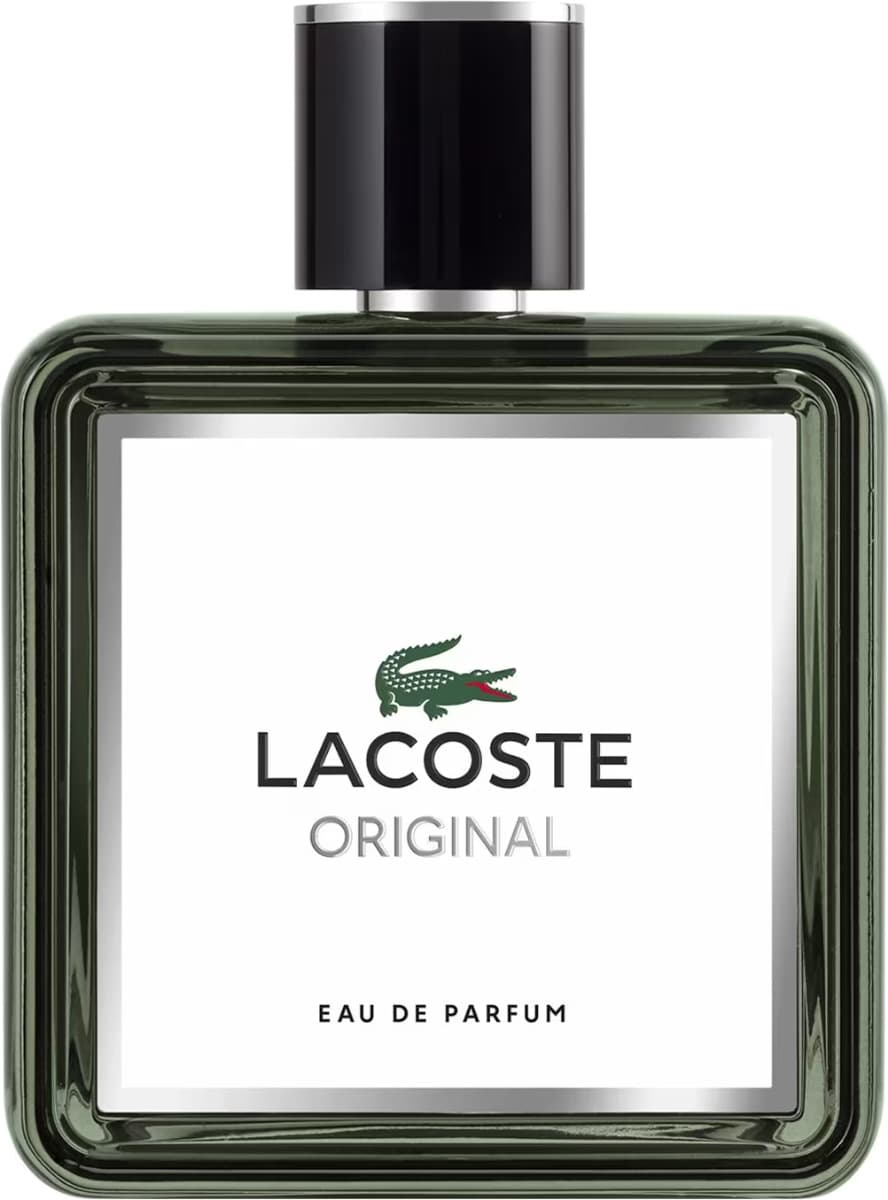 Fougère
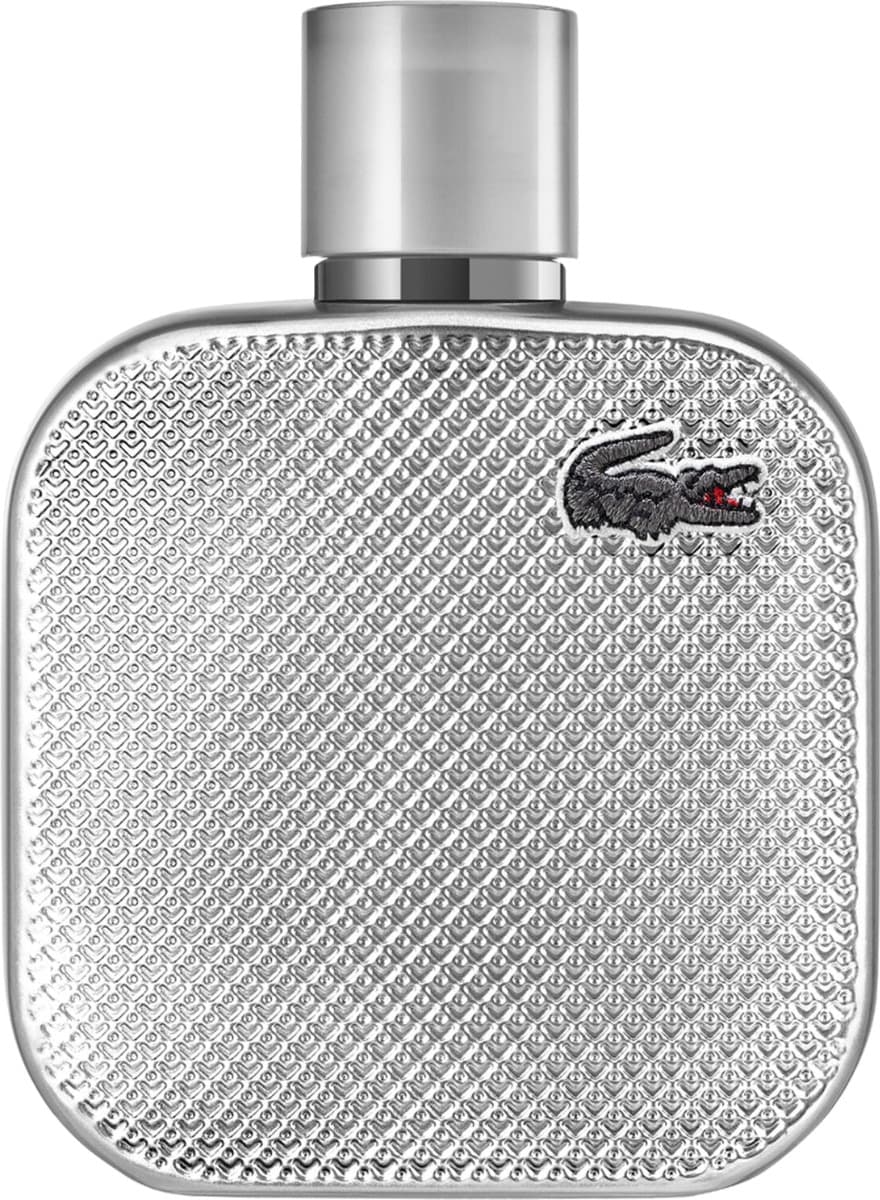 Fougère
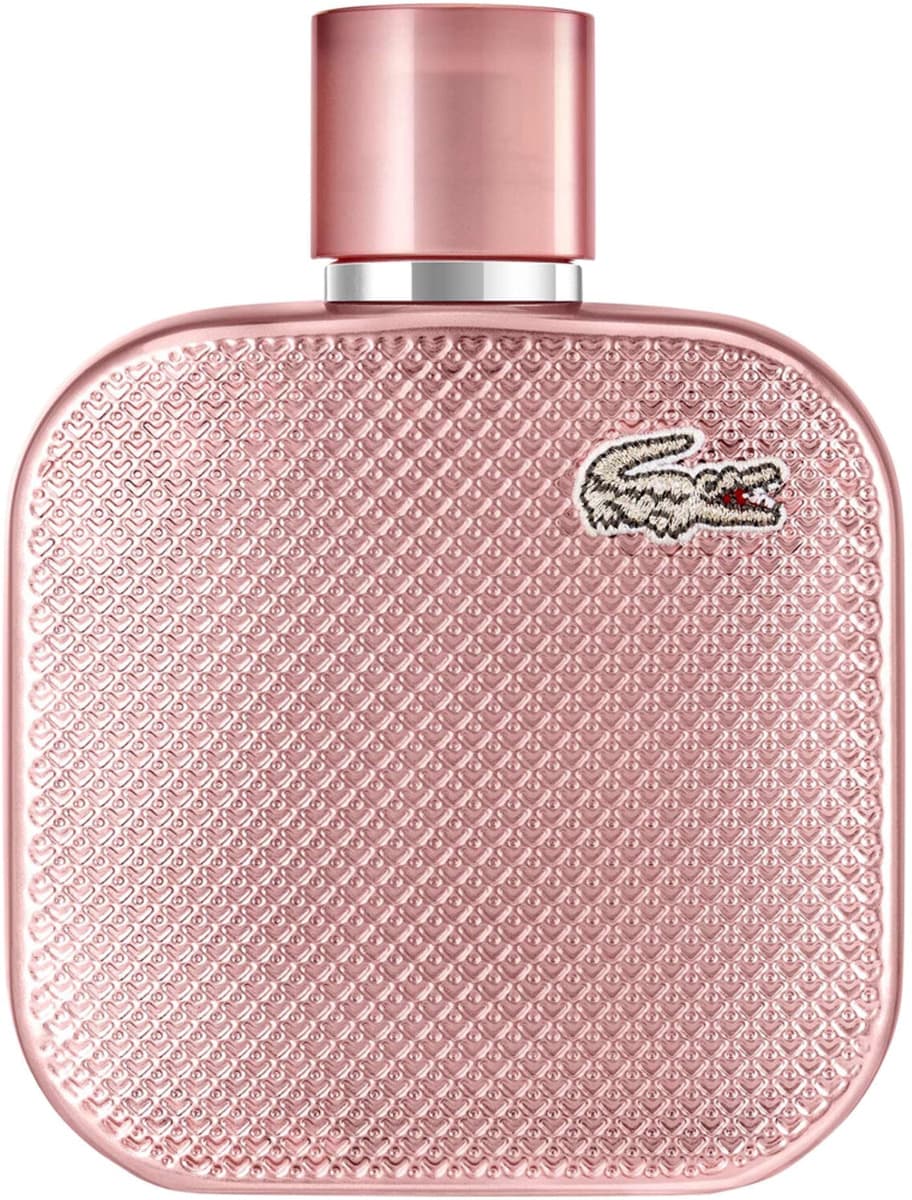 Floral
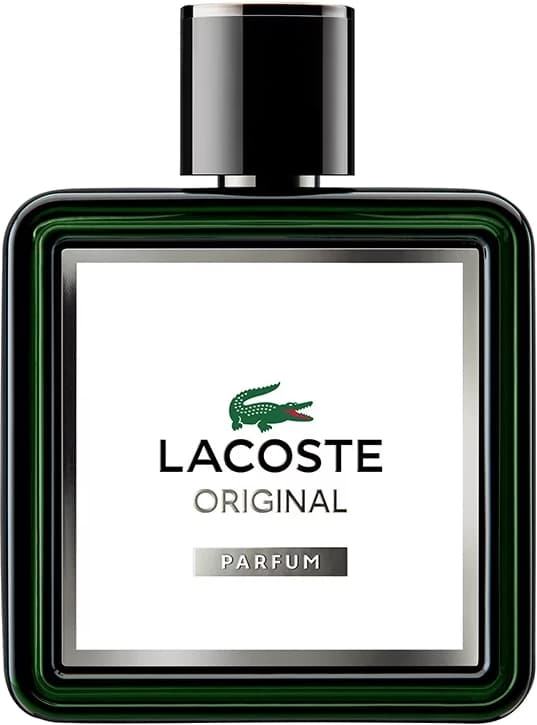 Fougère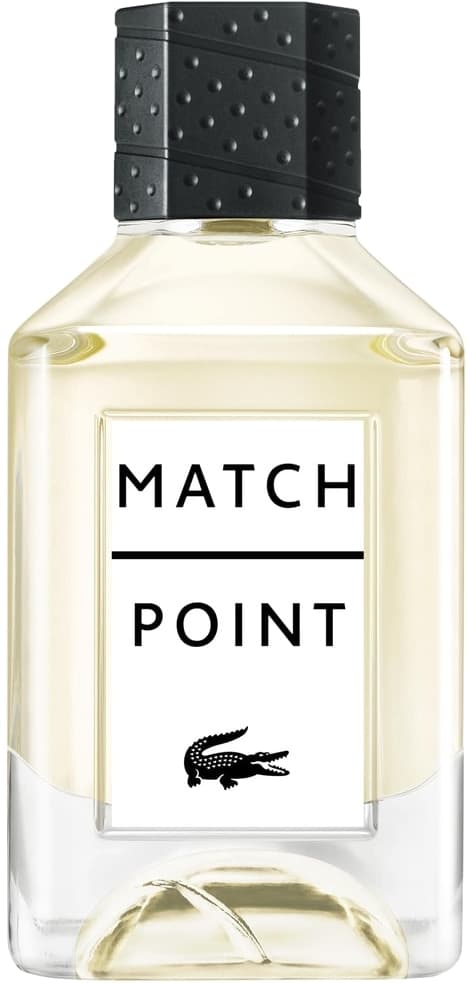
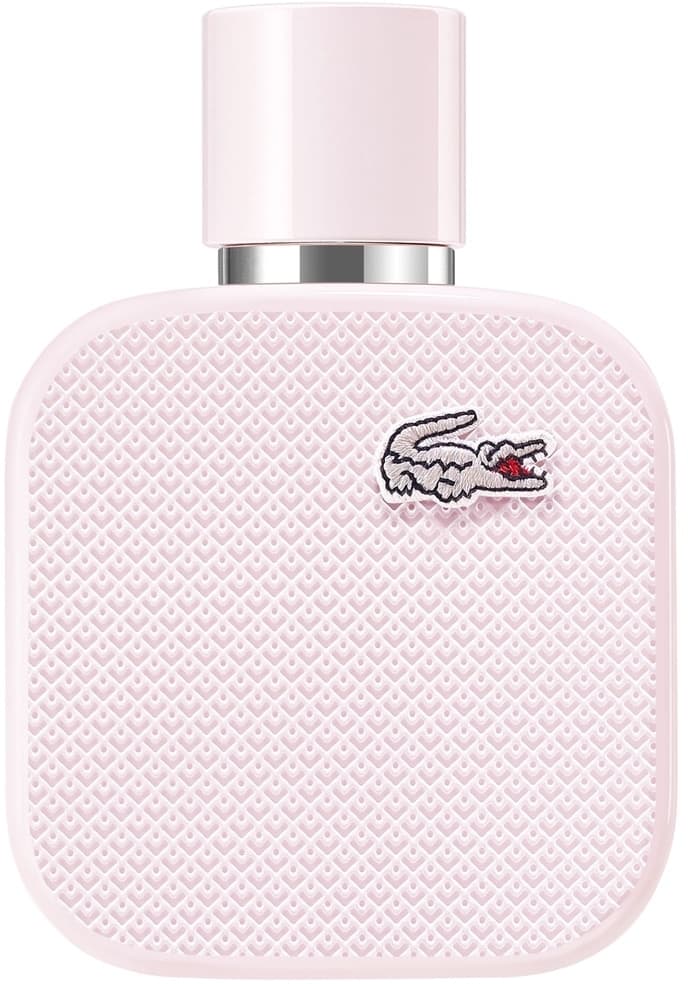
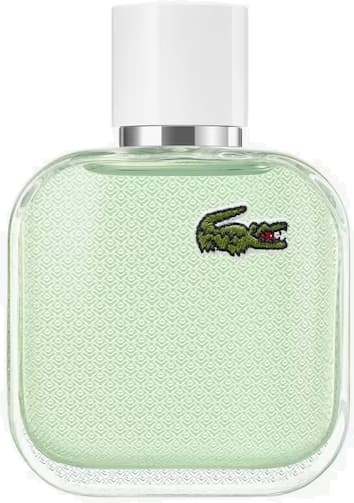
 Citrus
The key milestones in the history of Lacoste
The Lacoste brand was founded in 1933 by André Gillier and René Lacoste. Indeed, shortly before, René Lacoste had created a short-sleeved sports shirt in white petit piqué jersey, a light and airy fabric, with a ribbed knit collar. Very quickly, this garment was adopted by tennis players but also by golf enthusiasts. As a result, it sold in vast quantities in no time. Nevertheless, as early as 1940, the firm's activities were halted due to the Second World War. They resumed in 1948. From then on, Lacoste expanded its range of shirts by offering them in multiple colors. Likewise, it was at this point that Lacoste expanded internationally, gradually making its way onto Italian shelves as well as those in the United States. Still very close to the world of tennis, Lacoste also developed a steel racket called the Wilson T2000, in 1953. Always eager to further expand its business, it was in 1968 that Lacoste partnered with the perfume company Jean Patou to launch its very first fragrance, named Lacoste pour hommes. This fragrance was then followed by many other perfumes, always deeply rooted in a sporty and dynamic world. Thus, Booster appeared in 1996, followed by Touch of Pink in 2004, Challenge in 2009 and Live in 2014. Likewise, a whole series of Lacoste L.12.12 perfumes, heavily inspired by the house's iconic polo shirt, appeared. René Lacoste was nevertheless succeeded by his children in the 1990s. However, family conflicts led René Lacoste's granddaughter, Sophie Lacoste Dournel, to sell the company to the Swiss group Maus, which already held a 35% stake in Lacoste.
The origins of the crocodile
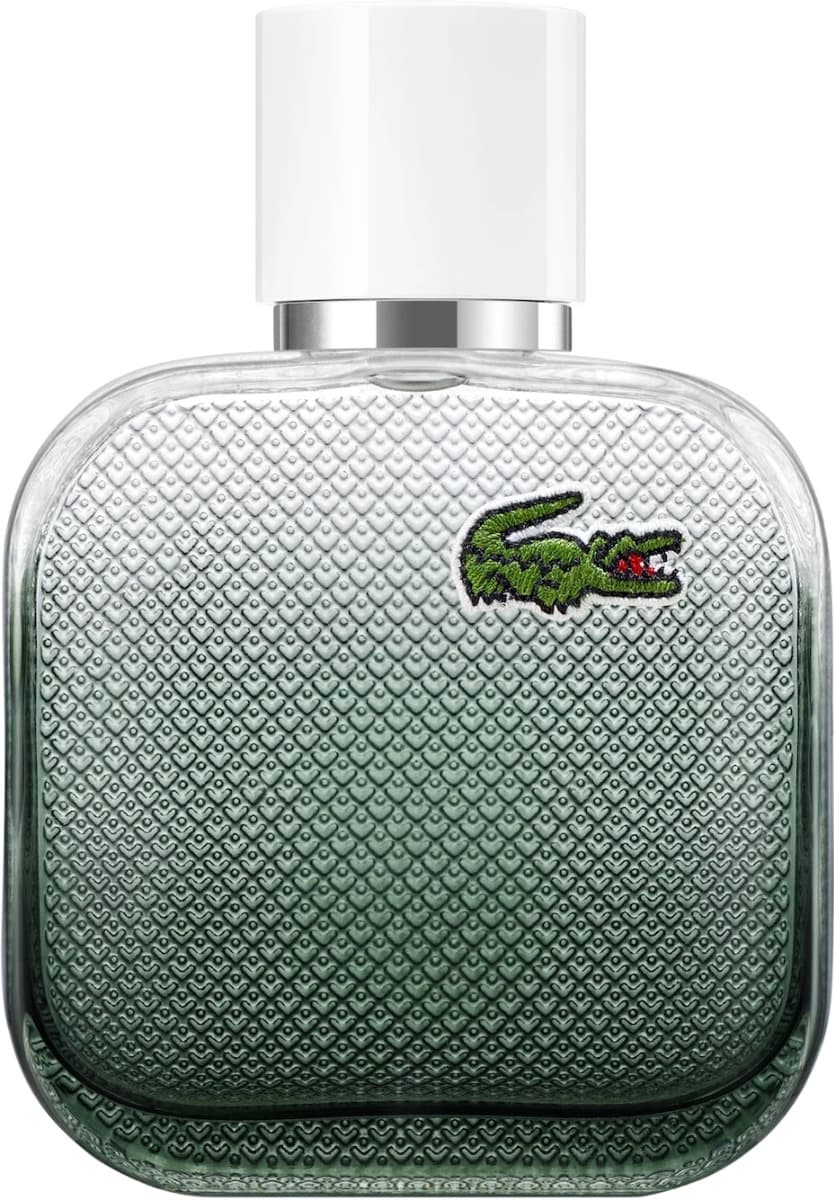
While everyone today knows Lacoste's iconic crocodile, do you know where it comes from? This green crocodile reportedly originated from a bet that the captain of the French tennis team made with René Lacoste during the 1925 Davis Cup. He allegedly promised him an alligator suitcase if he won an important match. Unluckily, he lost the match! This did not, however, stop a journalist who knew about this wager from nicknaming René Lacoste “the alligator”. This nickname stuck with the American public, who at the same time highlighted the tenacity of this player who never let go of his prey on the tennis court. This is how the crocodile became attached to René Lacoste for the rest of his career. Quite logically, he made it the mascot of his brand.
Today, the Lacoste house is a true giant of luxury. It has more than 1200 stores around the world, including 87 points of sale located in France.