
 Citrus
Caron
Ernest Daltroff, a talented nose originally from Russia, fell in love with Armande Caron's Parisian perfumery, then, as a second stroke of luck, with the beautiful Félicie Wanpouille, with whom he would create his first perfumes. From the very beginnings of Caron perfumes, success was quick to follow. The couple would sign emblematic and original perfumes such as Narcisse Noir in 1911, then the perfumery's enormous bestseller Pour un Homme simultaneously with Fleur de Rocaille, two emblematic fragrances from 1934.
Caron perfumes
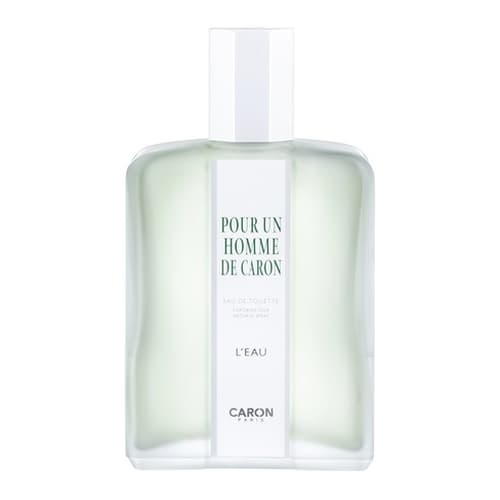
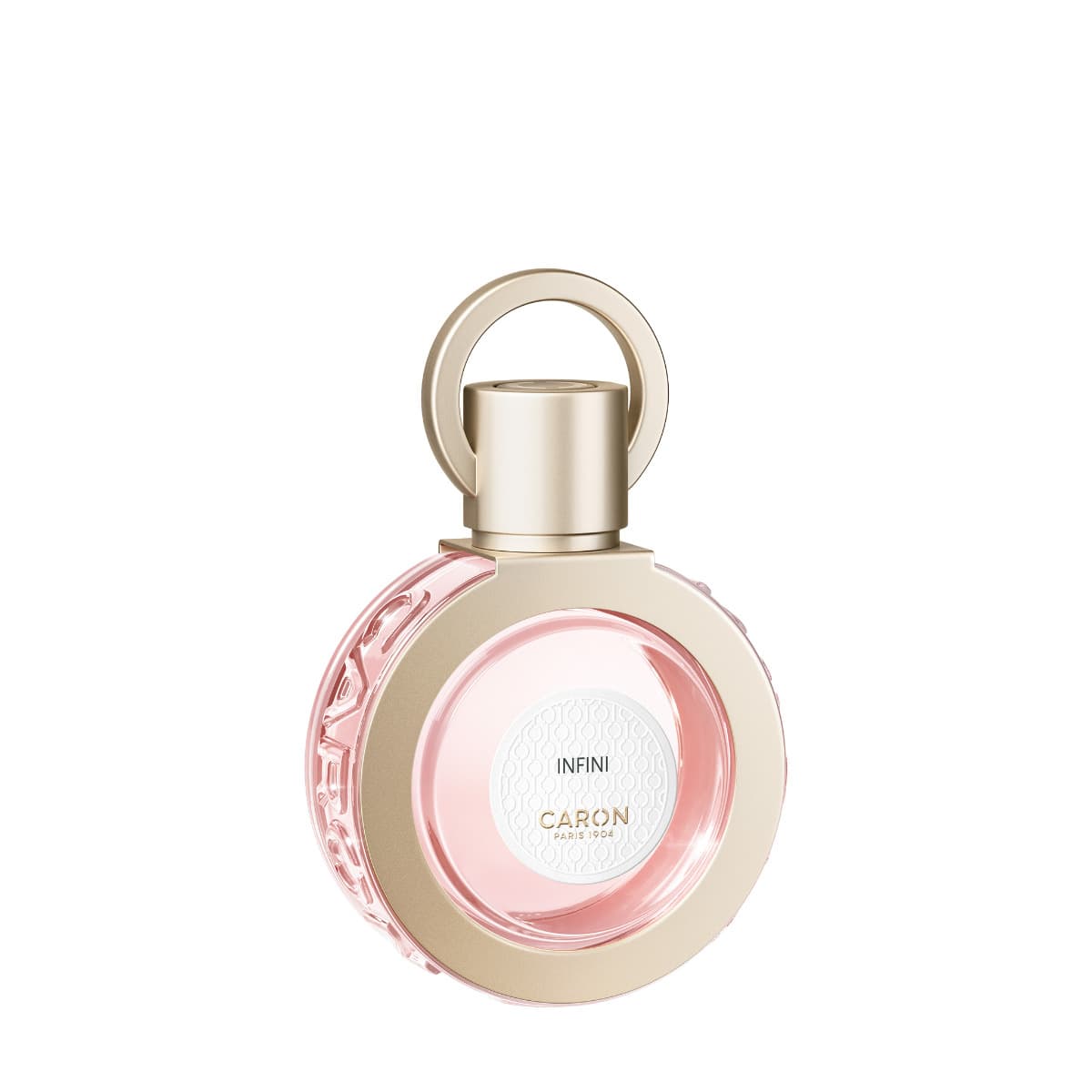
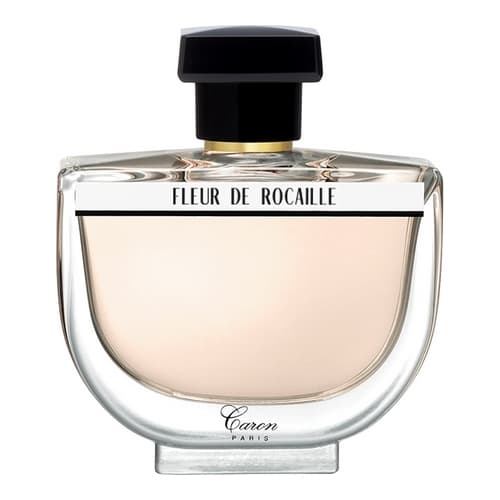
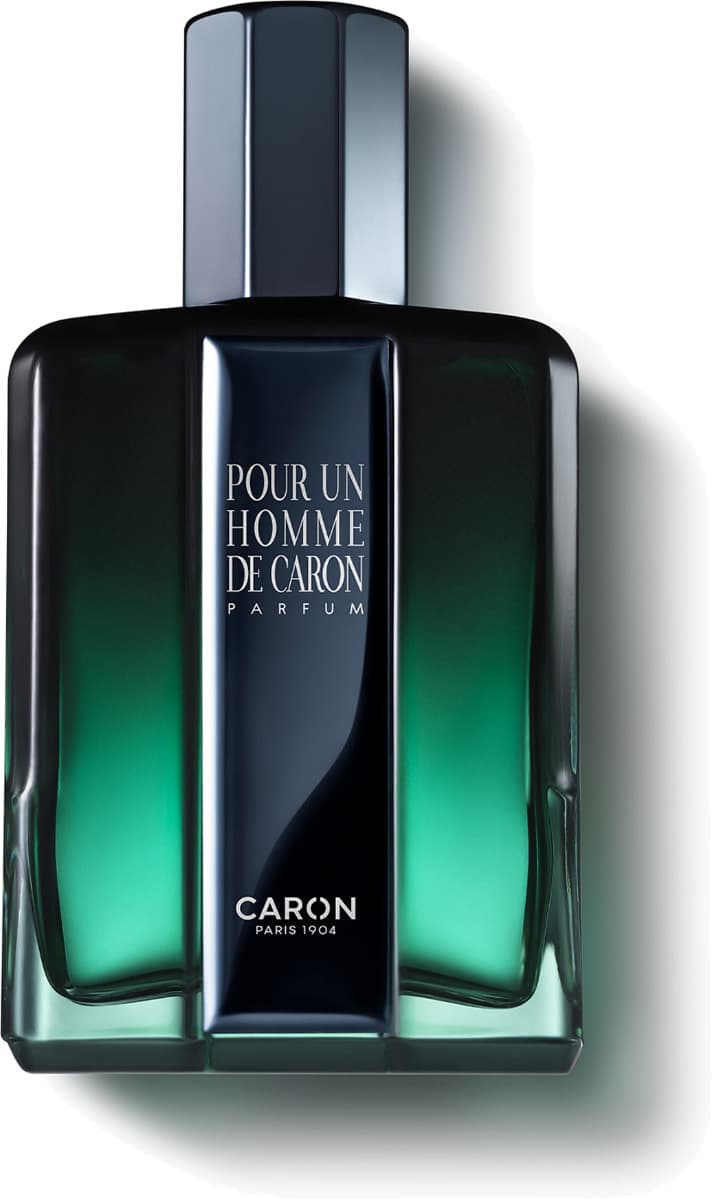
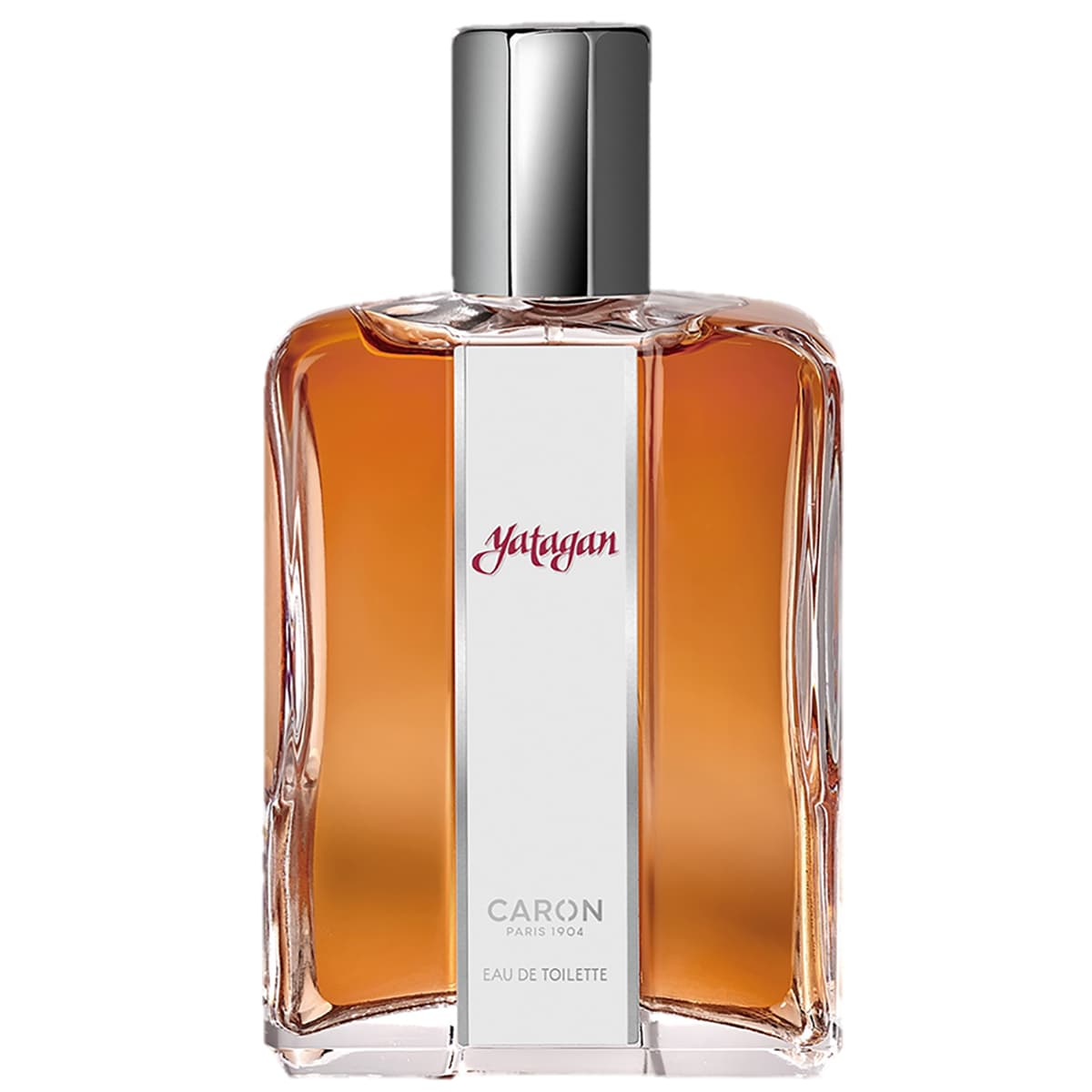
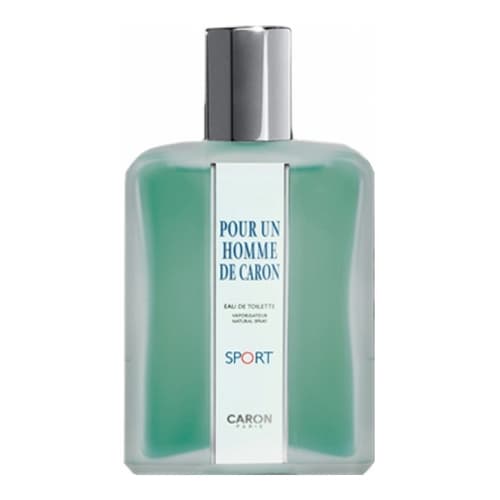
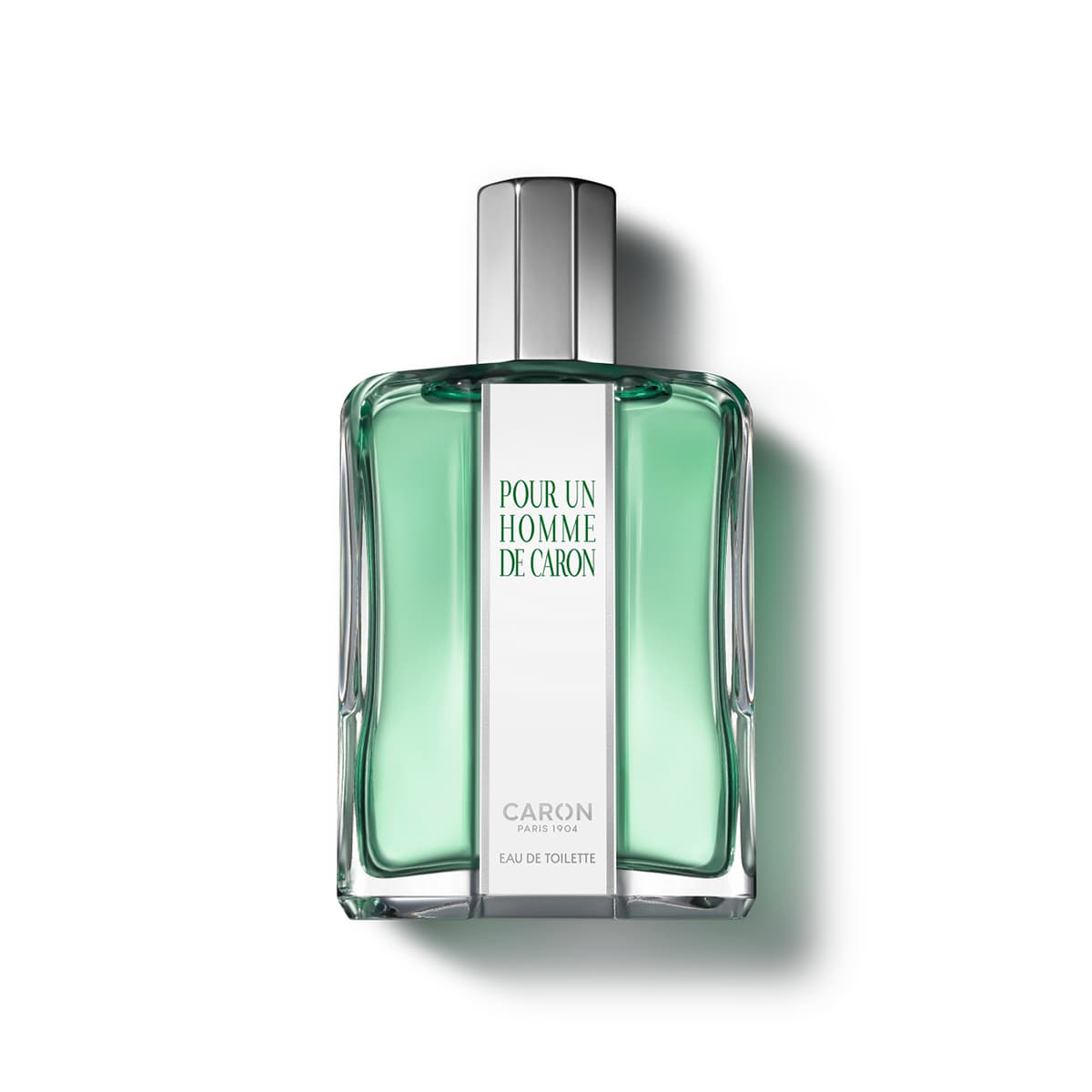
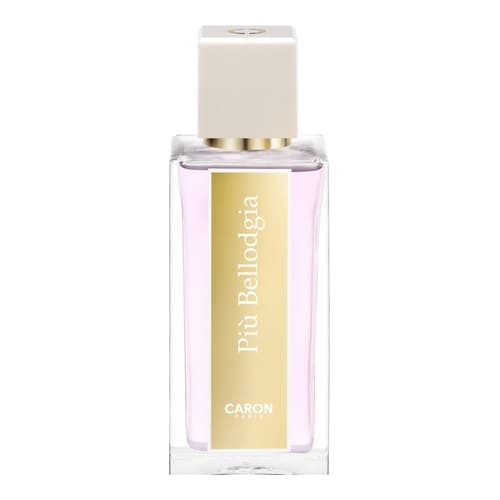
Ernest Daltroff and Félicie Wanpouille, a beautiful story of love and perfumes
Ernest Daltroff took his first steps as a perfumery chemist in his native Russia in the 19th century. On a trip to Paris in 1902, he discovered an exceptional perfumery boutique (the Emilia perfumery), which he proposed to buy at the urging of his brother in 1903. It is not known whether the Caron brand was created in memory of a famous acrobat of the time or in reference to the former owner, but the name was clearly short and easily recognizable.
Ernest Daltroff was, in addition to being particularly talented, rather lucky. From his meeting with a wealthy businessman who pushed him to take up premises on the prestigious Rue de la Paix, to his encounter with the beautiful and intriguing stylist Félicie Wanpouille, every element propelled Caron toward becoming a great house in perfumery.
The Daltroff-Wanpouille couple was prolific and produced beautiful bottles with distinguished names: Chantecler, Narcisse Noir, L'Infini, Ravissement, or indeed Isadora. The fragrances were subtle, the bottles elegant, and rising stars were won over by Caron's bottles, notably by the brilliant floral oriental Narcisse Noir, which charmed all of Hollywood.
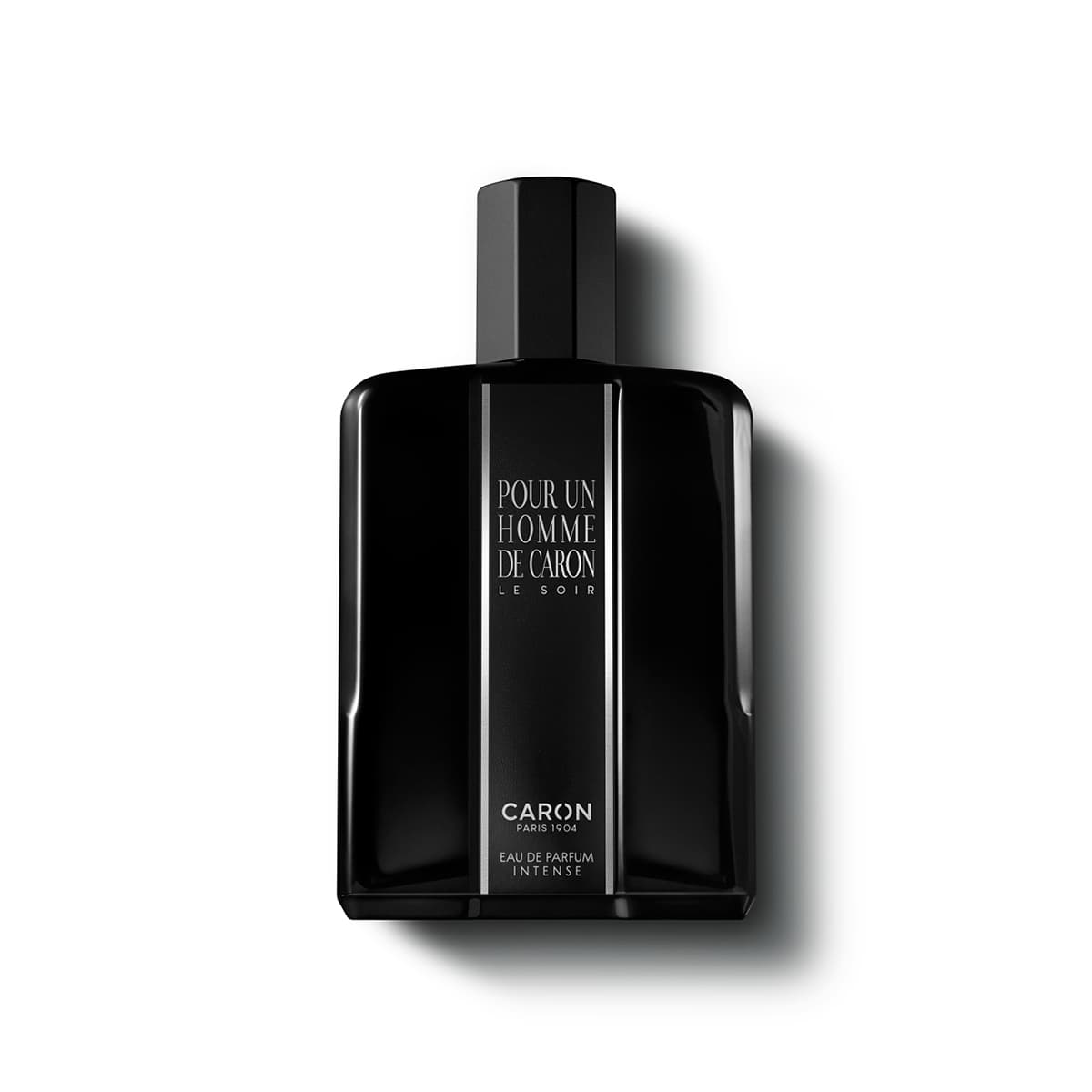
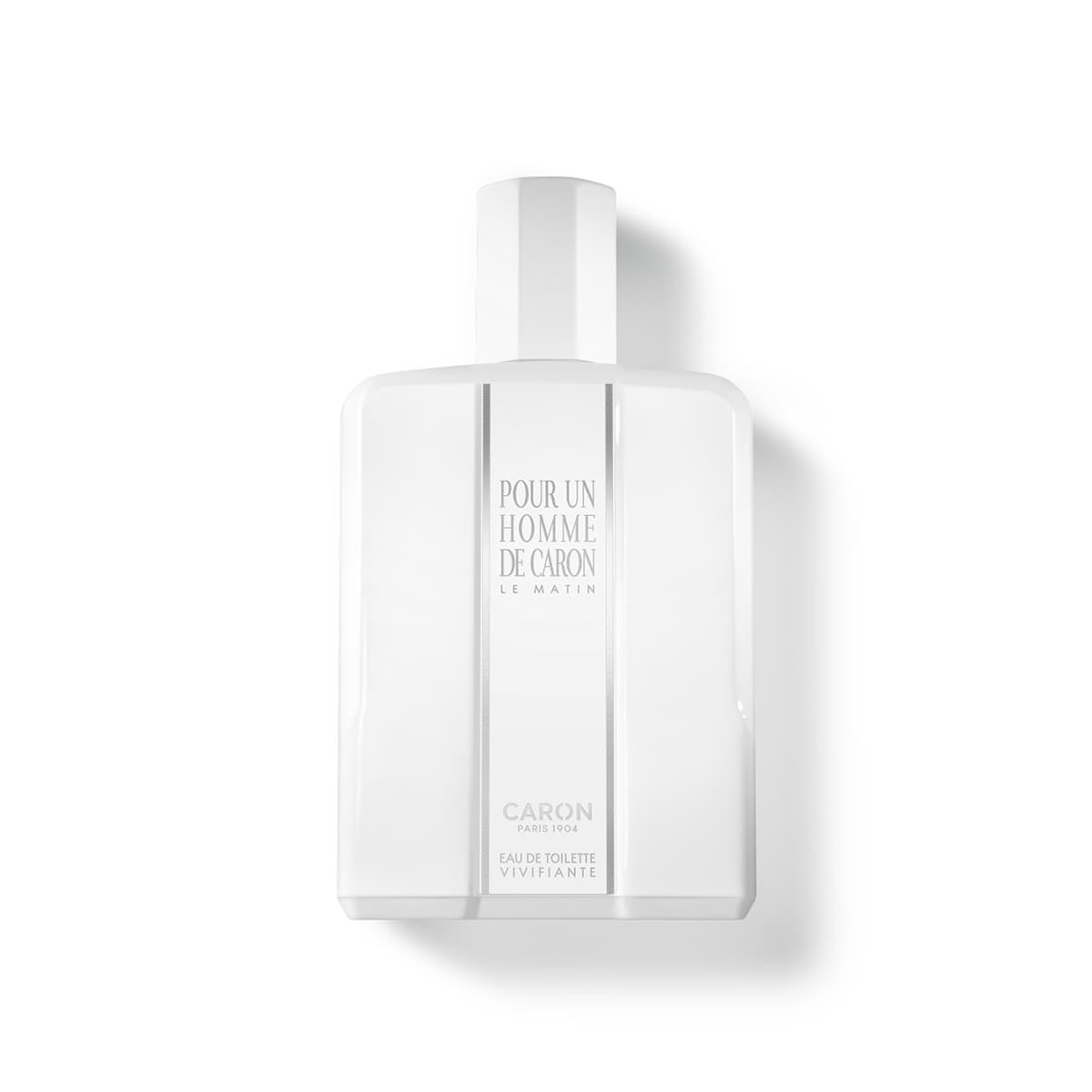
Moreover, the couple was creative and did not hesitate to venture into new olfactory paths that would prove to be great successes. Thus Tabac Blond, released in 1919, would be the first masculine leathery fragrance in history, not to mention of course the famous Pour un Homme, released in 1934, which would become the first true masculine fragrance with an intoxicating and deep sillage.
Richard Fraysse, or the renewal of the house of Caron in 2000
Pour un Homme, offering a smooth and delicate balance between a lavender worked through its delicate facets and a gourmand, suave vanilla, would etch this lively and innovative men's fragrance into the history of masculine perfumery. All the more so as, at the onset of the war, the brilliant creator Daltroff had to flee France for the United States, from which he would never return.
Despite the loss of the master perfumer and her dearest love, Félicie Wanpouille ran the house of Caron with an iron hand and continued to produce beautiful feminine fragrances such as Pour une Femme in 1942, or indeed the marvelous Poivre in 1954. However, following her departure in 1967, the house of Caron would take years, even decades, to recover its aura of prestige and creativity, likely due to too many changes of ownership.
Despite beautiful fragrances signed by the nose Jean-Pierre Bethouard, such as 3e Homme in 1985, Caron perfumes would recover the values tied to their deep history thanks to their acquisition by Groupe Ales in 1998, which installed a dedicated in-house nose, the famous Richard Fraysse. Caron's renewal would then be marked by the release in 2000 of the beautiful masculine leather chypre L'Anarchiste.