
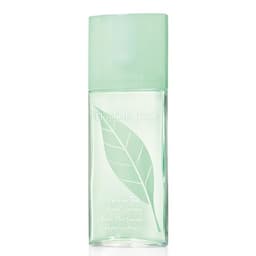
Green Tea (1999) is the translation into perfume of a lemon iced tea, signed Francis Kurkdjian before he founded his own house. Lemon, bergamot, mint and rhubarb open onto a heart of jasmine and carnation; green tea, oakmoss and spices close it. A clear aromatic citrus, short in longevity, that has become a classic of accessible perfumery.
The opening is frankly sharp. Lemon and bergamot arrive together, cut with a mint that stings without cooling, and orange rounds it all off with a zesty sweetness. Rhubarb does the most interesting work: it brings a green, almost earthy acidity, one that belongs neither to a citrus nor to a leaf.
The middle is more discreet than expected. Jasmine settles in without ever becoming floral in the full sense, kept short by an anisic fennel and a peppery carnation that keep it from blooming. Oakmoss already appears, giving this heart a dry, almost bitter base that forbids any softness.
Green tea truly arrives only toward the end, and it is more vegetal than tea-like: a leafy bitterness, without milk or sugar, carried by clean musks. Around it, an unexpected trio, celery seed, caraway and clove, sets a spicy, almost salty edge that keeps the whole thing away from soapiness. It is the perfume's discreet signature, the one noticed only on the third wearing.
The construction is more sophisticated than the result suggests: about fifteen raw materials for an impression of simplicity. That is the tour de force, and no doubt what explains the bottle's commercial longevity. The longevity, however, remains short, two to three hours on skin, and that is the accepted price of this transparency.