
 Floral
Aldehydic
Brief definition of the aldehydic family
Aldehydes were discovered in 1835 by Baron Von Liebig, a German chemist who contributed to the founding of industrial agriculture based on organic chemistry. Belonging to the family of carbonyl compounds, an aldehyde is a double bond between an oxygen atom and a carbon atom. The aldehydic family is naturally present in citrus zest, but most aldehydic facets are synthetic compounds. Aldehydes are part of the floral family, and the aldehydic facet can derive from the oxidation of alcohol. This aldehydic olfactory family stands out for its freshness and natural scent, which are appreciated by women. Aldehyde gives floral compositions power, brightness and volume. The aldehydic family is generally recognized by its metallic, warm, fatty and slightly orangey odor. Aldehyde has a scent that is at once atmospheric, intense and glamorous.
The aldehydic facet in perfumery
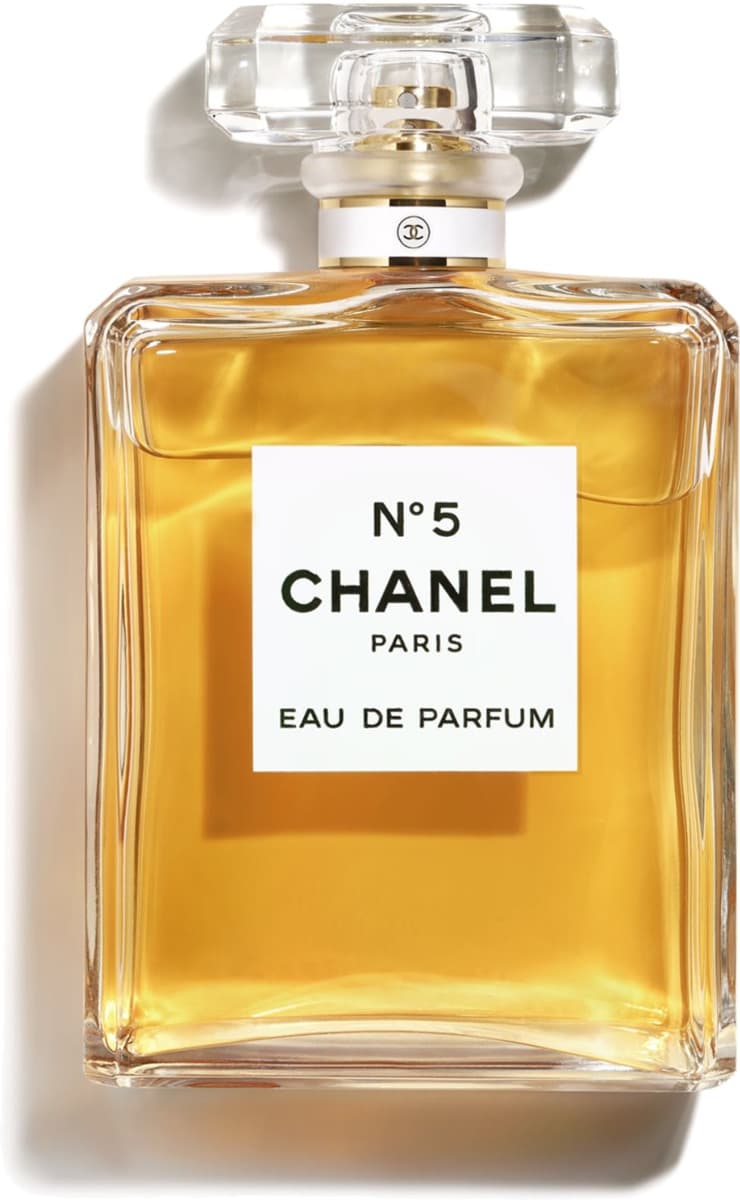
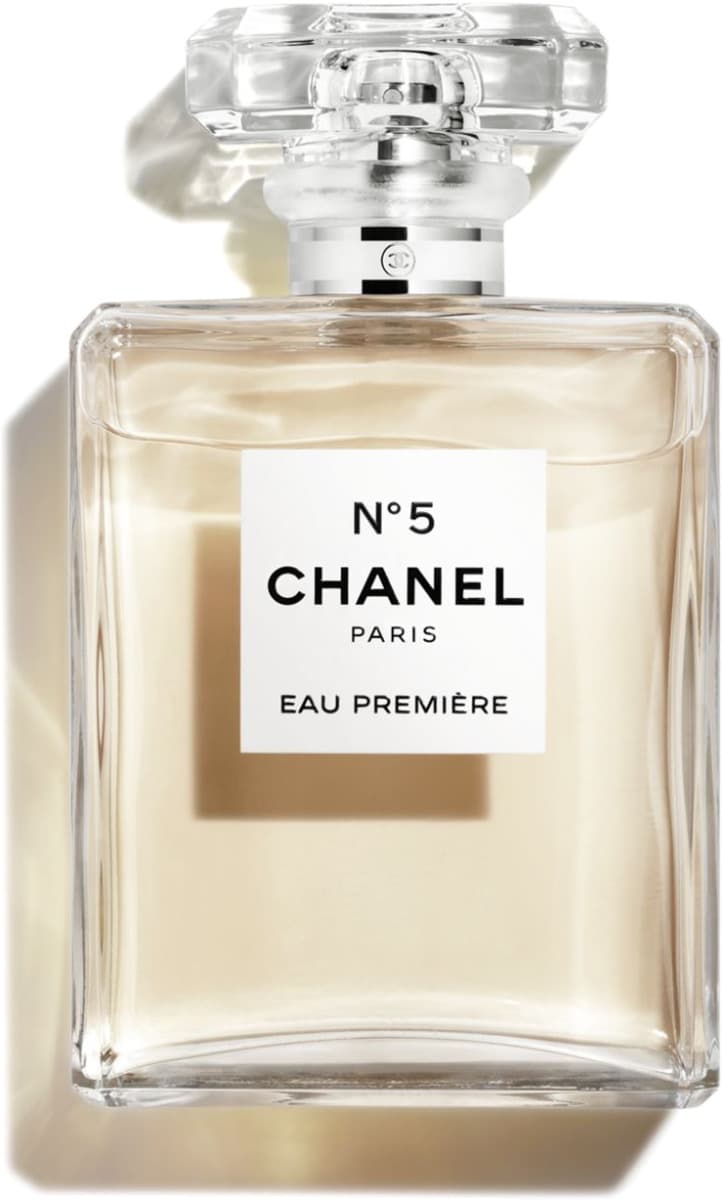
Without the aldehydic facet, Chanel N°5 would likely never have existed. It is the perfume most representative of aldehyde. It is often said that the aldehyde it contains is due to an overdose. This is not the case: the amount of aldehyde present in this fragrance is the result of an innovation desired by Coco Chanel. She entrusted Ernest Beaux, perfumer to the tsars’ court in Russia, with the recipe for the famous perfume so that it would be impossible to imitate. Originally, the fragrance was composed of jasmine, rose and ylang-ylang. The creator had the idea of increasing the dosage of aldehydes to 1% so that the floral notes would not dominate. The aldehydic scent blends very well with the vetiver, vanilla, musk, rose and iris present in the perfume. Derivatives and imitations of N°5 were later released but never managed to rival the success of the legendary perfume.
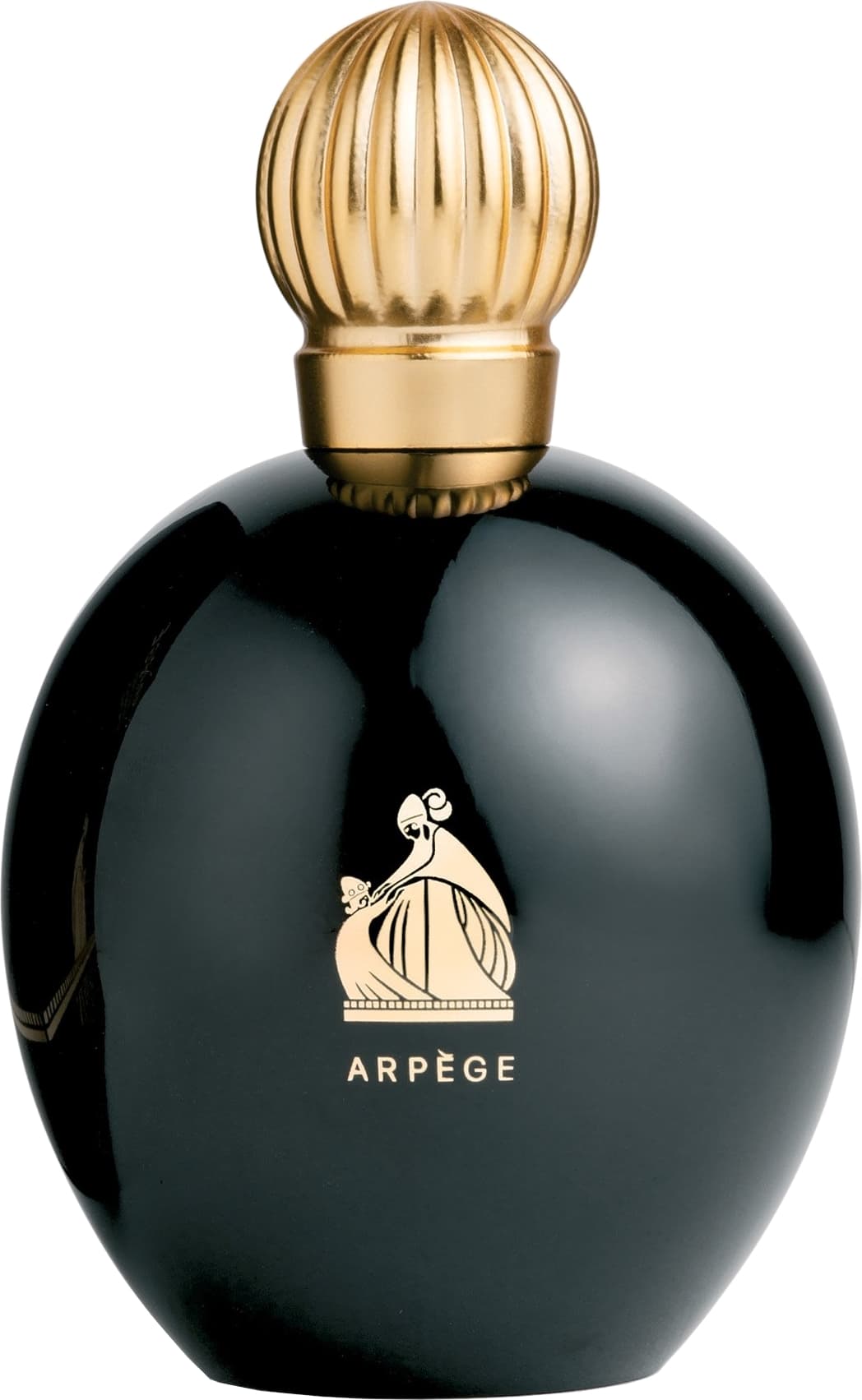
Lanvin’s Arpège is also among the fragrances in which the aldehydic facet is well highlighted. The creators crafted a powerful, enveloping fragrance with aldehyde, inspired by Chanel N°5. The fragrance is based on ambery vanilla and vetiver, giving creamy, warm sensations on skin and ensuring a long-lasting scent.
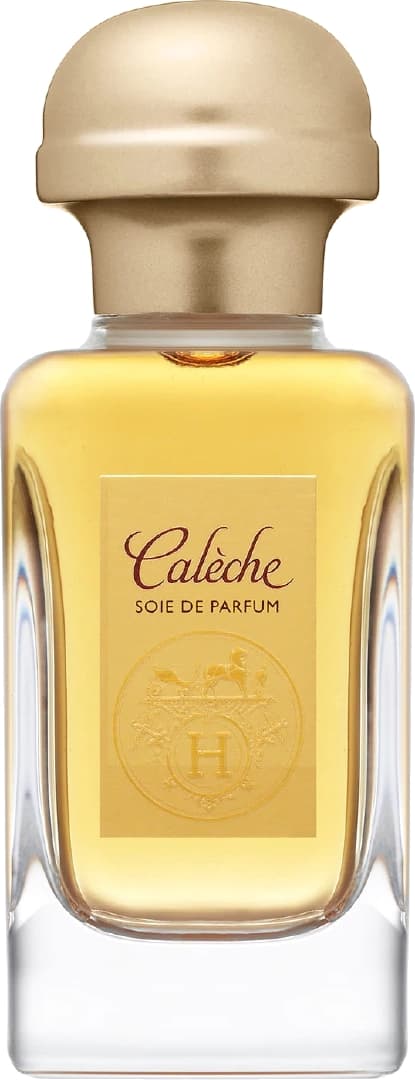
Hermès’s Calèche also contains aldehyde blended harmoniously with jasmine, iris and rose, with a citrus accord leading into a base of sandalwood, chypre, oakmoss and vetiver. The aldehyde’s odor is not overpowering alongside the perfume’s other components. Although the fragrance is aldehydic, it remains homogeneous and linear.
“Aldehydic” as a secondary family
Floral Floral
 Floral
 Floral
 Floral
 Floral
 Floral
 Chypre
 Floral
 Floral
 Floral
 Floral