
 Aromatic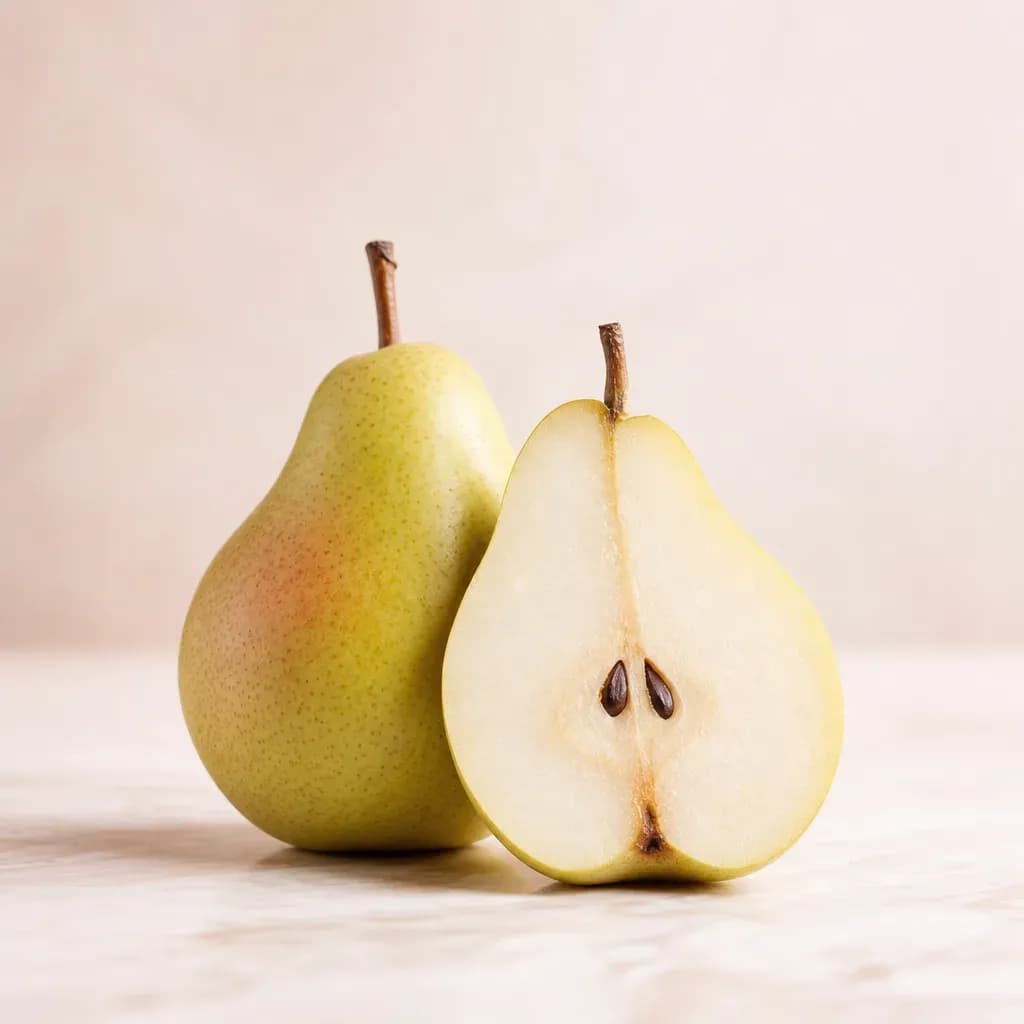
Pear
Many perfumes today contain particularly appetizing scents. Indeed, this enthusiasm for gourmand perfumes emerged in 1992 with Angel by Thierry Mugler. Also, if women are now won over by essences resembling sweets, they also appreciate fruity and juicy scents, simply brimming with sunshine and vitamins. Focus on pear, one of the star fruits in the perfumery aisle.
The origins of pear
Pear is the fruit of the pear tree, a tree belonging to the rosaceae family. It originates from Asia Minor and pear is a fruit that grows rather in temperate altitudes. This edible pome fruit has a soft and sweet taste and is very widespread. Nowadays, there are more than 2000 varieties and the leading producing country is China. In France, pear is the fifth most consumed fruit. Characteristically oblong in shape and rounded at its base, pear is generally green, yellow or red in color. Nevertheless, the old Worcester pear variety was black. Incidentally, the English county of Worcestershire has featured three black pears on its official flag since April 2013. The 2000 varieties of this fruit encompass different uses, some of them being eating pears, meant to be eaten raw, others being pears for cooking or fermenting. Moreover, it is possible to find it in every season. Beyond its taste, pear is also a fruit widely used in everyday language and serves multiple expressions: taking someone for a fool, keeping something for a rainy day, forcing someone to swallow bitter pills, a soft touch, a gullible person, splitting the difference… But then, what about in perfumery?
Pear in perfumery
Nevertheless, despite its many assets, pear is far from being an easy raw material to use in perfumery. Indeed, most fruity notes are particularly complicated to extract. Furthermore, it is not possible to obtain pear essential oil naturally, so its scent is reproduced in the laboratory. To do this, perfumers use a group of molecules called esters or acetates. For example, hexyl acetate smells like pear while allyl acetoacetate smells like apple. The scent obtained is particularly used in fine perfumery and suits masculine as well as feminine creations equally well.
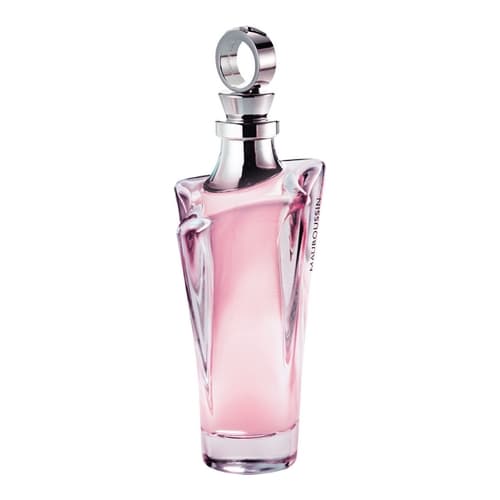
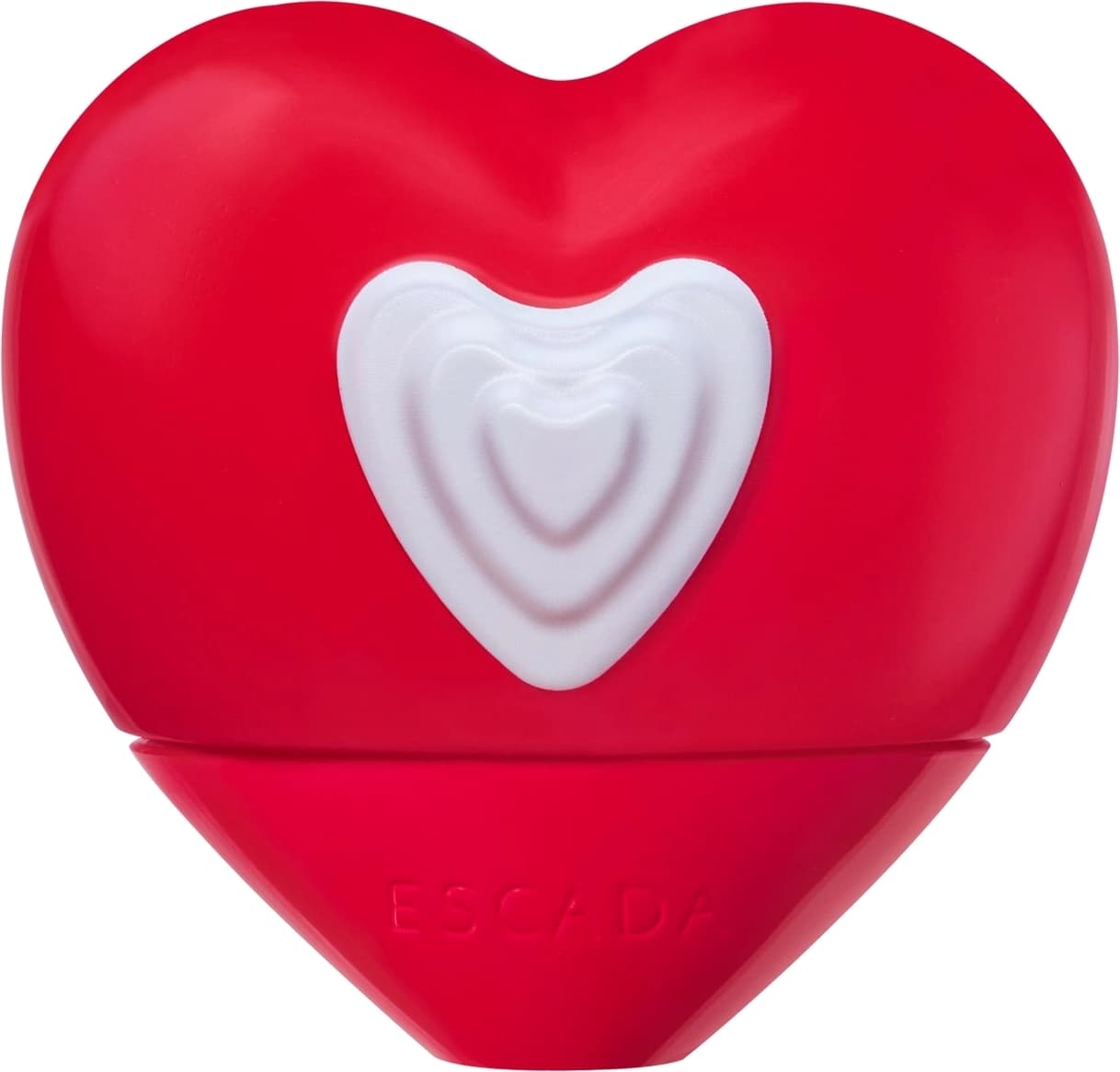
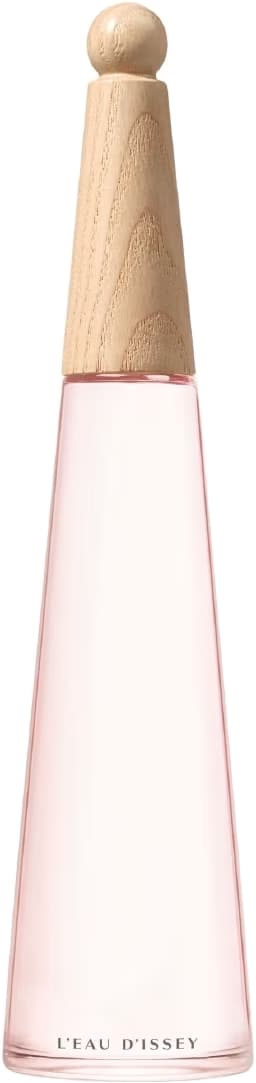
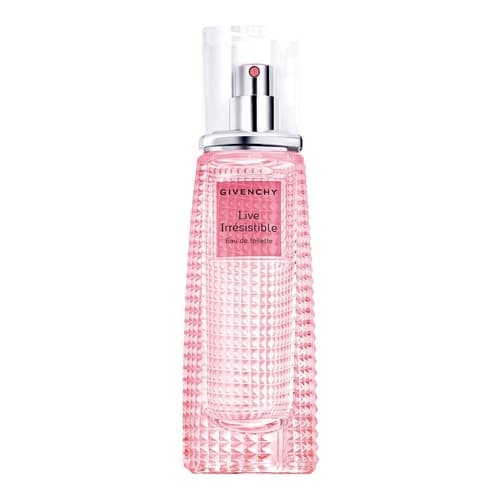
Many perfumes today contain the scent of pear. Thus, Burberry Brit by Burberry, Armani Code Woman by Giorgio Armani, Hugo Deep Red by Hugo Boss or Petite Chérie by Annick Goutal can only make you swoon with their particularly fruity scent.
Identity card
- Latin name : Pyrus communis
- Origin : Artificielle
- Type : Reproduction
Perfumes with the Pear note
Aromatic Woody
Woody Floral
 Floral
 Citrus
 Floral
 Floral
 Floral
 Floral
 Floral
 Floral
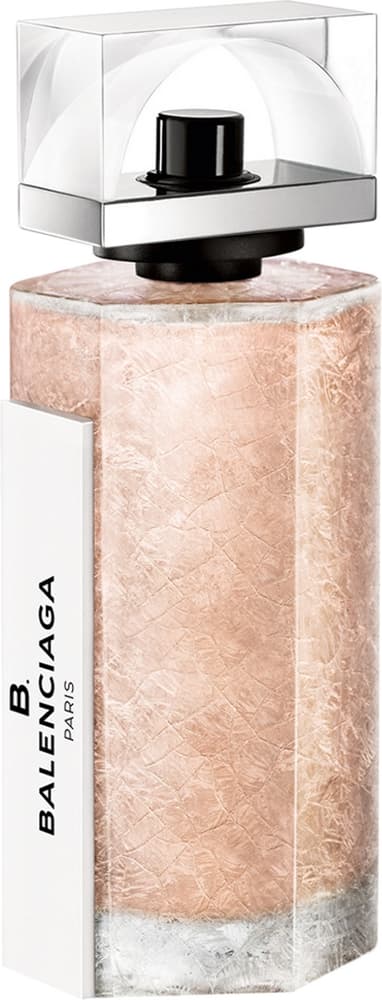 Woody
Woody