 Oriental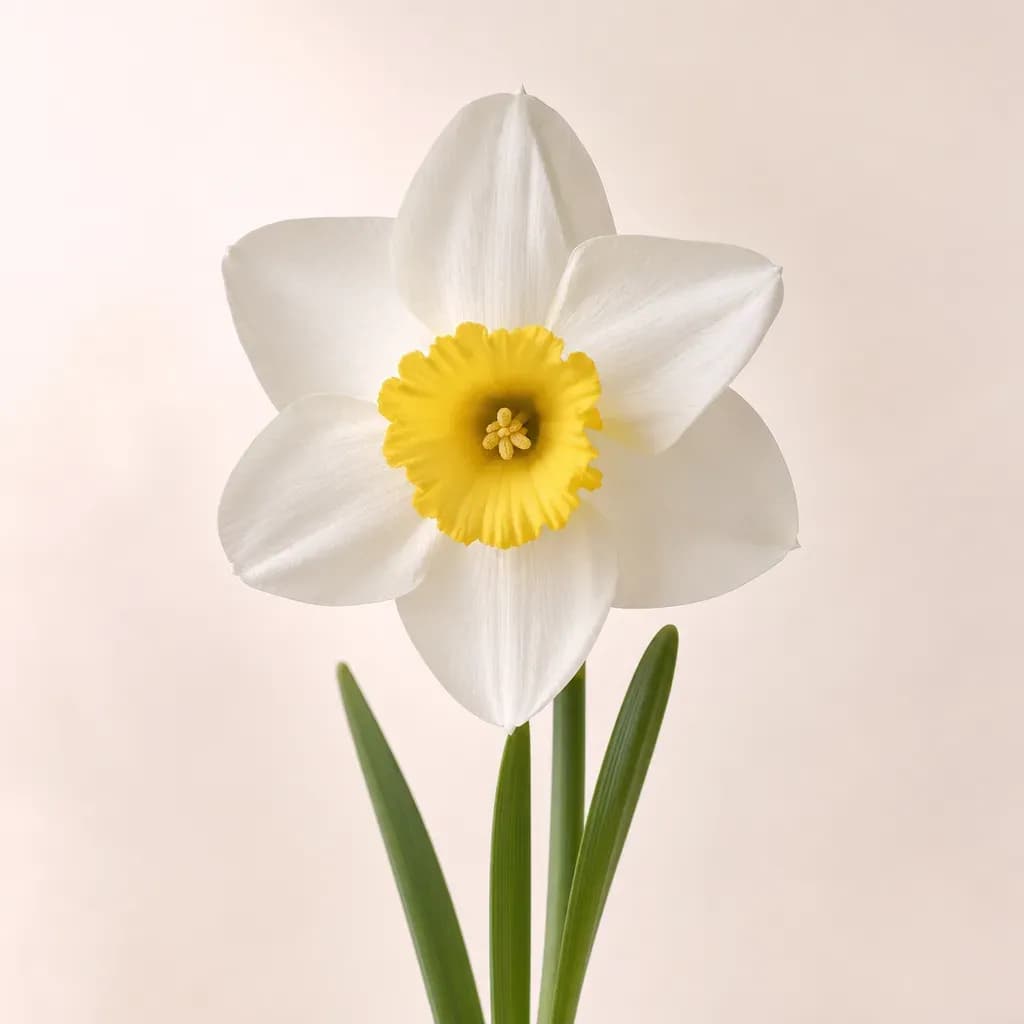
Narcissus
There are numerous raw materials used to create perfumes. While rose and jasmine are well known, narcissus is less familiar. Its splendor is nevertheless used in the making of prestigious perfumes. As a bit of background, in Greek mythology, Narcissus, a beautiful young man whom the Gods condemned to never look at his own reflection, rejected the Nymph Echo, who was in love with him. The young woman faded away until only her voice remained audible. She then asked the gods to punish Narcissus. The Gods, equally angered, inflicted on Narcissus the punishment of falling in love with his own reflection. He remained transfixed, facing the clear water in which he saw his reflection. Narcissus was transformed into the plant that would bear his name.
Origin and characteristics of Narcissus
Narcissus is a herbaceous perennial plant of the Amaryllidaceae family. According to the classic classification, narcissus belongs to the Liliaceae. Narcissus is toxic to dogs, which generally consume the narcissus flower or the water in which the bulb or flower has been soaked. The most toxic parts are narcissus bulbs, 15 g is enough to kill a dog. They contain alkaloids that present an acute toxicity. As for rodents, they manage to detect the toxicity of narcissi and stay away from them. This is why gardeners grow narcissi around plants to protect them from rodents.
After extraction of narcissus flowers using volatile solvents and a wash with alcohol, narcissus absolute is obtained. It is used to create prestigious chypre and floral perfumes. Narcissus absolute produces a green, floral, animalic and fatty note.
Narcissi are mainly produced in Auvergne, then in Egypt and Morocco.
Perfumes based on Narcissus
Eau de narcisse bleu by Hermès, according to its creator Jean-Claude Ellena, was designed with complete freedom in order to express the tactile aspect of narcissus. With its facets of galbanum and orange blossom, Eau de narcisse bleu is extremely fresh. The blend of the density of narcissus and the delicate woody note is highly appreciated. Created in 2013, Eau de narcisse bleu gives a sensation of cleanliness while overflowing with sensuality.
Released in 1984, the feminine perfume Ysatis by Givenchy includes a narcissus note in its composition. Belonging to the floral olfactory family, it has top notes of galbanum, coconut, mandarin and rosewood. In the heart notes, it contains narcissus, carnation, tuberose and jasmine. In the base notes, this perfume includes sandalwood, civet, patchouli and castoreum. It is sensual and opulent.
The fragrance Magie Noire by Lancôme also contains narcissus. Launched in 1978 and created by Gérard Goupy, this perfume of the oriental olfactory family is composed of top notes of blackcurrant bud, Bulgarian rose, raspberry, bergamot, hyacinth and ferula gummosa. Narcissus is part of its heart notes along with ylang-ylang, honey, cedar, iris, tuberose and jasmine. In the base notes, there is musk, sandalwood, spices, civet, patchouli, myrrh, amber, incense and vetiver. Cascarilla bark, a Caribbean tree, adds spice and seems to purify the scent of narcissus in the perfume. This vintage version is opulent and highly elegant.
Identity card
- Latin name : Narcissus Poeticus
- Origin : Plante
- Country : FR
- Part used : Fleurs
- Type : Naturel
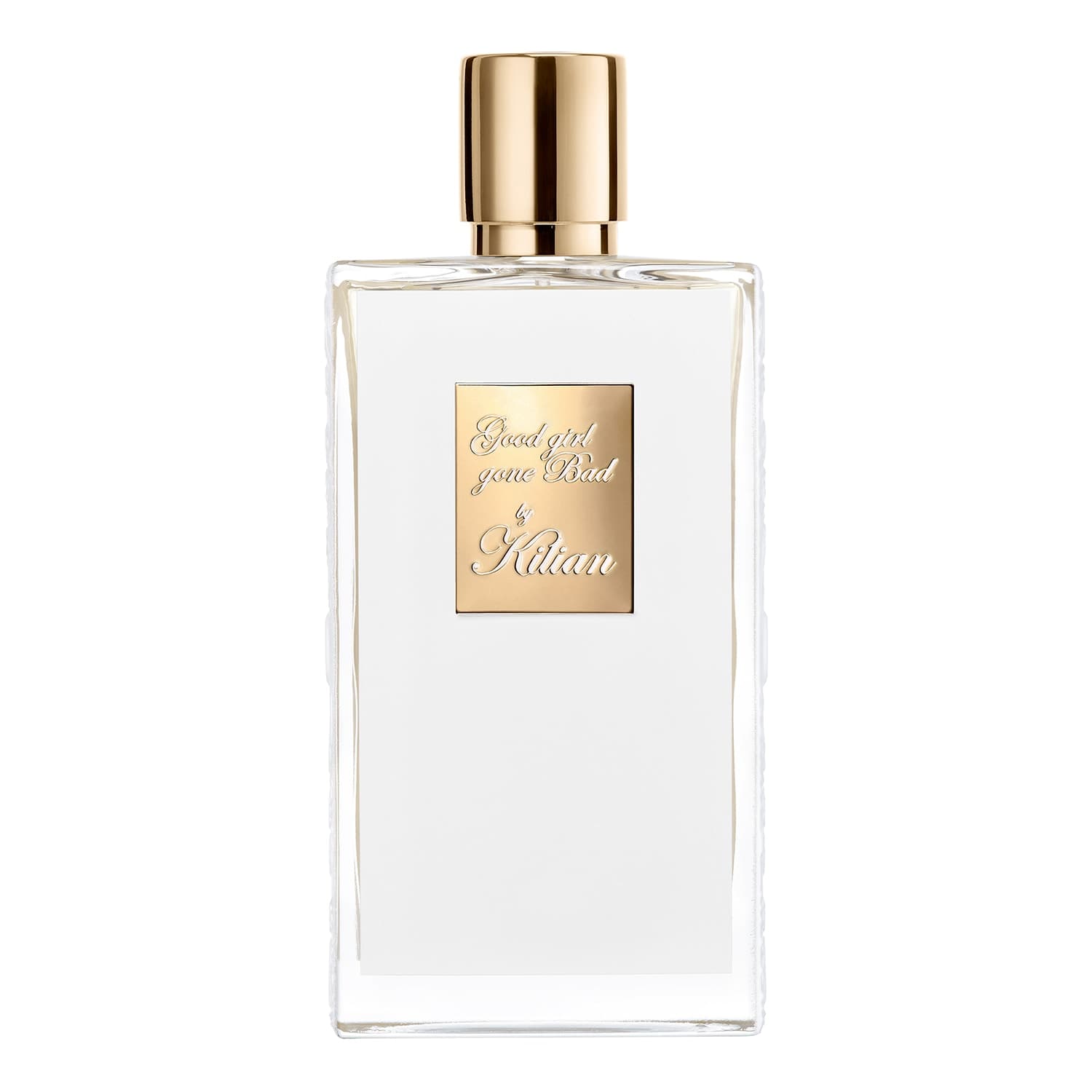
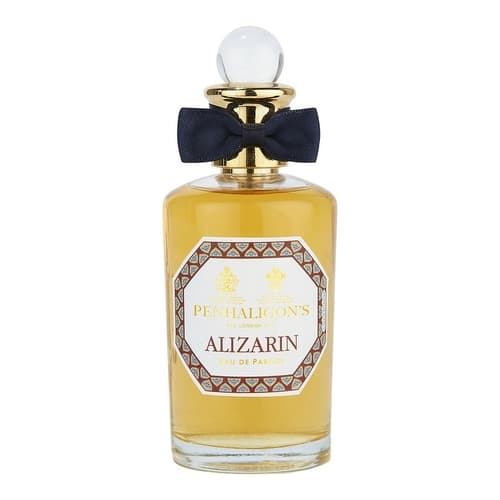
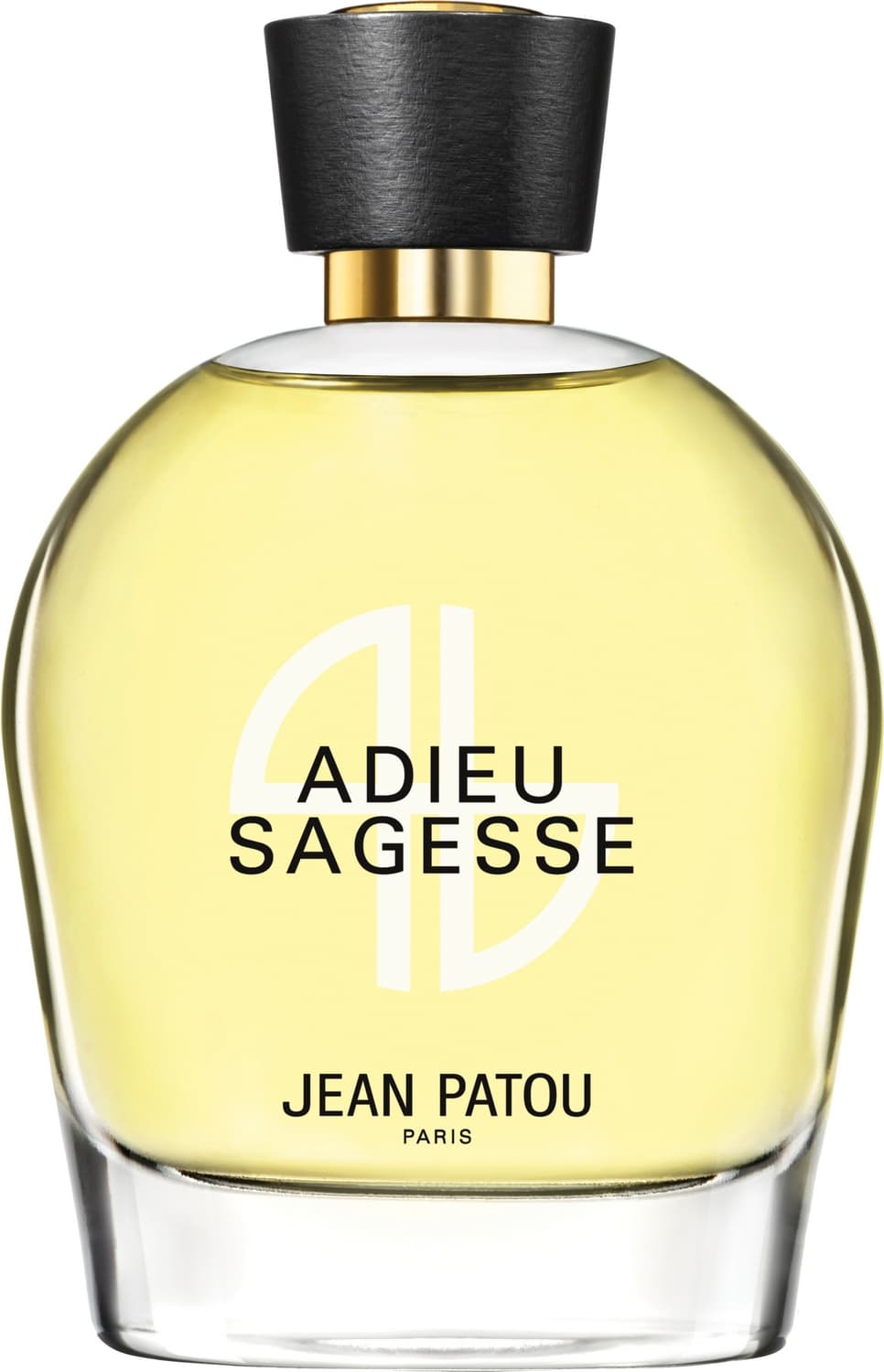
Perfumes with the Narcissus note
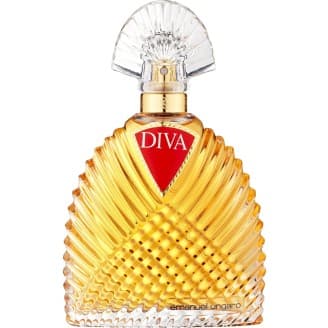
Oriental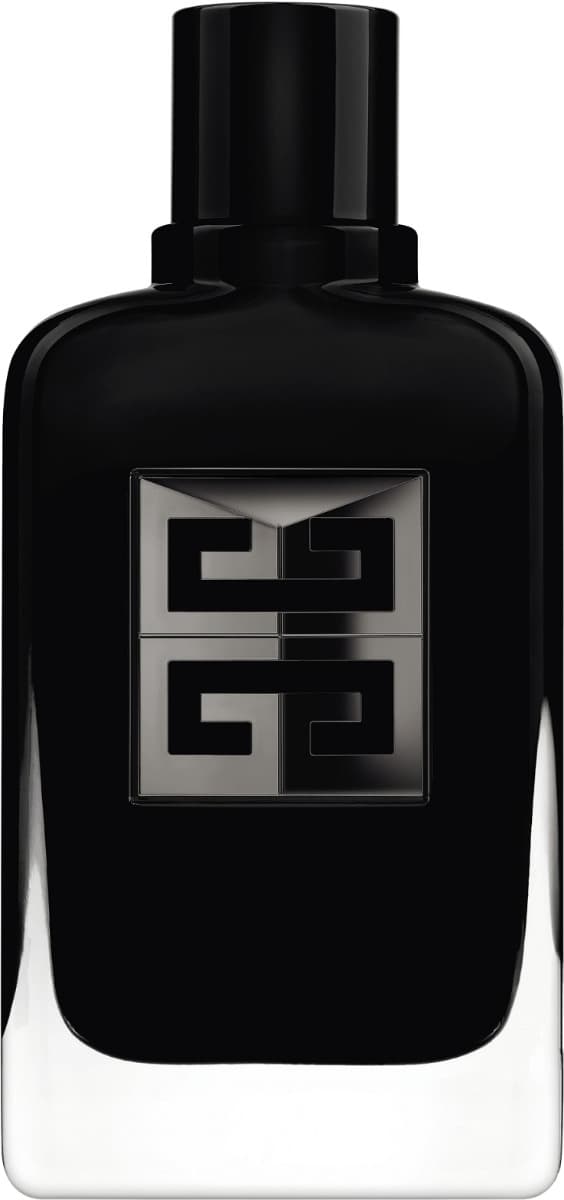 Woody
Woody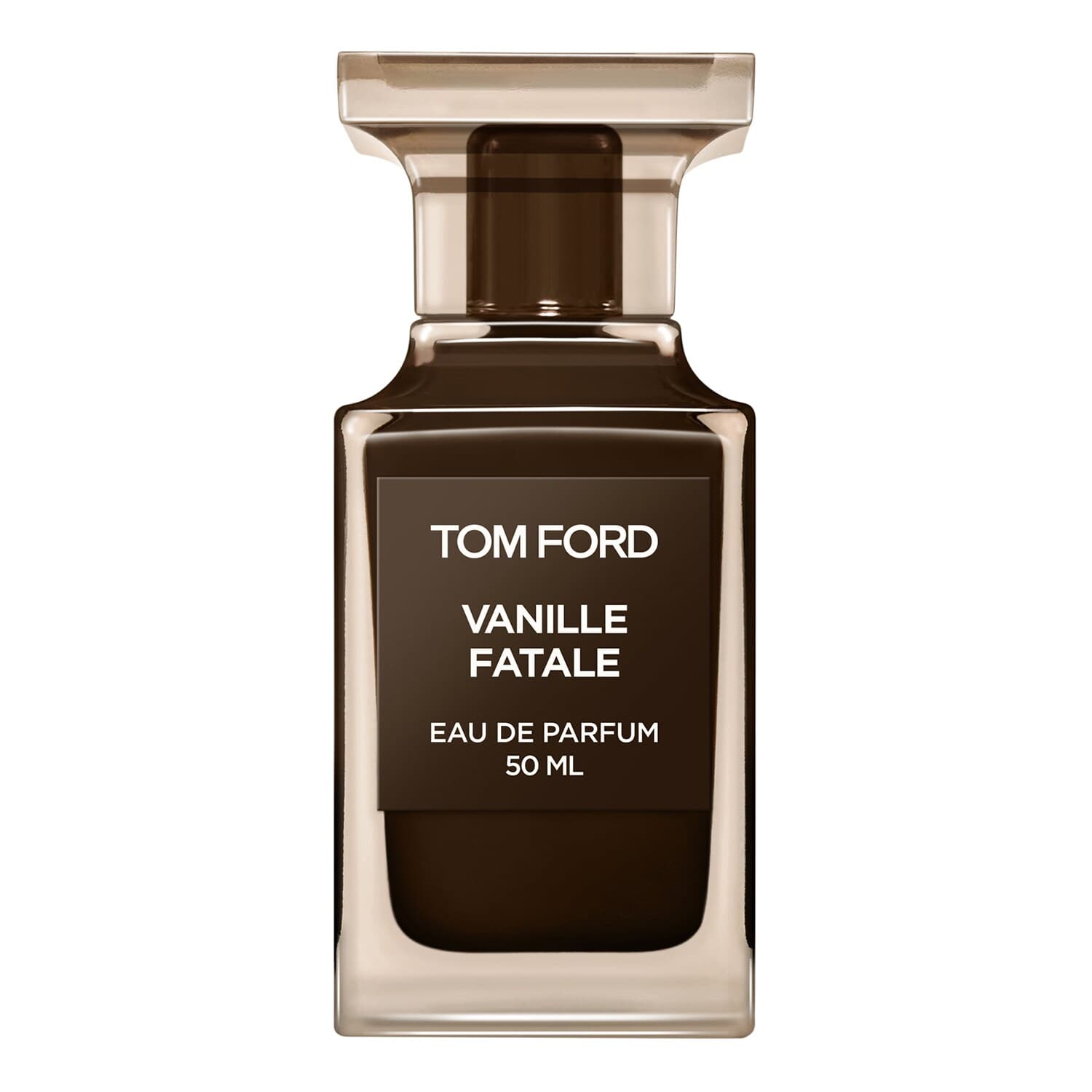 Oriental
 Floral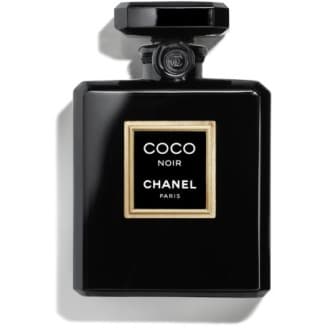
 Oriental
 Floral
 Floral
 Chypre