
 Floral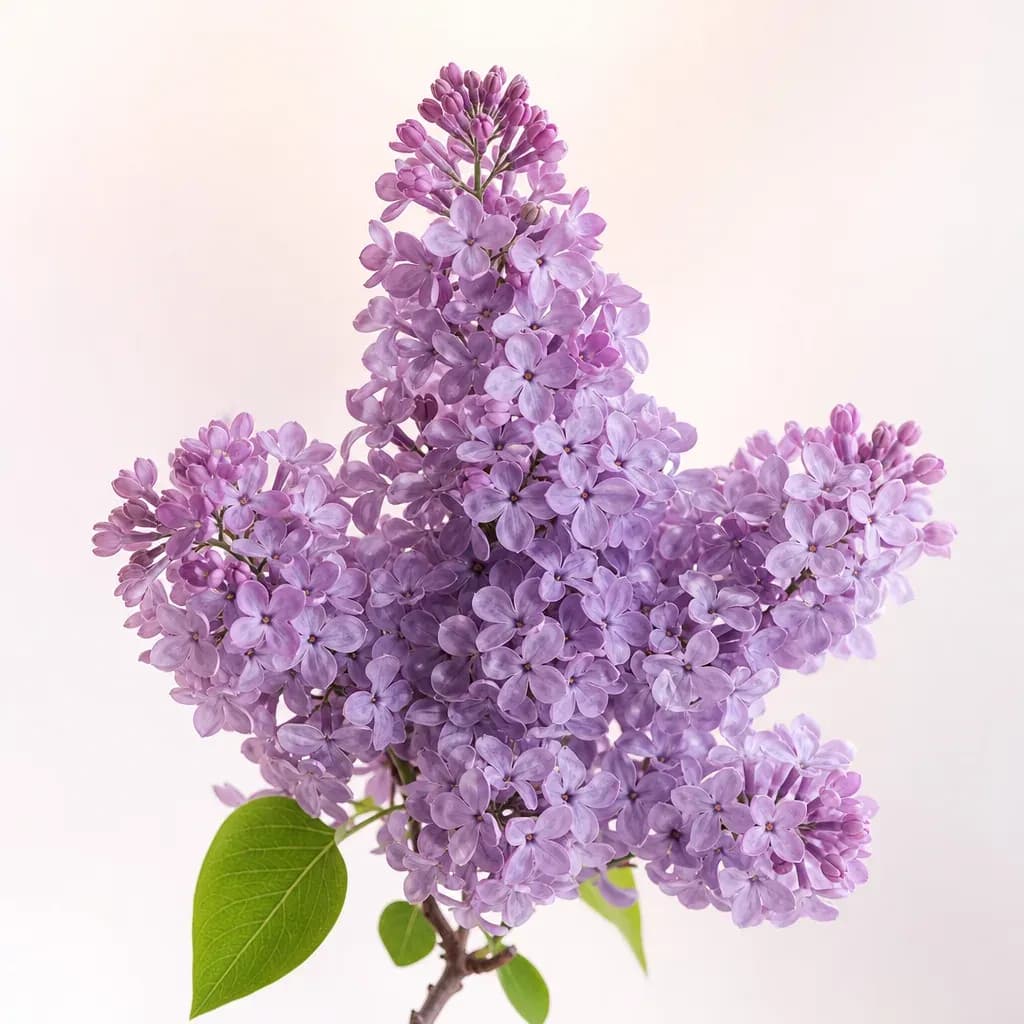
Lilac
A source of inspiration for many artists, an iconic revolutionary first name, a flower with an enchanting scent… Lilac is everywhere! As a result, many fragrances contain it. Moreover, it embodies spring combined with an undeniable dose of femininity and elegance.
The origin of lilac and its many symbols
Lilac is a shrub whose flower color can vary in shade: sometimes mauve, purple or white. Lilac includes several species, the best known of which is the French lilac. Its flowers grow in clusters and prefer mild, temperate regions. As a hardy tree, it is particularly resistant to disease. It does, however, need to be planted in rich, well-drained soil. Likewise, it greatly appreciates sunlight. Lilac is especially associated with the return of fine weather, as it blooms in spring. However, that is not its only symbol. Indeed, Lilas is also the name of a painting by Van Gogh. Likewise, many songs feature its name in their title or evoke it: Vive la Rose et le Lilas, covered by Guy Béart in 1960, Les lilas by Georges Brassens in 1957, Le poinçonneur des lilas by Serge Gainsbourg in 1958, Des jonquilles aux derniers lilas by Hugues Aufray in 1968, Le temps du lilas by Barbara, La vie lilas by Serge Lama… Likewise, it is this plant that gave its name to the Porte des Lilas in Paris, formerly Porte de Romainville. Finally, it should be noted that Lilas is a revolutionary first name found in the Republican calendar and that reappeared in 1938. It is celebrated shortly before the arrival of spring: on April 15.
Lilac in perfumery
In fragrance, lilac has a soft and delicate scent, at once floral, green and rosy. Its effluvia are also slightly anisic and powdery. Its scent alone is enough to evoke the arrival of fine weather. However, the scent of lilac cannot be extracted by perfumers through a distillation or extraction process. What is more, once its flower is cut, its fragrance changes and becomes even heavier. Thus, lilac is reproduced synthetically or through the head-space technique, a method developed in the 1970s aimed at reconstituting the natural scents of a flower as they exist in nature without damaging them. Lilac is a plant frequently used in floral compositions but rarely as a soliflore.
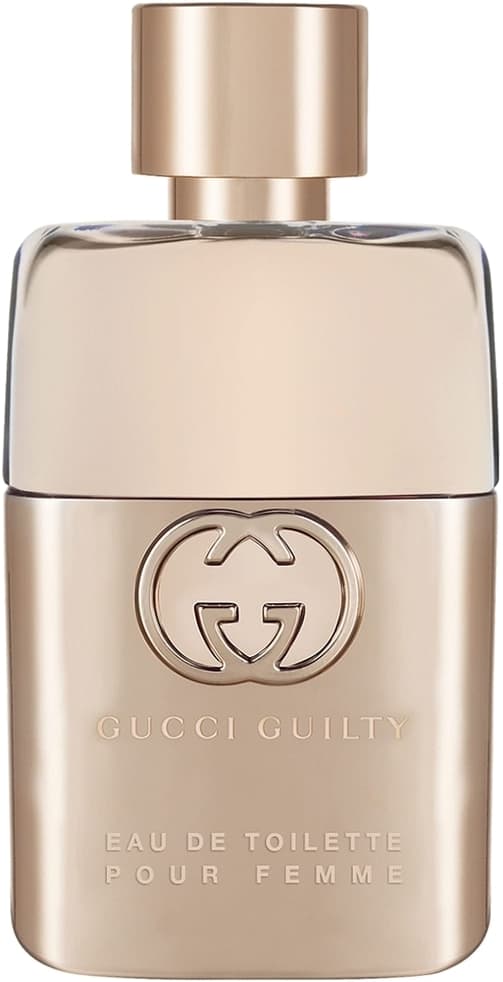
Thus, lilac appears in many feminine fragrances intended for the summer season. As such, it is present in Amour-Amour by Jean Patou, in Blue Charm by Azzaro, in Fleur d'Interdit by Givenchy or in Gucci Guilty by Gucci.
Identity card
- Latin name : Syringa vulgaris
- Origin : Artificielle
- Type : Reproduction
Perfumes with the Lilac note
Floral Floral
 Floral
 Floral
 Oriental
 Floral
 Floral
 Oriental
 Floral
 Floral
 Floral