
 Woody
Woody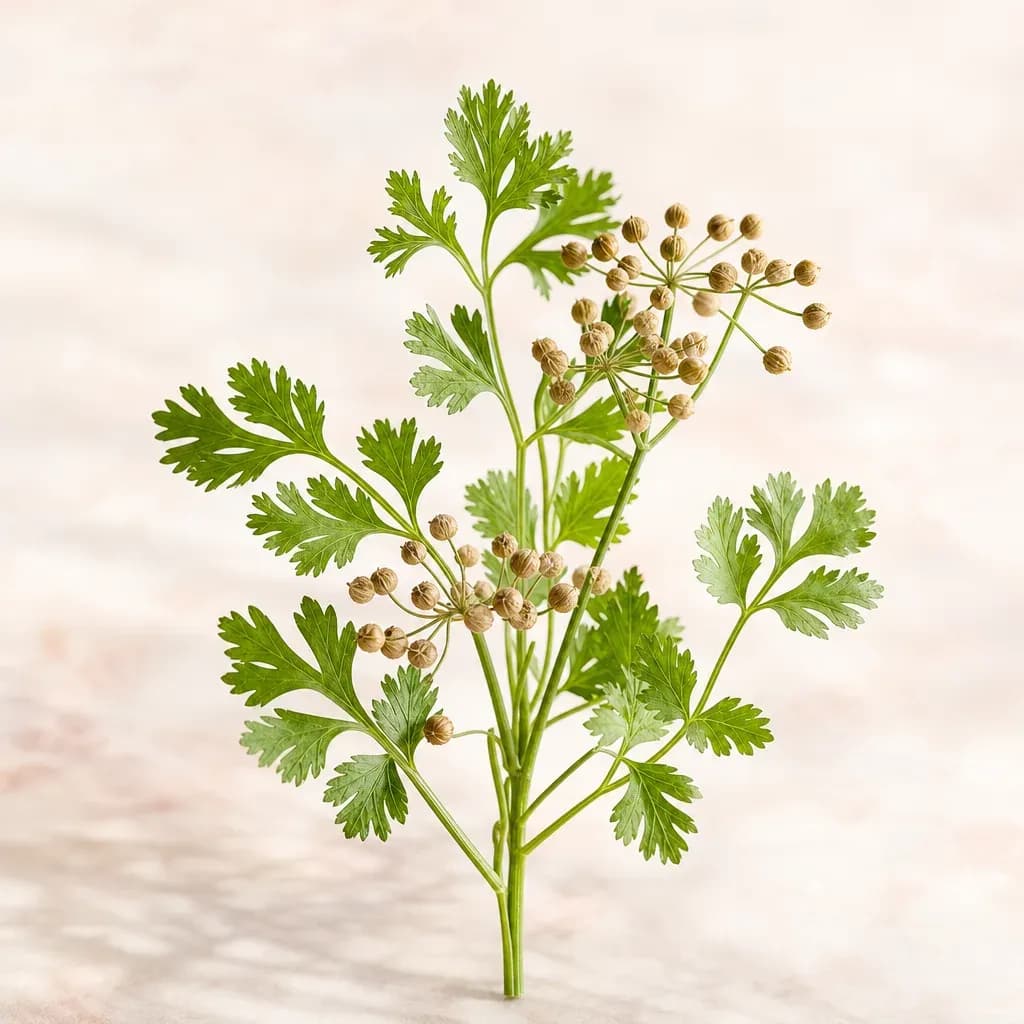
Coriander
A delicately orange-tinged green aromatic note Coriander, this small aromatic herb from our gardens, was highly valued by Roman and Greek civilizations. Beyond its medicinal and culinary properties, coriander has a fresh, slightly tangy, even anise-like scent that early on attracted the attention of the great perfume creators. Today coriander is fully part of the olfactory family of masculine aromatic notes and still enters into the composition of great woody, chypre, oriental, or even feminine citrus perfumes. Coriander leaves are delicately tangy and fresh, whereas the seeds are more pungent. It thus appears as an aromatic herb for its leaves but as a spice for its seeds.
Coriander through the ages
This small umbelliferous aromatic herb originates from the Eastern Mediterranean. The Romans and Greeks used coriander to preserve their meat... Incidentally, coriander was even found in the tomb of the famous Egyptian Tutankhamun, which shows just how long this little aromatic has been known! Yet its use in cooking as in pharmacopoeia was not necessarily to everyone's taste, since its odor, to some, was reminiscent of that of the bedbug. This is in fact said to have given it its name, from the ancient Greek koris meaning bedbug!
Nevertheless, coriander leaves as well as seeds were used for centuries in various oriental culinary traditions. So much so that today 40% of coriander seed production is said to be used in the preparation of the famous Indian or Indonesian curries! As for the leaves, they are mainly used in the making of traditional Moroccan or Algerian dishes.
Quite logically, the perfume industry took a keen interest in this small plant, which can serve as the basis for creating multiple scents.
Coriander, an aromatic note in many masculine perfumes
Coriander belongs to the family of aromatic notes in the world of masculine perfume. Particularly appreciated by men for the fresh and lively notes it provides as a top note, coriander often appears in numerous perfumes described as sporty or “virile”. Thus masculine woody scents or fougères combine with great ease with the aromatic notes of coriander to produce fresh compositions with tonic, spicy undertones, such as certain fragrances from Thierry Mugler's “A*Men” range. However, as the aromatic olfactory family has been highly prized by men in recent years, many perfumers have developed coriander in citrus aromatic accords or in aquatic aromatic accords, such as Azzaro's “Chrome”.
Finally, when it comes to the coriander seed, the scents are spicier and therefore easily adaptable to masculine oriental perfumes. Tom Ford's “Tobacco Oud” is the perfect example of this new range, which combines the currently highly fashionable oud wood with coriander seed to highlight leathery and animalic fragrances.
Thus, it would seem that men have definitively adopted coriander for their favorite perfumes. However, let us not forget that in feminine fragrances, aromatic notes of coriander also have their place, although they are generally used differently. Aromatic chypres or feminine floral chypres are fond of using coriander to bring a fresh, tangy top note, as in “L'Eau d'Hermès”. Feminine orientals, on the other hand, blend coriander leaves and seeds to achieve intoxicating, richly spicy sillages, such as the famous “Coco” by Chanel.
Identity card
- Latin name : Coriandrum Sativum
- Origin : Isolé du naturel
- Country : RU
- Part used : Graines
- Type : Naturel
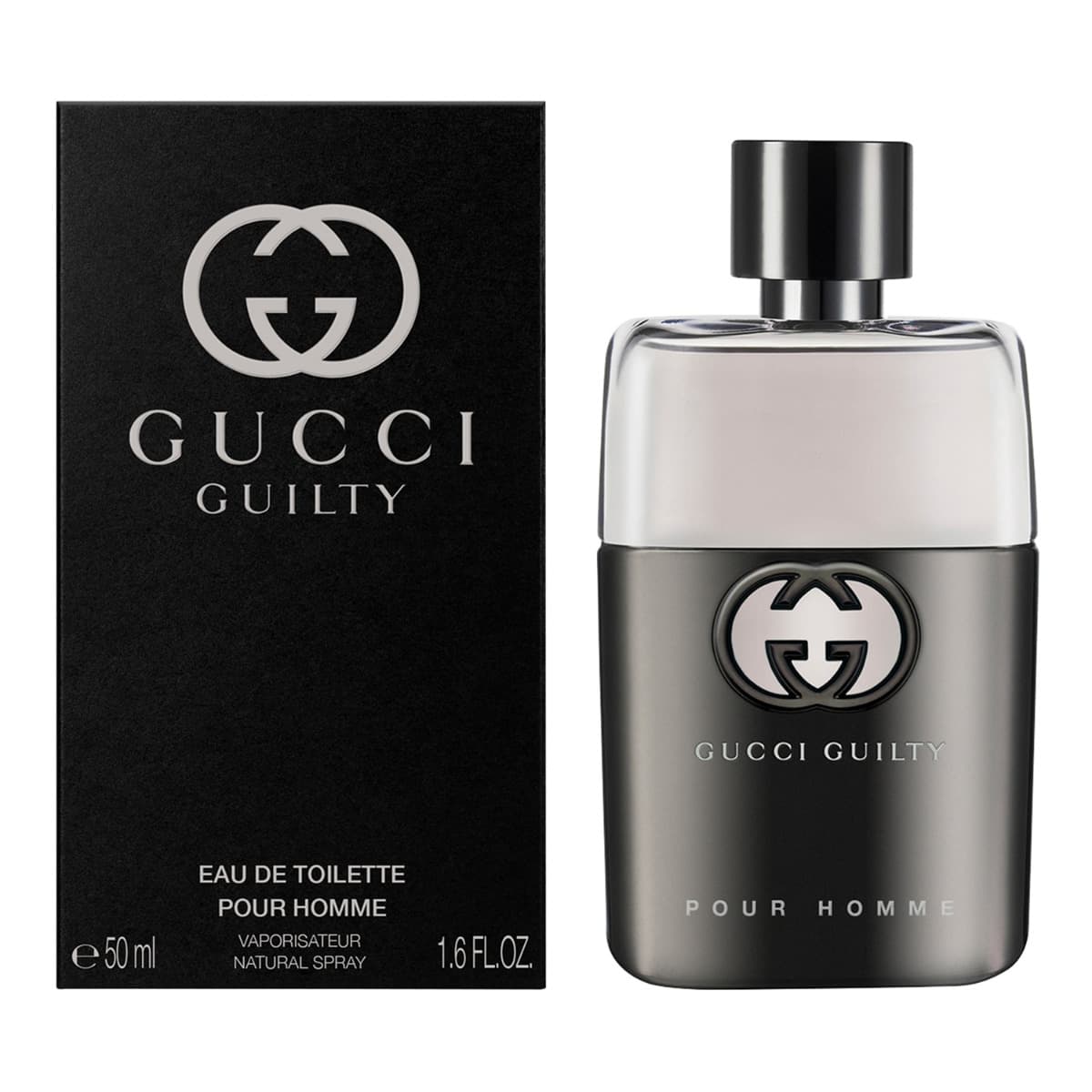
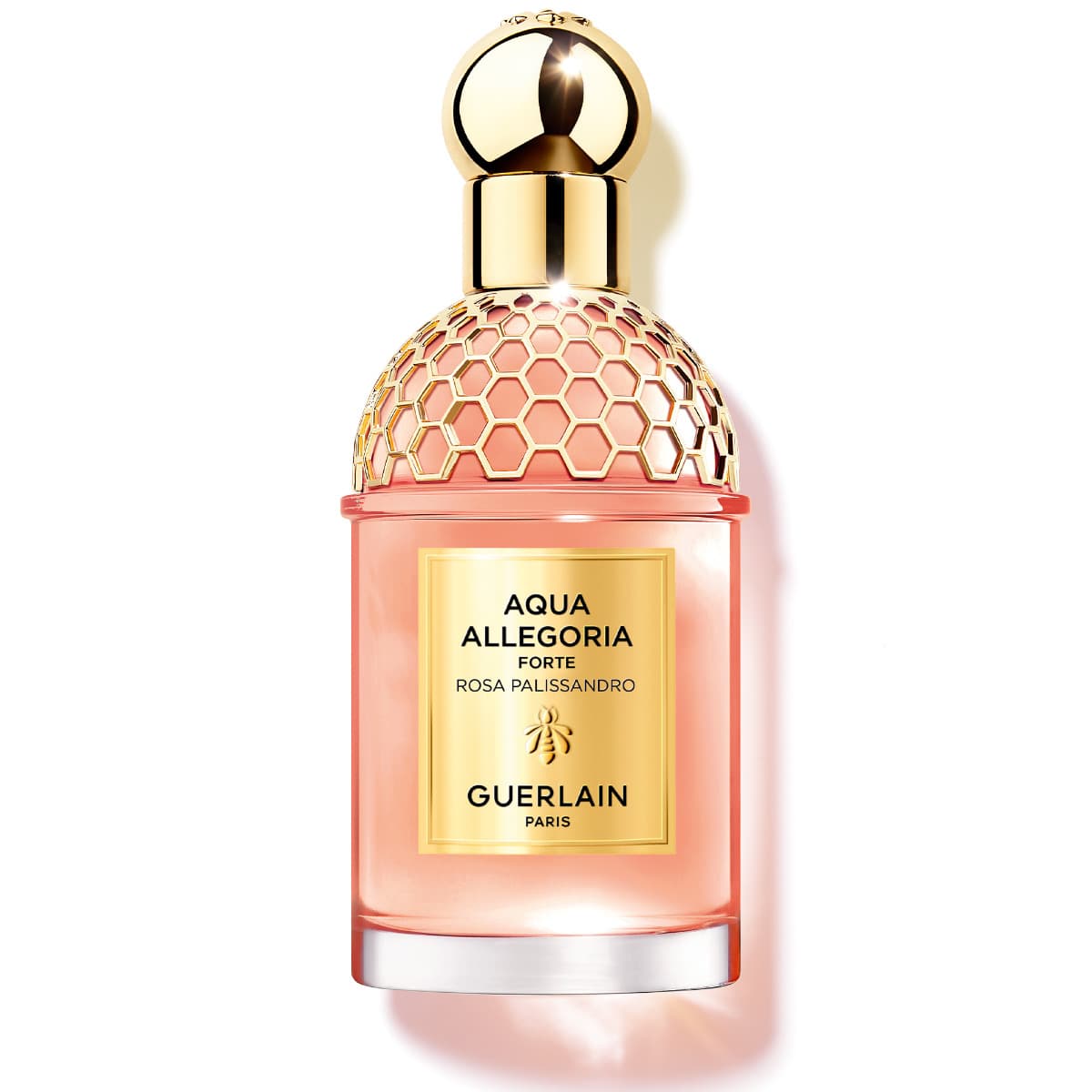
Perfumes with the Coriander note
Woody Aromatic
 Chypre
 Aromatic
 Floral
 Woody
Woody Woody
Woody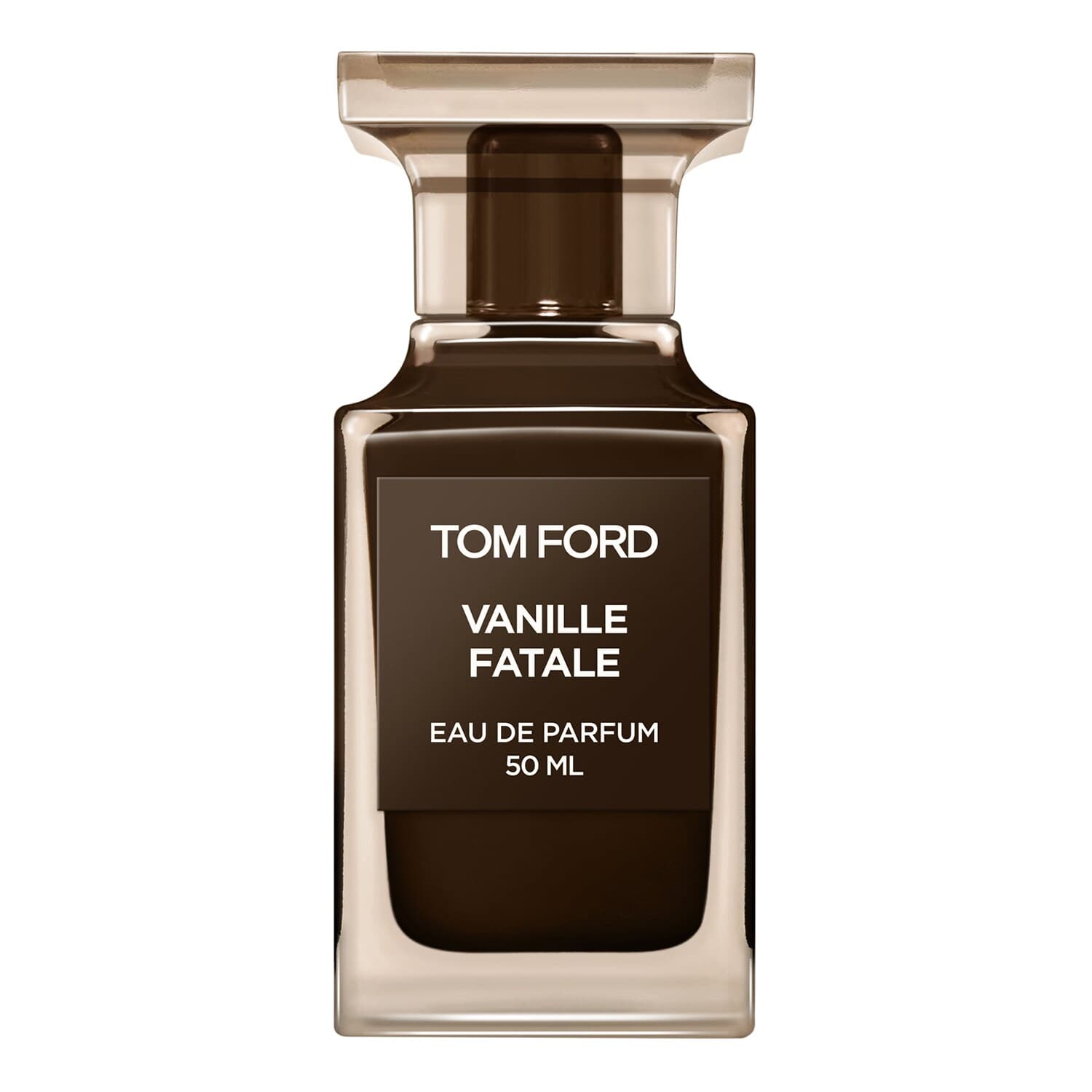 Oriental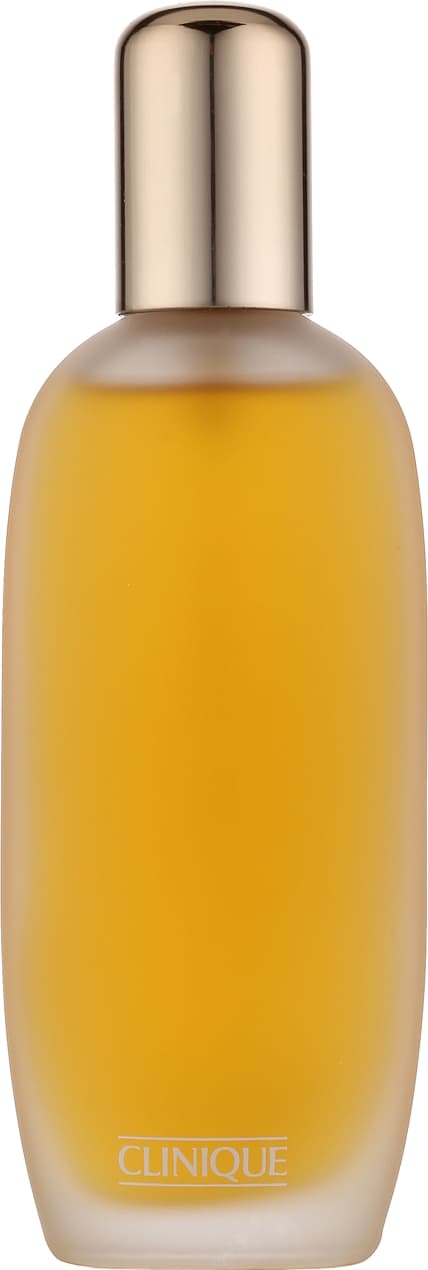
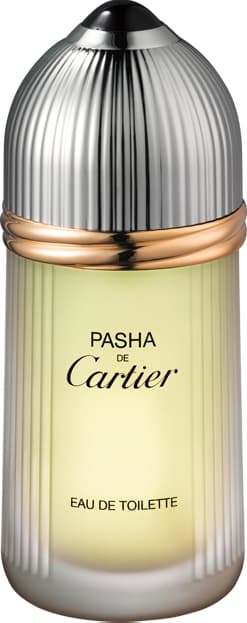
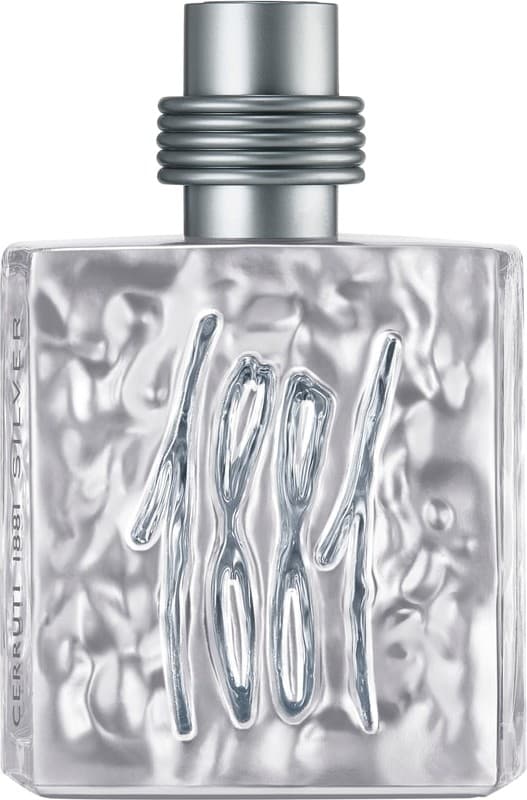 Aromatic
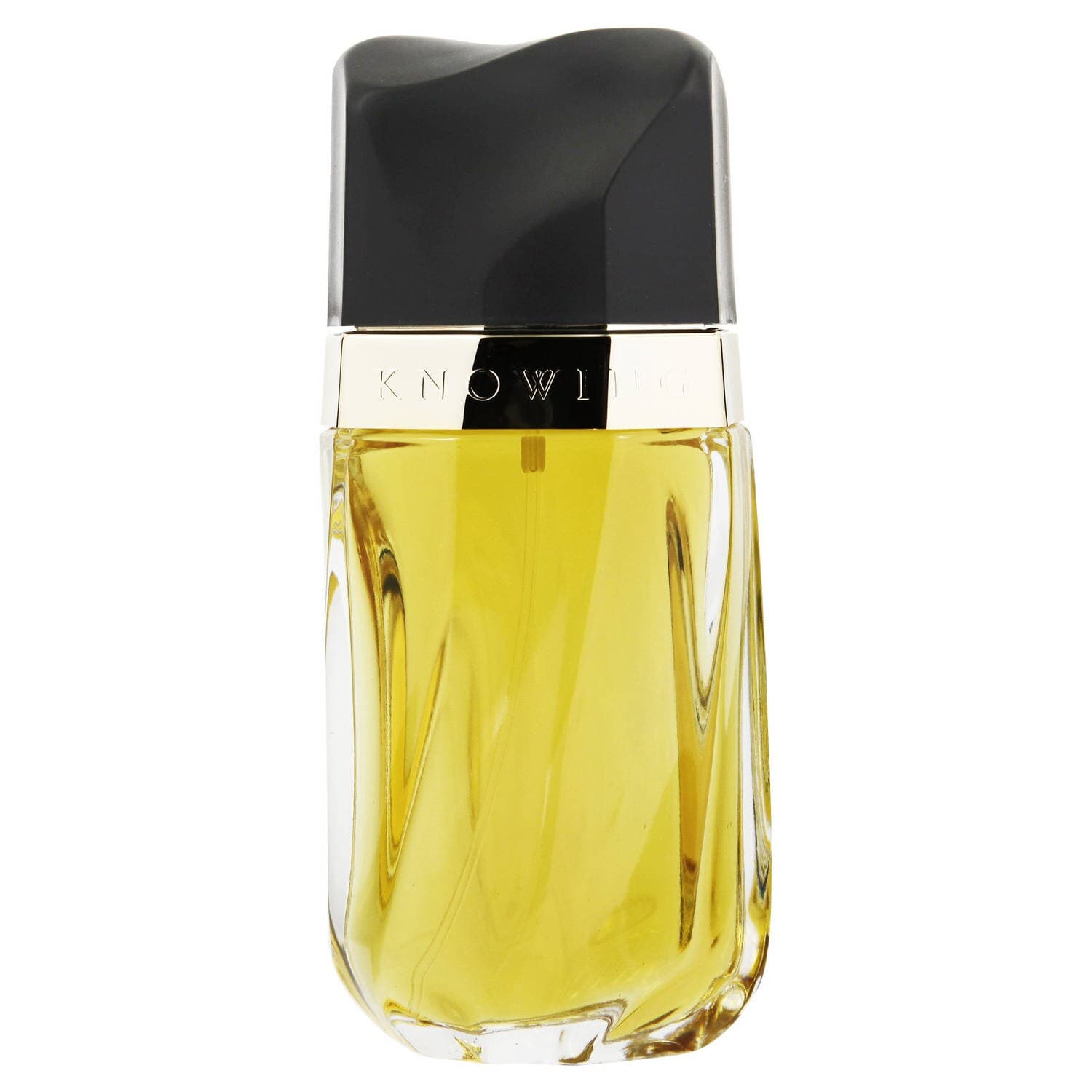 Chypre