
 Woody
Woody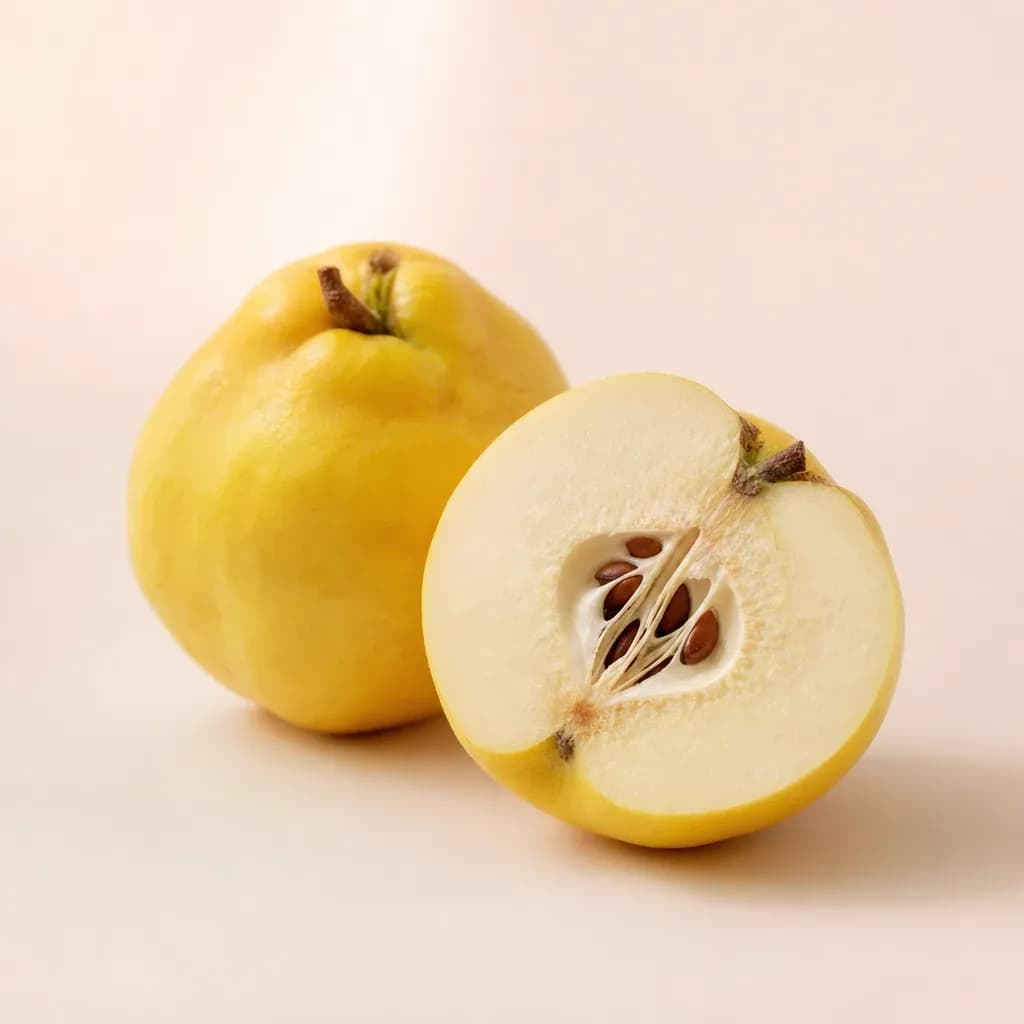
Quince
Quince: The apple's cousin in our fruity fragrances Quince is a lovely autumn fruit enjoyed alongside its cousins the apple and the pear. Called “Cydonia pear” or “golden apple,” quince has been prized since the dawn of time both for its delicately tart taste and its exquisite scent, which the Romans adored for their perfumes.
As perfume creators have for some years now been offering fruity and gourmand fragrances, they inevitably had to recreate a lovely quince note to offer it to their floral and fruity perfumes.
Quince and its delicate scent at the origin of such beautiful legends
Quince, the fruit of the quince tree, originates from the southern Caucasus. There are many varieties of quince trees, but the most prized are those from Crete, particularly from Cydon, hence the nickname “Cydonia pear.” For the Greeks, quince is the symbol of love, happiness and fertility; they even dedicated the fruit to the goddess Venus while decorating their temples with this lovely plump fruit.
Brought to Europe by the Romans, who ate it and made perfumes from its seeds, quince carried its sweet legend of fruitful happiness to our lands, where it was given as a wedding gift, since quince was a present meant to ensure fertility for the newlyweds1.
Its characteristic scent has also stood out throughout the ages, and at a time of return to tradition and to raw materials of natural origin, perfumery sought to reproduce this delicately tart and sweet quince note to enhance its fragrances with the lovely “love apple.”
The tart and sweet delights of quince in perfumery
The quince note, sweet and fruity, is of course strongly represented in the olfactory family of gourmand florals and fruity florals.
Very often used as a top note, quince plays with its velvety, subtle scent to open up the nose toward elegant fragrances resembling bouquets of flowers. One of the first perfumes to offer the lovely quince note is Love of Pink by Lacoste, released in 2009, which pairs it with citrus and passion fruit to create a juice that is both romantic and invigorating.
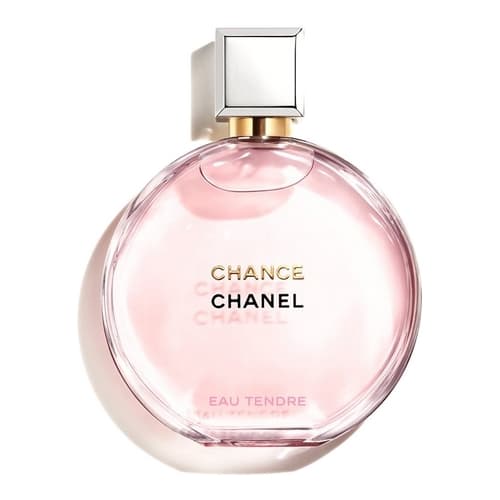
Then CHANCE Eau Tendre by Chanel in 2010 uses quince paired in the top notes with grapefruit to deliver a dizzying green, fruity and sharp opening that is also velvety, gently welcoming white flowers and an amber, woody base. That same year, quince can also be found in English Pear & Freesia by Jo Malone, where it is used in the floral fruity fragrance as a top note paired with rhubarb, to entice the palate with fresh, green notes.
Finally, the woody floral Vaara by Penhaligon's or My Burberry choose to use the quince note in the top, paired, in a novel touch, with spices or carrot seeds that clearly accentuate the “stewed” fruit side of quince.
Quince is therefore particularly used in floral and fruity fragrances, relatively original compared to others. It is true that the scent of quince, much like that of fig for example, evokes one and the same perfume but also beautiful memories… Being so closely tied to emotions, quince makes it possible to create, through unusual pairings, fresh and sparkling fragrances with the taste of childhood or memories of days gone by.
Identity card
- Latin name : Cydonia oblonga
- Type : Reproduction
Perfumes with the Quince note
Woody Woody
Woody Floral
 Floral
 Floral