
 Floral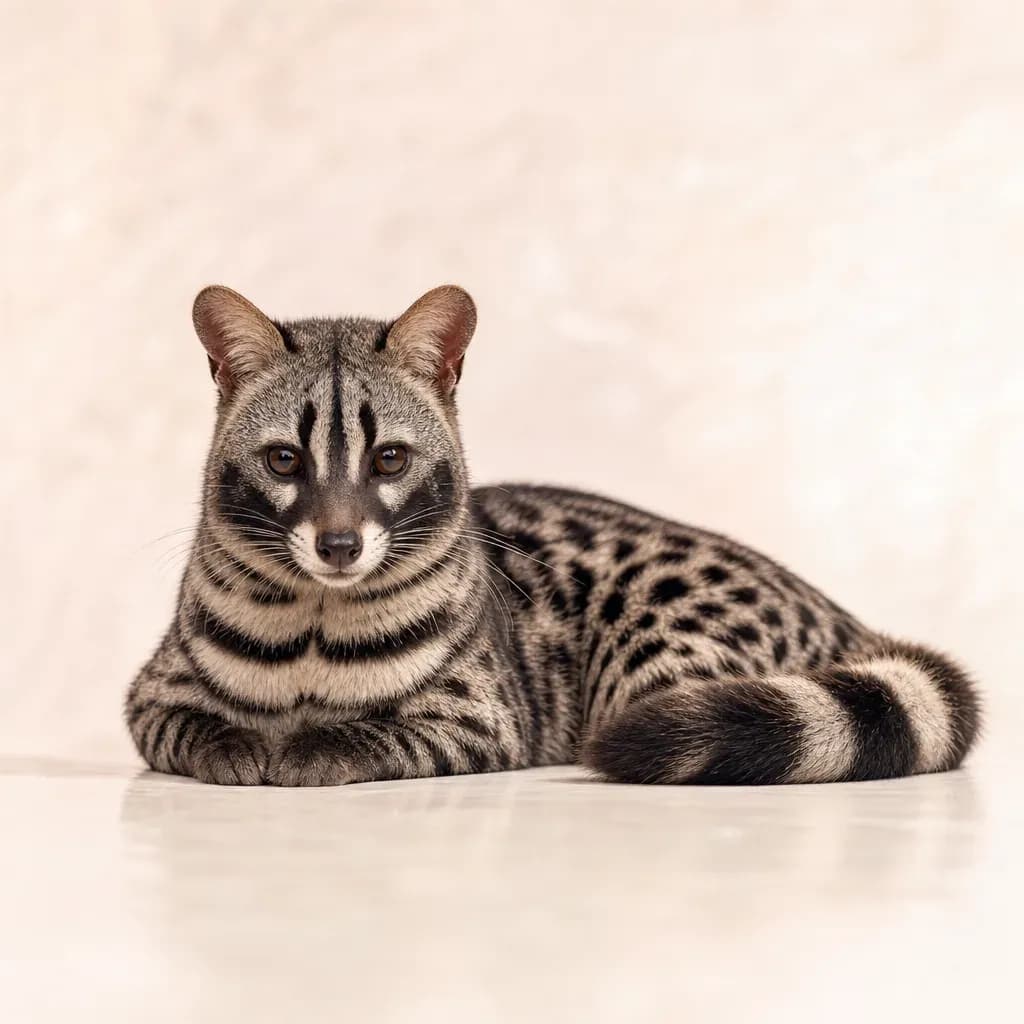
Civet
Civet is a carnivorous mammal with gray fur spotted with black. This animal is said to be a cross between a fox and an Abyssinian cat that existed only in the city of Abyssinia in Ethiopia. 2000 years ago, civets were captured and bred in captivity. They underwent curettage, often painful, in order to extract a substance secreted by a pouch located beneath the animal's genital glands... Today, this method is banned and civet is reproduced solely through synthetic means, offering a scent extremely faithful to the original.
Civet, tenacious notes
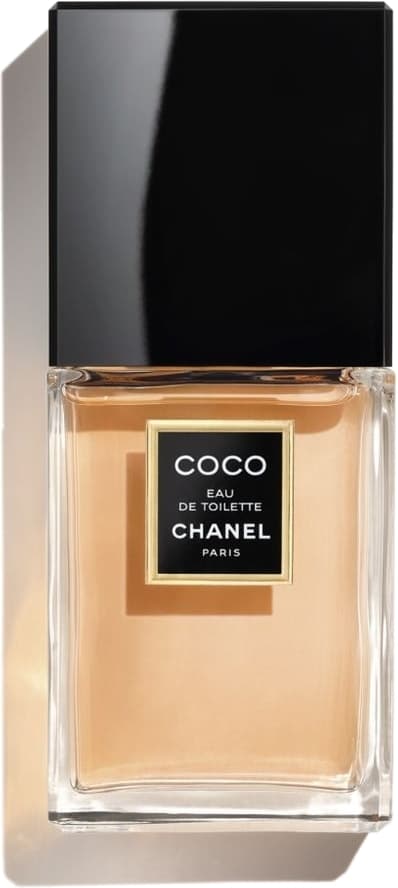
Many perfumers today make use of civet. First of all, civet has extremely fixative properties. It is also used for its tenacity and the memory it evokes. This is why it is often used as a base note. Civet's notes are strong, heavy, fecal, very animalic. It is often said that it smells like a wild beast... Civet fortunately loses its aggressive character upon dilution. Civet can then bring a warm and sensual aspect to compositions. As in the very charismatic fragrance Coco Chanel by Chanel, an oriental fragrance for women. Here, civet is found as a base note, accompanied by vanilla, sandalwood and amber. With fruity and floral notes, Chanel created a world of amber and spices within an idealized Western setting... A very affectionate tribute to Gabrielle Chanel, which has stood the test of time with success.
Can civet be combined with other olfactory fragrances?
Due to its excellent fixative power, civet can be combined with all other olfactory families. Aside from oriental fragrances, civet is identified in combination with floral notes, as in Diorissimo by Dior, created in 1956. Civet as a base note is paired with heart notes such as jasmine, lily, amaryllis and lily of the valley, Christian Dior's lucky charm. The result is perfect, thoroughly floral with a woody base. Civet is often found in floral fragrances such as Jardins de Bagatelle by Guerlain, Fleur de Fleurs by Nina Ricci or First by Van Cleef & Arpels. Civet can also be discovered in woody fragrances for men, such as Lanvin Homme by Lanvin. Or in a fragrance with citrus notes, as in Monsieur de Givenchy by Givenchy... A discreetly sensual fragrance for men.
Civet is, at its origin, a scent taken from the animal of the same name. The scandal caused by the possible conditions under which the animal was captured frightened perfumers, who somewhat abandoned it. Today, civet is essentially reproduced using synthetic materials. It gives off extremely strong animalic fragrances. Used judiciously, civet offers compositions sensual, even carnal notes. It is therefore mainly found in oriental fragrances, but it can be harmoniously combined with floral, woody, chypre or citrus notes.
Identity card
- Latin name : Viverra Civetta
- Origin : Civette
- Country : ET
- Part used : Glandes anales
- Type : Naturel
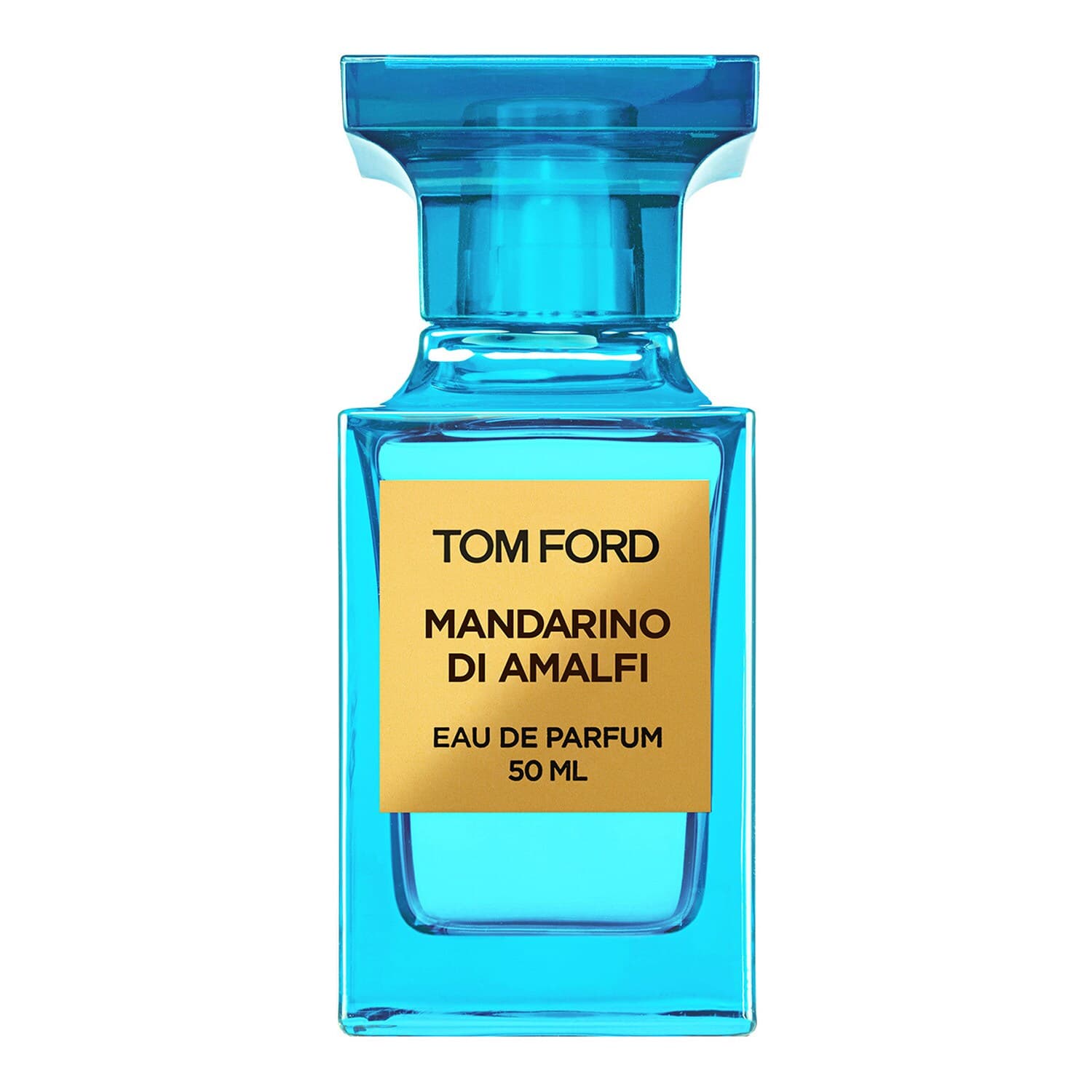
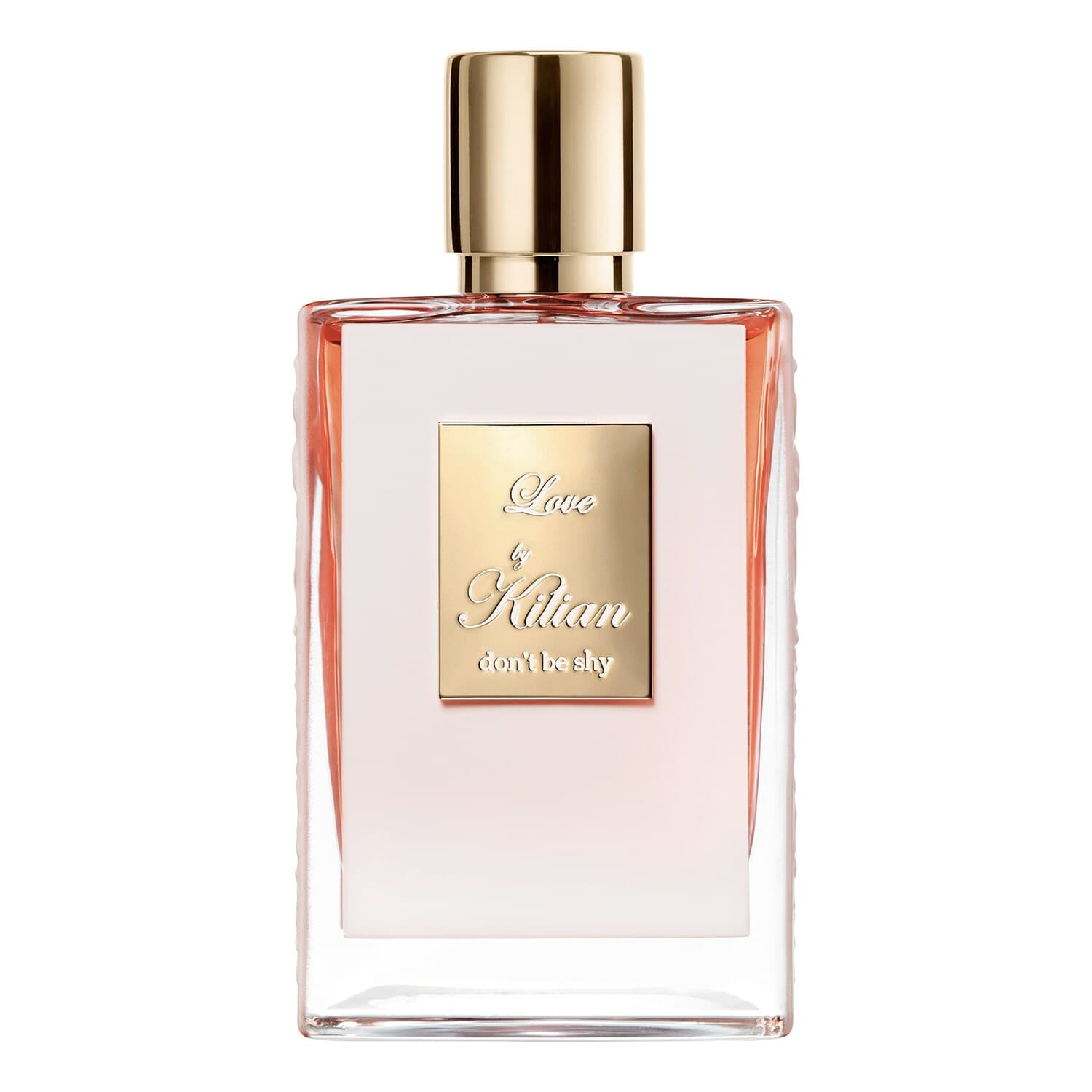
Perfumes with the Civet note
Floral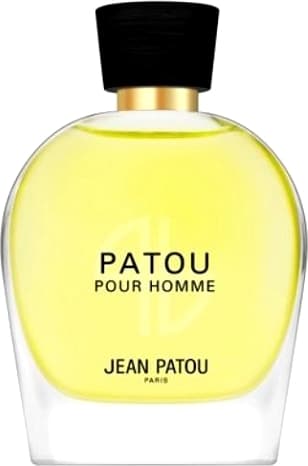 Oriental
 Citrus
 Oriental
 Floral
 Chypre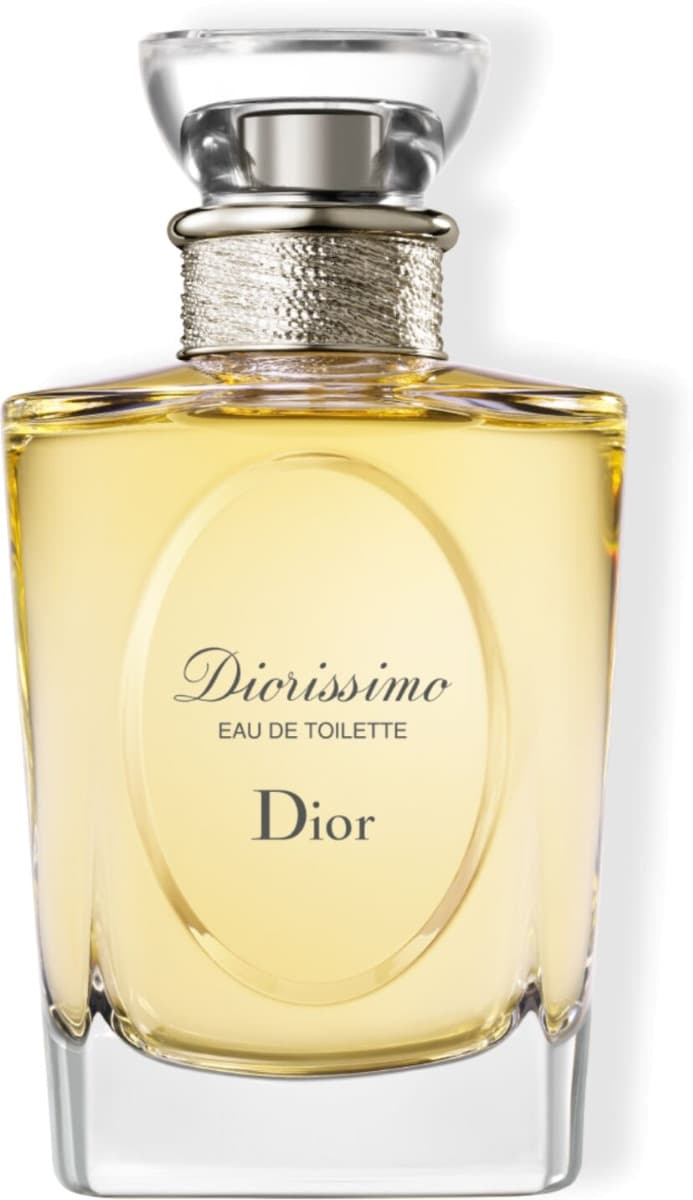
 Oriental
 Floral
 Chypre
 Floral