

Almond
Almond: Gourmand sweetness in our perfumes<br>Almond, the fruit of the almond tree, cannot, like many fruity raw materials, be directly incorporated into our perfumes to create the pretty powdery and gourmand note we have known so well for several decades.
However, thanks to the numerous discoveries made during this century concerning synthetic molecules, there exist various materials that beautifully reproduce the almond note, mainly in pretty floral fragrances, but also in other fine perfumed creations.
The creation of the almond note in perfumery
Unfortunately, the almond note cannot be the direct product of the delicate nut we know in our pastries in powdered form. As a result, it was naturally necessary to find a way to overcome this shortcoming by offering our noses the delicate sweet and powdery flavors of this almond tree fruit.
Thus the very first method consists of using apricot by distilling the apricot kernel to obtain benzaldehyde, a natural almond note that also allows the use of every part of the apricot, not just its flesh, during the manufacturing process of apricotine. This yields the well-known natural benzaldehyde.
Then, scientific discoveries brought us, in 1869, heliotropin, made from the powdery vanilla notes of the pretty heliotrope. Heliotropin, like anisic aldehyde, molecules discovered at almost the same time, made it possible to create the soft, almond-like notes of L’Heure Bleue and Après l’Ondée, fragrances by Guerlain. Amandolene, created by Firmenich, also allows, through the same principle, the reproduction of delicate, floral almond notes.
Finally, the well-known tonka bean and its powerful coumarin actives can also be used to create an almond note in a perfume that calls for it to transform into this pretty nut.
The almond note in our floral or oriental perfumes
As we have seen previously, the almond note, although it does not naturally exist thanks to the almond tree, can be reproduced in different ways depending on the facet one wishes to obtain. However, the olfactory family of choice for the almond note is of course florals, which exhale its delicate, powdery, gourmand notes in armfuls of flowers that delight our noses!
The almond note can therefore appear in different forms and under different names, though some floral perfumes do not hesitate to name it clearly. Fleur Défendue by Lolita Lempicka pairs almond as a base note with white musks and cherry, Eau de Fleur de Prunier by Kenzo pairs almond and powdery notes in the base note of a pretty floral and fruity fragrance, Roberto Cavalli Essenza by Roberto Cavalli blends almond with animalic base notes unprecedented for the house, while One Love by Jean-Louis Scherrer displays it clearly as a top note alongside bergamot and galbanum.
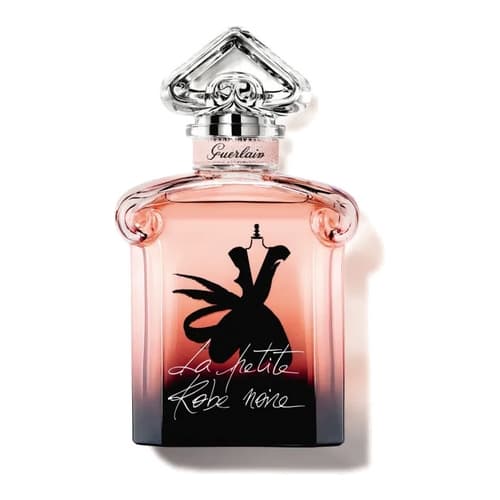
Furthermore, the almond note is also highly prized in oriental perfumes such as Ambrosine, Flower by Kenzo Le Parfum by Kenzo, which uses almond as a heart note with Bulgarian roses, not to mention almond blended with red fruits, which creates the famous cherry aromas of La Petite Robe Noire.
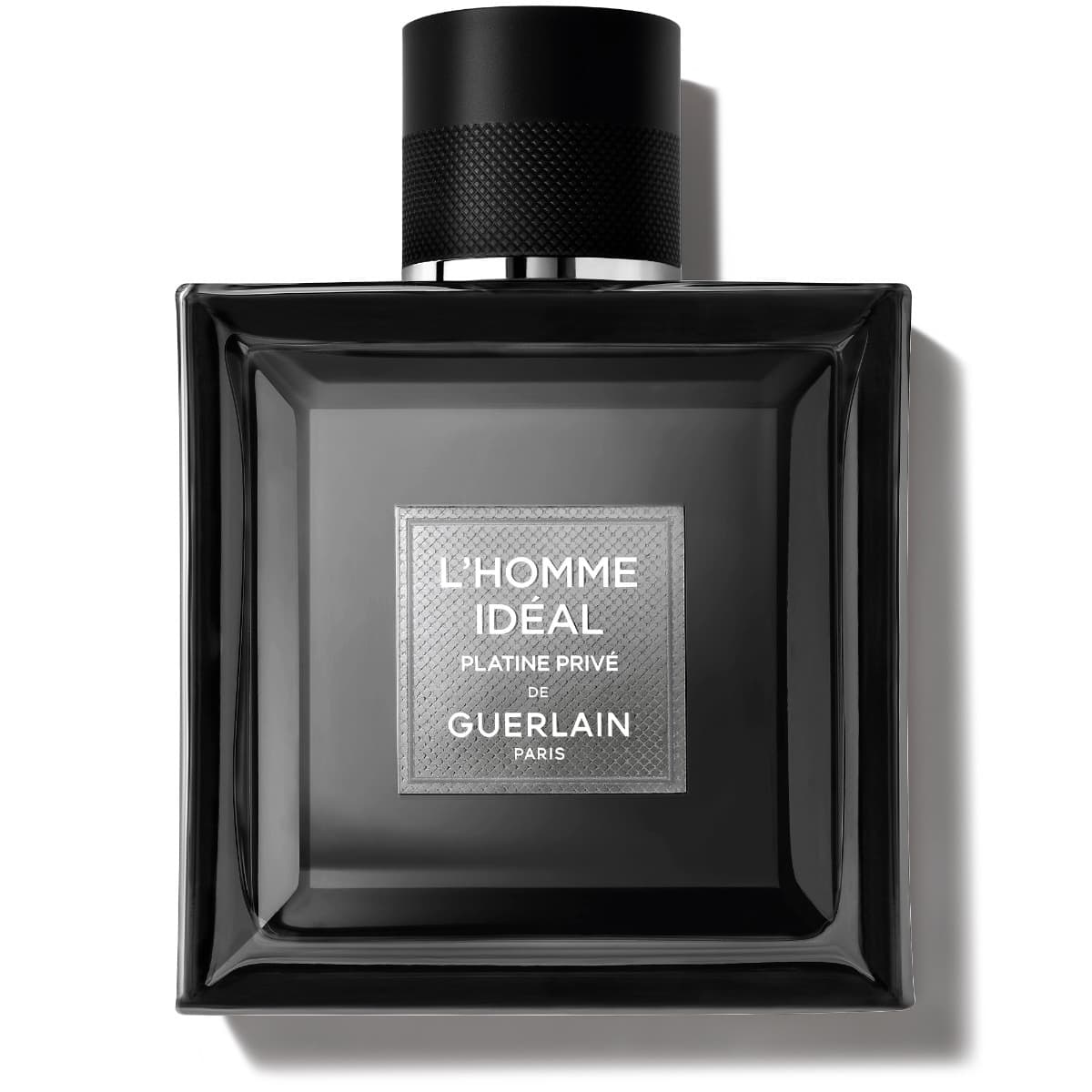
Perfumes containing the almond note are numerous and ultimately quite original in their composition. While, at first glance, fragrances that make use of almond's scents tend to be feminine, one should not forget the lovely masculine exceptions featuring almond notes, such as L’Homme Idéal by Guerlain or, even more surprisingly, the woody Cargo de Nuit by Prada.
Identity card
- Origin : Synthèse
- Type : Molécule
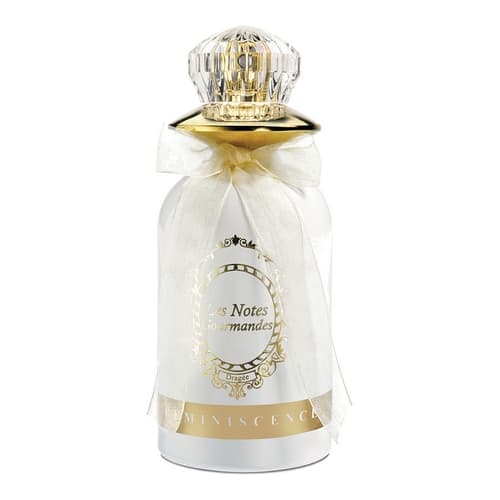
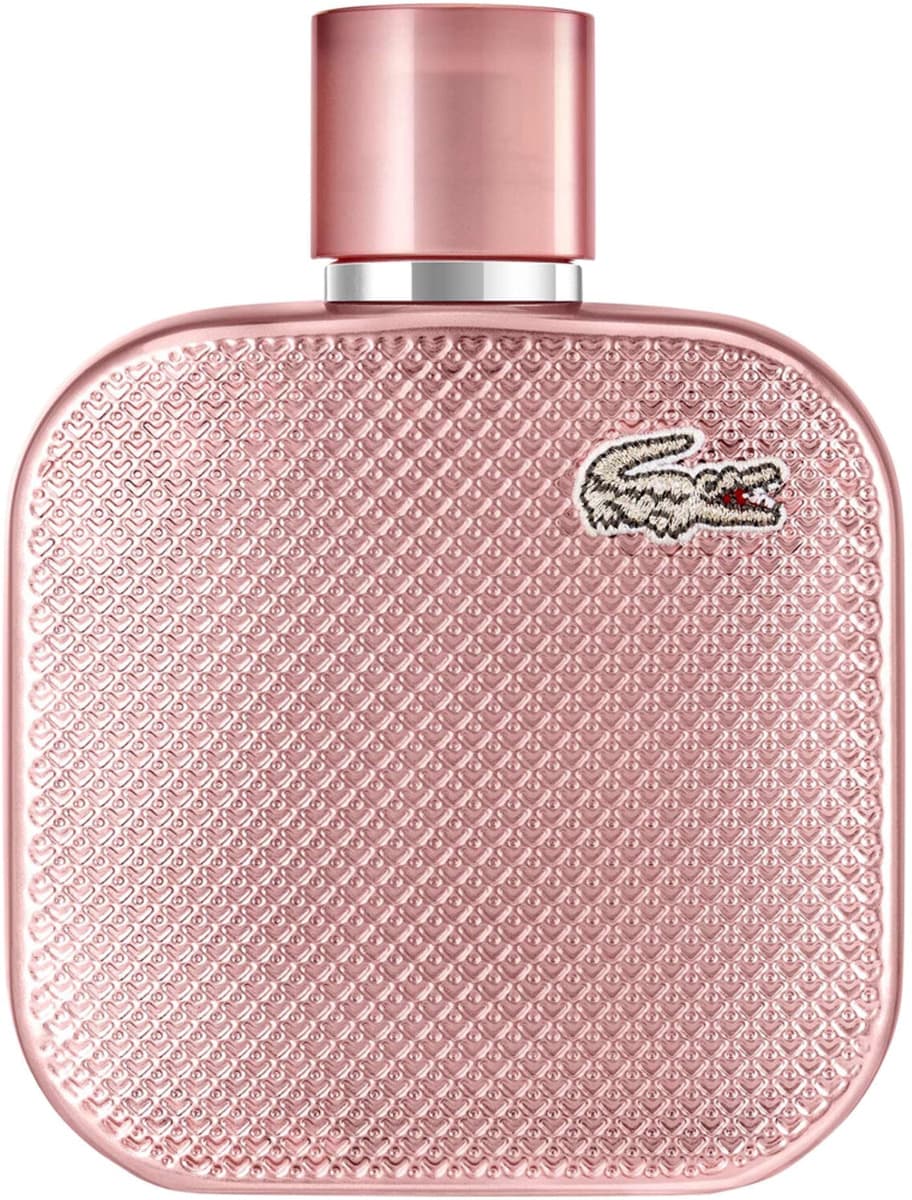
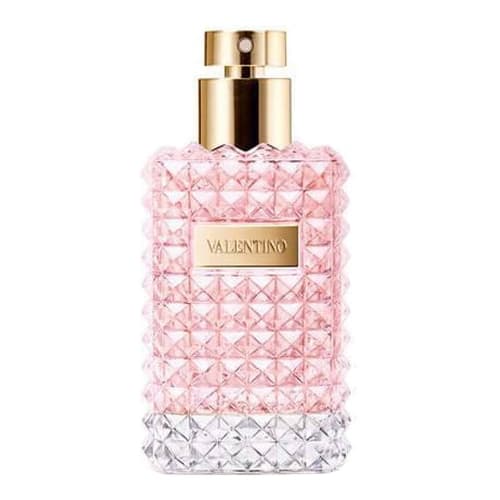
Perfumes with the Almond note
 Oriental
 Oriental
 Floral
 Floral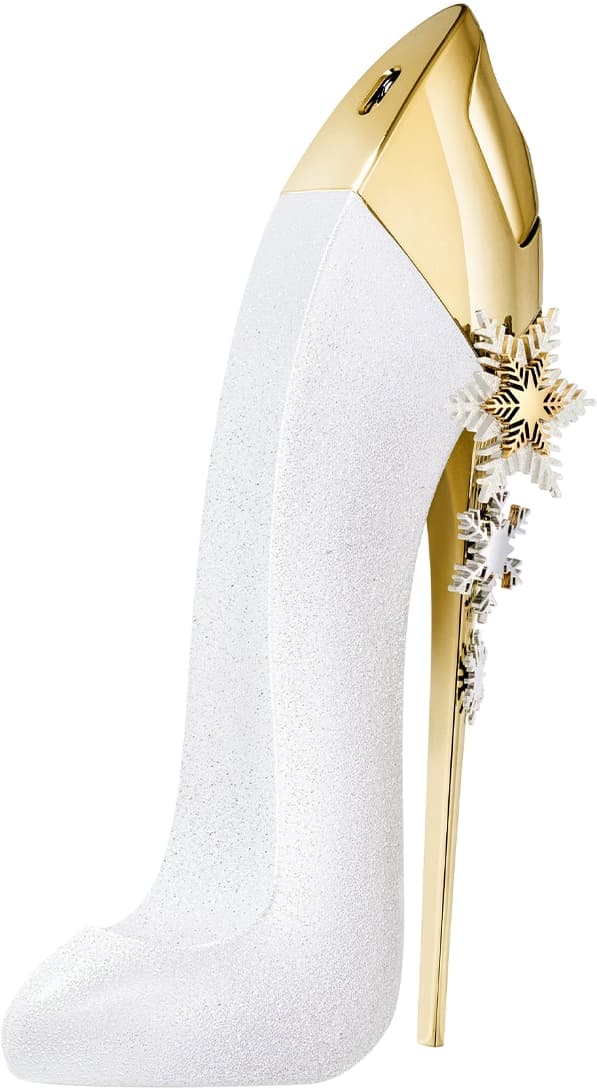
 Floral
 Oriental
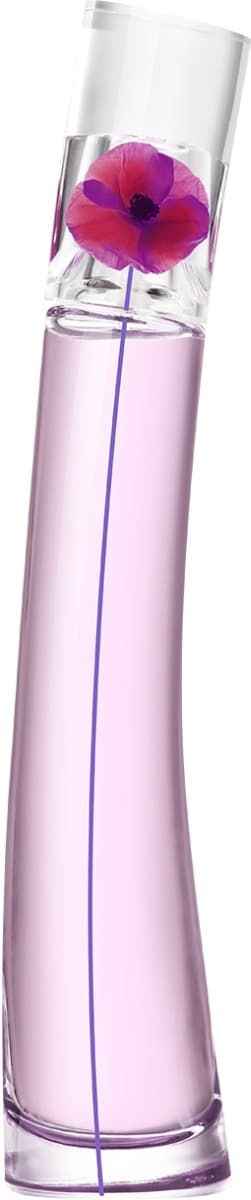 Floral
 Citrus
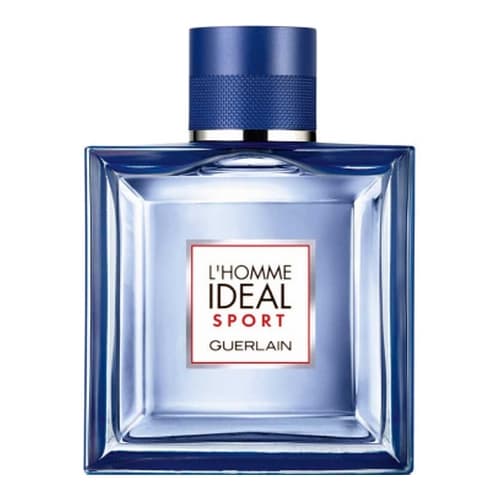 Woody
Woody Woody
Woody